MSI Gaming GS65 9SG-444 Stealth RAM upgrade specifications
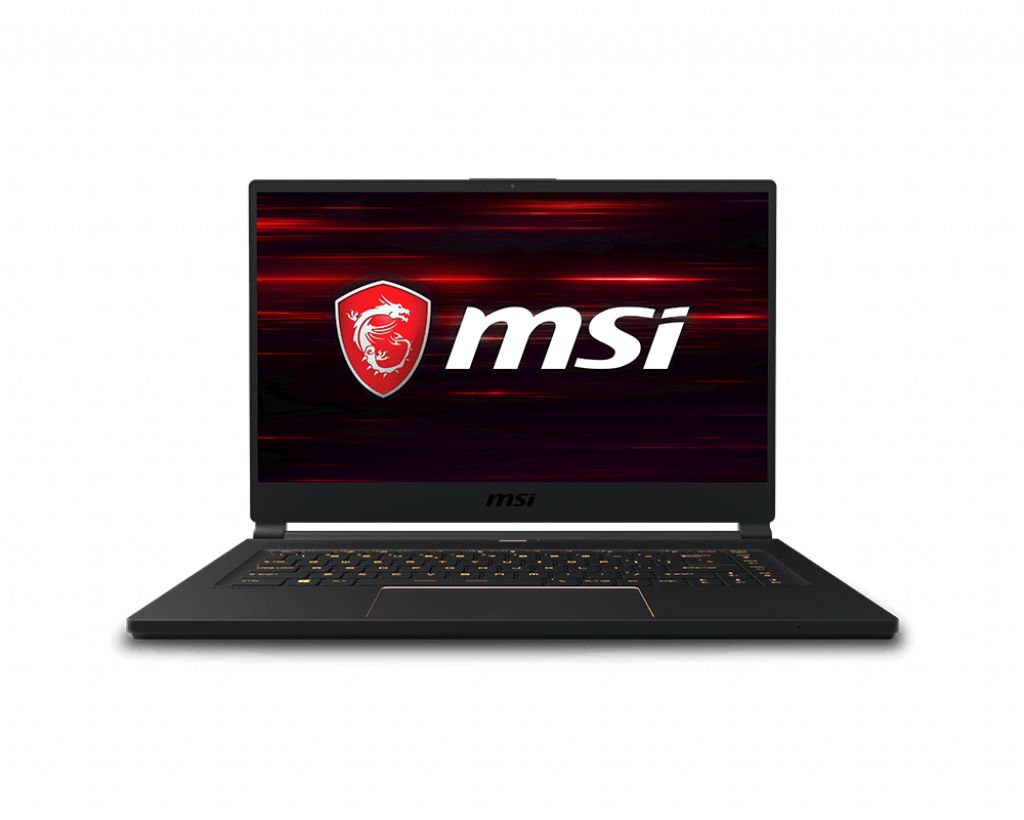
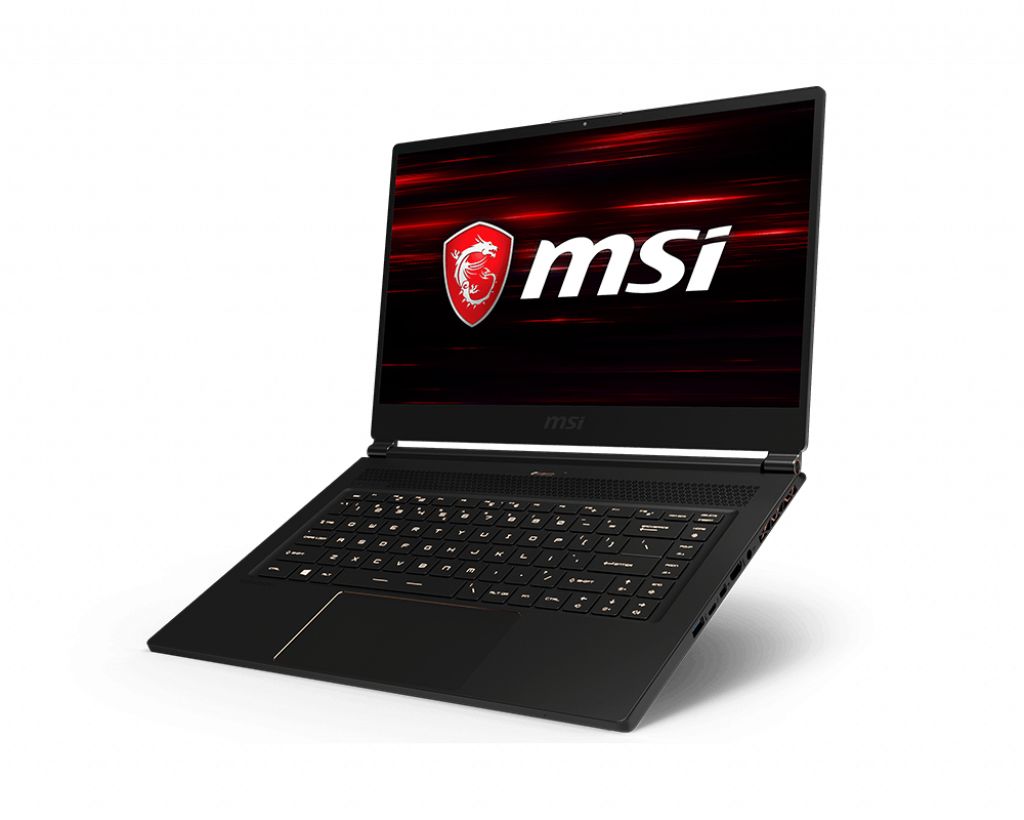
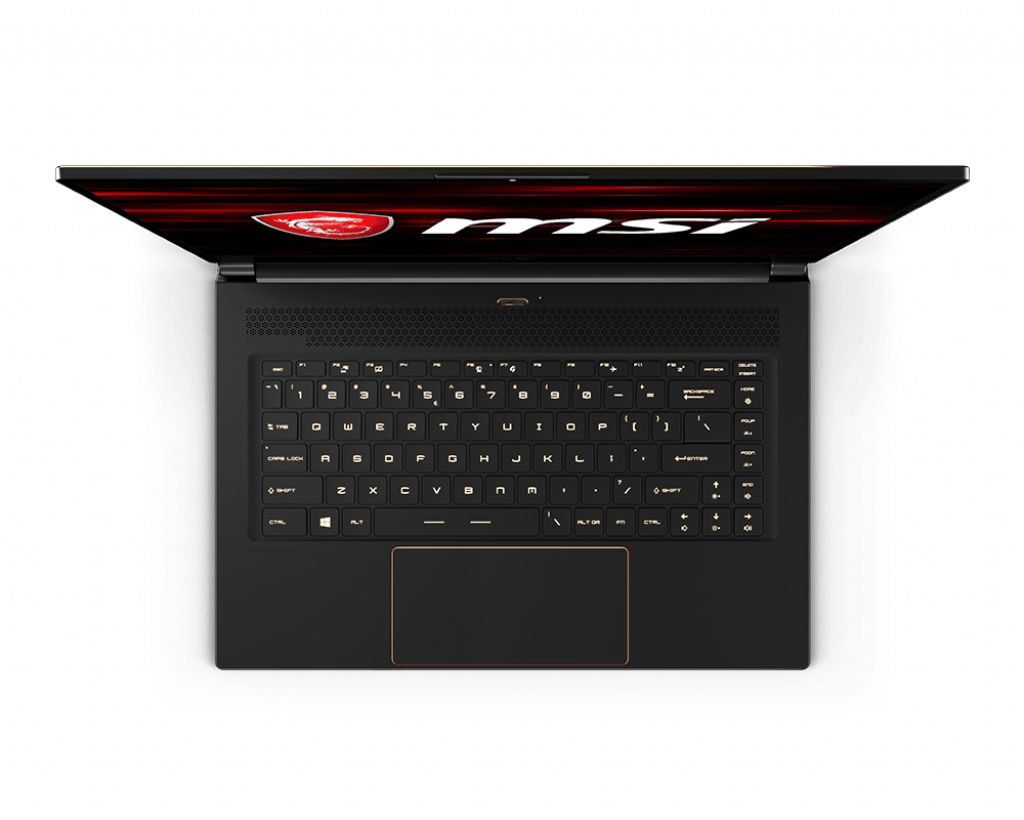
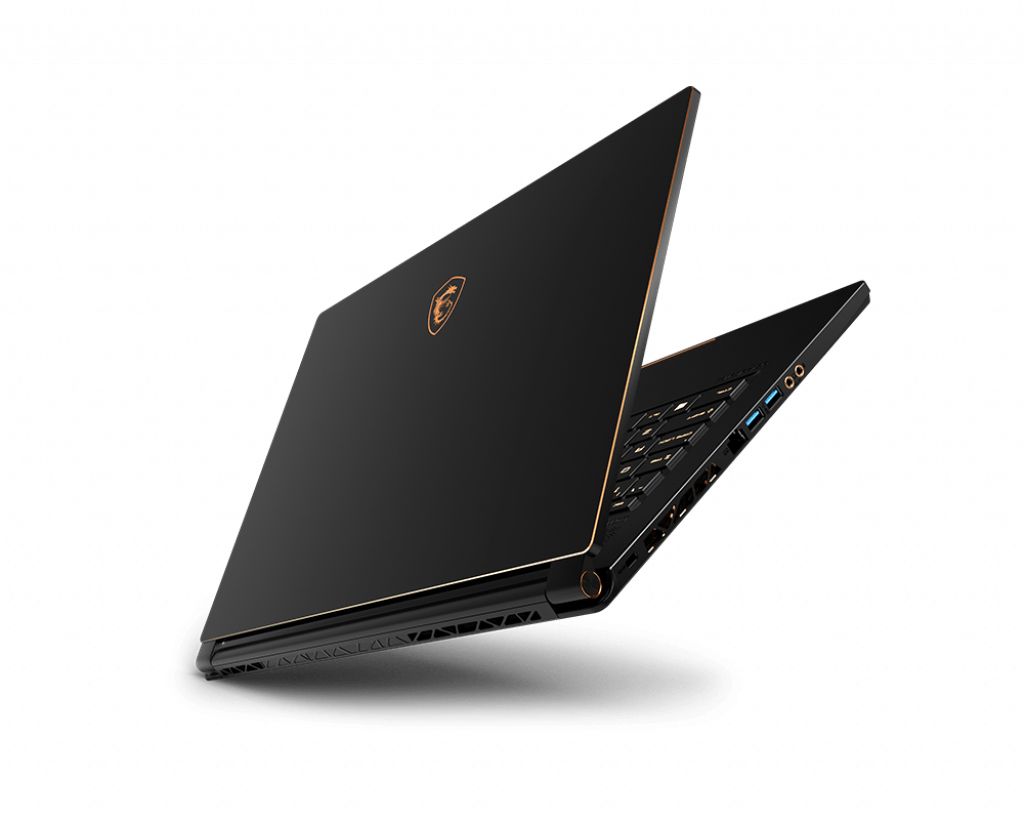
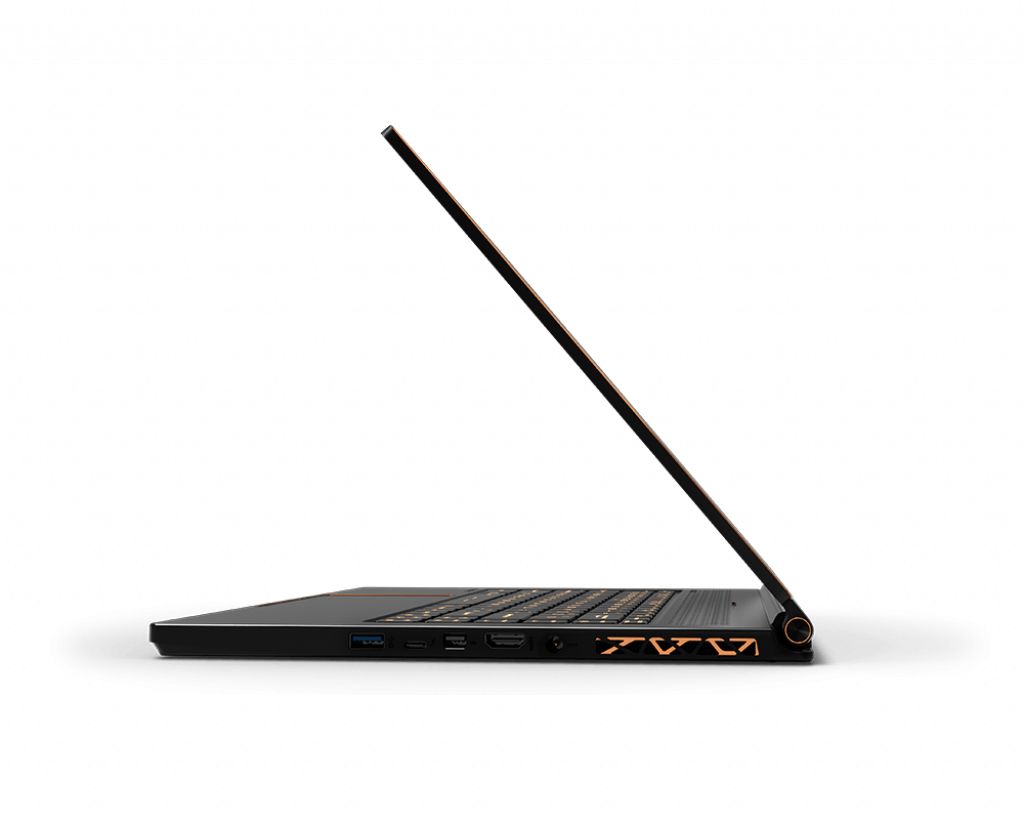
MSI GS65 9SG-444 Stealth gaming laptop memory upgrade specifications include two SO-DIMM slots supporting DDR4-SDRAM modules at 2666 MHz frequency. Maximum RAM capacity reaches 64 GB total, enabling memory expansion from factory configuration. Compatible upgrade modules must utilize SO-DIMM form factor and DDR4 specifications matching the laptop's memory controller requirements. The Gaming GS series supports dual-channel memory architecture for optimal performance across both upgrade slots.
Memory Upgrade Specifications
| Specification | Value |
|---|---|
| Memory slots | 2x SO-DIMM |
| Form factor | SO-DIMM |
| Memory type | DDR4-SDRAM |
| Frequency | 2666 MHz |
| Maximum RAM | 64 GB |
| Voltage | 1.2V |
| Number of pins | 260-pin |
| Interface | PC4 |
| PC Speed Rating | PC4-2666 (PC4-21328) |
| Bandwidth | 21.3 GB/s |
| Laptop Release date | 19 May 2019 |
Additional Notes
- The DDR4-2666 specification indicates this MSI GS65 9SG-444 Stealth uses 9th generation Intel Core processors, which natively support this frequency without requiring XMP profile activation.
- The 2 slot configuration requires replacing existing modules rather than adding to them when upgrading, making the current installed capacity a critical factor in planning cost-effective upgrades.
- The 64 GB ceiling translates to 32 GB maximum module density per slot, requiring dual-rank SO-DIMM modules that have different signal loading characteristics than single-rank variants.
- Using higher frequency modules such as DDR4-3200 will result in automatic downclocking to 2666 MHz, as the memory controller enforces this limitation regardless of module capabilities.
- Mixing modules with different densities across the 2 slots will force both to operate in single-channel mode, cutting memory bandwidth in half and creating performance degradation in GPU-intensive workloads.
- The SO-DIMM form factor requires modules with a 260-pin connector and specific height clearances due to the chassis design of thin gaming laptops.
- Accessing memory slots in this chassis generation typically requires complete bottom panel removal rather than dedicated service doors, increasing installation complexity.
- Memory timing compatibility becomes relevant when pairing modules from different manufacturers, as mismatched CAS latency values can cause POST failures or force both modules to the slower timing.
- Thermal considerations apply when reaching maximum capacity, as 64 GB configurations generate more heat than lower densities and rely on chassis airflow rather than dedicated module cooling.
- Non-ECC unbuffered modules are the only compatible type, as registered or ECC variants will not initialize on this mobile platform architecture.