MSI Gaming GS65 9SG-641RU Stealth RAM upgrade specifications
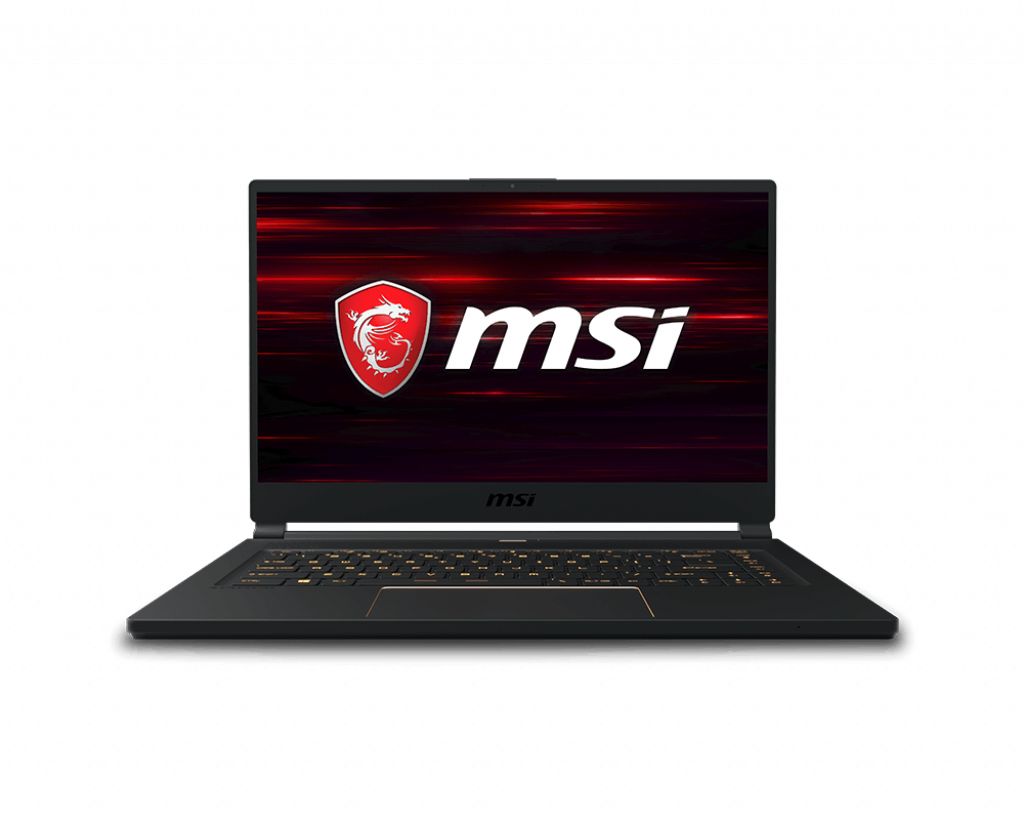
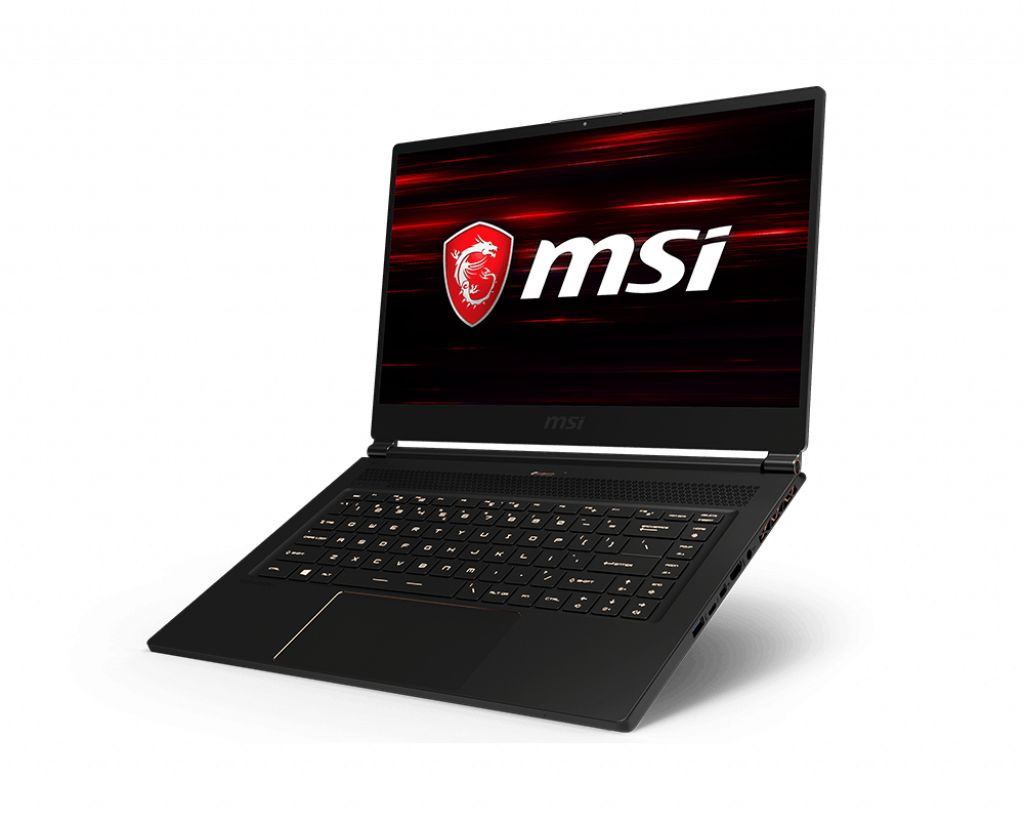


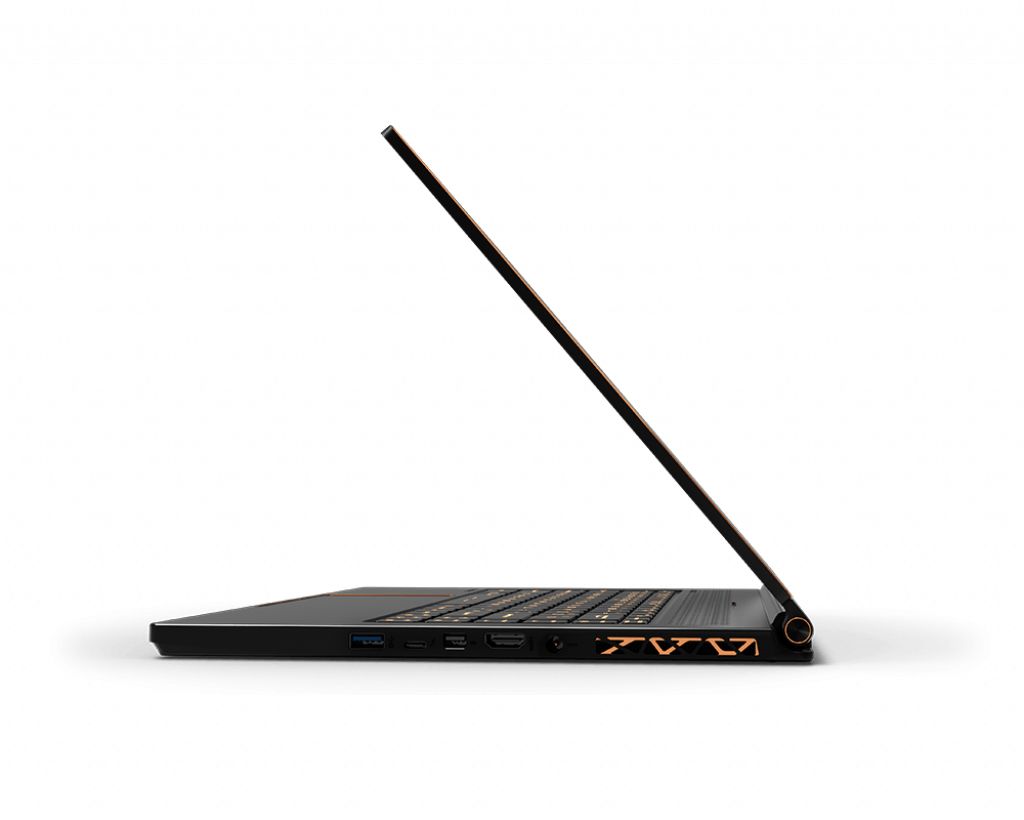
The MSI GS65 9SG-641RU Stealth gaming laptop features two SO-DIMM memory slots supporting DDR4-SDRAM upgrade specifications. Maximum RAM capacity reaches 64 GB total, with compatible modules operating at 2666 MHz frequency. The GS Gaming series supports memory upgrades through accessible SO-DIMM form factor slots, enabling users to expand system memory beyond factory specifications for enhanced multitasking performance.
Memory Upgrade Specifications
| Specification | Value |
|---|---|
| Memory slots | 2x SO-DIMM |
| Form factor | SO-DIMM |
| Memory type | DDR4-SDRAM |
| Frequency | 2666 MHz |
| Maximum RAM | 64 GB |
| Voltage | 1.2V |
| Number of pins | 260-pin |
| Interface | PC4 |
| PC Speed Rating | PC4-2666 (PC4-21328) |
| Bandwidth | 21.3 GB/s |
| Laptop Release date | 26 July 2019 |
Additional Notes
- The MSI GS65 9SG-641RU Stealth supports dual-channel memory configuration, which delivers approximately double the theoretical bandwidth compared to single-channel operation when both slots are populated with matched modules.
- The 2666 MHz frequency specification reflects JEDEC standard timing, though actual performance depends on CPU memory controller capabilities and BIOS implementation of XMP profiles.
- Installing a single module will force the system into single-channel mode, potentially reducing memory bandwidth by up to 50% and creating performance bottlenecks in GPU-intensive workloads that rely on shared system memory.
- The 64 GB maximum capacity requires 2x32 GB modules, which became widely available for SO-DIMM DDR4 format only after 2019, limiting earlier retrofit compatibility with period-specific inventory.
- Mixing modules with different speeds will force all installed memory to operate at the lowest common frequency, negating any potential benefit from higher-rated modules.
- SO-DIMM installation typically requires accessing the bottom panel, where warranty seals may be present depending on regional service policies and purchase date.
- Non-matching capacities between slots will still enable dual-channel mode up to the size of the smaller module, with remaining capacity reverting to single-channel operation.
- Thermal considerations apply when upgrading to maximum capacity, as denser modules generate more heat in the confined chassis space typical of thin gaming laptops.
- ECC memory modules are incompatible with this consumer-grade memory controller architecture, regardless of physical form factor compatibility.
- Voltage requirements default to 1.2V standard for DDR4, though low-voltage variants offer no performance advantage and may introduce stability issues if not explicitly supported by the motherboard.