MSI Gaming GS65 Stealth-430 RAM upgrade specifications
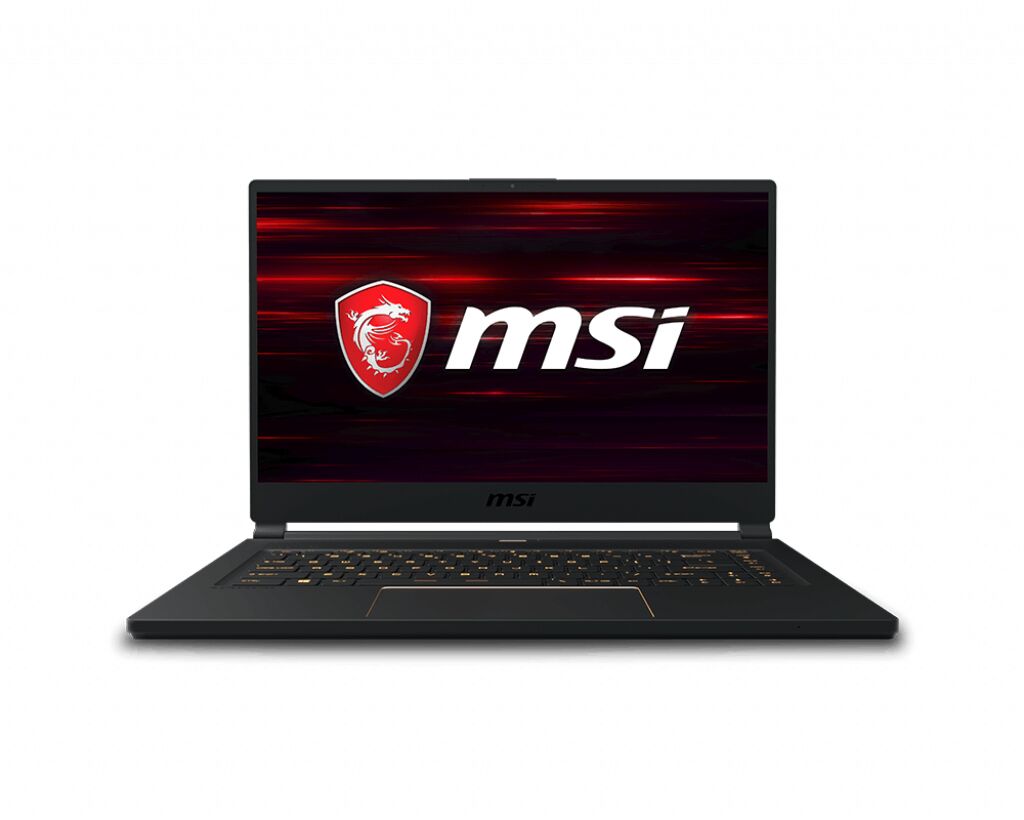
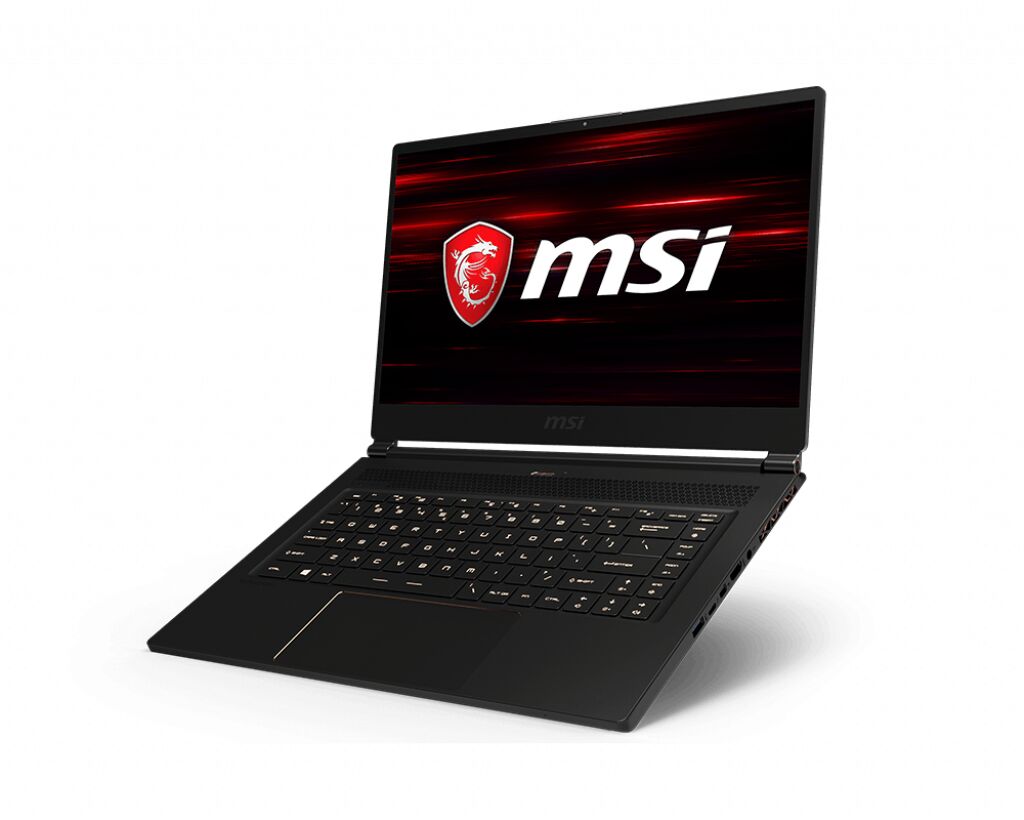


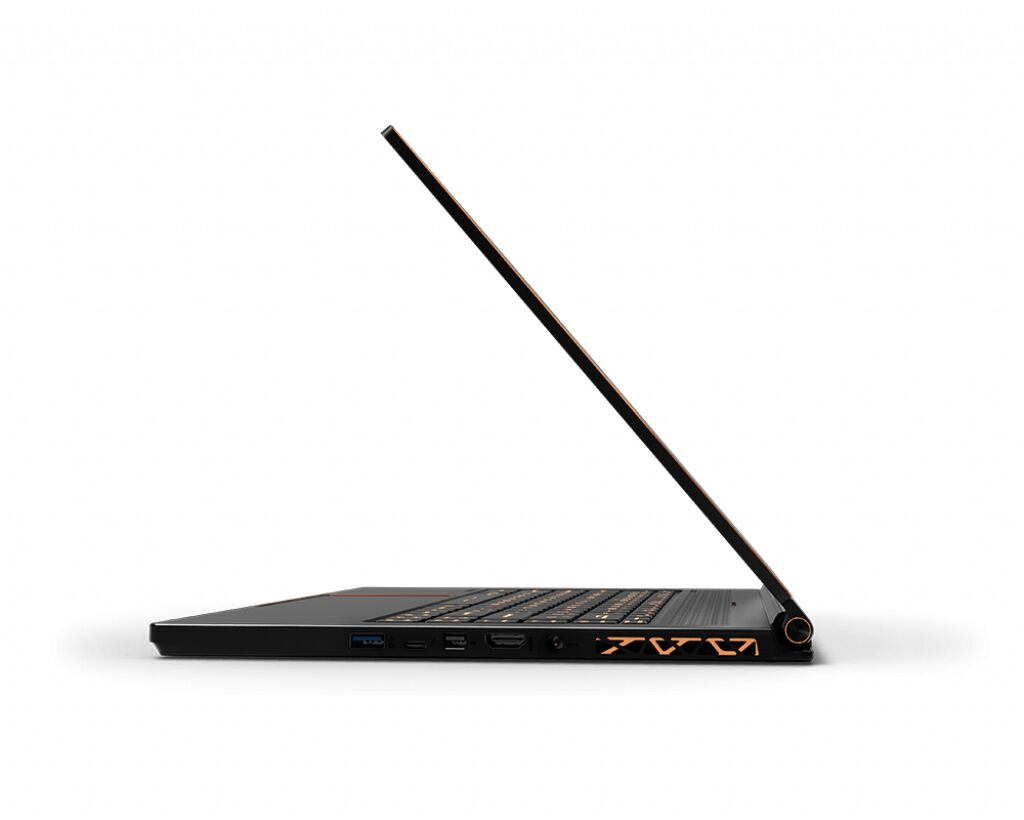
MSI GS65 Stealth-430 Gaming series laptop features DDR4-SDRAM memory upgrade specifications. The laptop contains 2x SO-DIMM slots for compatible RAM modules operating at 2666 MHz frequency. Maximum supported memory capacity reaches 64 GB through RAM upgrade installation. SO-DIMM form factor memory modules provide the specified upgrade path for expanding system memory on this MSI GS Gaming series model. Memory specifications and slot configuration enable users to upgrade RAM capacity according to compatibility requirements and maximum capacity limitations.
Memory Upgrade Specifications
| Specification | Value |
|---|---|
| Memory slots | 2x SO-DIMM |
| Form factor | SO-DIMM |
| Memory type | DDR4-SDRAM |
| Frequency | 2666 MHz |
| Maximum RAM | 64 GB |
| Voltage | 1.2V |
| Number of pins | 260-pin |
| Interface | PC4 |
| PC Speed Rating | PC4-2666 (PC4-21328) |
| Bandwidth | 21.3 GB/s |
| Laptop Release date | 29 June 2020 |
Additional Notes
- The inverted motherboard design of the MSI GS65 Stealth-430 necessitates a complete disassembly of the internal chassis to access the memory slots located on the underside of the PCB.
- Dual channel memory architecture requires installing matching pairs of modules to maximize available memory bandwidth and prevent system latency spikes during high load scenarios.
- Upgrading to modules with higher clock speeds results in automatic downclocking to the native system limit of 2666 MHz imposed by the chipset architecture.
- The 64 GB capacity ceiling facilitates professional workloads such as 4K video editing and virtual machine hosting beyond standard gaming requirements.
- Thermal management constraints within the thin chassis design suggest avoiding memory modules with bulky heat spreaders that could interfere with the ribbon cables crossing the SO-DIMM area.
- Physical installation involves disconnecting the battery and delicate fan headers which increases the risk of mechanical damage compared to traditional upright motherboard layouts.