MSI Gaming GS65 Stealth-666 RAM upgrade specifications
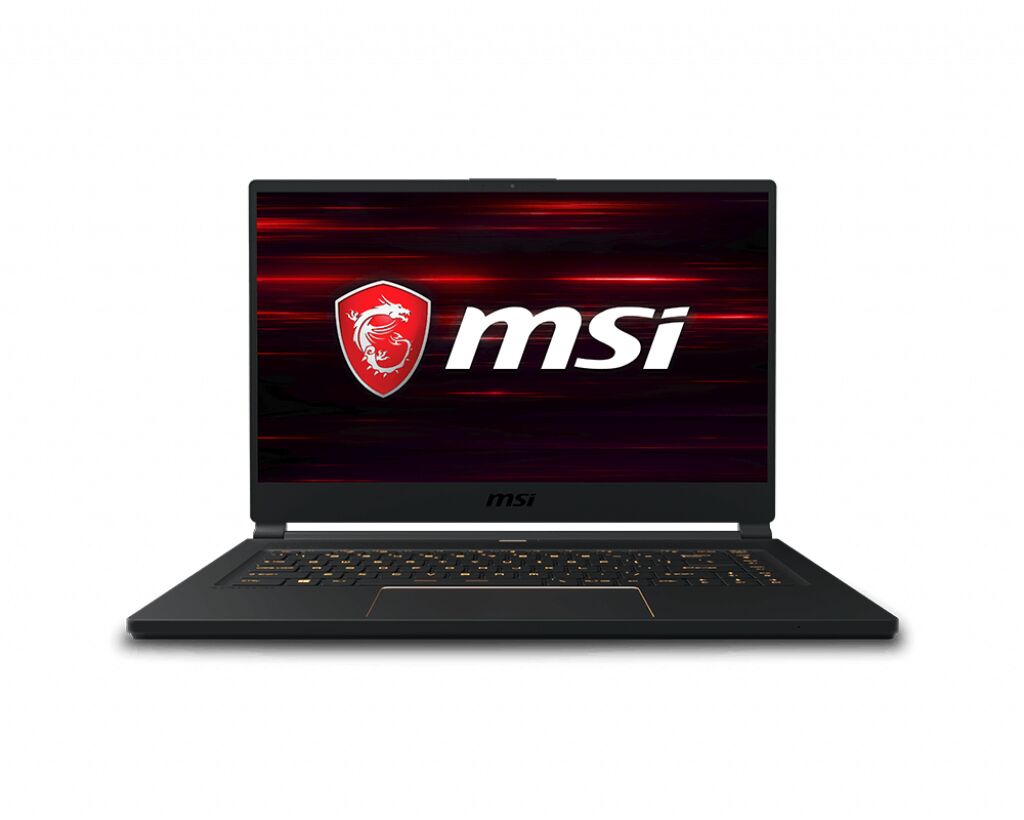
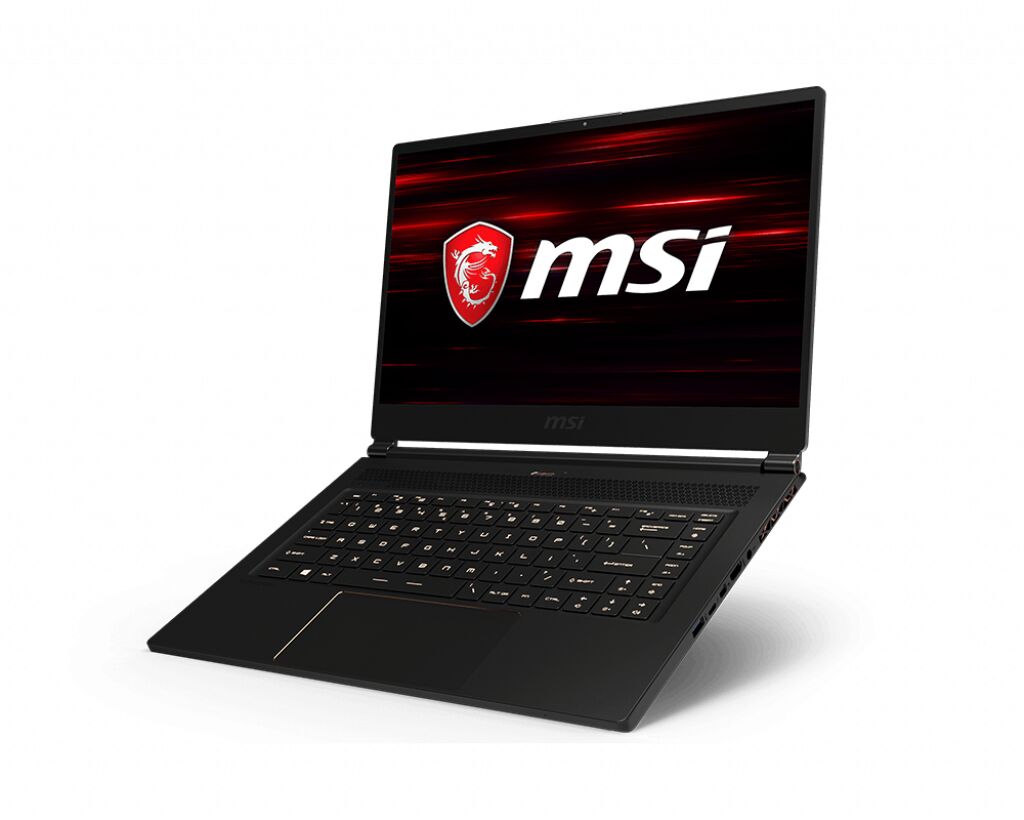



The MSI GS65 Stealth-666 Gaming series laptop features DDR4-SDRAM memory upgrade specifications with two SO-DIMM slots supporting a maximum RAM capacity of 64 GB. Compatible memory modules operate at 2666 MHz frequency. The upgrade configuration accommodates standard SO-DIMM form factor specifications, allowing for flexible memory expansion options within the stated maximum capacity limitations.
Memory Upgrade Specifications
| Specification | Value |
|---|---|
| Memory slots | 2x SO-DIMM |
| Form factor | SO-DIMM |
| Memory type | DDR4-SDRAM |
| Frequency | 2666 MHz |
| Maximum RAM | 64 GB |
| Voltage | 1.2V |
| Number of pins | 260-pin |
| Interface | PC4 |
| PC Speed Rating | PC4-2666 (PC4-21328) |
| Bandwidth | 21.3 GB/s |
| Laptop Release date | 20 April 2019 |
Additional Notes
- The MSI GS65 Stealth-666 supports dual-channel memory architecture through its 2 SO-DIMM slots, enabling bandwidth doubling when matched modules occupy both positions.
- Achieving the 64 GB ceiling requires 2 identical 32 GB modules, which represents a significant cost premium compared to lower-capacity configurations.
- The 2666 MHz specification represents JEDEC standard DDR4-2666 operation, limiting bandwidth to approximately 21.3 GB/s per channel in dual-channel mode.
- Higher-frequency modules rated at 2933 MHz or 3200 MHz will downclock to 2666 MHz due to chipset and BIOS constraints on this platform.
- Memory timing discrepancies between mixed modules can force both to operate at the slower module's latency profile, potentially degrading performance.
- Installing a single module forfeits dual-channel operation, halving theoretical memory bandwidth and creating bottlenecks in GPU-intensive applications relying on integrated graphics switching.
- SO-DIMM form factor modules typically carry thermal limitations in thin gaming chassis, with sustained high-frequency operation potentially triggering throttling under extended workloads.
- The platform lacks support for ECC memory validation, restricting upgrade paths to non-ECC SO-DIMM modules exclusively.
- Voltage compatibility requires 1.2V DDR4 modules, as low-voltage or overclocking-oriented variants may cause POST failures or system instability.
- Warranty preservation necessitates avoiding BIOS modifications for memory overclocking, as manufacturer support typically covers only JEDEC-standard configurations.
- Physical access to memory slots likely requires bottom panel removal, with potential adhesive-secured components complicating user-serviceable upgrades.