MSI Gaming GS65 Stealth 9SG-453 RAM upgrade specifications
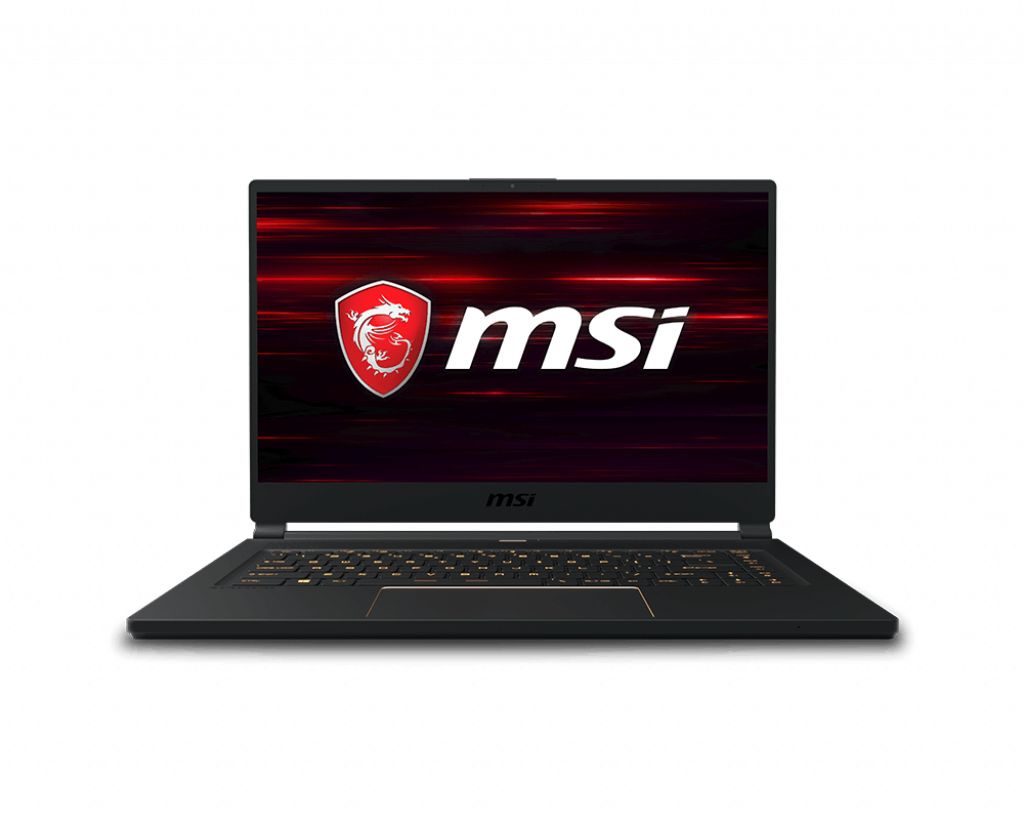
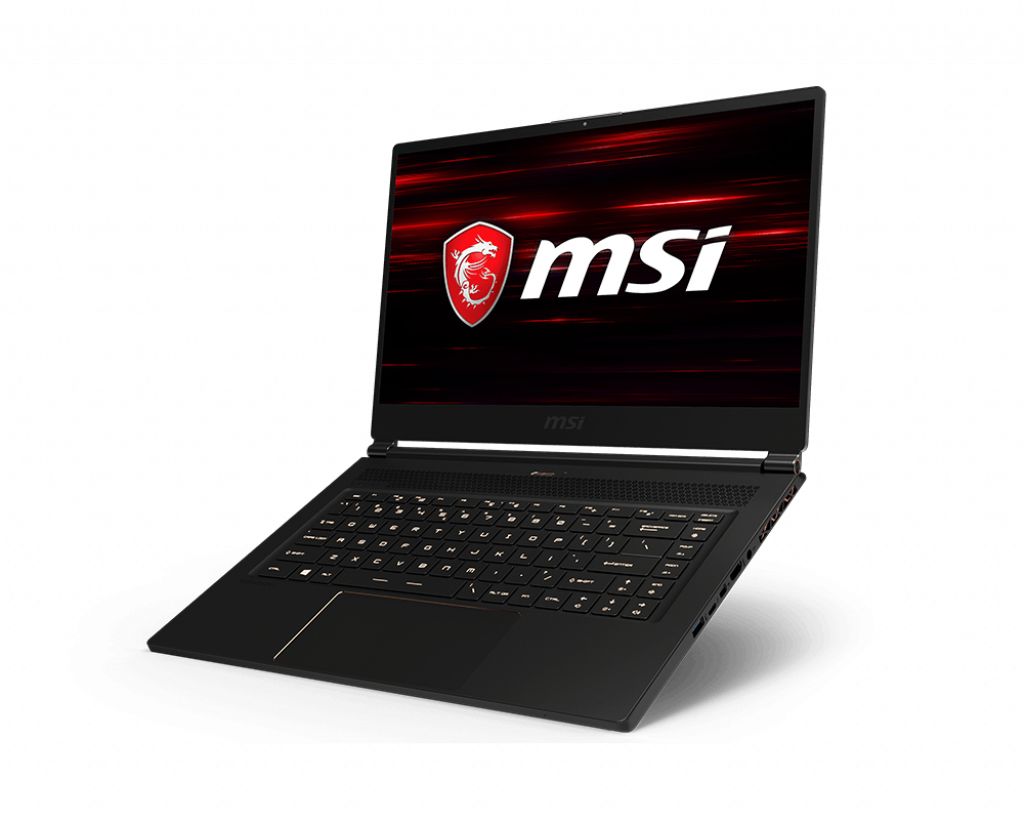



The MSI GS65 Stealth 9SG-453 gaming laptop supports DDR4-SDRAM memory upgrades through two SO-DIMM slots. The system accommodates a maximum RAM capacity of 64 GB total, with compatible modules operating at 2666 MHz frequency. This Gaming Series model allows users to expand memory specifications by replacing or adding DDR4 SO-DIMM modules. The upgrade slots enable flexible memory configurations to meet varying performance requirements for the GS65 Stealth 9SG-453 platform.
Memory Upgrade Specifications
| Specification | Value |
|---|---|
| Memory slots | 2x SO-DIMM |
| Form factor | SO-DIMM |
| Memory type | DDR4-SDRAM |
| Frequency | 2666 MHz |
| Maximum RAM | 64 GB |
| Voltage | 1.2V |
| Number of pins | 260-pin |
| Interface | PC4 |
| PC Speed Rating | PC4-2666 (PC4-21328) |
| Bandwidth | 21.3 GB/s |
| Laptop Release date | 19 April 2019 |
Additional Notes
- The MSI GS65 Stealth 9SG-453 memory controller supports dual-channel architecture, enabling theoretical bandwidth up to 42.6 GB/s when both SO-DIMM slots contain matching modules.
- Mixing memory modules with different speeds will force all installed RAM to operate at the lowest common frequency, potentially reducing performance below the 2666 MHz specification.
- The 64 GB maximum capacity requires 32 GB modules in both slots, limiting headroom for future single-slot upgrades beyond this configuration.
- Non-matching CAS latencies between installed modules may introduce timing incompatibilities that prevent successful POST or cause system instability.
- Access to the SO-DIMM slots typically requires complete bottom panel removal, which may void manufacturer warranty if security seals are present.
- Single-rank versus dual-rank module topology affects memory interleaving efficiency, with mismatched configurations potentially reducing bandwidth utilization despite identical capacity specifications.
- The 2666 MHz frequency operates at JEDEC standard voltage of 1.2V, while higher-speed XMP-enabled modules may default to this frequency without BIOS support for overclocking profiles.
- ECC memory modules are incompatible with this consumer-grade chipset, restricting upgrade options to non-ECC SO-DIMM variants only.
- Installing modules exceeding 1.2V specifications risks thermal throttling in the compact chassis design, particularly under sustained memory-intensive workloads.
- The 260-pin SO-DIMM form factor physically prevents installation of standard 288-pin desktop DIMM modules, requiring mobile-specific components for all upgrades.