MSI Gaming GS65 Stealth 9SG-617IT RAM upgrade specifications
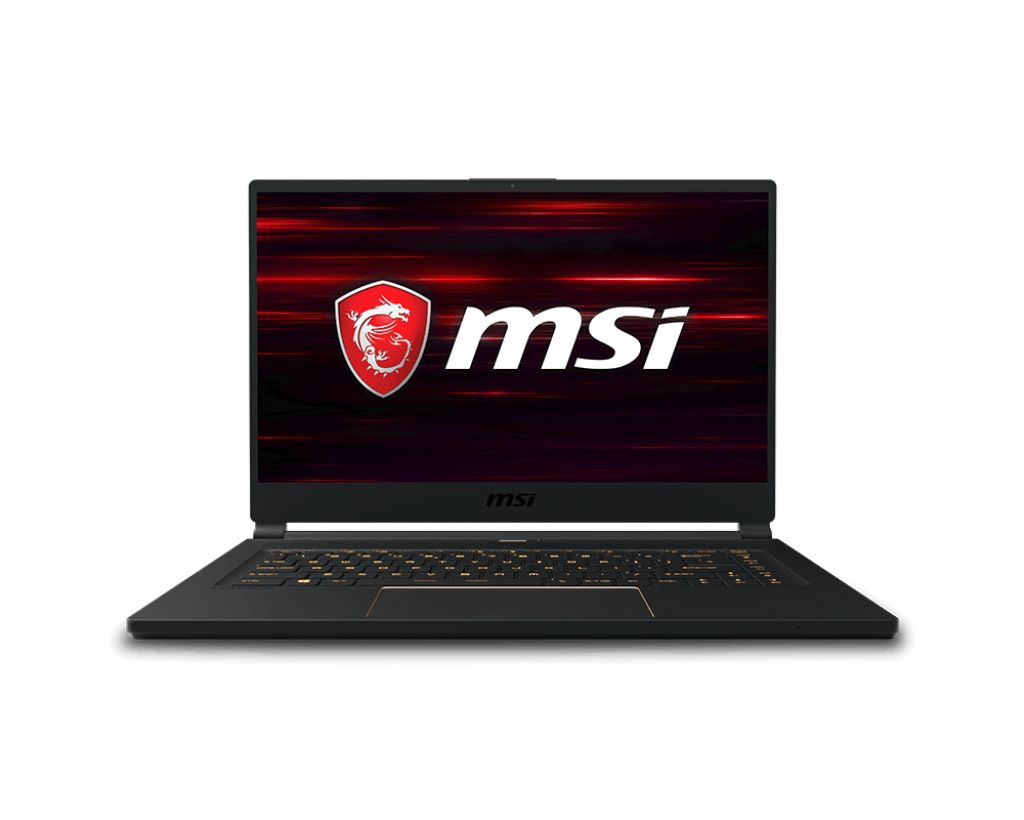
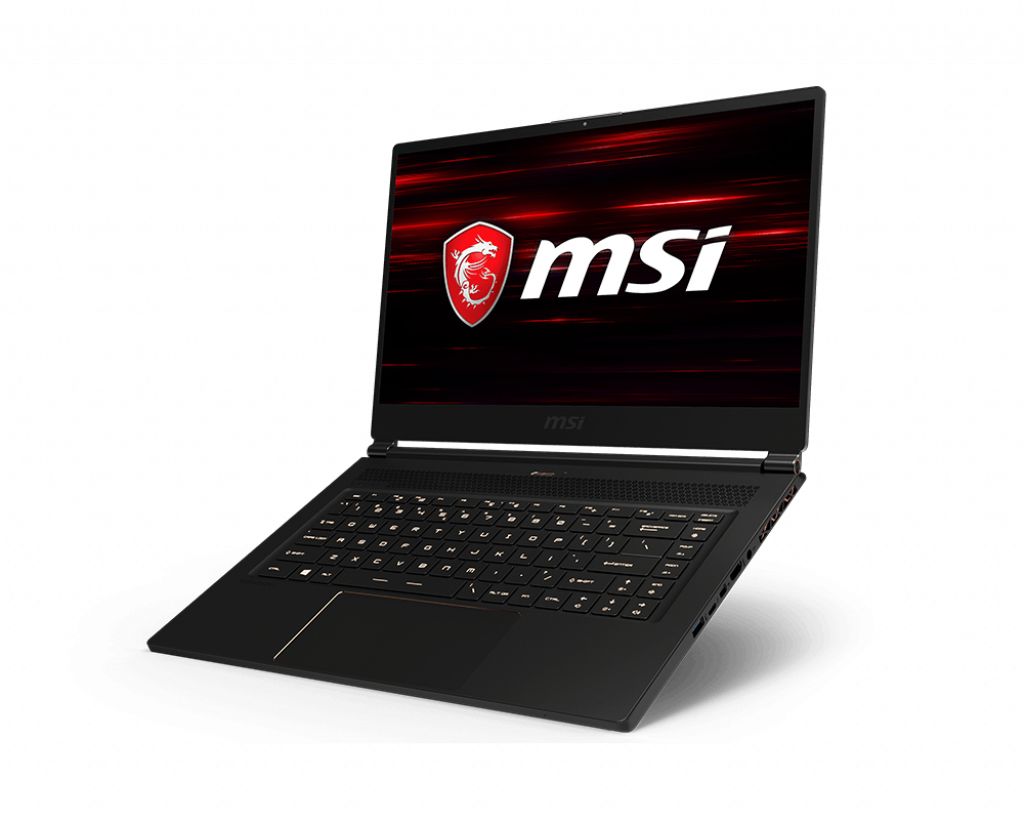


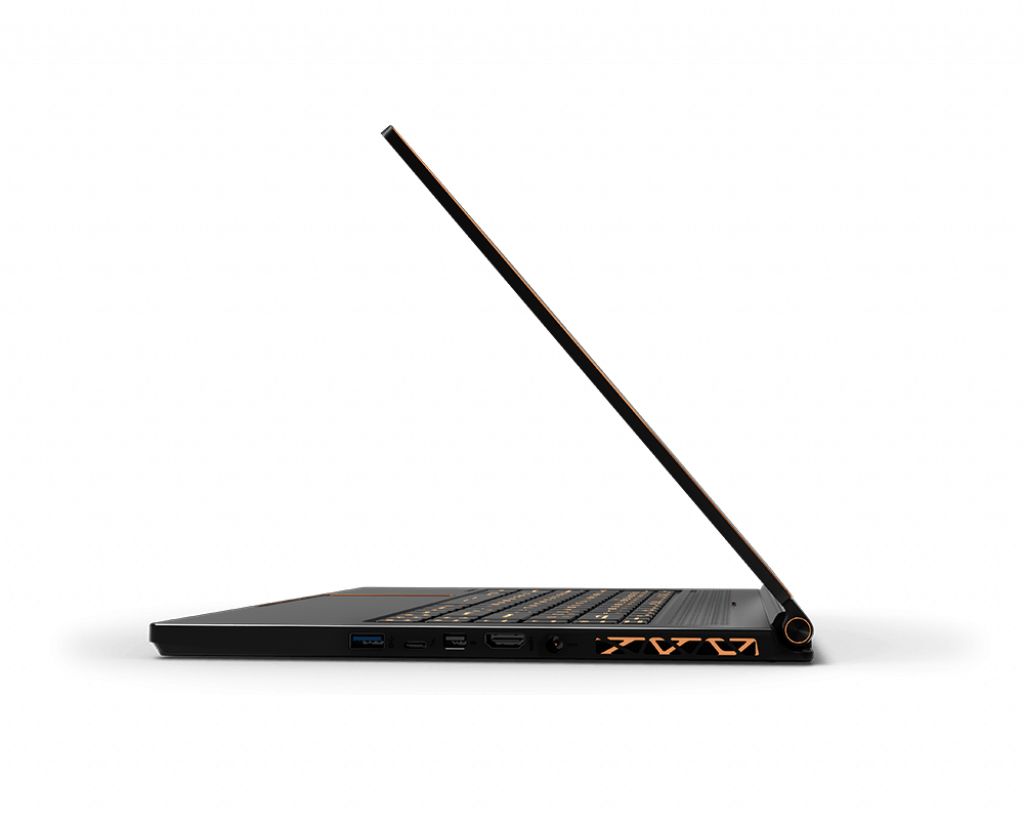
The MSI GS65 Stealth 9SG-617IT Gaming series laptop features DDR4-SDRAM memory configuration with 2x SO-DIMM slots. Maximum RAM capacity reaches 64 GB total. Compatible memory modules operate at 2666 MHz frequency using SO-DIMM form factor. Upgrade specifications indicate DDR4 memory type for this MSI GS series model. The laptop's memory upgrade capacity supports up to 64 GB configuration across available slots.
Memory Upgrade Specifications
| Specification | Value |
|---|---|
| Memory slots | 2x SO-DIMM |
| Form factor | SO-DIMM |
| Memory type | DDR4-SDRAM |
| Frequency | 2666 MHz |
| Maximum RAM | 64 GB |
| Voltage | 1.2V |
| Number of pins | 260-pin |
| Interface | PC4 |
| PC Speed Rating | PC4-2666 (PC4-21328) |
| Bandwidth | 21.3 GB/s |
| Laptop Release date | 02 May 2019 |
Additional Notes
- The MSI GS65 Stealth 9SG-617IT supports dual-channel memory architecture through its 2 SO-DIMM slots, enabling bandwidth doubling when matched modules are installed in both positions.
- The 2666 MHz specification indicates official JEDEC standard support, though compatibility with higher-frequency modules depends on whether the chipset supports frequency downclocking to this native speed.
- The 64 GB maximum capacity requires 32 GB modules per slot, which constrains upgrade paths to either 2x16 GB or 2x32 GB configurations for optimal performance.
- SO-DIMM form factor compatibility eliminates standard desktop DIMM modules from consideration, requiring laptop-specific components with different physical pin counts and voltage requirements.
- Memory mixing scenarios (different capacities, brands, or timings between slots) may force the system to operate at the lowest common denominator specifications or disable dual-channel mode entirely.
- DDR4-SDRAM operates at lower voltage (1.2V) compared to DDR3 predecessors, making backward compatibility impossible despite similar physical slot appearances.
- The 2666 MHz frequency ceiling means faster DDR4-3200 modules will function but throttle down, potentially wasting cost premium without performance gains.
- Single-sided versus double-sided module topology can affect clearance in ultra-thin chassis designs, where SODIMM height restrictions may prohibit certain high-density configurations.
- ECC (Error-Correcting Code) memory typically lacks support in consumer gaming platforms, limiting upgrade options to non-ECC unbuffered modules only.
- Accessing both memory slots typically requires bottom panel removal, with potential warranty implications if manufacturer seals are broken during self-installation.