MSI Gaming GS66 10SF-005 Stealth RAM upgrade specifications
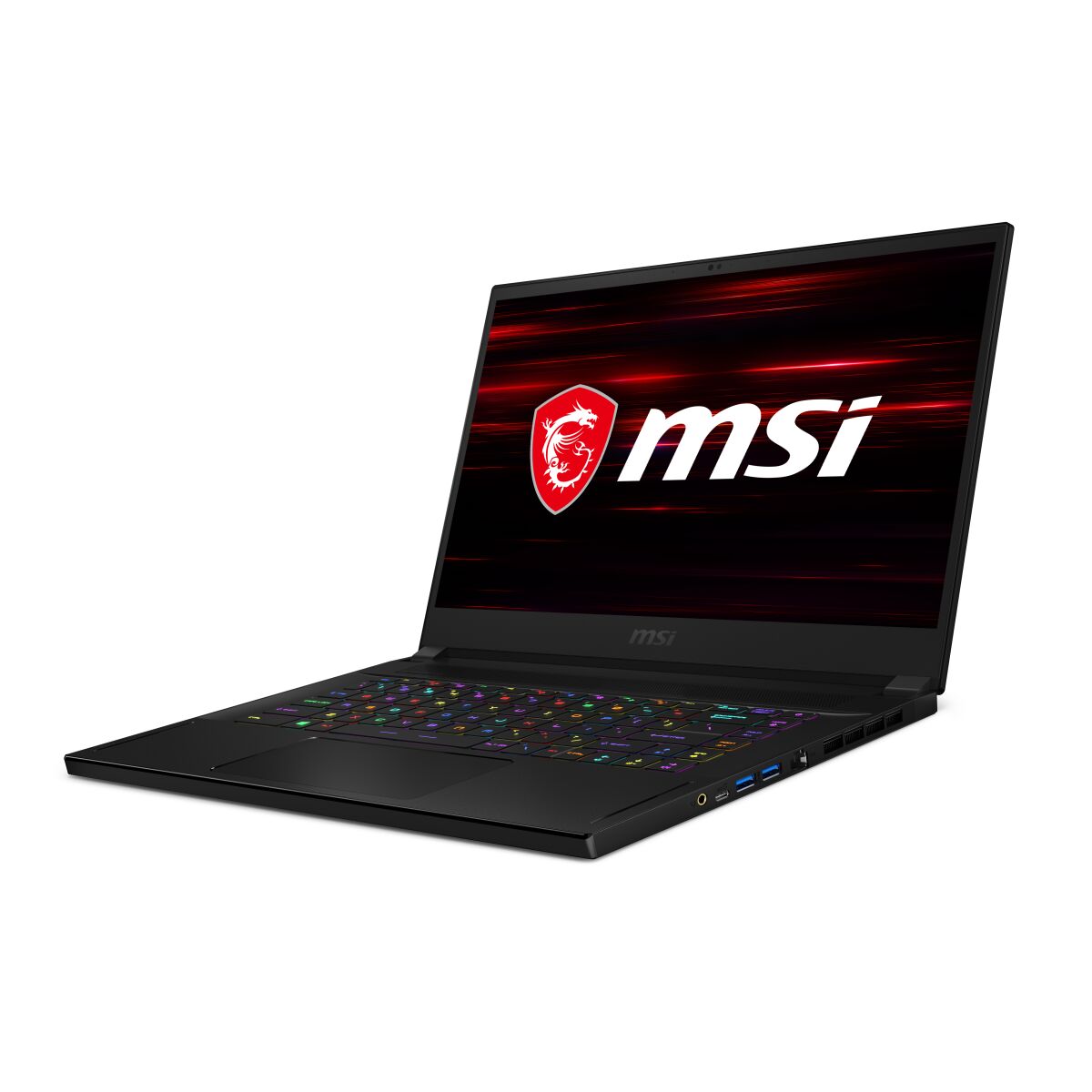
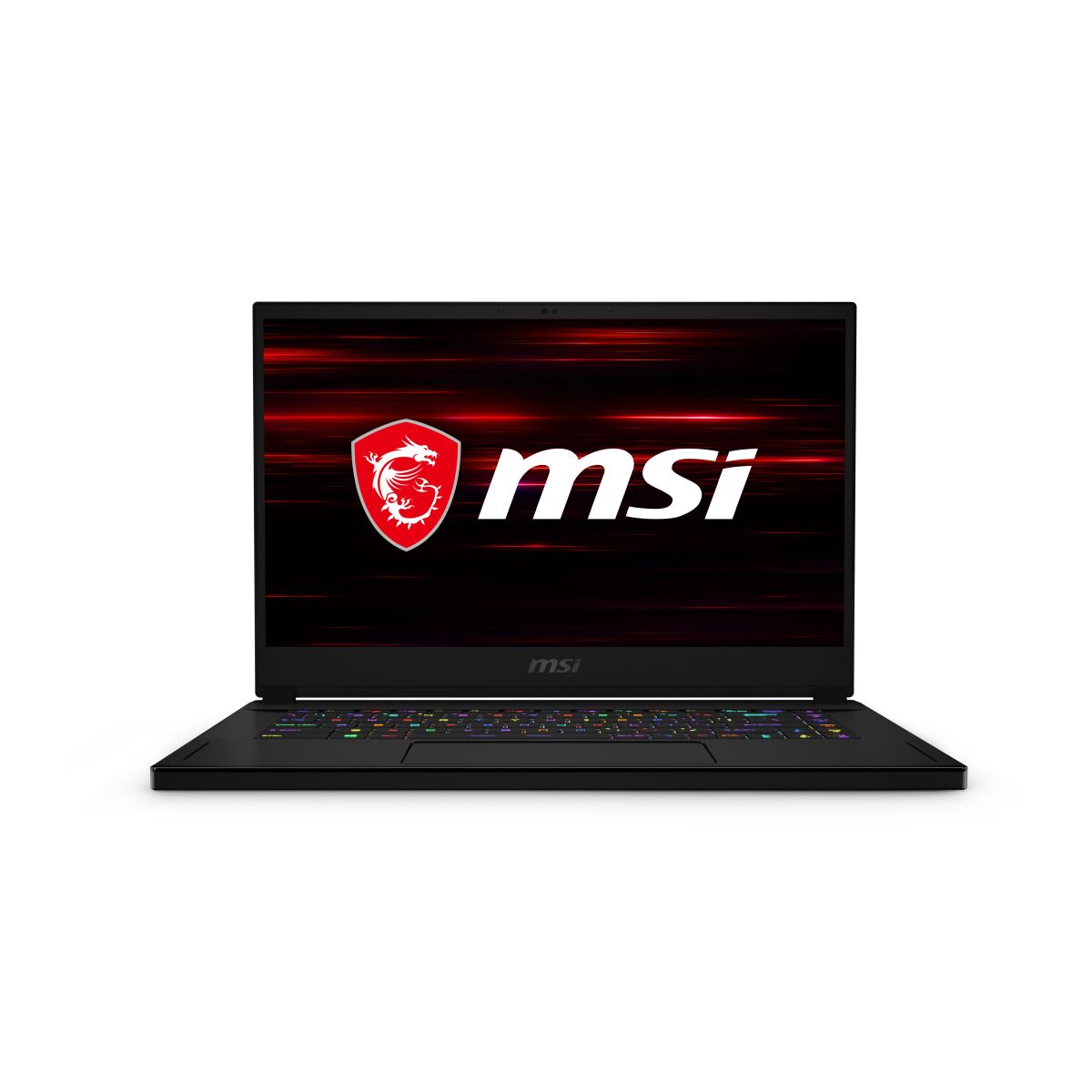
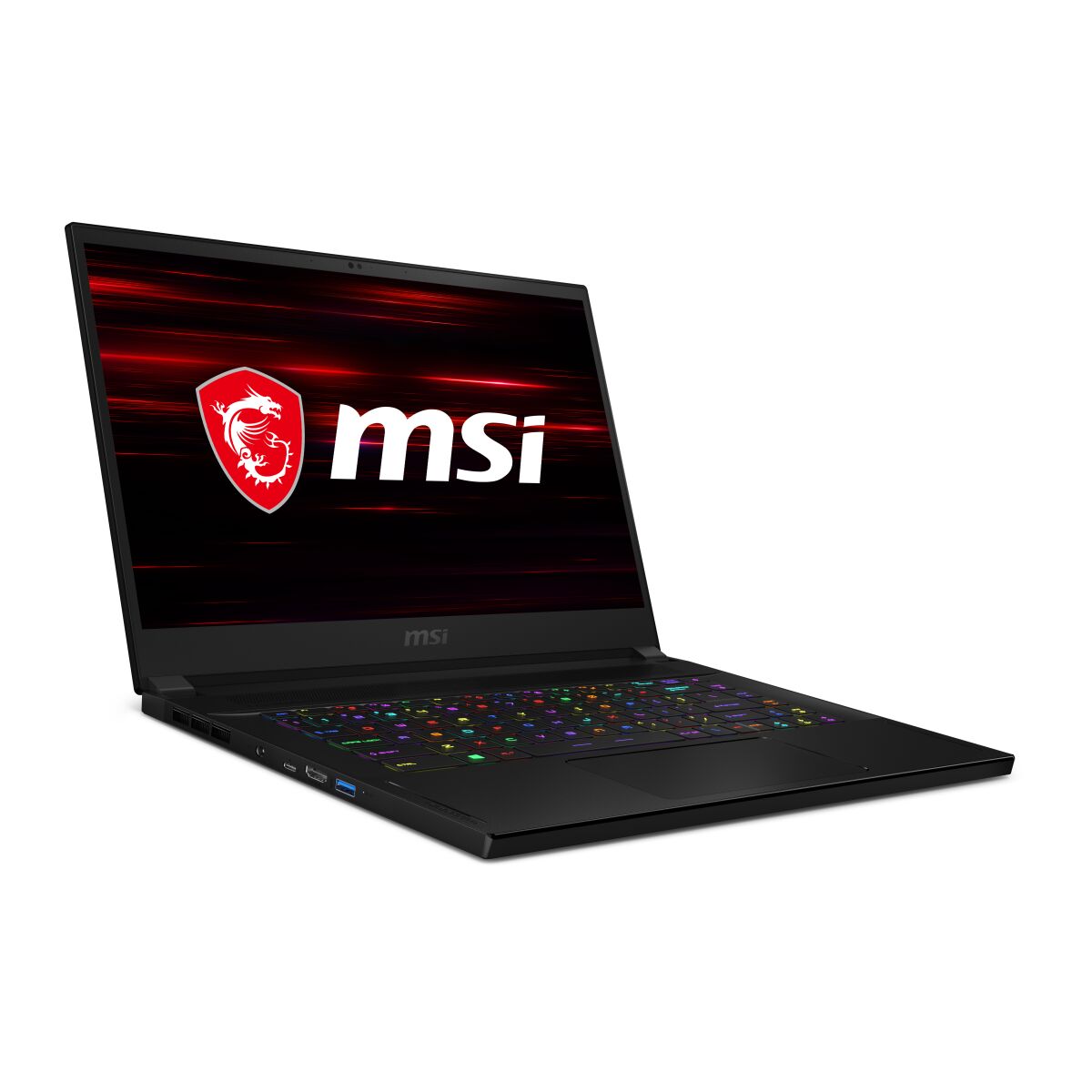

The MSI GS66 10SF-005 Stealth gaming laptop features DDR4-SDRAM memory with two SO-DIMM slots supporting maximum capacity of 64 GB. RAM upgrade specifications indicate compatibility with 2666 MHz frequency modules. The Gaming Series GS model supports memory expansion through dual SO-DIMM slots, enabling users to upgrade from factory configuration to the maximum 64 GB capacity using standard DDR4 SO-DIMM modules compatible with the laptop's specifications.
Memory Upgrade Specifications
| Specification | Value |
|---|---|
| Memory slots | 2x SO-DIMM |
| Form factor | SO-DIMM |
| Memory type | DDR4-SDRAM |
| Frequency | 2666 MHz |
| Maximum RAM | 64 GB |
| Voltage | 1.2V |
| Number of pins | 260-pin |
| Interface | PC4 |
| PC Speed Rating | PC4-2666 (PC4-21328) |
| Bandwidth | 21.3 GB/s |
| Laptop Release date | 01 June 2020 |
Additional Notes
- The 2666 MHz frequency operates below DDR4's potential maximum speeds, creating headroom for users who install higher-rated modules but forcing those modules to downclock to match the system's supported ceiling.
- The MSI GS66 10SF-005 Stealth's dual SO-DIMM configuration enables symmetric dual-channel operation when populated with matched capacity modules, delivering parallel memory access that effectively doubles bandwidth compared to single-channel configurations.
- Accessing the memory slots requires bottom panel removal, which typically involves multiple Torx or Phillips screws and potentially invalidates certain warranty seals depending on regional service policies.
- Installing a single 32 GB module leaves one slot vacant, preserving future expansion capability but immediately sacrificing dual-channel bandwidth until the second slot receives a matching module.
- The 64 GB ceiling suggests compatibility with 32 GB SO-DIMM modules, a capacity tier that remains significantly more expensive per gigabyte than mainstream 8 GB or 16 GB options.
- DDR4 SO-DIMM modules feature a 260-pin interface distinct from desktop DDR4's 288-pin layout, making desktop memory physically incompatible despite identical generation and frequency specifications.
- Mixing modules with different speeds forces all installed memory to operate at the slowest module's rated frequency, negating any investment in premium higher-speed components.
- Thermal constraints within slim gaming chassis designs may cause sustained memory-intensive workloads to trigger throttling if modules lacking integrated heat spreaders generate excessive temperatures in the confined airspace.
- The platform's 10th generation Intel architecture natively supports higher DDR4 speeds through XMP profiles, but the locked 2666 MHz specification indicates BIOS-level frequency restrictions that prevent user-initiated overclocking.
- Populating both slots to reach 64 GB total capacity eliminates all future memory upgrade paths without replacing existing modules, converting otherwise reusable components into electronic waste.