MSI Gaming GS66 10SE-482IT Stealth RAM upgrade specifications

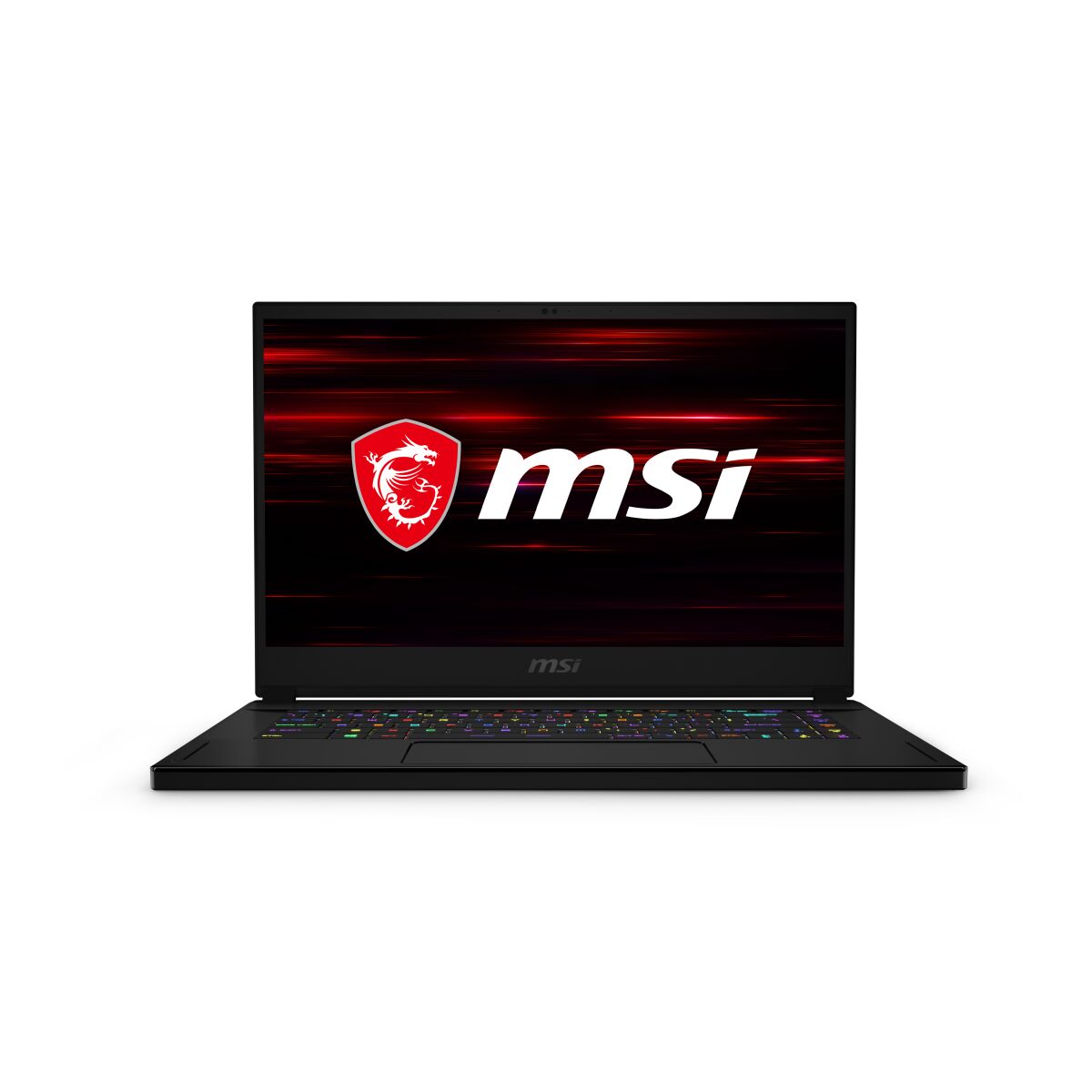
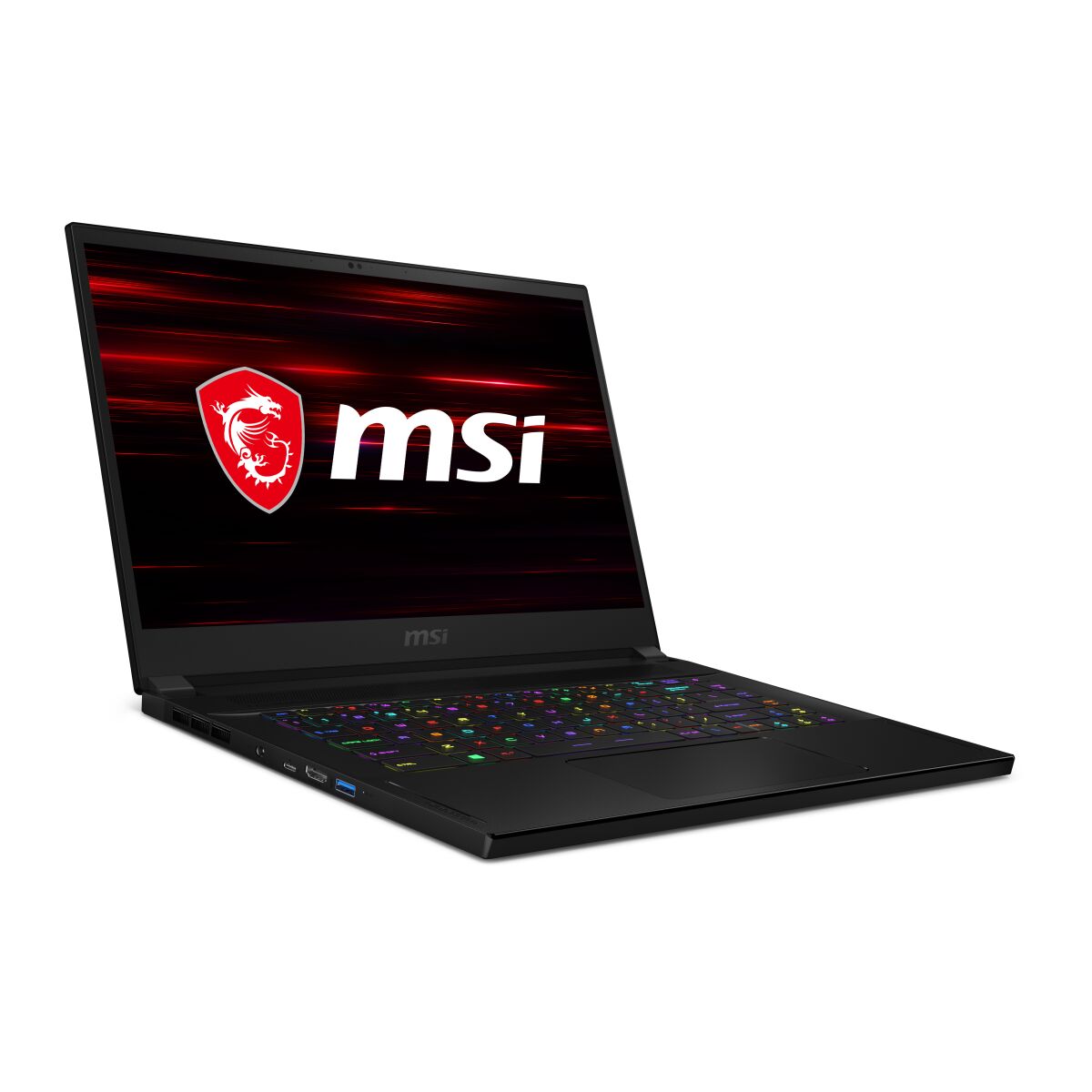


MSI GS66 10SE-482IT Stealth gaming laptop RAM upgrade specifications. Laptop features 2x SO-DIMM memory slots supporting DDR4-SDRAM modules. Maximum memory capacity reaches 64 GB when both slots are fully populated. Compatible memory operates at 3200 MHz frequency. Upgrade options allow users to expand existing RAM configuration up to the maximum supported capacity. SO-DIMM form factor specifications ensure compatibility with standard laptop memory modules. Current and future memory upgrades must meet DDR4-SDRAM standards for proper functionality and system compatibility.
Memory Upgrade Specifications
| Specification | Value |
|---|---|
| Memory slots | 2x SO-DIMM |
| Form factor | SO-DIMM |
| Memory type | DDR4-SDRAM |
| Frequency | 3200 MHz |
| Maximum RAM | 64 GB |
| Voltage | 1.2V |
| Number of pins | 260-pin |
| Interface | PC4 |
| PC Speed Rating | PC4-3200 (PC4-25600) |
| Bandwidth | 25.6 GB/s |
| Laptop Release date | 13 September 2020 |
Additional Notes
- The MSI GS66 10SE-482IT Stealth contains 2 SO-DIMM slots operating in dual-channel configuration, which means memory upgrades must occur in matched pairs to maintain symmetric bandwidth delivery and prevent single-channel performance degradation.
- DDR4-3200 modules are commodity components with broad availability across vendors, but compatibility requires verification against the system's SPD profile; non-standard timings or voltage specifications outside JEDEC standards may trigger boot failures or require manual BIOS configuration.
- The 64 GB capacity ceiling reflects the addressing limits of the 10th-generation Intel platform; individual SO-DIMM modules exceeding 32 GB impose practical constraints due to limited manufacturing and significantly elevated component costs relative to pairing 2x32 GB units.
- SO-DIMM form factor requires complete system disassembly and removal of the base panel to access memory slots; this procedure typically voids certain components of the manufacturer warranty if not performed by authorized service centers, though memory upgrades themselves remain warranty-safe operations on this model line.
- Thermal design of the GS66 chassis creates confined airflow paths around the memory area; aftermarket modules with tall heatspreaders may obstruct cooling channels and necessitate removal of thermal components, increasing installation complexity relative to low-profile alternatives.
- The 3200 MHz standard frequency represents the optimal operating point for 10th-generation Intel integrated and discrete graphics; overclocked memory modules offer minimal real-world performance improvement in gaming scenarios and introduce stability risks on this platform generation.