MSI Gaming GS66 10SGS-441 Stealth RAM upgrade specifications
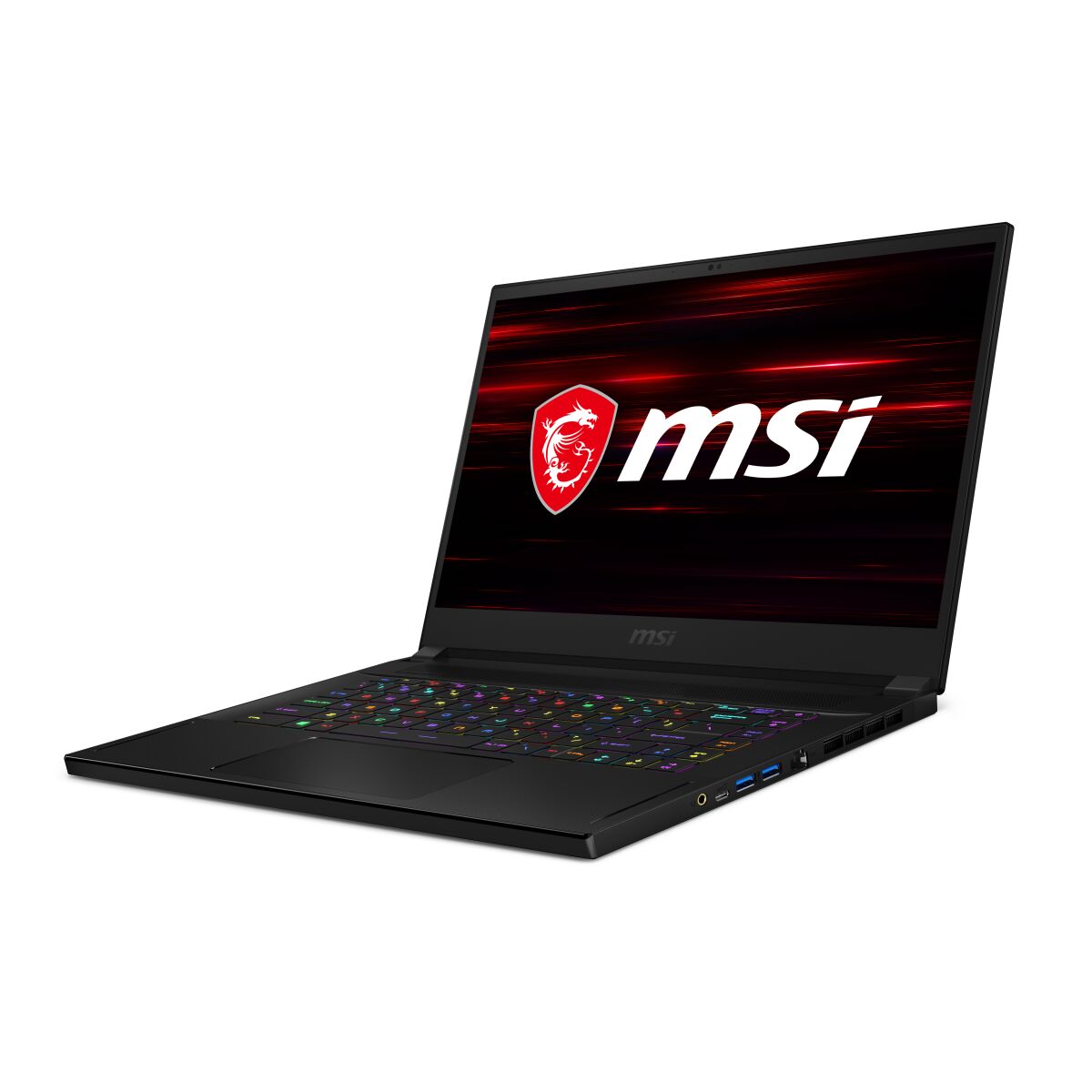
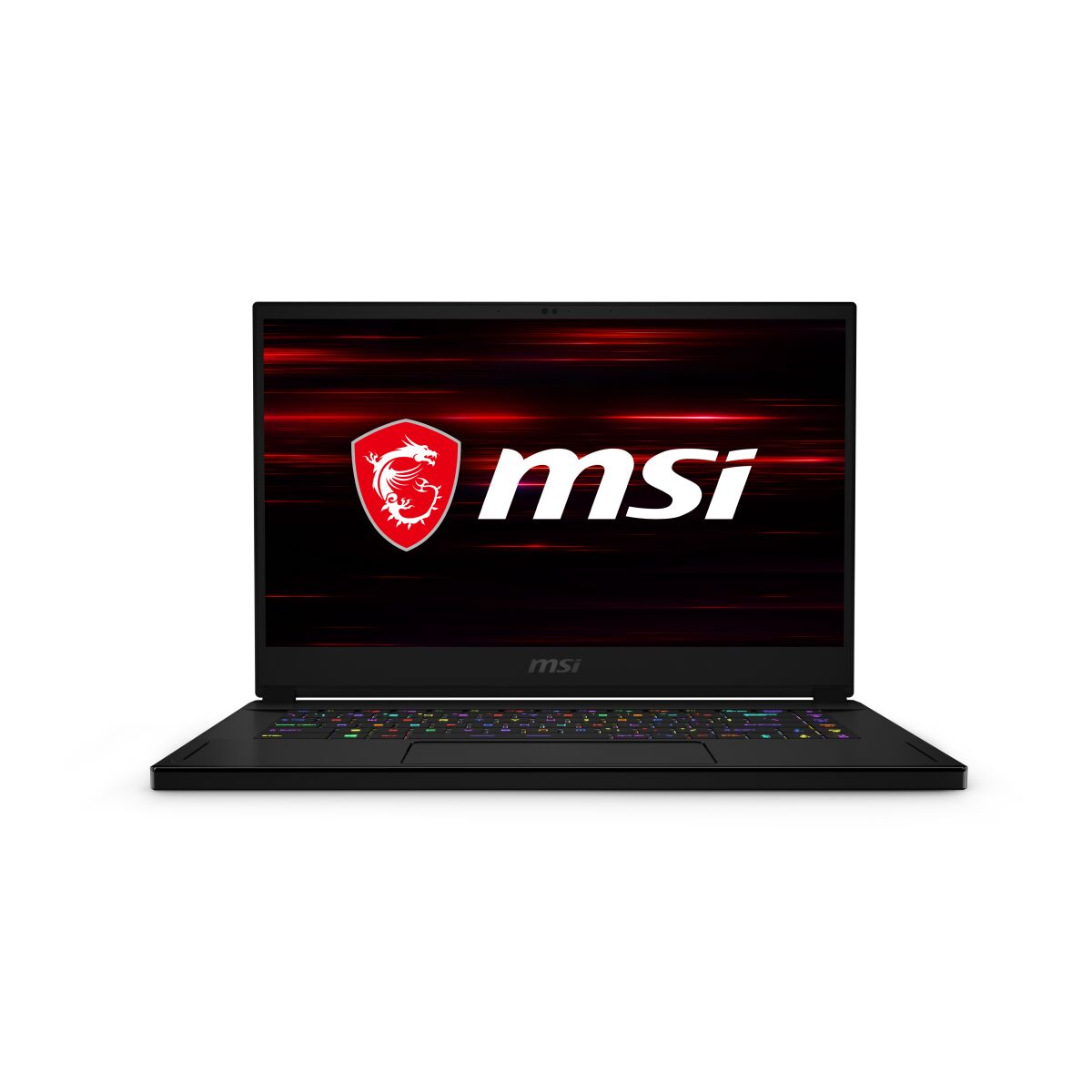
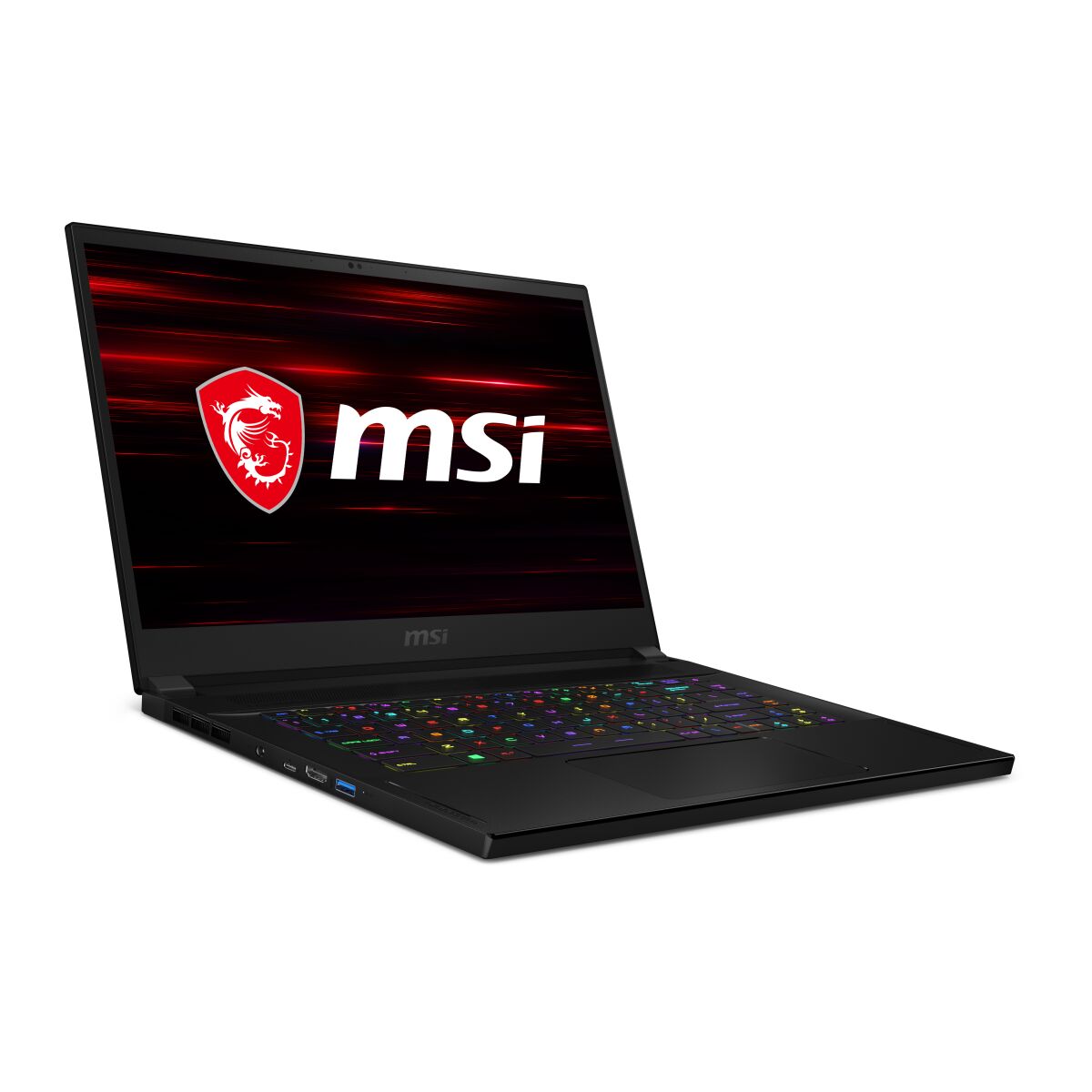
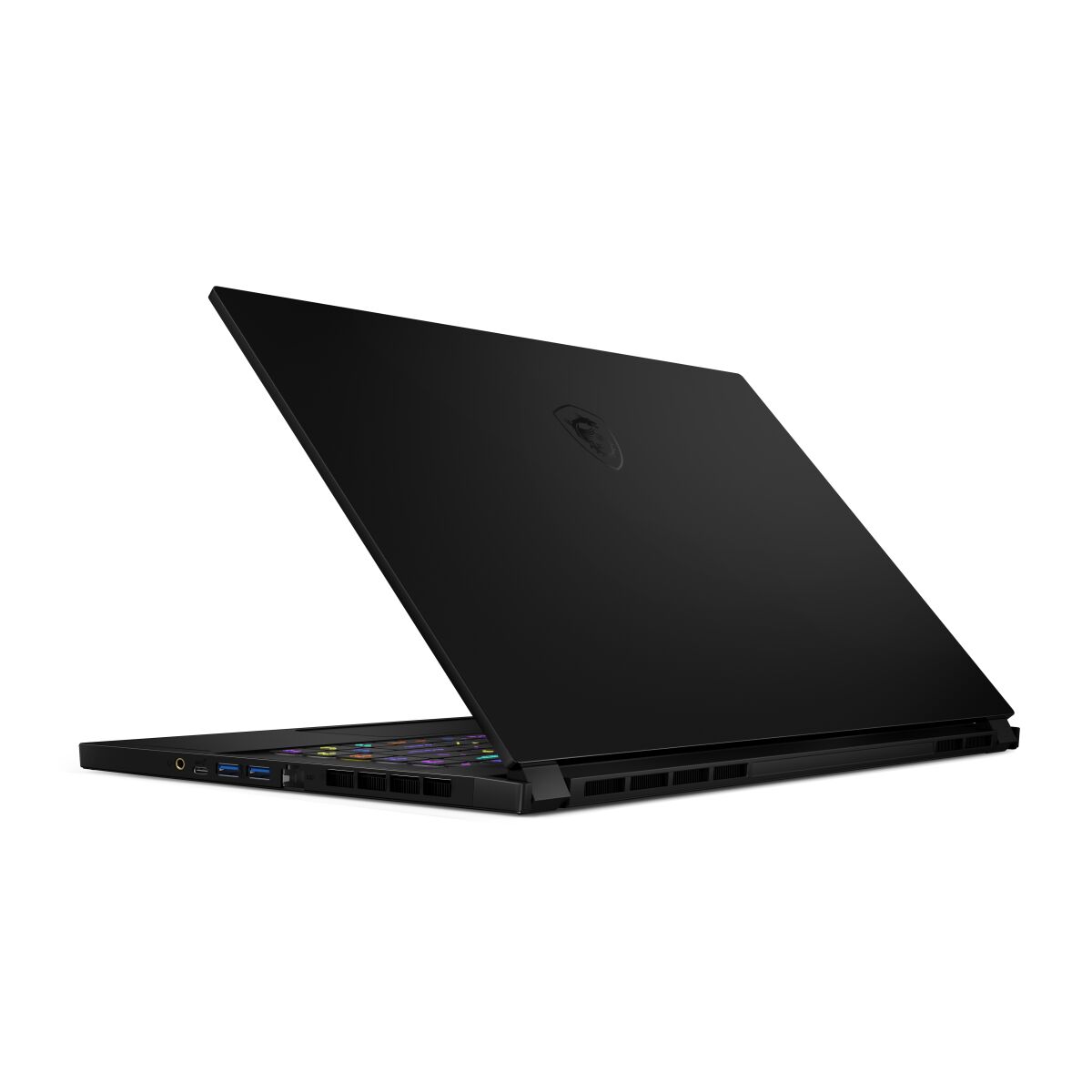
The MSI GS66 10SGS-441 Stealth gaming laptop contains two SO-DIMM memory slots supporting DDR4-SDRAM upgrades. The system accommodates maximum RAM capacity of 64 GB with compatible modules operating at 3200 MHz frequency. Memory upgrade specifications enable expansion of the existing DDR4 memory configuration to enhance system performance on the GS Series model.
Memory Upgrade Specifications
| Specification | Value |
|---|---|
| Memory slots | 2x SO-DIMM |
| Form factor | SO-DIMM |
| Memory type | DDR4-SDRAM |
| Frequency | 3200 MHz |
| Maximum RAM | 64 GB |
| Voltage | 1.2V |
| Number of pins | 260-pin |
| Interface | PC4 |
| PC Speed Rating | PC4-3200 (PC4-25600) |
| Bandwidth | 25.6 GB/s |
| Laptop Release date | 19 April 2021 |
Additional Notes
- The MSI GS66 10SGS-441 Stealth supports dual-channel memory architecture, which doubles bandwidth compared to single-channel configurations and is essential for sustained gaming performance at high frame rates.
- SO-DIMM form factor limits upgrade options to laptop-specific memory modules; desktop DDR4 DIMM modules are physically incompatible and will not fit the available slots.
- The 3200 MHz specification represents the validated speed tier for this generation; memory modules rated above 3200 MHz may function but operate at reduced frequency, negating speed premiums without warranty protection.
- Maximum capacity of 64 GB requires both slots populated with 32 GB modules; single-slot upgrades cannot reach the theoretical ceiling, forcing a complete module replacement strategy for maximum memory expansion.
- DDR4 production phased out in 2021 as DDR5 adoption accelerated; sourcing SO-DIMM DDR4 modules at premium pricing reflects market scarcity and requires early procurement before inventory depletion.
- Filling both SO-DIMM slots generates thermal density in the memory region; passive heat dissipation may be insufficient under sustained workloads, potentially triggering thermal throttling if heatspreader-equipped modules are not selected.
- Asymmetric capacity configurations (mixing 8 GB and 16 GB modules, for example) operate in single-channel mode for the capacity differential, creating performance cliffs during high-demand tasks.