MSI Gaming GS66 10SGS-492FR Stealth RAM upgrade specifications
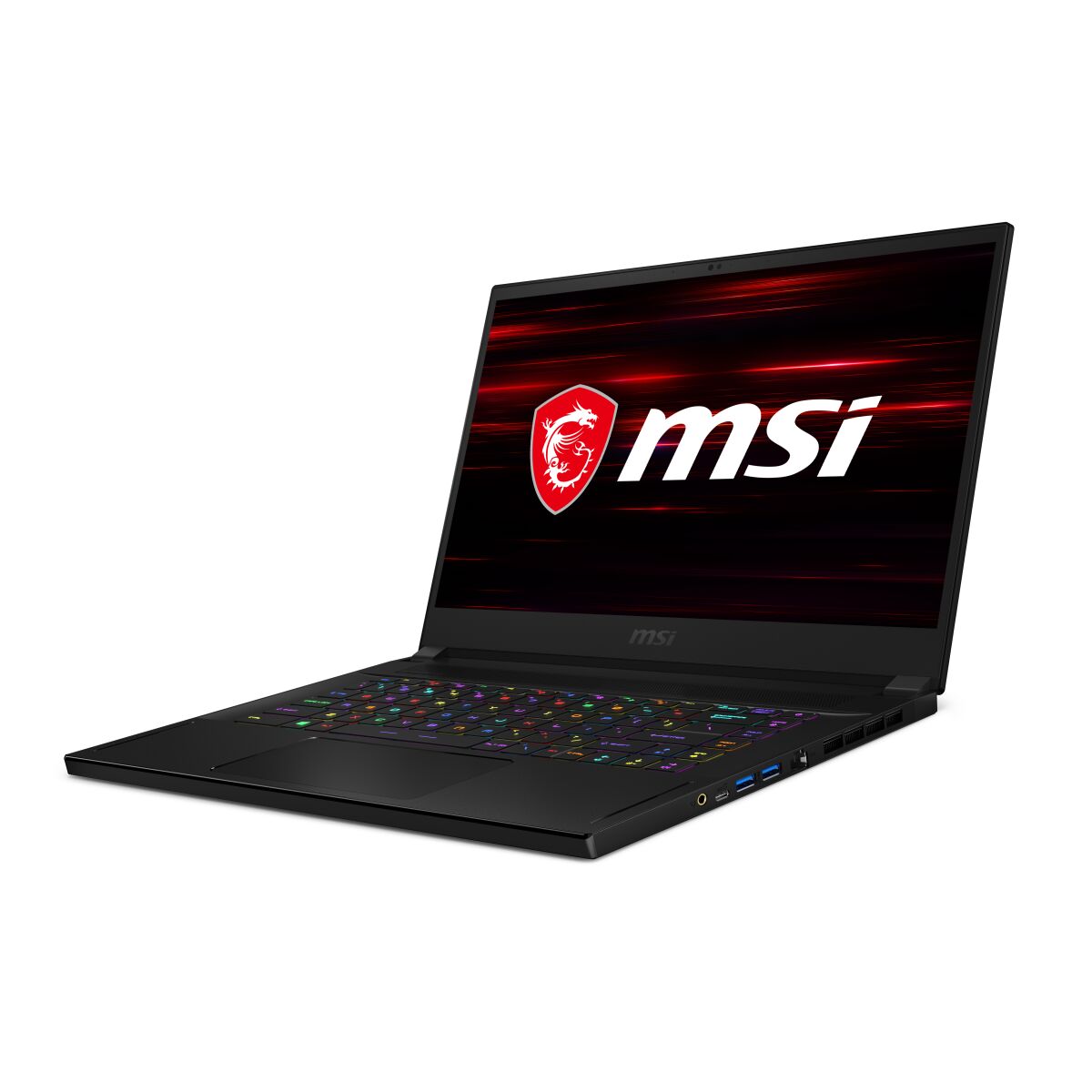
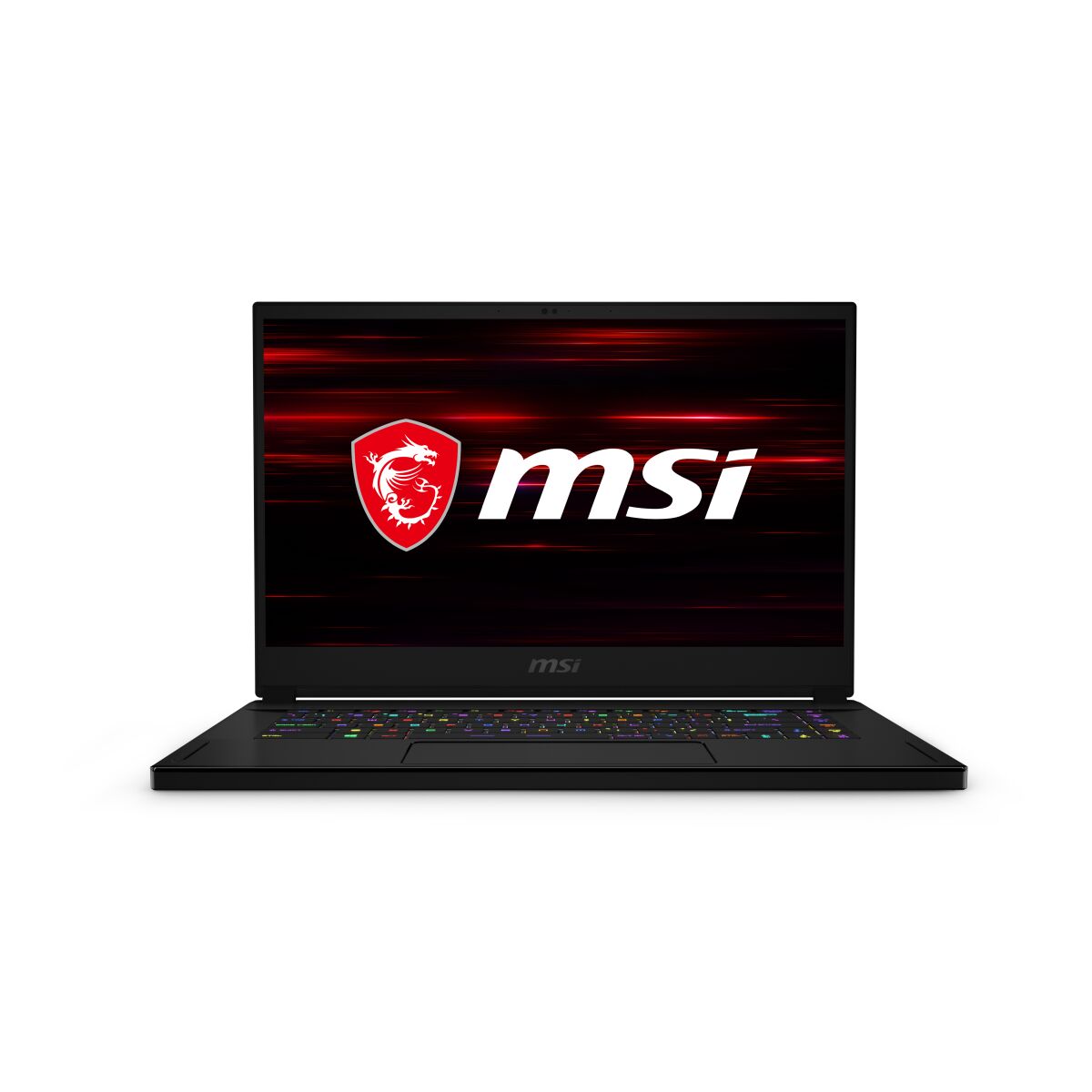
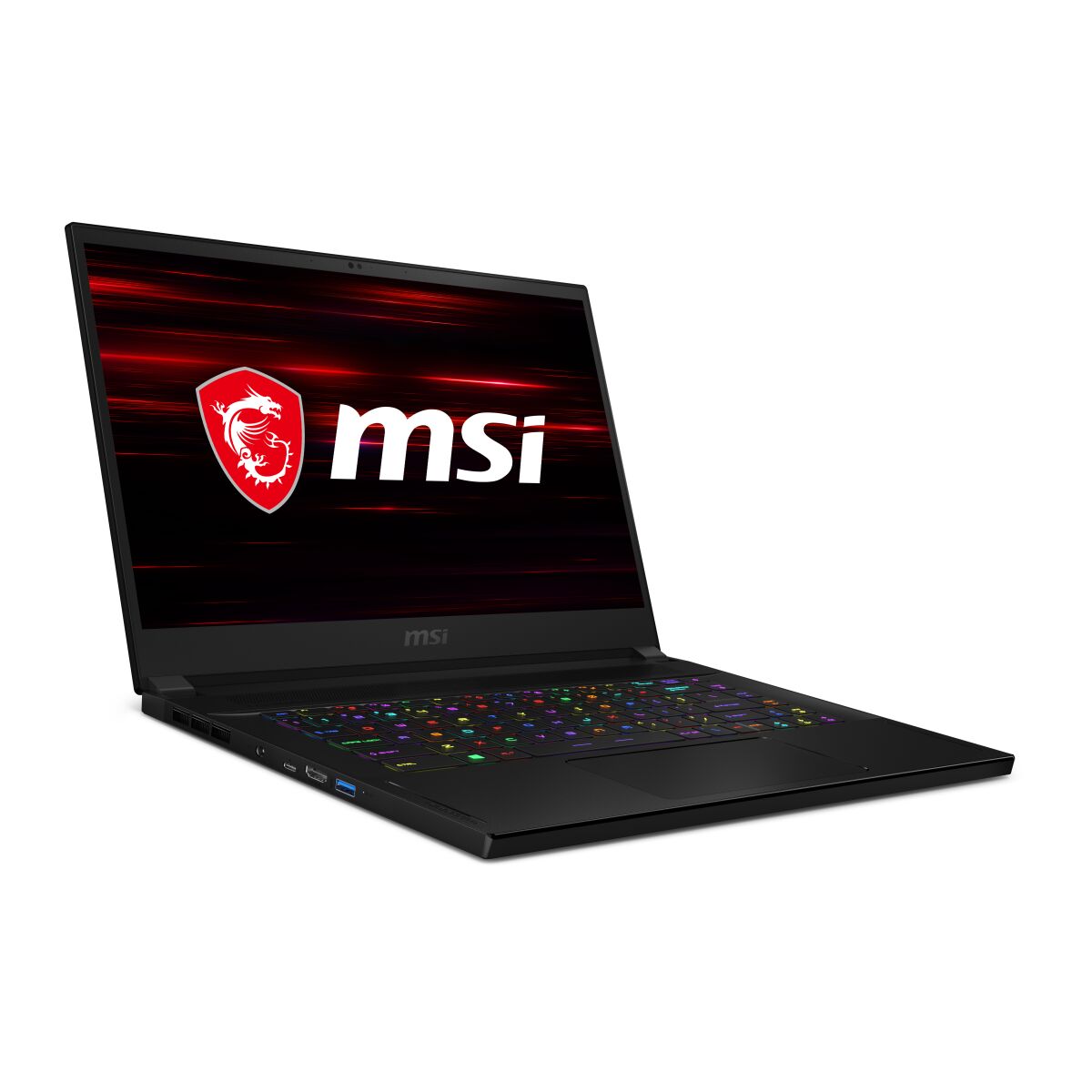

The MSI GS66 10SGS-492FR Stealth gaming laptop supports DDR4-SDRAM memory upgrades across two SO-DIMM slots. The system accommodates a maximum RAM capacity of 64 GB, with compatible memory modules operating at 3200 MHz frequency. Specifications indicate DDR4 SO-DIMM form factor modules are required for upgrade compatibility. The GS66 Stealth series from the MSI Gaming family supports dual-channel memory configuration with expandable upgrade capacity through the available memory slots.
Memory Upgrade Specifications
| Specification | Value |
|---|---|
| Memory slots | 2x SO-DIMM |
| Form factor | SO-DIMM |
| Memory type | DDR4-SDRAM |
| Frequency | 3200 MHz |
| Maximum RAM | 64 GB |
| Voltage | 1.2V |
| Number of pins | 260-pin |
| Interface | PC4 |
| PC Speed Rating | PC4-3200 (PC4-25600) |
| Bandwidth | 25.6 GB/s |
| Laptop Release date | 18 February 2021 |
Additional Notes
- The 10th generation Intel platform in this configuration restricts DDR4 speeds to 3200 MHz regardless of installed module specifications, as the memory controller within the processor enforces this ceiling.
- The 2 slot configuration requires balanced population with identical capacity modules to maintain dual-channel bandwidth, as mismatched capacities force single-channel operation on the excess capacity portion.
- SO-DIMM modules exceeding 32 GB per slot require double-sided configuration with 16 die packages, which may create clearance conflicts with heat spreaders or thermal pads in the cramped chassis design typical of gaming ultraportables.
- Non-volatile memory support depends on JEDEC SPD profiles rather than XMP, as MSI BIOS implementations in this product line typically disable enthusiast overclocking features to preserve thermal and power envelopes.
- Upgrading beyond factory-installed capacity voids certain regional warranty coverage unless performed by authorized service centers, particularly in European markets where the FR suffix indicates French distribution channels.
- The 64 GB maximum reflects both chipset addressing limits and physical slot count, making future expansion beyond this threshold impossible without motherboard replacement.
- Mixing module ranks between slots introduces latency penalties of approximately 5-8 nanoseconds as the memory controller adds wait states to synchronize access across asymmetric configurations.
- Thermal throttling becomes more probable with maximum capacity installations, as populated slots increase localized heat density in the area between the keyboard deck and primary cooling assembly.
- CAS latency specifications below CL22 provide negligible real-world performance gains in this platform generation, as the integrated GPU and CPU cache hierarchy mask sub-nanosecond timing differences in gaming workloads.