MSI Gaming GS66 10UE-223IT Stealth RAM upgrade specifications
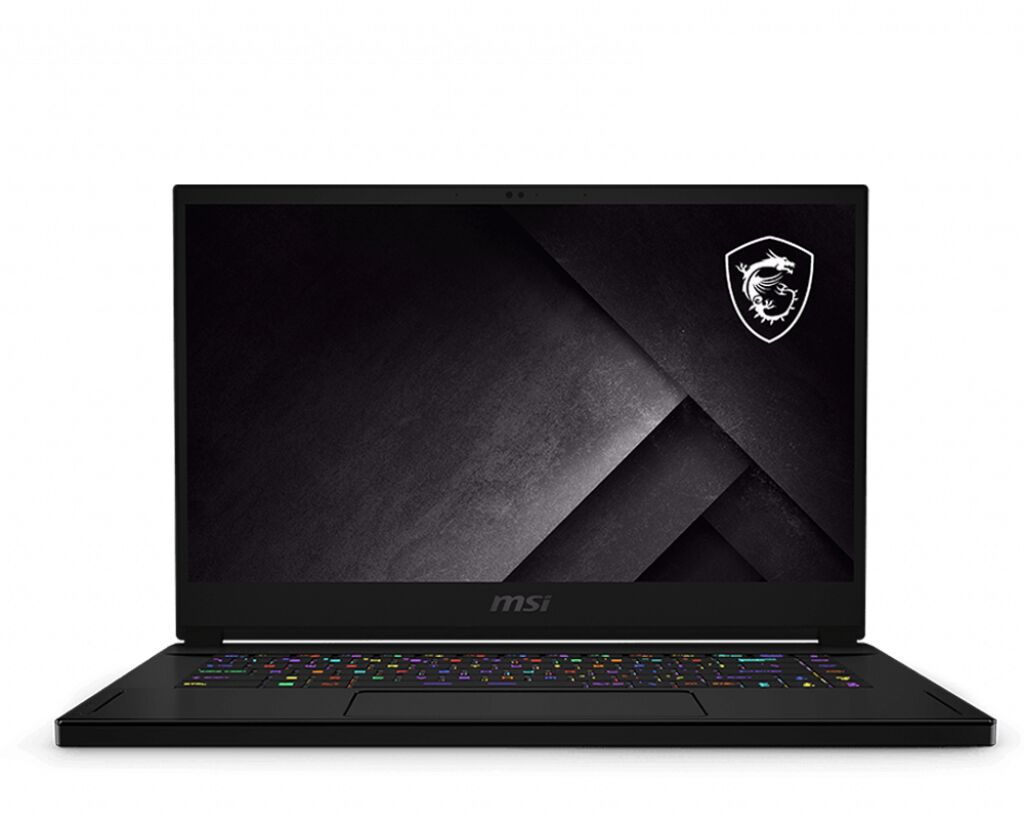
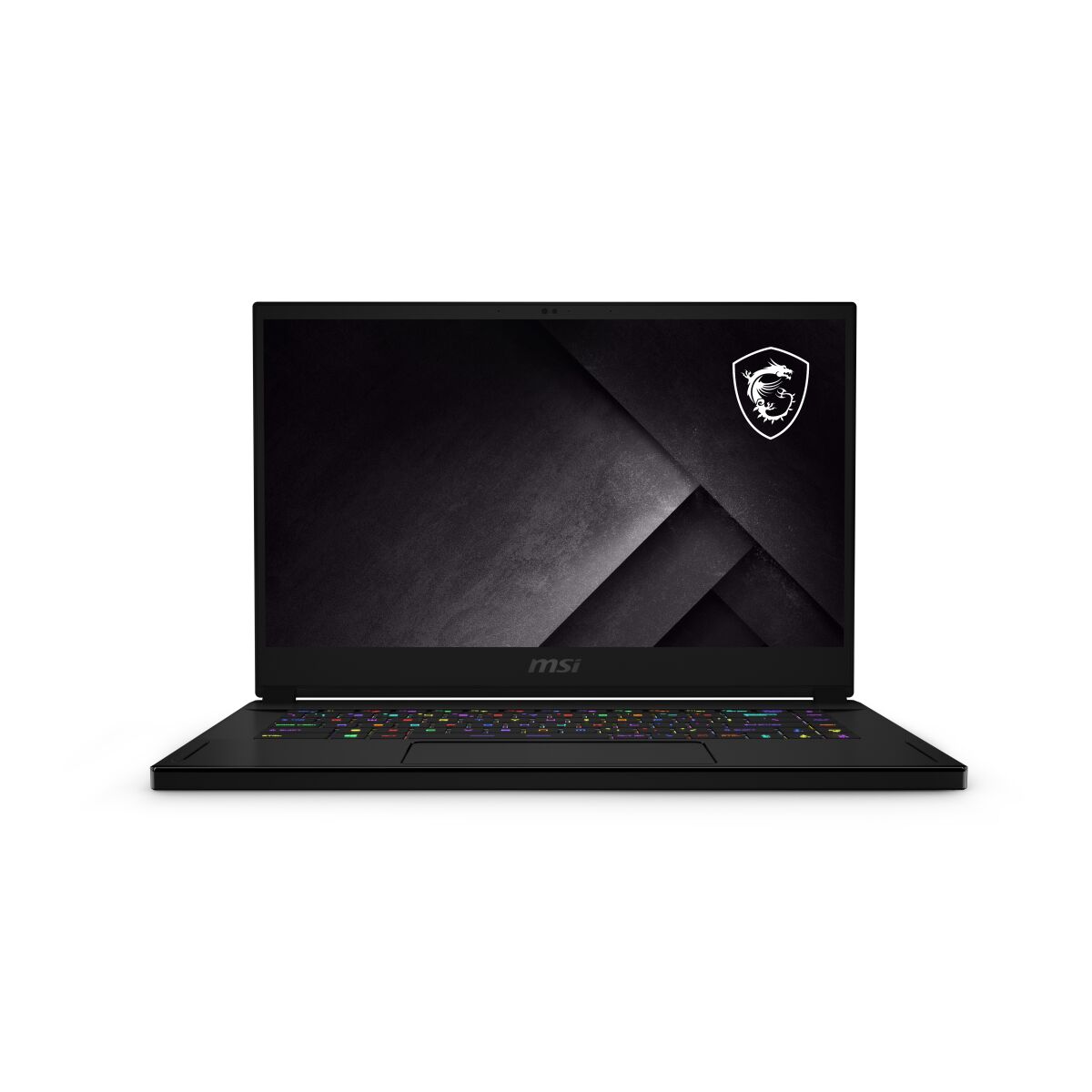
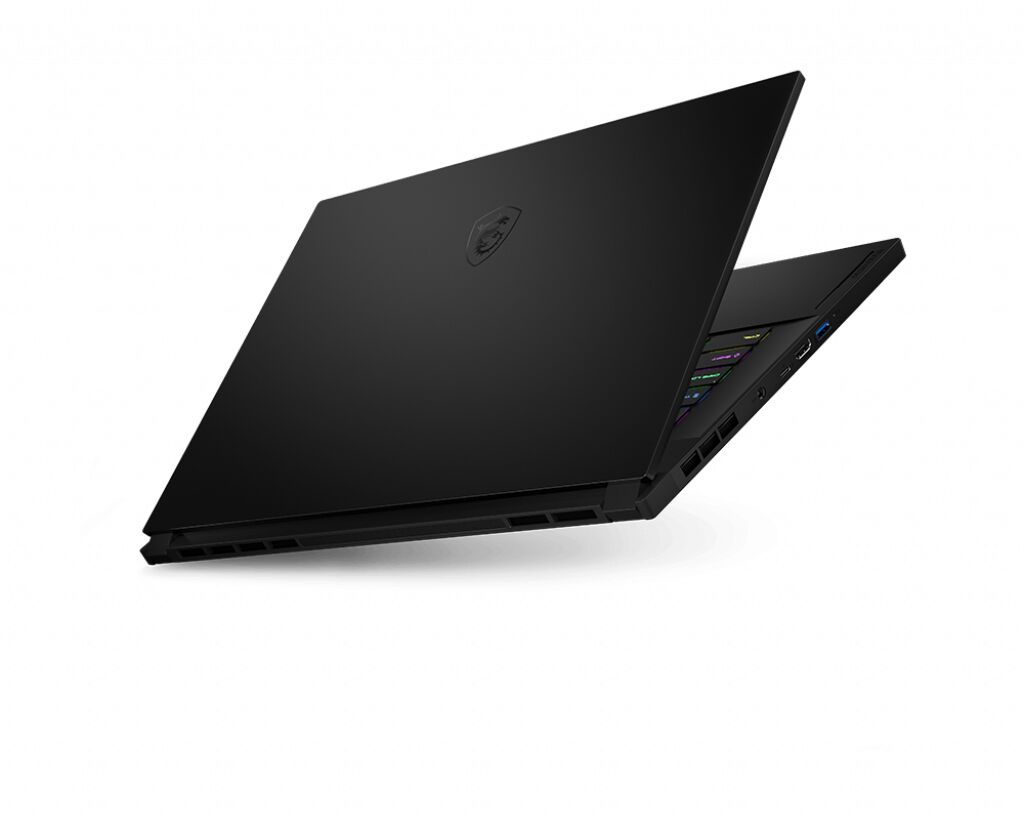
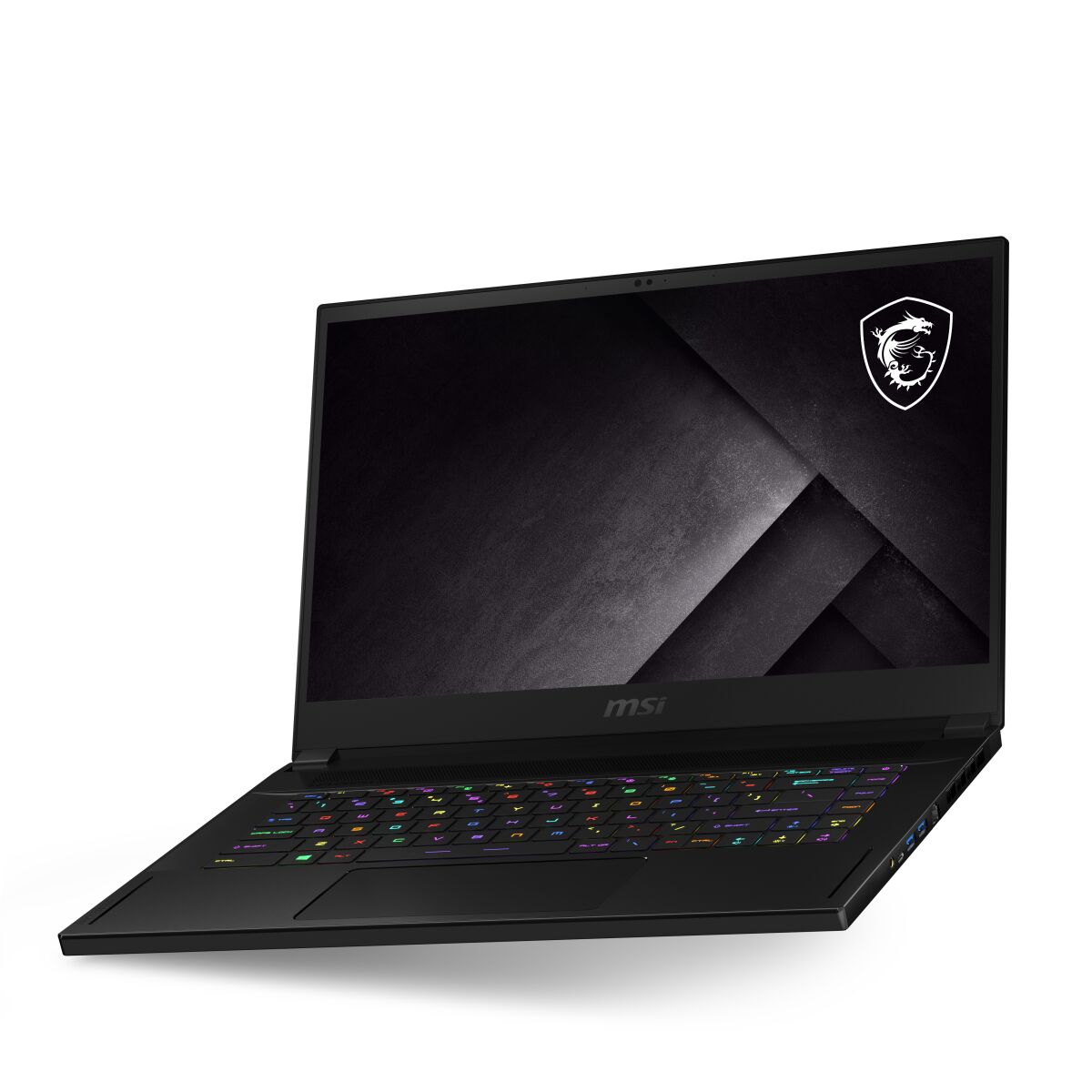
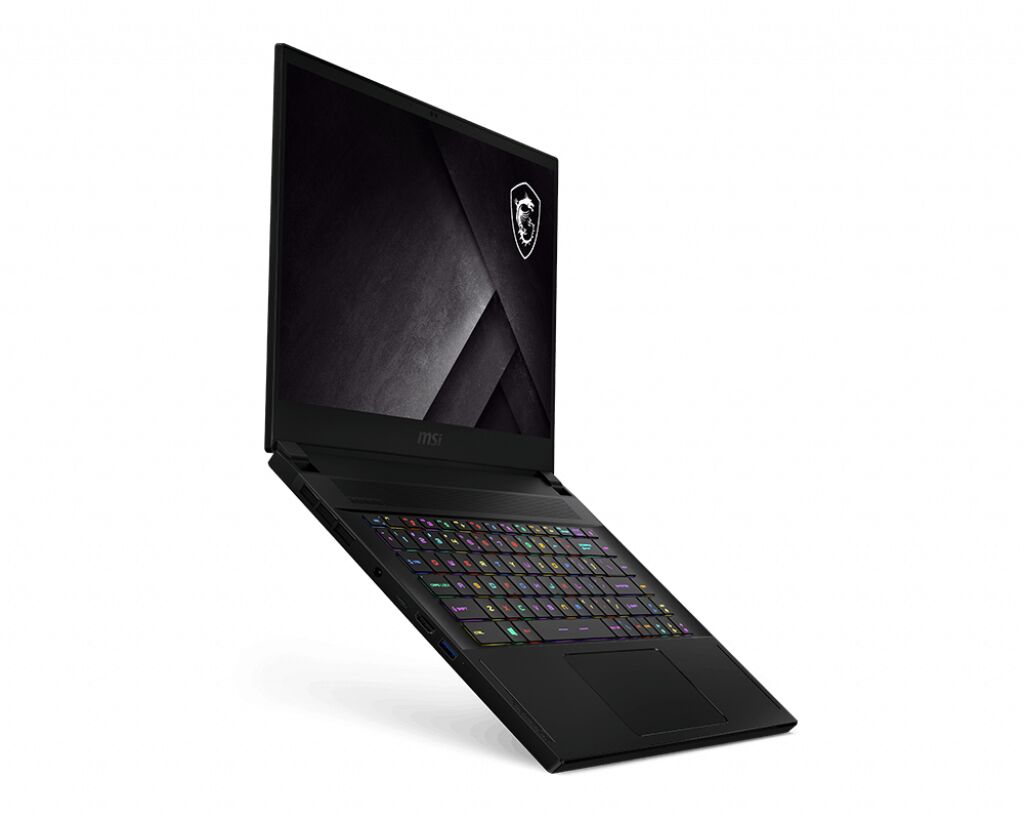
MSI GS66 10UE-223IT Stealth gaming laptop supports DDR4-SDRAM memory upgrade through two SO-DIMM slots. Compatible memory modules operate at 3200 MHz frequency with SO-DIMM form factor. Maximum RAM capacity reaches 64 GB total. Upgrade specifications enable memory expansion from factory configuration to maximum supported capacity. MSI GS Series gaming laptop memory upgrade requires DDR4-SDRAM modules meeting slot and frequency specifications for compatible installation.
Memory Upgrade Specifications
| Specification | Value |
|---|---|
| Memory slots | 2x SO-DIMM |
| Form factor | SO-DIMM |
| Memory type | DDR4-SDRAM |
| Frequency | 3200 MHz |
| Maximum RAM | 64 GB |
| Voltage | 1.2V |
| Number of pins | 260-pin |
| Interface | PC4 |
| PC Speed Rating | PC4-3200 (PC4-25600) |
| Bandwidth | 25.6 GB/s |
| Laptop Release date | 01 February 2021 |
Additional Notes
- The SO-DIMM slot configuration restricts upgrades to laptop-specific memory modules, preventing the use of standard desktop DIMM components regardless of matching technical specifications.
- The 64 GB ceiling requires 2 modules of 32 GB each, limiting configuration flexibility compared to systems with 4 slots where the same capacity can be distributed across smaller modules.
- Accessing both SO-DIMM slots in this MSI Gaming GS66 10UE-223IT Stealth typically requires complete bottom panel removal rather than dedicated access hatches, increasing installation complexity and potential warranty concerns.
- DDR4-3200 operation depends on Intel 10th generation chipset support and proper BIOS configuration, as the memory controller may default to lower JEDEC speeds without XMP profile activation.
- Single-rank versus dual-rank architecture in 32 GB SO-DIMM modules affects memory bandwidth, with dual-rank configurations delivering measurably higher throughput in gaming workloads despite identical frequency ratings.
- The 3200 MHz specification represents the maximum supported frequency, meaning faster modules will function but downclock to this threshold, offering no performance advantage over native 3200 MHz components.
- Mixed-capacity configurations such as pairing 16 GB with 32 GB modules disable dual-channel operation above the matched portion, creating asymmetric bandwidth allocation that impacts performance consistency.
- CAS latency variations among DDR4-3200 modules produce different effective latencies, with CL22 modules exhibiting approximately 13.75 nanoseconds versus 12.5 nanoseconds for CL20 variants at identical frequencies.
- Operating voltage must remain within 1.2V standard DDR4 specification to maintain thermal envelopes in compact gaming chassis, ruling out high-voltage enthusiast modules designed for desktop overclocking.
- The 2-slot limit means capacity upgrades necessitate complete replacement of existing modules rather than supplemental installation, affecting total ownership cost when scaling from factory configurations.