MSI Gaming GS66 10UH-299FR Stealth RAM upgrade specifications
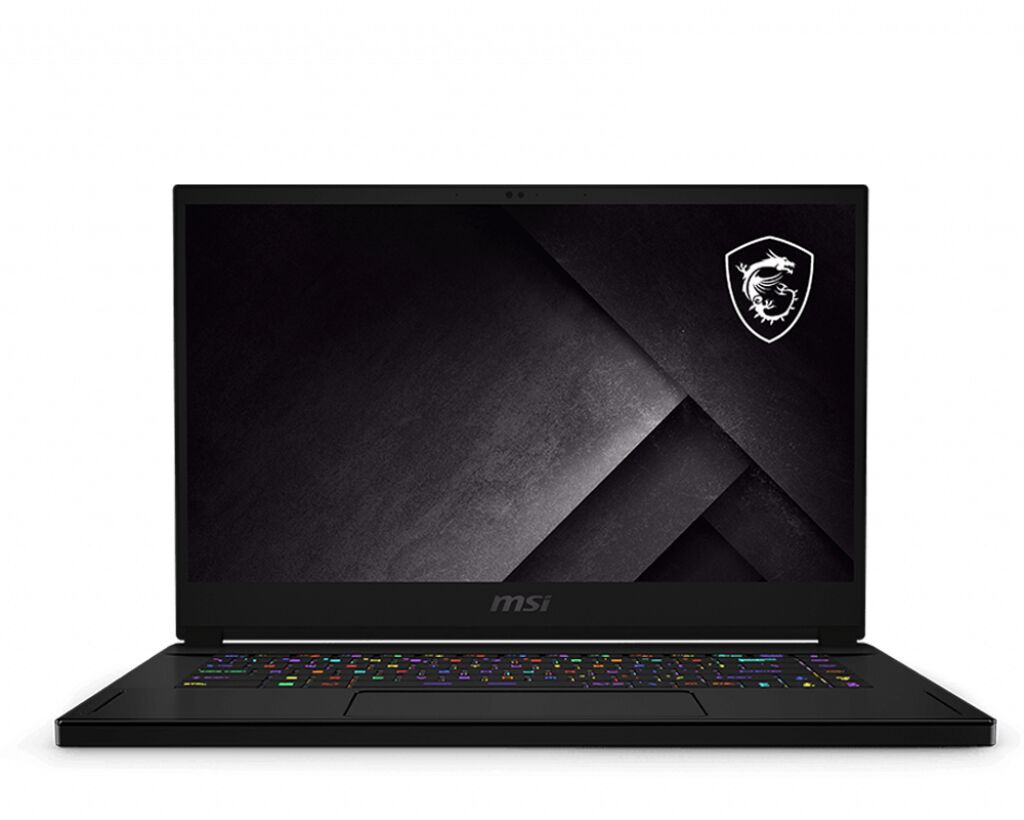
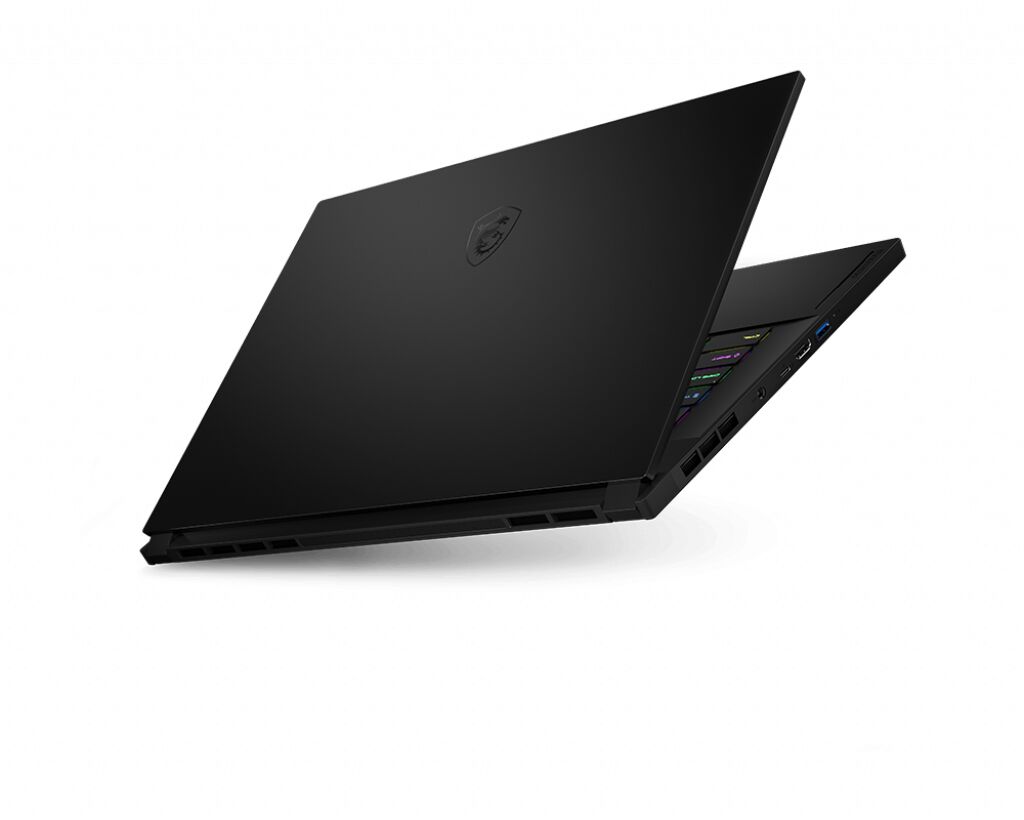
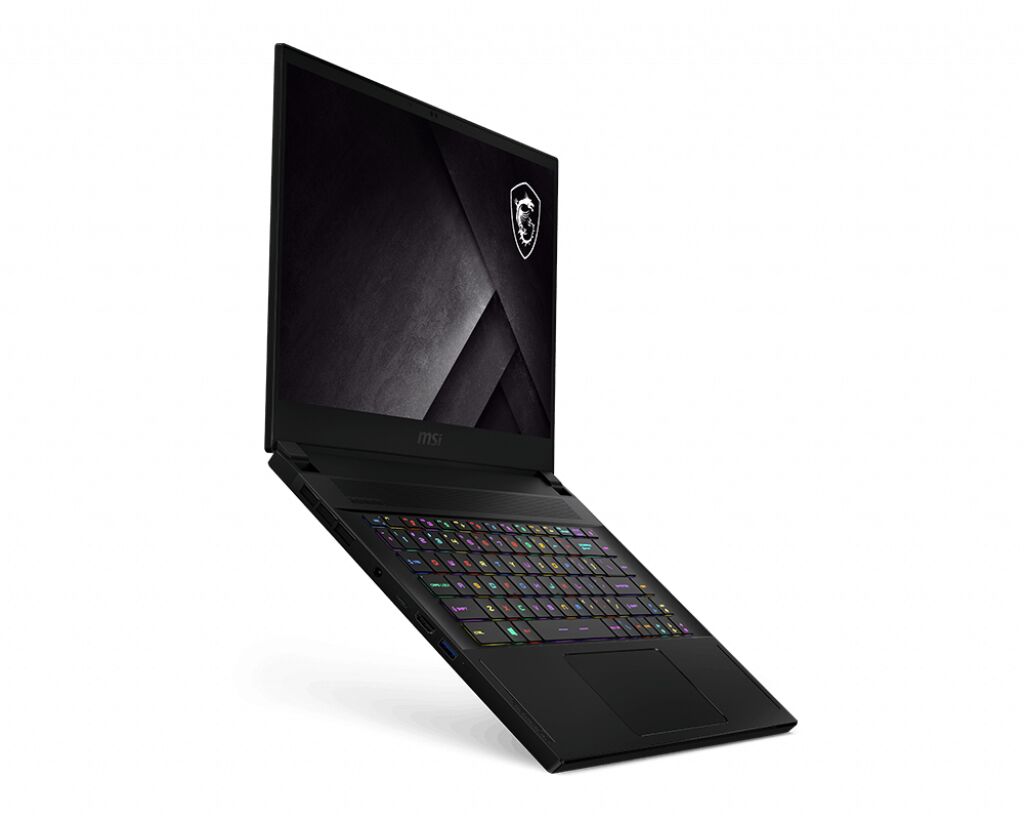
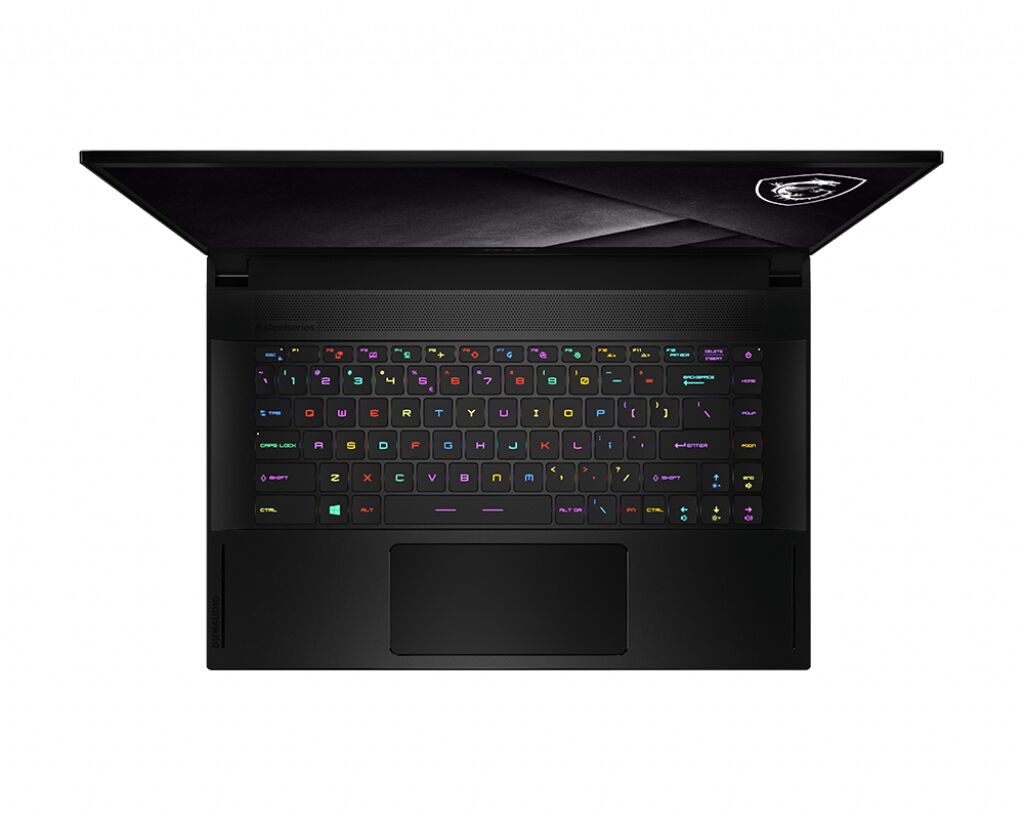
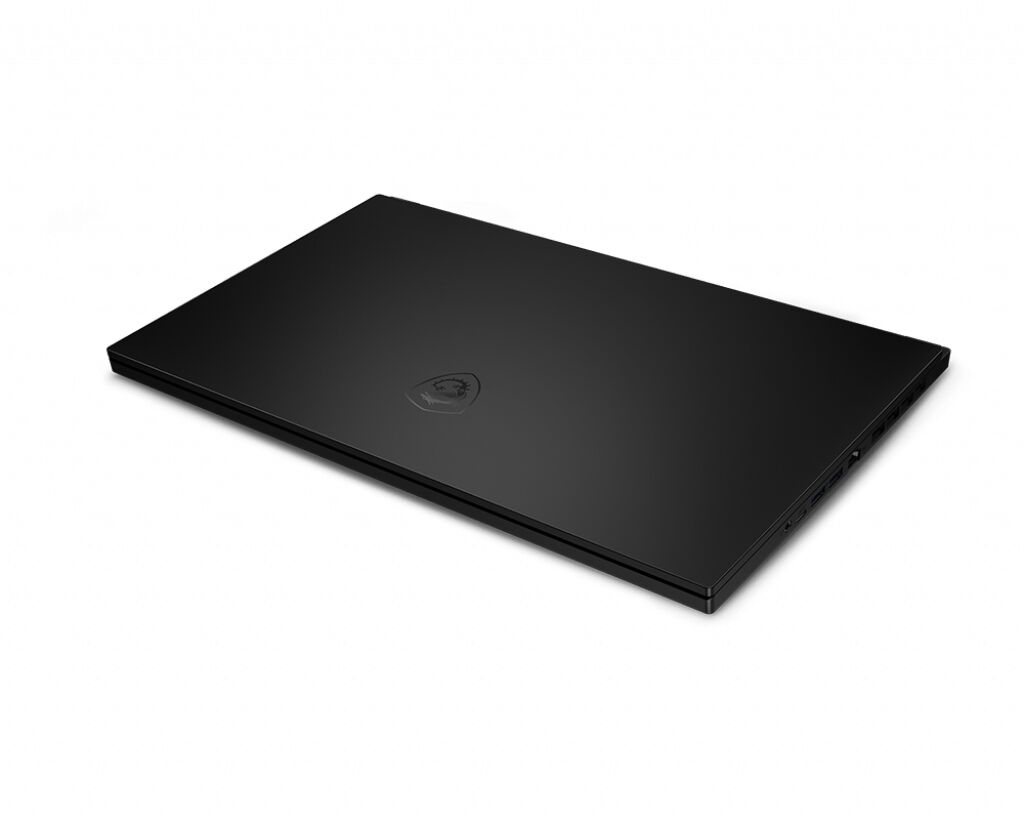
MSI GS66 10UH-299FR Stealth Gaming series laptop features DDR4-SDRAM memory upgrade specifications. The system contains 2x SO-DIMM slots supporting maximum RAM capacity of 64 GB. Compatible DDR4 modules operate at 3200 MHz frequency. Memory upgrades utilize SO-DIMM form factor modules. The GS66 10UH-299FR Stealth supports dual-channel memory configuration for enhanced performance specifications.
Memory Upgrade Specifications
| Specification | Value |
|---|---|
| Memory slots | 2x SO-DIMM |
| Form factor | SO-DIMM |
| Memory type | DDR4-SDRAM |
| Frequency | 3200 MHz |
| Maximum RAM | 64 GB |
| Voltage | 1.2V |
| Number of pins | 260-pin |
| Interface | PC4 |
| PC Speed Rating | PC4-3200 (PC4-25600) |
| Bandwidth | 25.6 GB/s |
| Laptop Release date | 28 January 2021 |
Additional Notes
- The dual SO-DIMM configuration permits independent module replacement, enabling incremental upgrades without mandatory paired purchases.
- DDR4-3200 operation requires CPU and chipset compatibility with JEDEC or XMP profiles to maintain advertised frequency under load conditions.
- Reaching the 64 GB ceiling mandates two 32 GB modules, as this platform architecture does not support higher-density single modules.
- Non-matching module speeds will force the memory controller to downclock all installed RAM to the lowest common frequency.
- SO-DIMM physical clearance in the MSI GS66 10UH-299FR Stealth typically allows standard-height modules, though low-profile variants eliminate potential thermal interface interference.
- Mixing CAS latencies across slots may trigger stability issues or force the system to apply conservative timings across both channels.
- Single-channel operation with one populated slot will halve memory bandwidth compared to dual-channel configurations, impacting integrated graphics performance and memory-intensive applications.
- Non-ECC unbuffered modules are required, as SO-DIMM form factor consumer platforms reject registered or error-correcting memory architectures.
- Voltage specifications beyond standard 1.2V DDR4 tolerances may conflict with mobile platform power delivery limitations and thermal envelopes.
- Accessing the memory compartment generally preserves warranty coverage on gaming laptops, unlike sealed ultraportable designs with soldered memory arrays.
- Frequency scaling beyond 3200 MHz depends on motherboard BIOS support for overclocking profiles, which mobile platforms rarely expose compared to desktop equivalents.