MSI Gaming GS66 10UH-091 Stealth RAM upgrade specifications
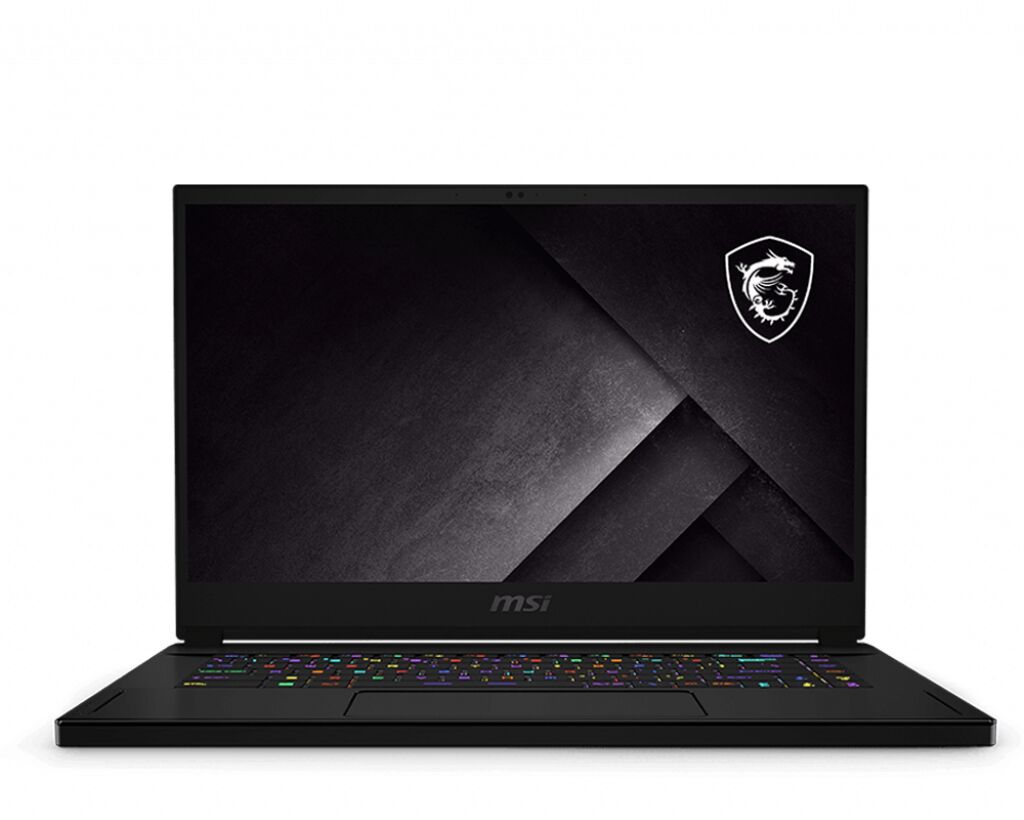
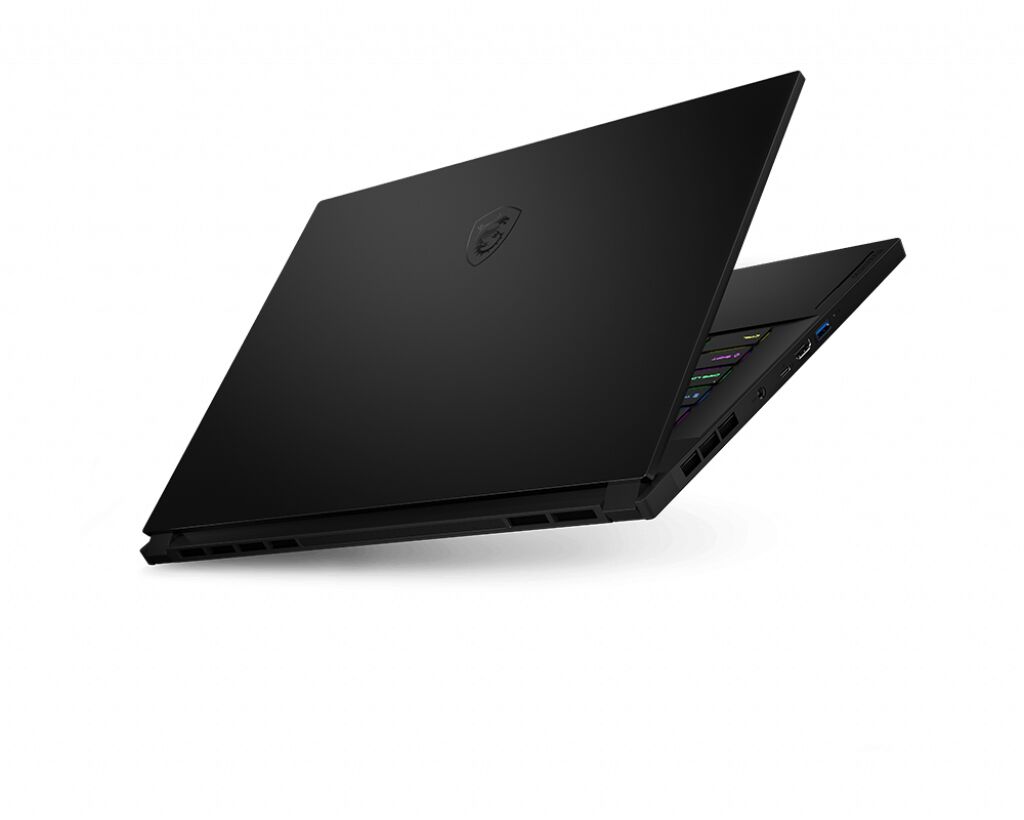
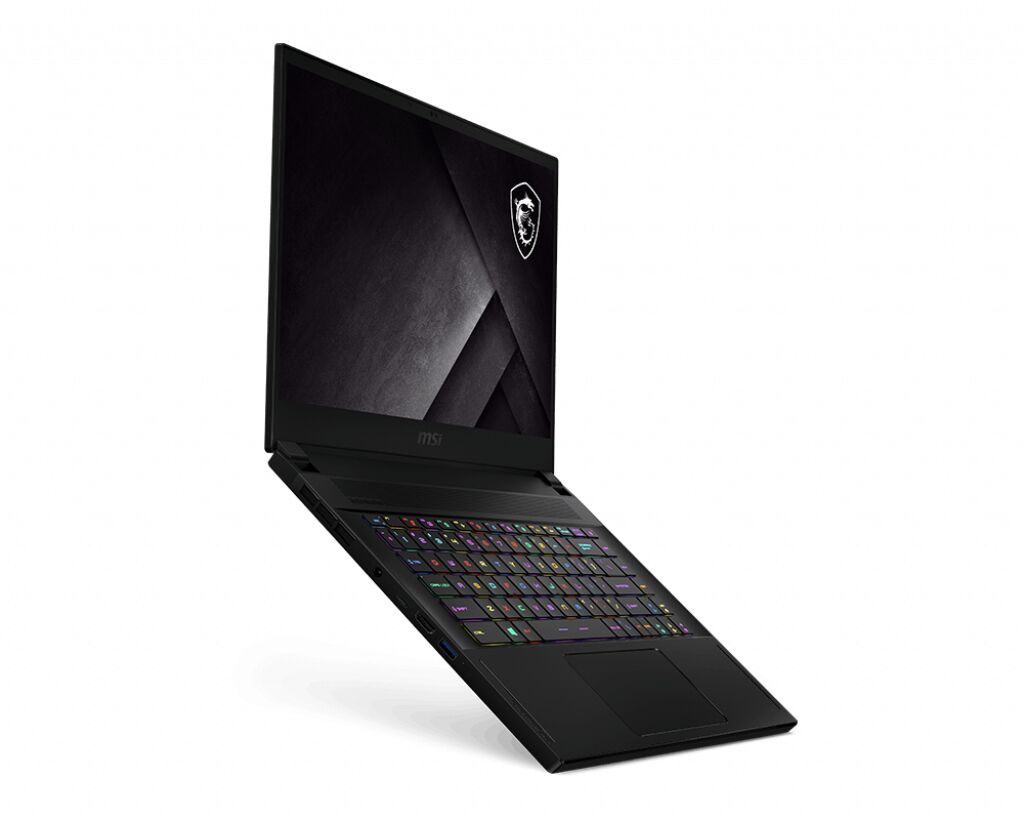
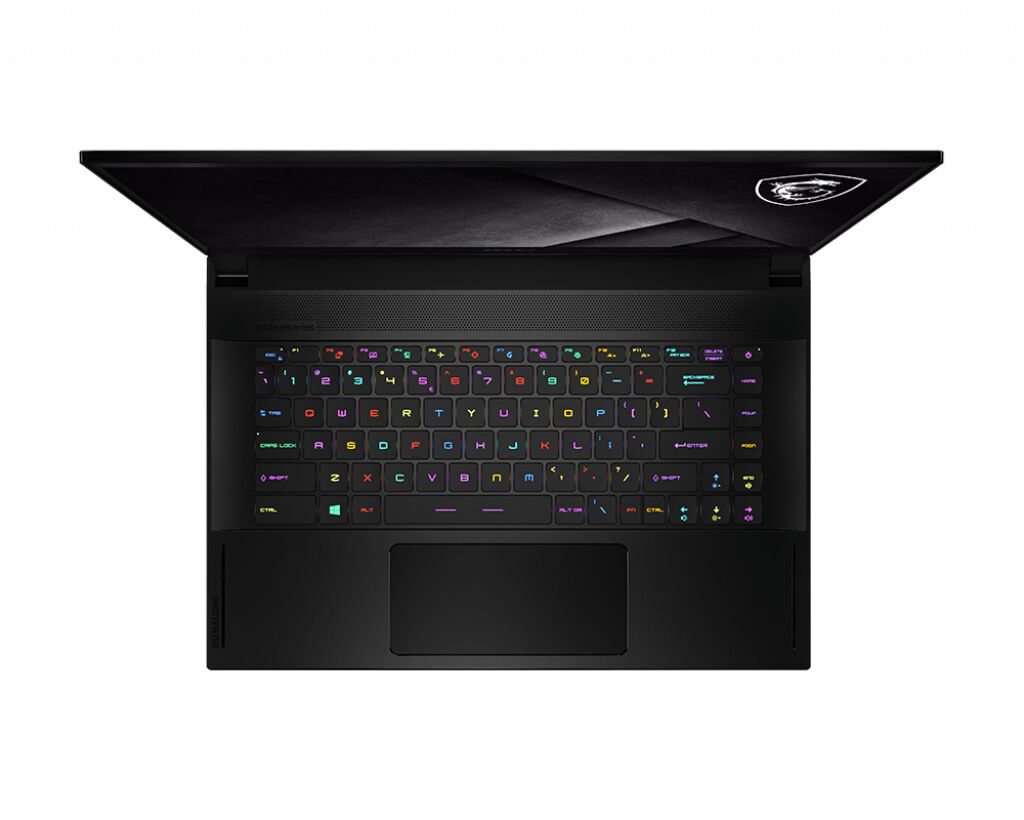
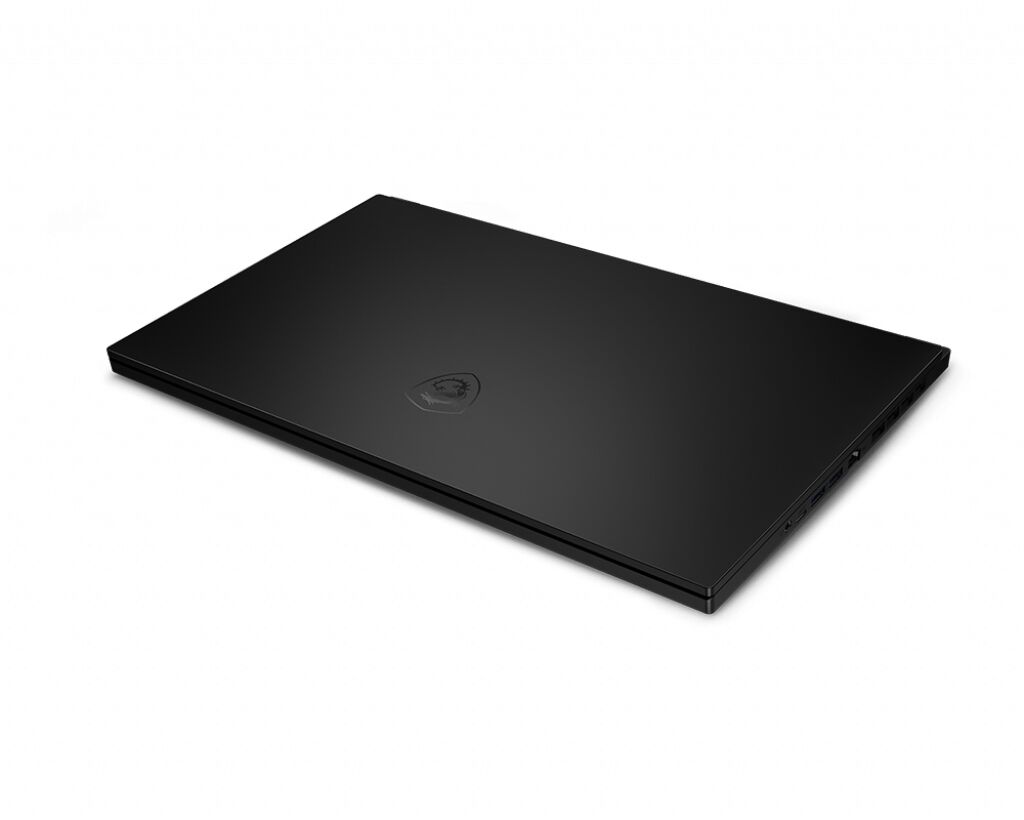
MSI GS66 10UH-091 Stealth Gaming series laptop features DDR4-SDRAM memory upgrade capacity. The device contains 2x SO-DIMM slots for memory expansion. Maximum compatible RAM capacity reaches 64 GB total. Memory modules operate at 3200 MHz frequency specifications. Upgrade specifications support SO-DIMM form factor components. The GS66 Stealth model accommodates DDR4 memory modules in dual-slot configuration for enhanced RAM capacity and system performance upgrades.
Memory Upgrade Specifications
| Specification | Value |
|---|---|
| Memory slots | 2x SO-DIMM |
| Form factor | SO-DIMM |
| Memory type | DDR4-SDRAM |
| Frequency | 3200 MHz |
| Maximum RAM | 64 GB |
| Voltage | 1.2V |
| Number of pins | 260-pin |
| Interface | PC4 |
| PC Speed Rating | PC4-3200 (PC4-25600) |
| Bandwidth | 25.6 GB/s |
| Laptop Release date | 28 January 2021 |
Additional Notes
- The MSI GS66 10UH-091 Stealth uses SO-DIMM slots, which are laptop-specific modules incompatible with standard desktop DDR4 DIMMs. Replacement modules must match this form factor exactly.
- With 2 slots supporting maximum 64 GB total capacity, upgrading beyond 32 GB per slot requires matching pairs to maintain dual-channel performance. Single-module upgrades will operate in single-channel mode, reducing memory bandwidth efficiency by approximately 50 percent.
- The 3200 MHz frequency specification indicates 10th-generation Intel processor compatibility. Mixing lower-frequency modules (2666 MHz, 2933 MHz) will cause all memory to downclock to the slowest module's speed, negating performance gains from higher-capacity upgrades.
- SO-DIMM slots in thin-profile gaming laptops often have minimal clearance. Modules with tall heat spreaders or profiles exceeding 32 millimeters may contact the keyboard assembly or internal components, preventing proper seating even if electrically compatible.
- Memory upgrades bypass manufacturer warranty restrictions on this model when performed by end users, as DDR4 SO-DIMMs are user-replaceable components. However, mixing non-OEM modules may void support for memory-related hardware failures.
- The gap between current paired configurations (8 GB or 16 GB) and the 64 GB maximum creates a ceiling constraint. Upgrading to 32 GB total requires purchasing 2x 16 GB modules; intermediate steps to 24 GB or 40 GB are inefficient due to the dual-slot architecture.