MSI Gaming GS73 7RE(Stealth Pro)-020FR RAM upgrade specifications



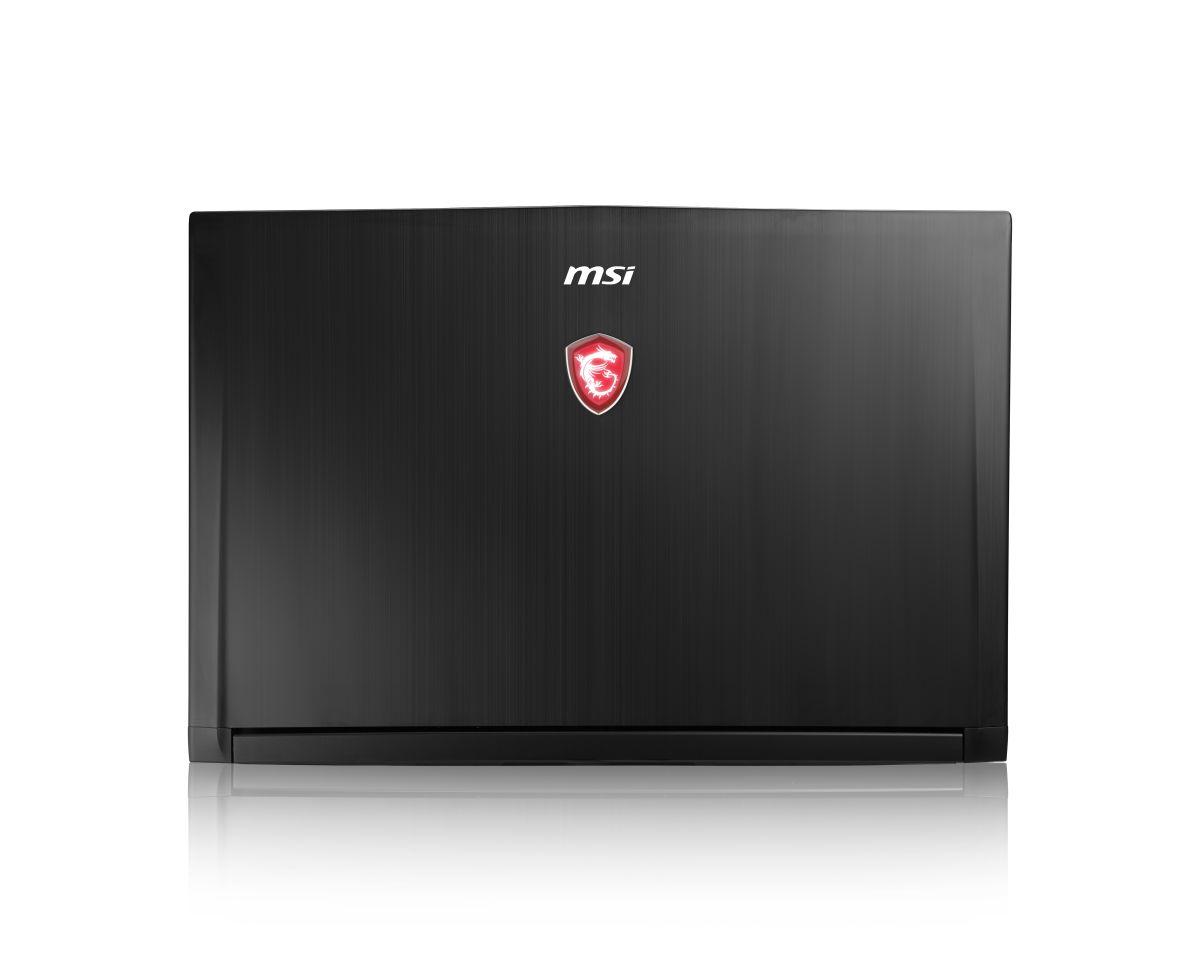
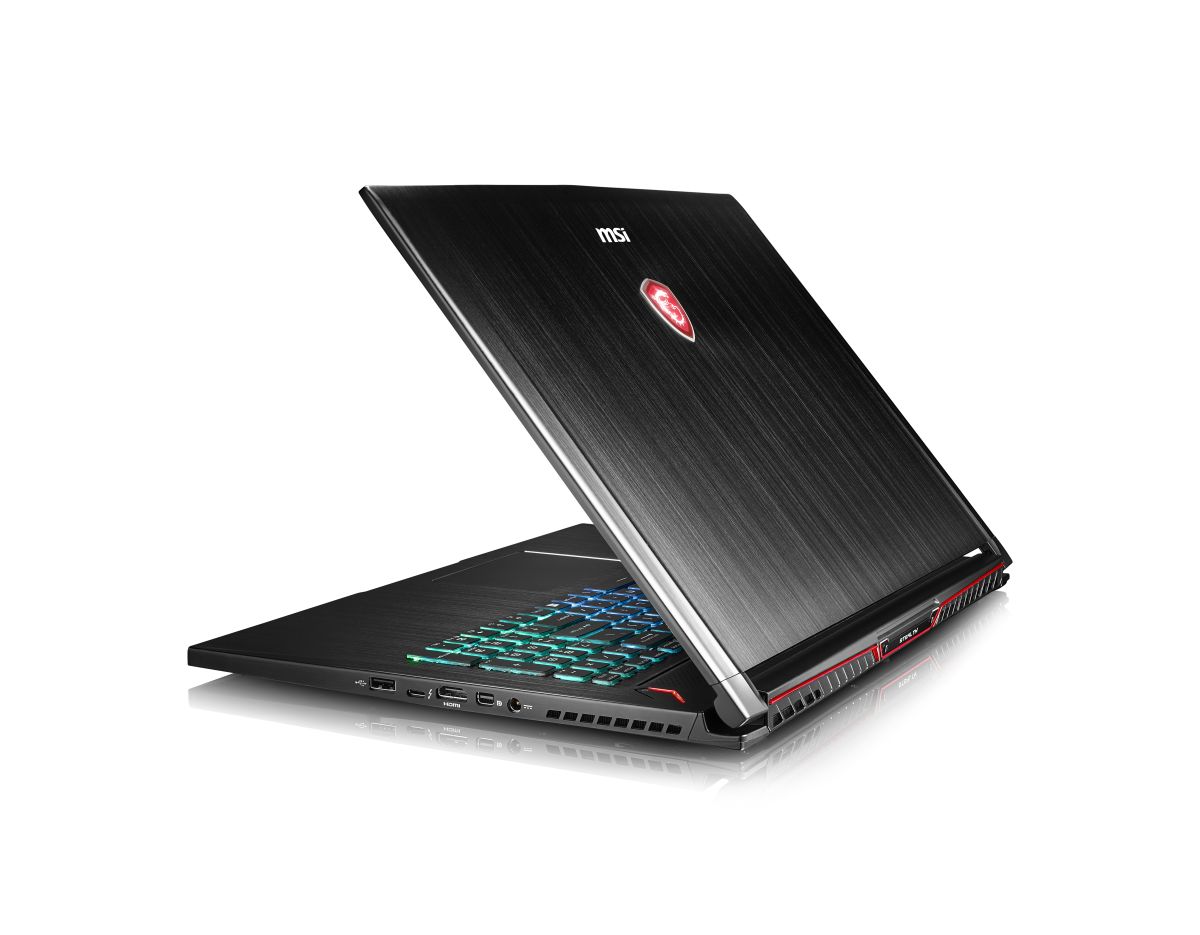
MSI GS73 7RE(Stealth Pro)-020FR gaming laptop specifications indicate DDR4-SDRAM memory upgrade compatibility. The device contains two SO-DIMM slots supporting maximum RAM capacity of 32 GB total. Compatible memory modules operate at 2400 MHz frequency. Each slot accepts SO-DIMM form factor memory upgrades. The GS series supports dual-channel memory configurations for enhanced performance. Specifications indicate upgrade potential from base configurations to full 32 GB capacity via compatible DDR4-SDRAM modules matching the designated frequency and form factor requirements.
Memory Upgrade Specifications
| Specification | Value |
|---|---|
| Memory slots | 2x SO-DIMM |
| Form factor | SO-DIMM |
| Memory type | DDR4-SDRAM |
| Frequency | 2400 MHz |
| Maximum RAM | 32 GB |
| Voltage | 1.2V |
| Number of pins | 260-pin |
| Interface | PC4 |
| PC Speed Rating | PC4-2400 (PC4-19200) |
| Bandwidth | 19.2 GB/s |
| Laptop Release date | 21 March 2018 |
Additional Notes
- The MSI GS73 7RE(Stealth Pro)-020FR utilizes standard 260-pin SO-DIMM modules, requiring physical access through the bottom panel which typically involves removing multiple screws and potentially voiding seals depending on regional warranty terms.
- DDR4-2400 represents a non-current generation standard, limiting compatibility with newer DDR4-3200 or DDR5 modules that physically fit but will either downclock or fail POST diagnostics.
- The dual-channel configuration necessitates matched pairs for optimal bandwidth, as mismatched capacities or timings force the memory controller into asymmetric or single-channel mode with measurable performance degradation in GPU-intensive workloads.
- The 32 GB ceiling reflects chipset limitations rather than slot capacity, meaning individual 32 GB SO-DIMMs will not function even if physically compatible with the slot mechanism.
- Systems shipping with single modules leave one slot unpopulated, creating immediate upgrade potential without requiring removal of existing memory, though thermal considerations in this chassis design may favor matched low-profile modules.
- The 2400 MHz specification operates at 1.2V standard, making higher voltage XMP-rated modules incompatible as the mobile platform typically lacks voltage adjustment options in BIOS.
- Seventh-generation Intel mobile platforms supporting this memory configuration lack native support for ECC SO-DIMMs, rendering error-correcting modules non-functional despite physical compatibility.
- The memory subsystem shares thermal envelope with adjacent M.2 storage, meaning sustained memory-intensive operations may trigger throttling if ambient cooling proves insufficient in the 17-inch chassis.