MSI Gaming GS72 6QE-207BE Stealth Pro 4K RAM upgrade specifications
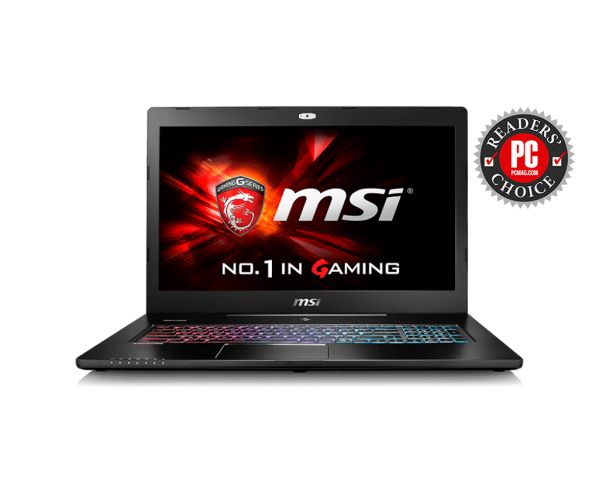
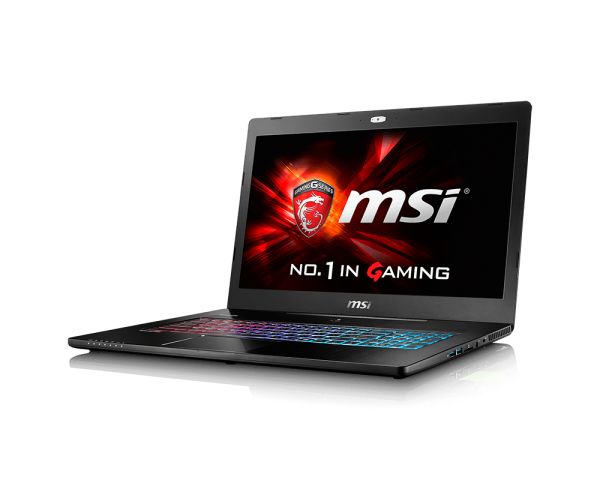
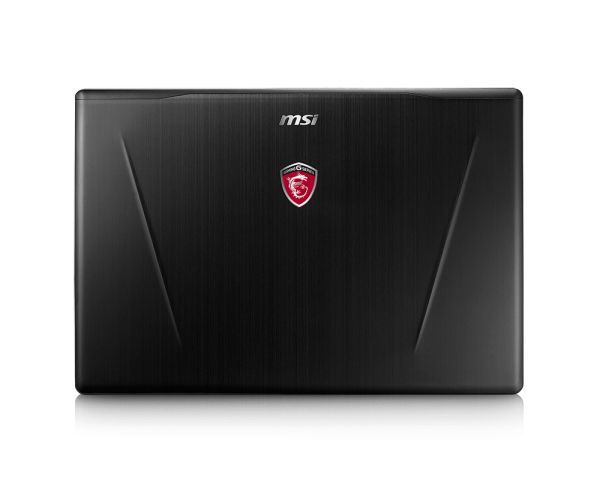
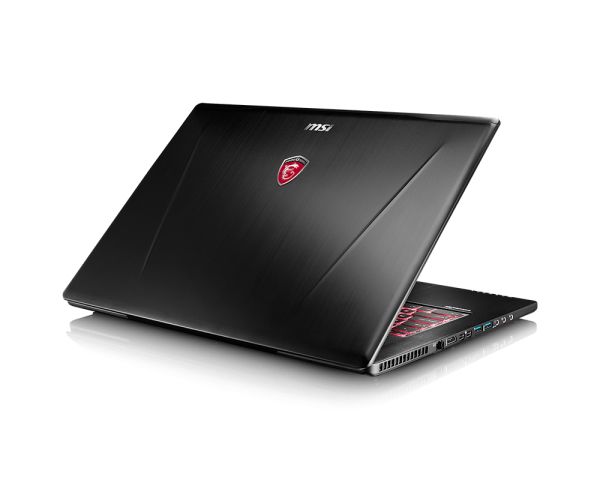
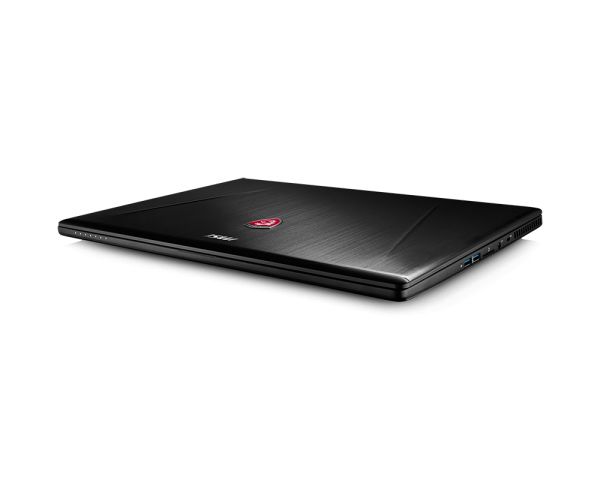
The MSI GS72 6QE-207BE Stealth Pro 4K Gaming series laptop supports DDR4-SDRAM memory upgrades with maximum capacity of 32 GB. The system features 2x SO-DIMM memory slots compatible with DDR4 modules operating at 2133 MHz frequency. Upgrade specifications indicate SO-DIMM form factor memory modules are required for compatible RAM expansion in this MSI Gaming GS series model.
Memory Upgrade Specifications
| Specification | Value |
|---|---|
| Memory slots | 2x SO-DIMM |
| Form factor | SO-DIMM |
| Memory type | DDR4-SDRAM |
| Frequency | 2133 MHz |
| Maximum RAM | 32 GB |
| Voltage | 1.2V |
| Number of pins | 260-pin |
| Interface | PC4 |
| PC Speed Rating | PC4-2133 (PC4-17064) |
| Bandwidth | 17.1 GB/s |
| Laptop Release date | 26 May 2016 |
Additional Notes
- The MSI GS72 6QE-207BE Stealth Pro 4K contains 2 SO-DIMM slots operating at 2133 MHz, which establishes a practical ceiling of 32 GB total capacity. Upgrading to the maximum requires replacing both existing modules rather than adding a single supplementary stick.
- DDR4-2133 MHz represents the baseline speed tier for 6th-generation Intel platforms. Modules rated for higher frequencies (2400 MHz, 2666 MHz, 3200 MHz) will operate at 2133 MHz due to BIOS-level memory controller constraints, with no performance gain from purchasing premium-speed variants.
- SO-DIMM form factor restricts upgrade options to laptop-specific memory modules. Standard desktop DDR4 DIMMs are mechanially incompatible with this system's physical slot configuration and will not install.
- The 32 GB ceiling imposes a constraint on 4K content creation workflows where memory-intensive applications (video editing, 3D rendering) benefit from 64 GB configurations. This limitation affects long-term viability for professional tasks relying on in-memory processing.
- Asymmetric module populations (16 GB + 8 GB combinations) result in single-channel operation on the 8 GB module, degrading effective bandwidth by approximately 50 percent on that channel. Matched pairs maximize dual-channel throughput across the full memory bus.
- DDR4-2133 operation generates lower thermal output than high-frequency variants, reducing cooling demands but also limiting memory subsystem throughput to approximately 34 GB/s. GPU-intensive gaming at 4K resolution may experience memory bandwidth saturation under peak loads.