MSI Gaming GS70 2QE Stealth Pro 607-HID11 RAM upgrade specifications
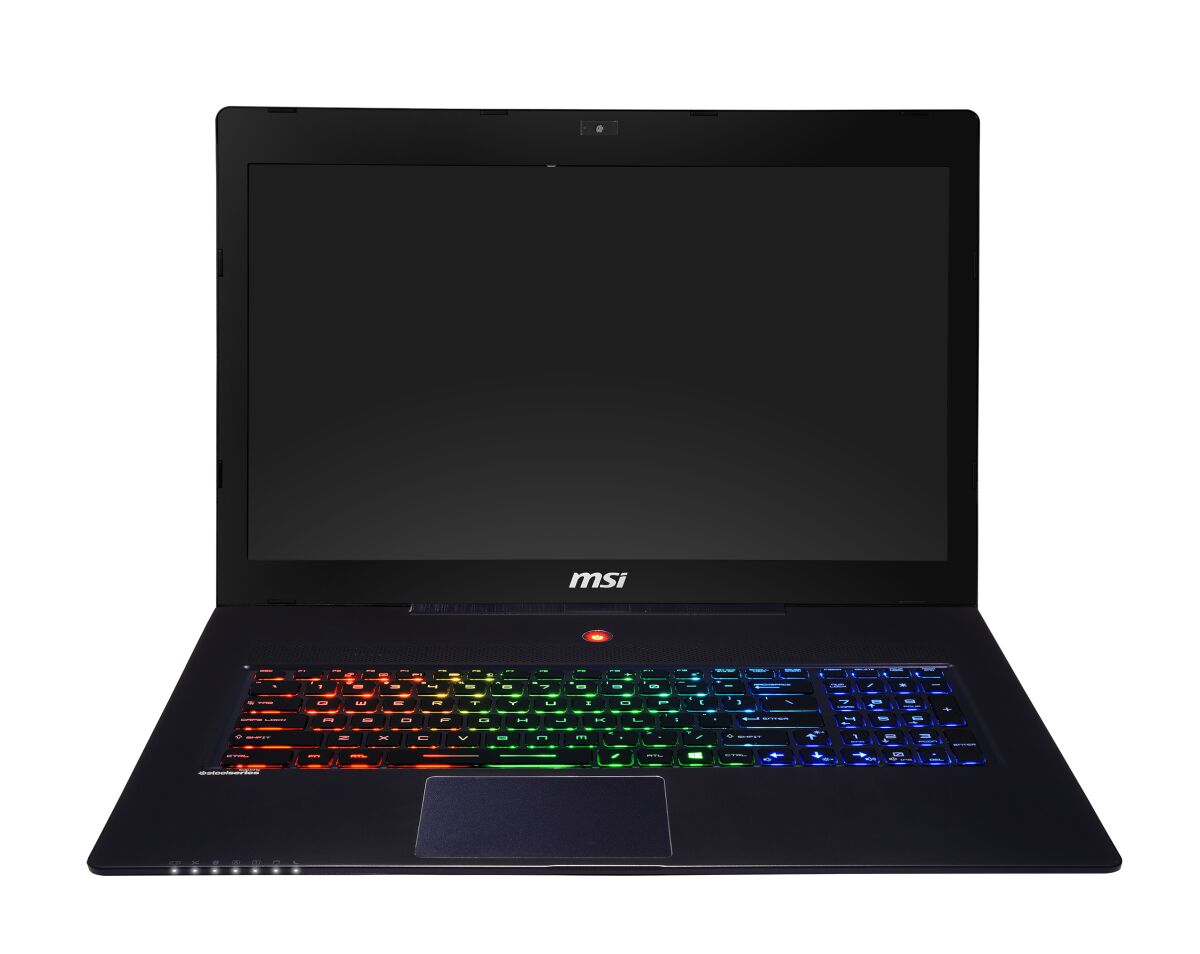
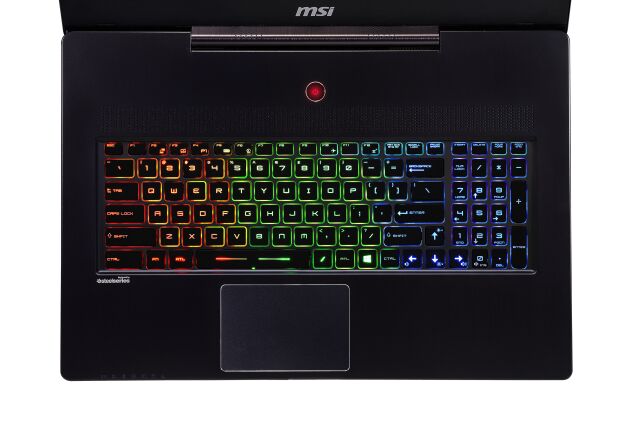
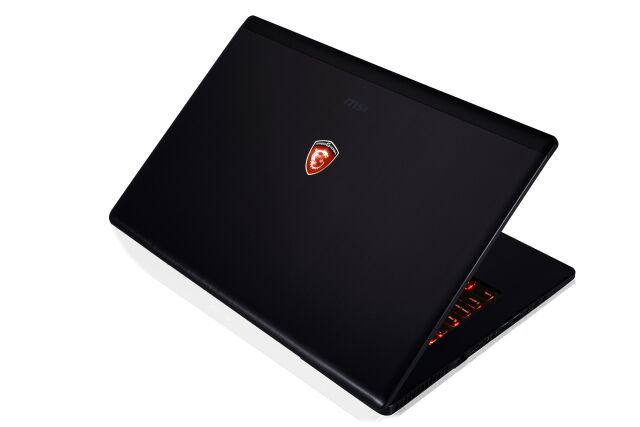
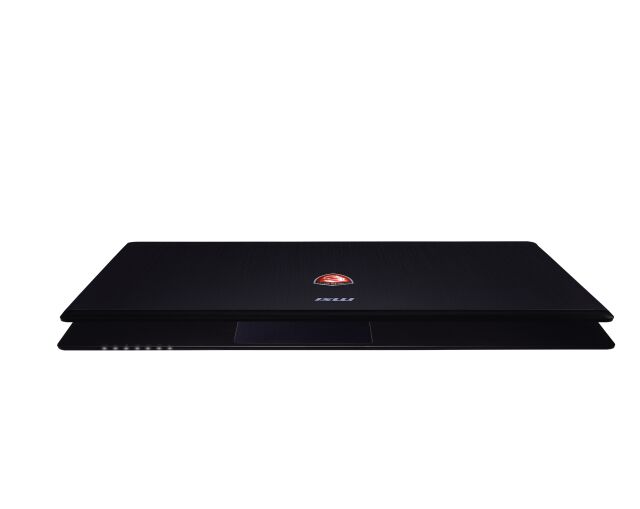
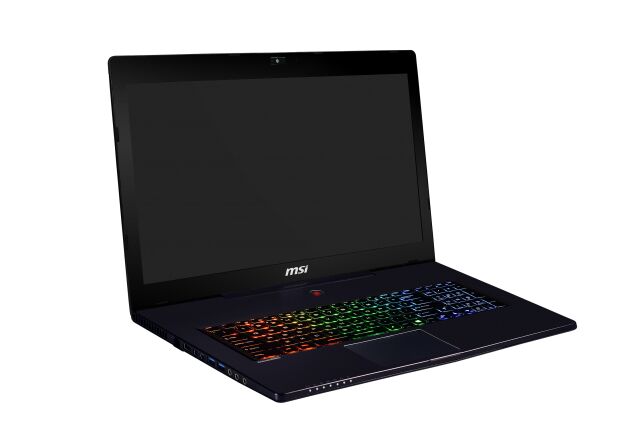
The MSI GS70 2QE Stealth Pro 607-HID11 gaming laptop features DDR3L-SDRAM memory with two SO-DIMM slots available for upgrade. The maximum supported RAM capacity is 16 GB total. Memory specifications include a frequency of 1600 MHz and SO-DIMM form factor compatibility. The Gaming GS series model supports DDR3L-SDRAM upgrades within these technical parameters and slot limitations.
Memory Upgrade Specifications
| Specification | Value |
|---|---|
| Memory slots | 2x SO-DIMM |
| Form factor | SO-DIMM |
| Memory type | DDR3L-SDRAM |
| Frequency | 1600 MHz |
| Maximum RAM | 16 GB |
| Voltage | 1.35V (Low Voltage) |
| Number of pins | 204-pin |
| Interface | PC3L |
| PC Speed Rating | PC3L-1600 (PC3L-12800) |
| Bandwidth | 12.8 GB/s |
| Laptop Release date | 15 February 2018 |
Additional Notes
- The 2 SO-DIMM slot configuration requires matched pairs for optimal dual-channel performance; installing single modules or mismatched capacity sticks will reduce memory bandwidth by approximately 50 percent.
- DDR3L-SDRAM operates at 1.35 volts rather than standard DDR3's 1.5 volts; standard DDR3 modules will function but may generate excess heat and void thermal management warranties on the MSI GS70 2QE Stealth Pro 607-HID11.
- The 1600 MHz specification represents the maximum validated frequency; higher-speed DDR3L modules (1866 MHz, 2133 MHz) will downclock to 1600 MHz, eliminating any performance gain while increasing cost.
- A 16 GB capacity ceiling with 2 slots means upgrading requires replacing both existing modules entirely; the original 4 GB or 8 GB pair cannot be augmented or mixed with new memory.
- SO-DIMM form factor availability for DDR3L has contracted significantly; procurement delays and reduced stock in the used market may necessitate purchasing from specialty retailers at premium pricing.
- Latency specifications for DDR3L-1600 typically range from CAS 9 to CAS 11; tighter timings (CAS 9) reduce response time but offer minimal real-world impact on gaming workloads compared to CAS 11 modules.
- The gaming-class thermal design of this chassis prioritizes GPU cooling; additional RAM heat dissipation during sustained operations may contribute incrementally to overall internal temperatures without dedicated memory heatspreaders.