MSI Gaming GS70 2QE Stealth Pro 607-HID09 RAM upgrade specifications
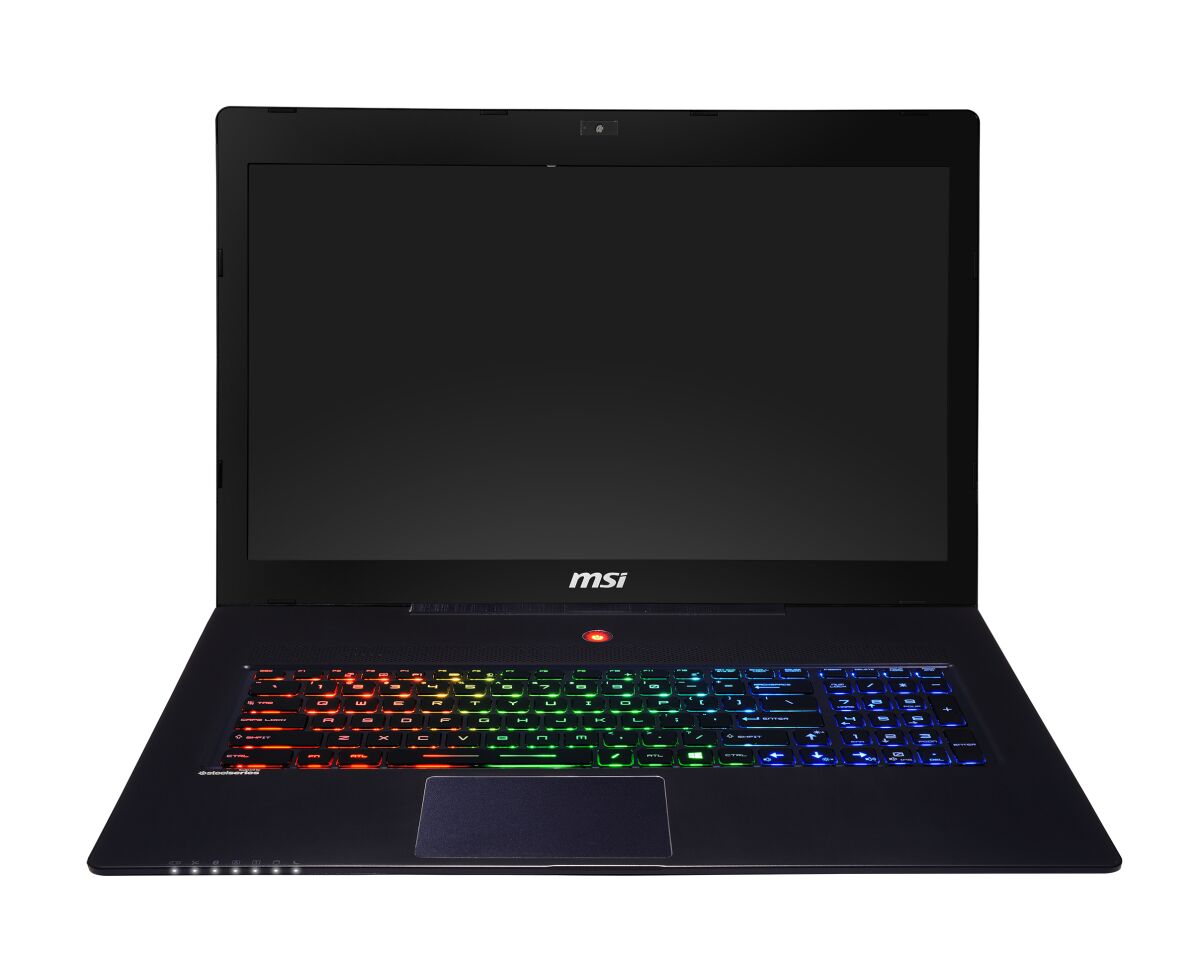
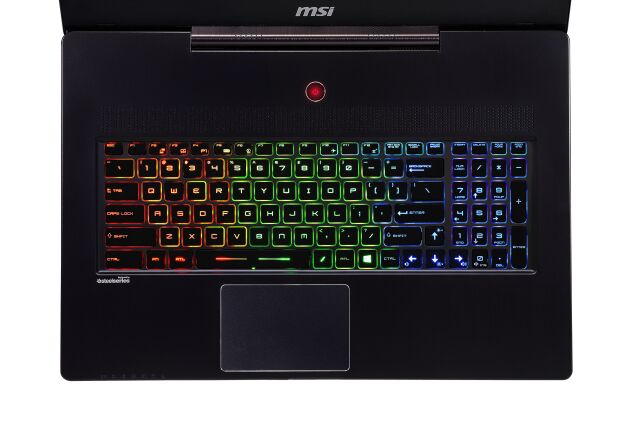
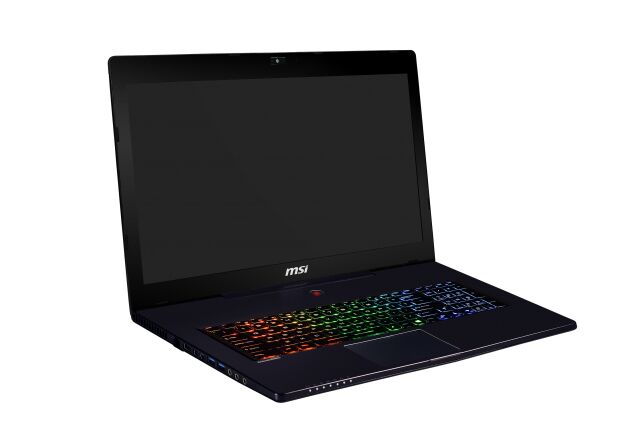
The MSI GS70 2QE Stealth Pro 607-HID09 gaming laptop features DDR3L-SDRAM memory with 2x SO-DIMM slots available for upgrade. Maximum supported RAM capacity reaches 16 GB total. Compatible memory modules operate at 1600 MHz frequency. The SO-DIMM form factor specifications define the physical dimensions required for memory upgrade compatibility. Current RAM configurations can be expanded to the maximum capacity of 16 GB through the available upgrade slots. Specifications indicate support for DDR3L-SDRAM technology across the memory upgrade pathway for the MSI GS series gaming model.
Memory Upgrade Specifications
| Specification | Value |
|---|---|
| Memory slots | 2x SO-DIMM |
| Form factor | SO-DIMM |
| Memory type | DDR3L-SDRAM |
| Frequency | 1600 MHz |
| Maximum RAM | 16 GB |
| Voltage | 1.35V (Low Voltage) |
| Number of pins | 204-pin |
| Interface | PC3L |
| PC Speed Rating | PC3L-1600 (PC3L-12800) |
| Bandwidth | 12.8 GB/s |
| Laptop Release date | 15 February 2018 |
Additional Notes
- The DDR3L low voltage requirement at 1.35V prevents the use of standard DDR3 modules rated at 1.5V, which may cause boot failures or system instability if installed.
- The MSI GS70 2QE Stealth Pro 607-HID09 chipset limitation to 16 GB total capacity means each slot accepts a maximum 8 GB module regardless of higher density availability.
- Single channel configuration with one populated slot reduces memory bandwidth by approximately 50 percent compared to dual channel operation with matched pairs.
- The 1600 MHz frequency ceiling enforced by the memory controller will downclock faster modules to this speed, negating any performance benefit from purchasing higher rated RAM.
- SO-DIMM 204-pin physical format excludes all desktop DIMM modules, requiring laptop-specific components for compatibility.
- Non-matching module speeds or timings between slots may force both modules to operate at the slower specification, potentially reducing system performance.
- The dual slot configuration requires complete disassembly to access both memory banks on most thin gaming chassis, complicating single slot upgrades.
- Heat dissipation in confined laptop spaces makes modules without thermal sensors less optimal for sustained gaming workloads despite meeting basic specifications.
- Exceeding the 16 GB threshold through unsupported higher capacity modules will typically result in unrecognized memory or failure to POST.
- Third-party RAM installation generally preserves manufacturer warranty coverage as memory is classified as user-serviceable, unlike soldered components.