MSI Gaming GS70 2PE (Stealth Pro)-043NL RAM upgrade specifications
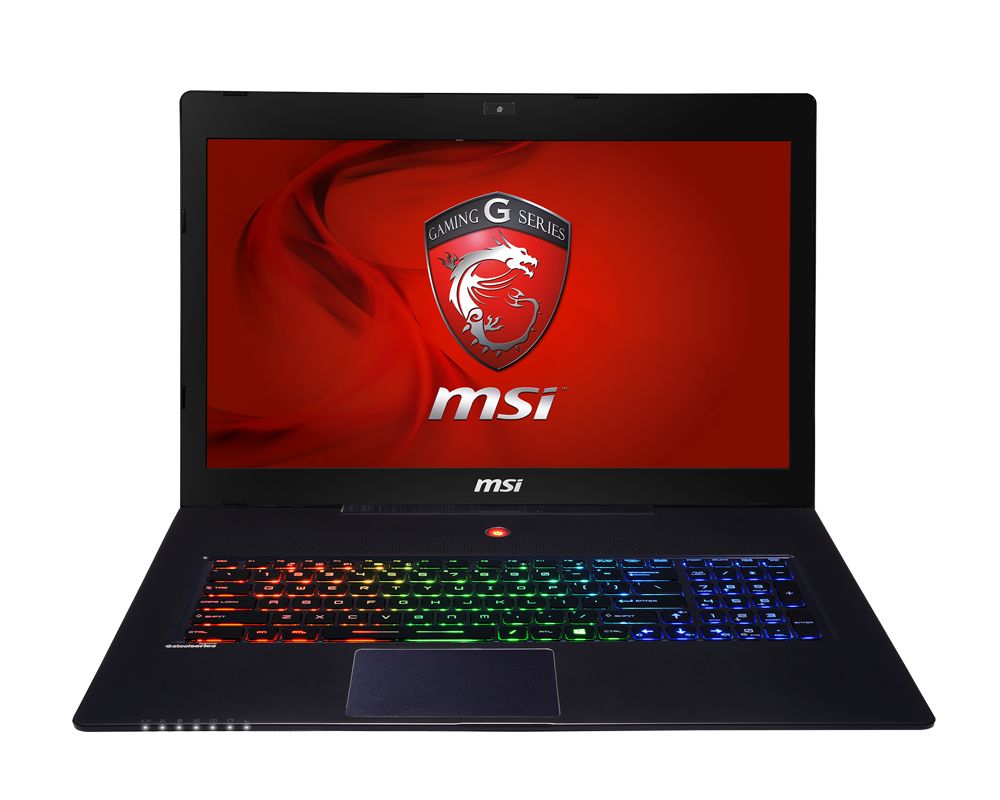
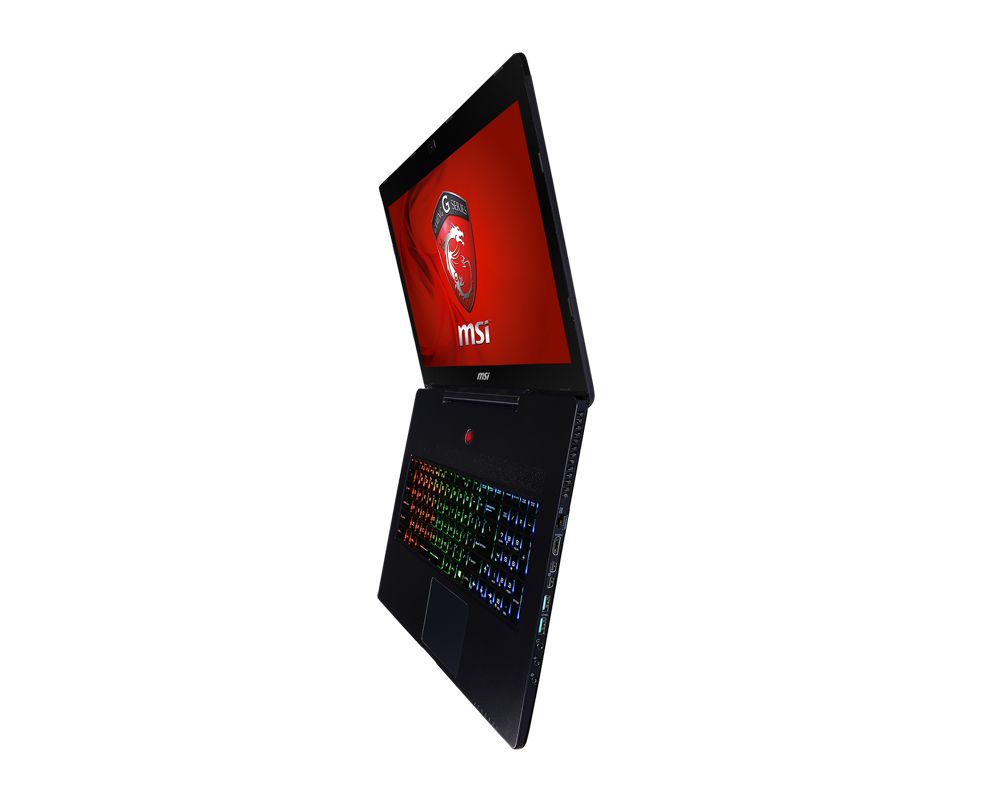
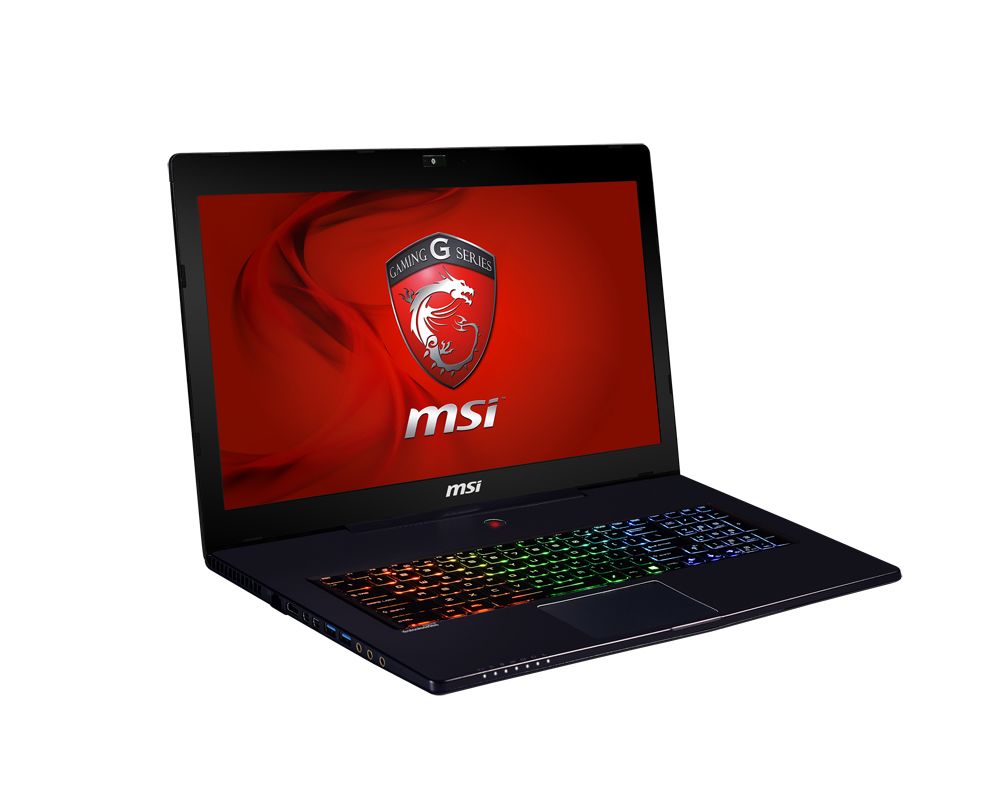
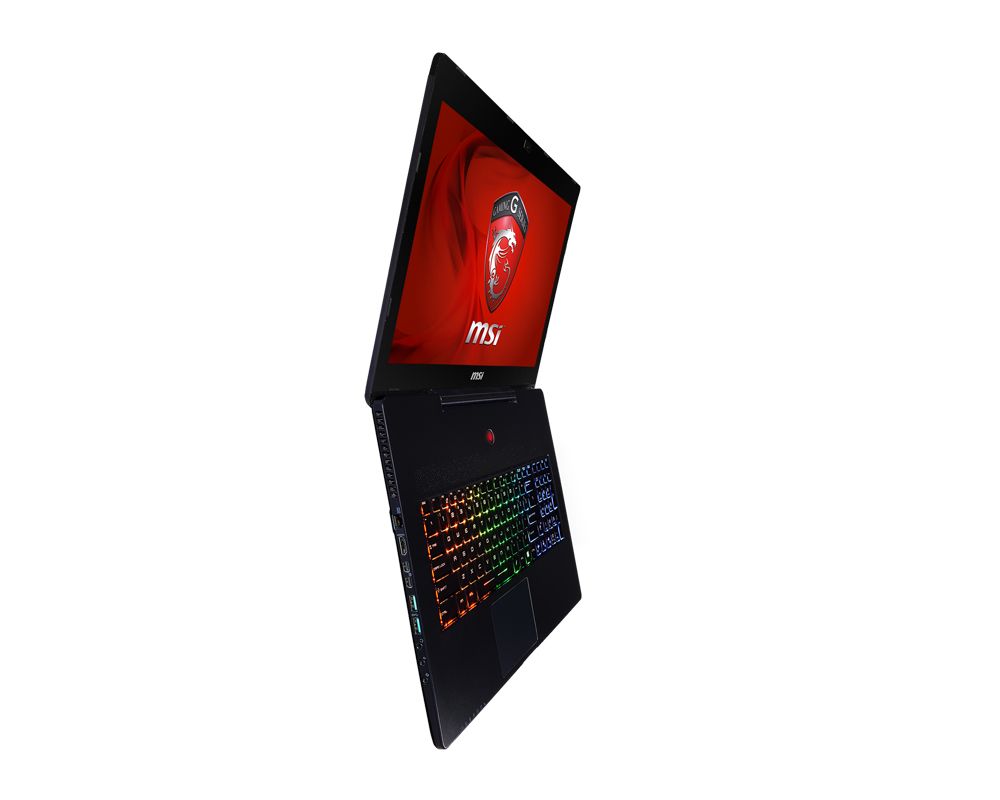
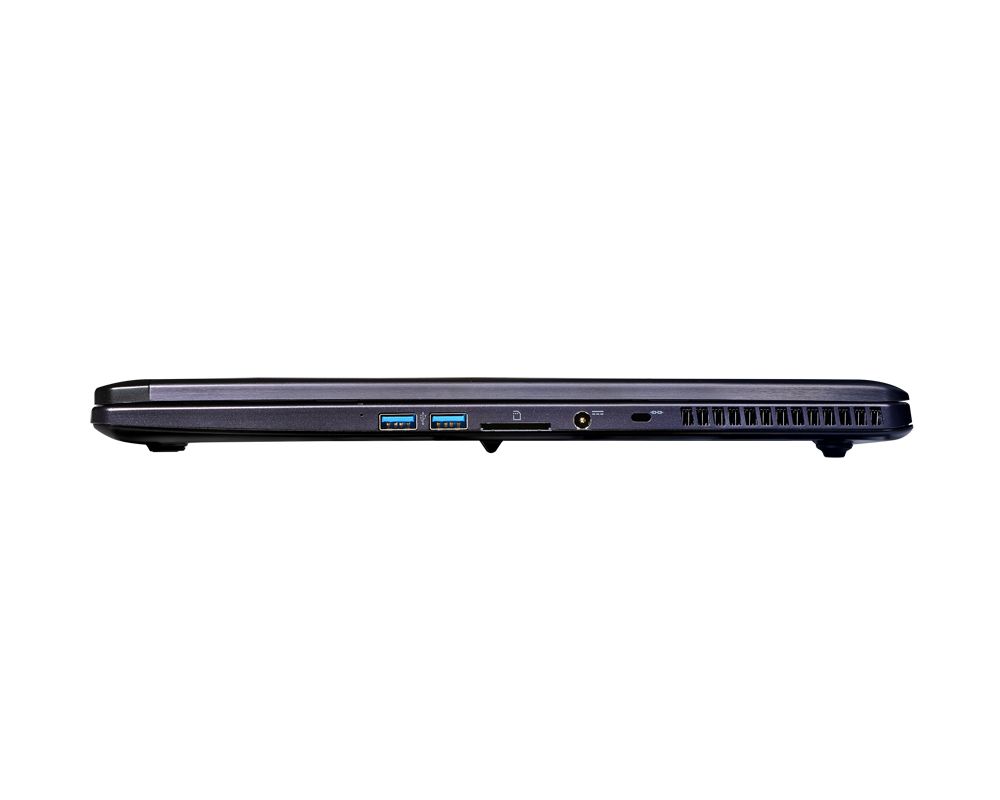
The MSI GS70 2PE (Stealth Pro)-043NL gaming laptop features DDR3L-SDRAM memory upgradeable through two SO-DIMM slots. Maximum memory capacity reaches 16 GB total, with compatible modules operating at 1600 MHz frequency. The SO-DIMM form factor enables memory expansion on this GS series gaming model. Specifications support DDR3L-SDRAM upgrade configurations for enhanced system performance and multitasking capabilities.
Memory Upgrade Specifications
| Specification | Value |
|---|---|
| Memory slots | 2x SO-DIMM |
| Form factor | SO-DIMM |
| Memory type | DDR3L-SDRAM |
| Frequency | 1600 MHz |
| Maximum RAM | 16 GB |
| Voltage | 1.35V (Low Voltage) |
| Number of pins | 204-pin |
| Interface | PC3L |
| PC Speed Rating | PC3L-1600 (PC3L-12800) |
| Bandwidth | 12.8 GB/s |
| Laptop Release date | 15 April 2014 |
Additional Notes
- The DDR3L designation requires modules operating at 1.35V rather than standard 1.5V, eliminating compatibility with regular DDR3 SO-DIMMs that could cause boot failures or system instability.
- Dual-channel architecture activation requires matched pairs in both slots, with asymmetric configurations forcing single-channel operation and approximately 30% memory bandwidth reduction.
- The 16 GB ceiling reflects chipset-level addressing limitations common to 4th generation Intel mobile platforms, preventing recognition of higher capacity modules even when physically compatible.
- PC3L-12800 rating at 1600 MHz provides 12.8 GB/s theoretical bandwidth per channel, positioning the MSI GS70 2PE (Stealth Pro)-043NL memory subsystem between older 1333 MHz and newer 1866 MHz mobile standards.
- SO-DIMM form factor measurement of 67.6mm limits installation to notebook-specific modules, with standard DIMM desktop memory physically incompatible despite identical electrical specifications.
- Warranty preservation typically requires non-destructive installation, with the bottom panel access design on gaming chassis allowing user upgrades without seal breakage on most MSI configurations.
- Thermal constraints in slim gaming profiles demand consideration of module height specifications, as oversized heat spreaders may interfere with keyboard assemblies or cooling solutions in sub-25mm chassis clearances.
- Mixed module configurations combining different densities produce functional operation but force clocking to the slowest installed module, negating speed advantages of faster components.
- The 1600 MHz native frequency operates without requiring XMP profile support, ensuring plug-and-play compatibility across BIOS versions without manual timing adjustments.