MSI Gaming GS66 Stealth 11UH RAM upgrade specifications


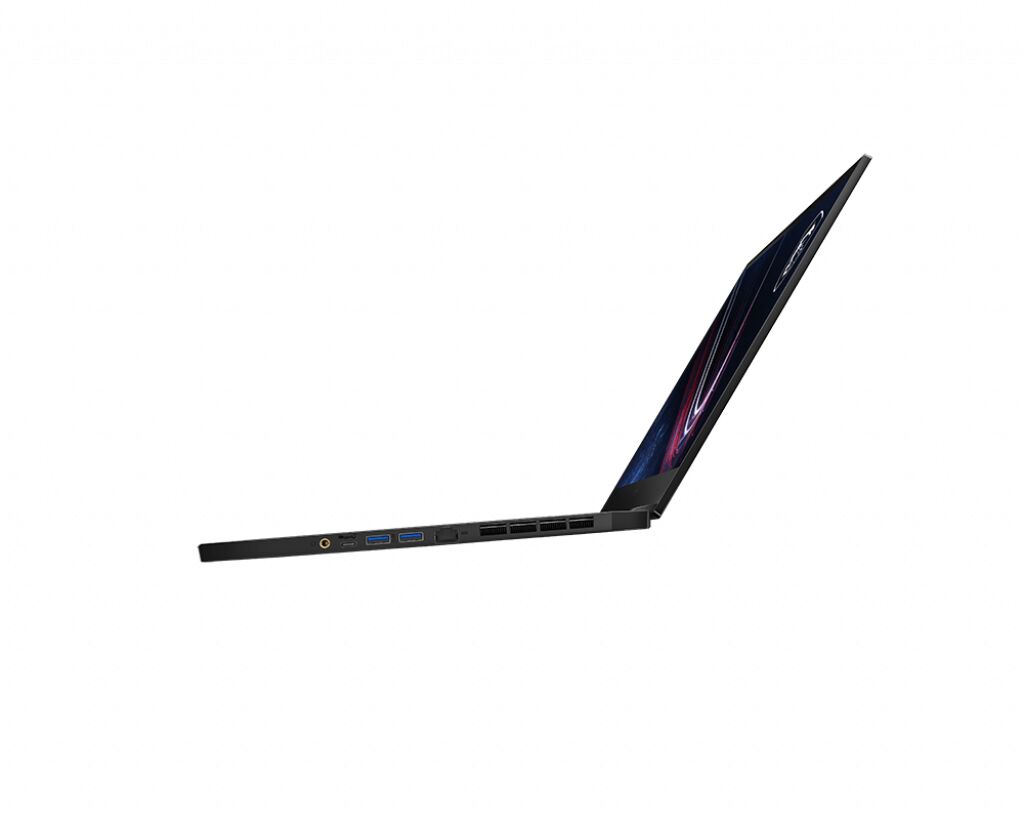

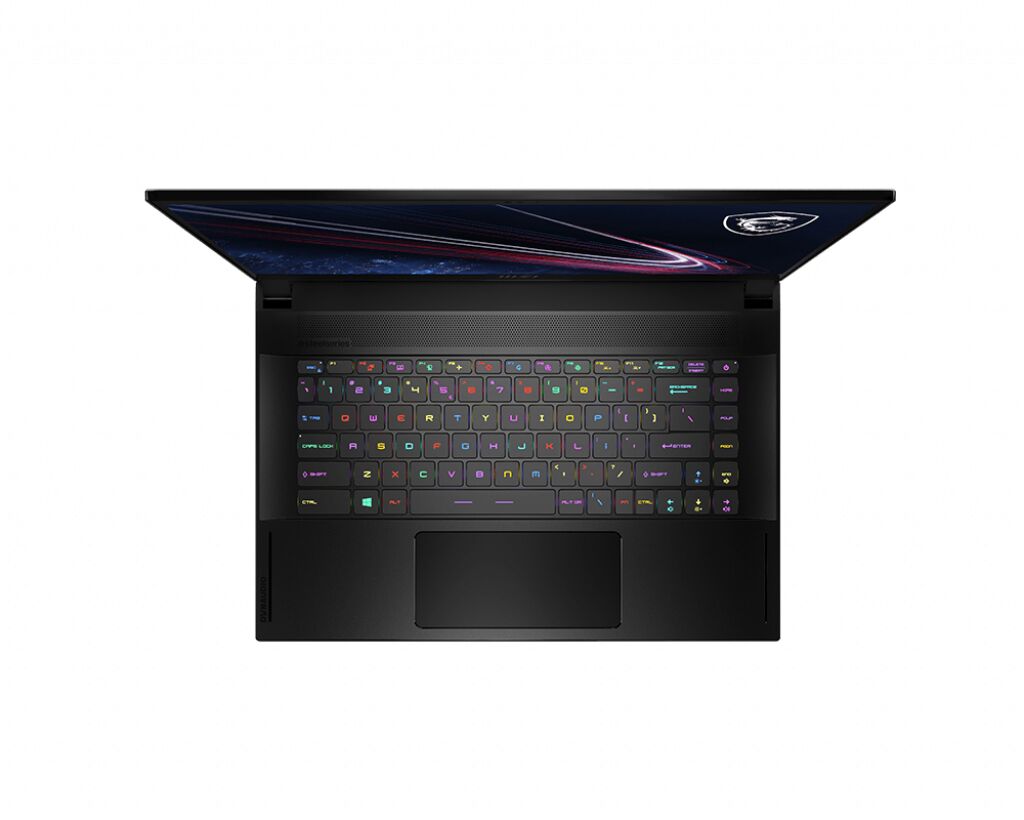
The MSI GS66 Stealth 11UH gaming laptop features two SO-DIMM slots for memory upgrade capacity. This model supports DDR4-SDRAM memory operating at 3200 MHz frequency. Maximum compatible RAM capacity reaches 64 GB total, enabling significant performance enhancement for demanding applications. The GS series specifications accommodate standard SO-DIMM form factor modules, providing flexible upgrade options for users requiring expanded memory resources on the MSI Gaming GS66 Stealth 11UH platform.
Memory Upgrade Specifications
| Specification | Value |
|---|---|
| Memory slots | 2x SO-DIMM |
| Form factor | SO-DIMM |
| Memory type | DDR4-SDRAM |
| Frequency | 3200 MHz |
| Maximum RAM | 64 GB |
| Voltage | 1.2V |
| Number of pins | 260-pin |
| Interface | PC4 |
| PC Speed Rating | PC4-3200 (PC4-25600) |
| Bandwidth | 25.6 GB/s |
| Laptop Release date | 13 May 2021 |
Additional Notes
- The MSI GS66 Stealth 11UH contains 2 SO-DIMM slots operating at 3200 MHz, which means both modules must be replaced simultaneously to avoid performance degradation from asymmetrical memory configurations.
- DDR4-SDRAM at 3200 MHz paired with 11th-generation Intel mobile processors creates a memory bandwidth ceiling of approximately 51 GB/s, potentially limiting sustained data throughput during heavy multitasking or content creation workflows beyond what the CPU architecture can effectively utilize.
- The 64 GB maximum capacity with 2 slots necessitates 32 GB modules per slot, which were not widely available at the time of this model's release; sourcing matched pairs may require purchasing identical specifications from the same manufacturer batch to ensure stability.
- SO-DIMM physical constraints require power removal and careful handling during installation; incompatible or bent contact pins will cause immediate boot failure, and the tight chassis design of ultra-portable gaming models increases electrostatic discharge risk during swaps.
- Memory frequency locked at 3200 MHz indicates the BIOS provides limited overclocking headroom for RAM; XMP/DOCP profiles may not be available in mobile firmware, constraining optimization beyond factory specifications.
- Dual-channel configuration with 2 slots means a single module failure renders half the system memory inaccessible; redundancy through mirroring or ECC protection is not supported in this platform.