MSI Gaming GS66 Stealth 10UH-058FR RAM upgrade specifications
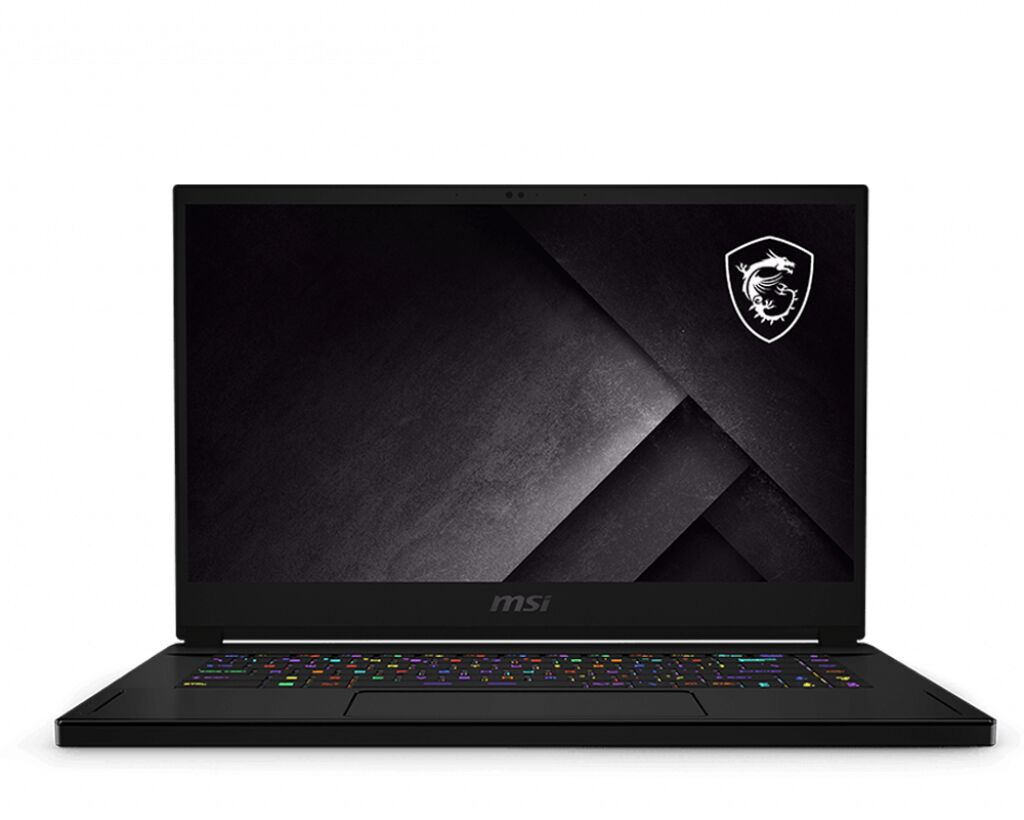
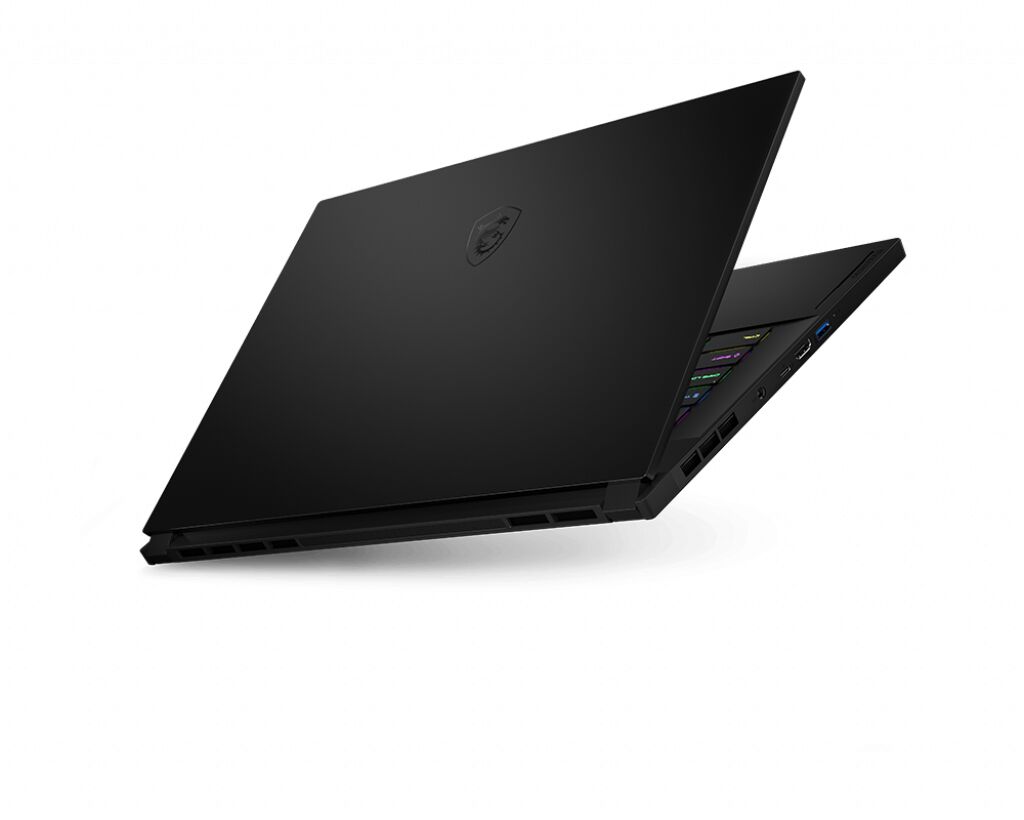
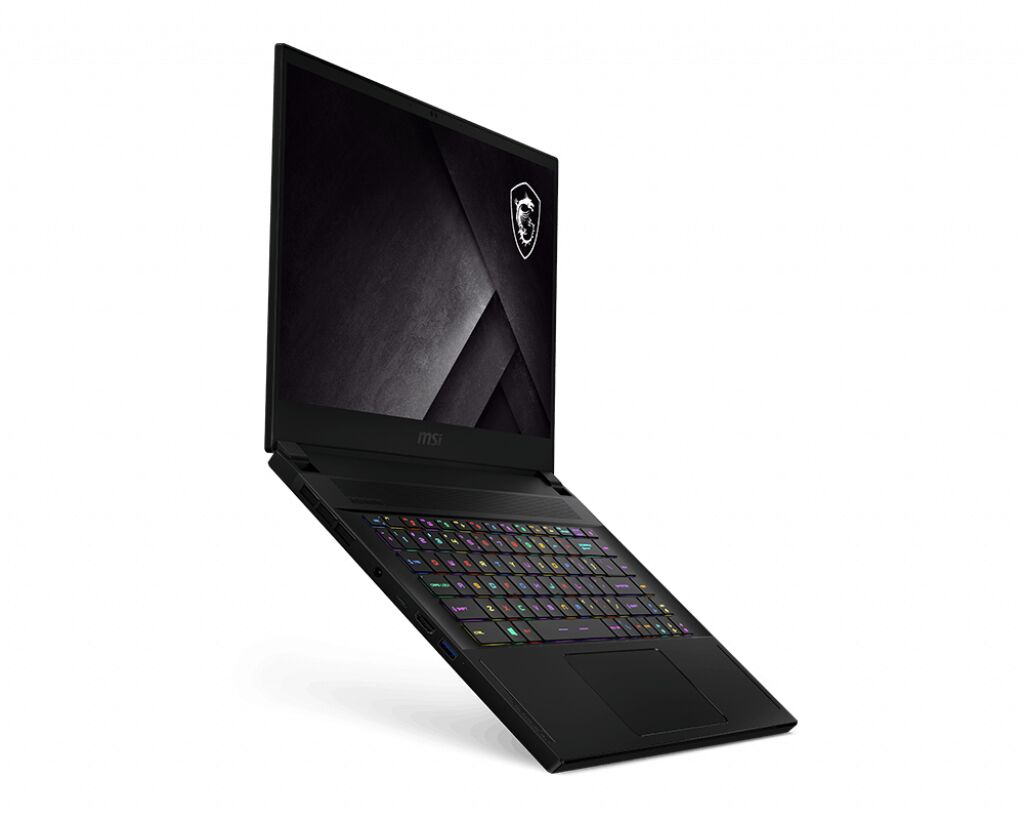
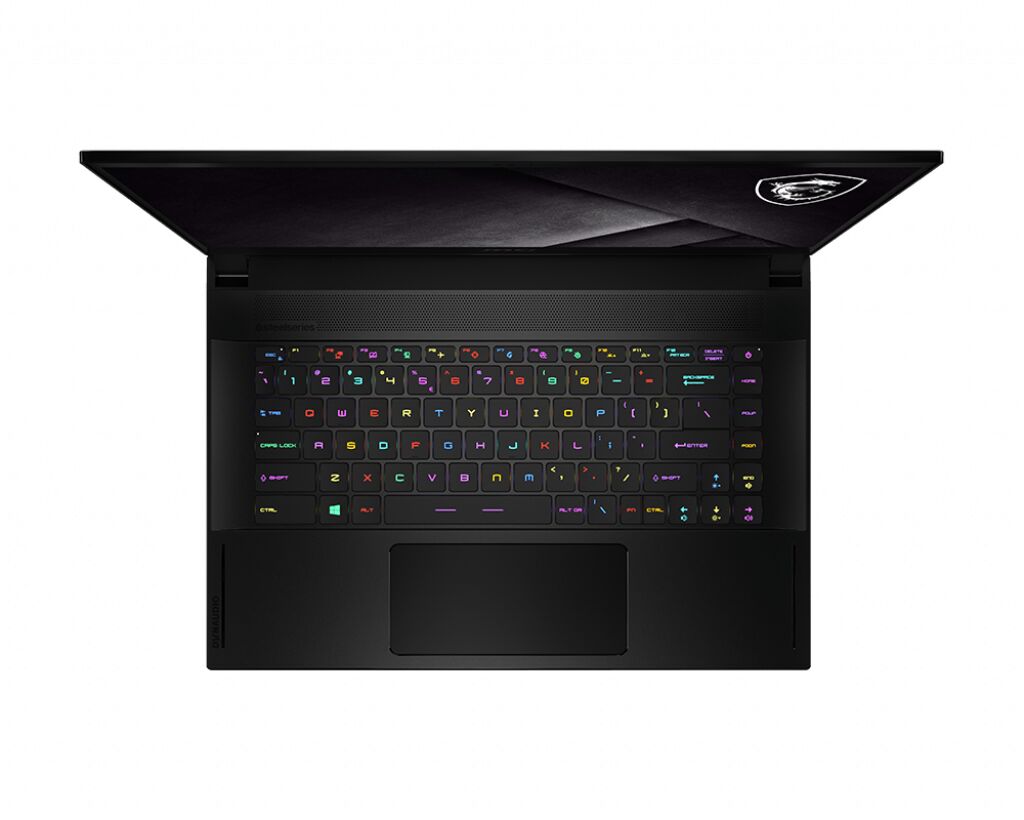
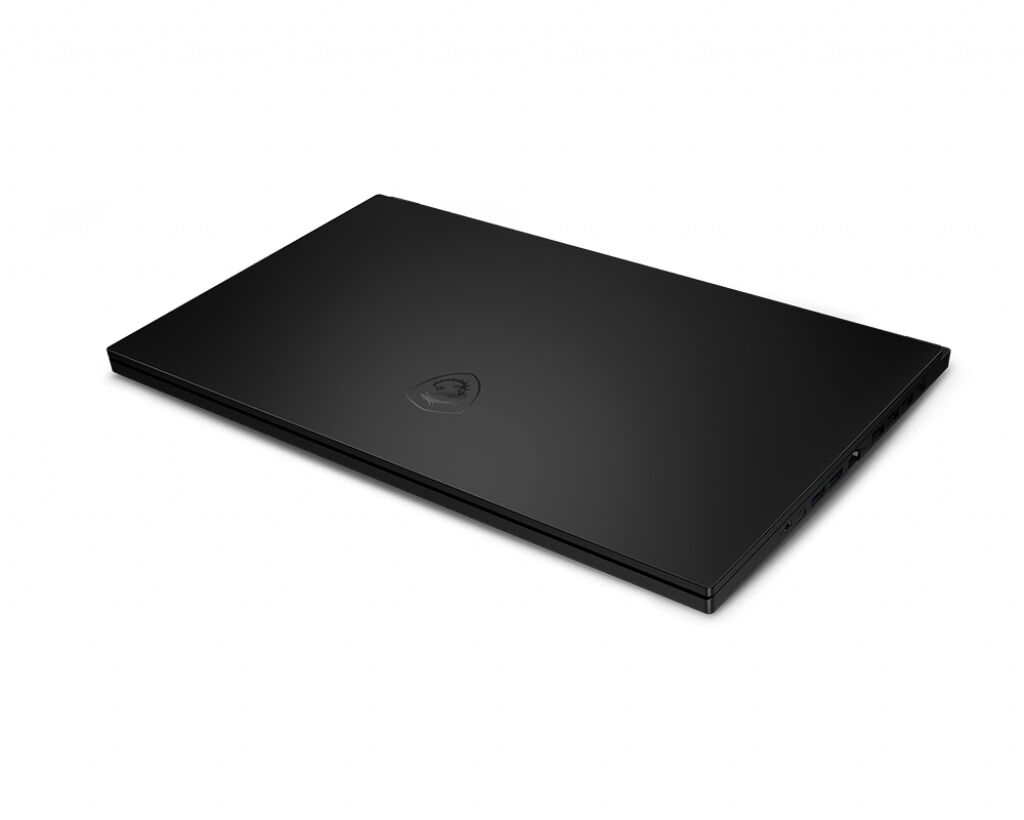
MSI GS66 Stealth 10UH-058FR gaming laptop contains two SO-DIMM memory slots supporting DDR4-SDRAM specifications at 3200 MHz frequency. The upgrade capacity reaches a maximum of 64 GB total RAM. Compatible memory modules must match the SO-DIMM form factor and DDR4-SDRAM specifications. Current configurations can be upgraded by replacing or adding memory modules in the available slots. Specifications support dual-channel memory architecture for enhanced performance in the GS series gaming platform.
Memory Upgrade Specifications
| Specification | Value |
|---|---|
| Memory slots | 2x SO-DIMM |
| Form factor | SO-DIMM |
| Memory type | DDR4-SDRAM |
| Frequency | 3200 MHz |
| Maximum RAM | 64 GB |
| Voltage | 1.2V |
| Number of pins | 260-pin |
| Interface | PC4 |
| PC Speed Rating | PC4-3200 (PC4-25600) |
| Bandwidth | 25.6 GB/s |
| Laptop Release date | 01 January 2021 |
Additional Notes
- The MSI GS66 Stealth 10UH-058FR supports maximum 64 GB total capacity across its 2 SO-DIMM slots, permitting symmetric dual-channel configurations up to 32 GB per slot when both slots are populated.
- DDR4-3200 MHz specification establishes compatibility boundaries; replacement modules must match or exceed this frequency rating to avoid forced downclocking by the BIOS, which would reduce bandwidth utilization below rated capacity.
- SO-DIMM form factor constraint restricts upgrade options to laptop-specific memory modules; standard desktop DDR4 DIMMs are physically incompatible and will not fit within the notebook chassis.
- Dual-slot architecture without additional memory expansion ports eliminates upgrade flexibility beyond the 64 GB ceiling; adding RAM requires removing existing modules, not supplementing them.
- Asymmetrical configurations (mixing differing capacities or speeds across slots) function operationally but force the memory controller to operate at the lowest common frequency, reducing effective bandwidth in mismatched installations.
- Warranty preservation during RAM upgrades requires sourcing DDR4-3200 SO-DIMM modules from OEM-approved vendors or tier-one manufacturers; non-OEM parts may trigger support restrictions on hardware claims.
- Single-channel operation becomes unavoidable during the transition period if only 1 slot contains operational memory, imposing latency penalties until the second slot is populated with a compatible module.