MSI Gaming GS66 Stealth 10SGS-481FR RAM upgrade specifications



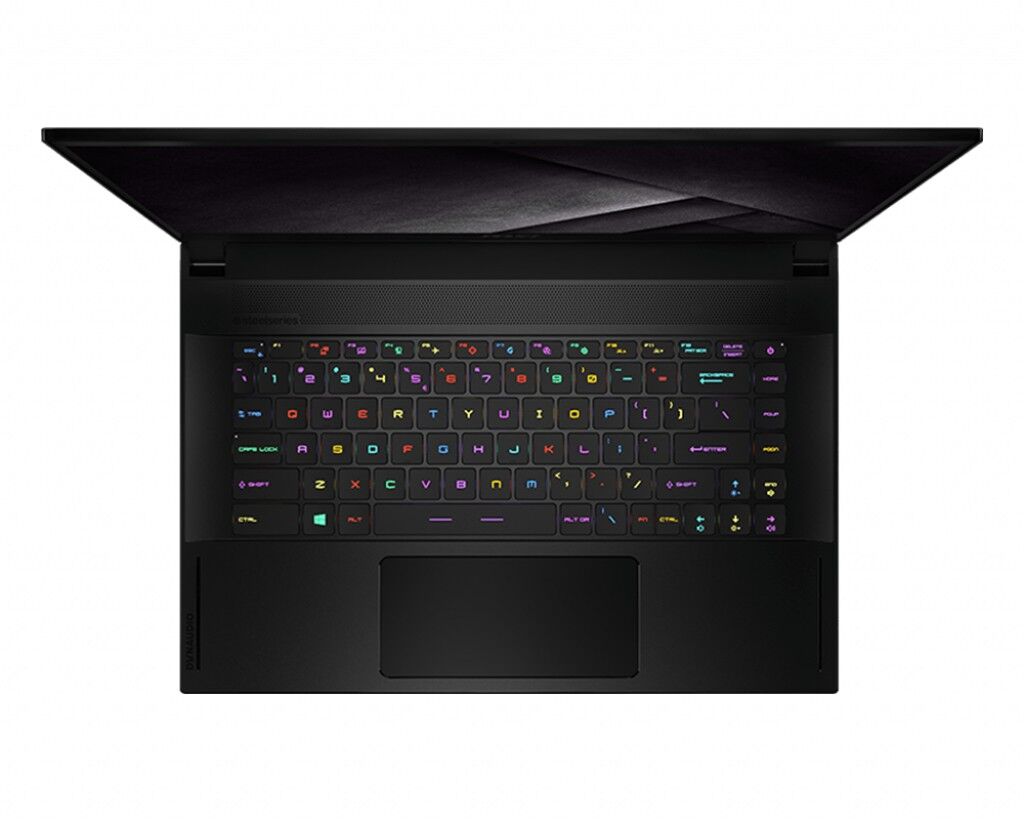
The MSI GS66 Stealth 10SGS-481FR Gaming series laptop features DDR4-SDRAM memory upgrade specifications. The device contains 2x SO-DIMM slots for RAM expansion, supporting a maximum capacity of 64 GB total memory. Compatible memory modules operate at 3200 MHz frequency and utilize the SO-DIMM form factor. Specifications enable upgradeable memory configurations for enhanced system performance.
Memory Upgrade Specifications
| Specification | Value |
|---|---|
| Memory slots | 2x SO-DIMM |
| Form factor | SO-DIMM |
| Memory type | DDR4-SDRAM |
| Frequency | 3200 MHz |
| Maximum RAM | 64 GB |
| Voltage | 1.2V |
| Number of pins | 260-pin |
| Interface | PC4 |
| PC Speed Rating | PC4-3200 (PC4-25600) |
| Bandwidth | 25.6 GB/s |
| Laptop Release date | 16 June 2020 |
Additional Notes
- The MSI GS66 Stealth 10SGS-481FR dual-channel architecture requires matched memory modules in both slots to achieve optimal bandwidth of 51.2 GB/s at 3200 MHz operation.
- Single module configurations will reduce memory bandwidth by half, directly impacting integrated graphics performance and CPU cache efficiency during multi-threaded workloads.
- The 64 GB ceiling limits each SO-DIMM slot to 32 GB maximum density, eliminating compatibility with higher capacity modules that may physically fit but exceed controller specifications.
- Non-standard JEDEC timings or XMP profiles above 3200 MHz may cause POST failures or force automatic downclocking to JEDEC baseline specifications of 2933 MHz or lower.
- Mixed module capacities between slots will maintain functionality but disable dual-channel interleaving for the non-matched portion, creating asymmetric memory performance zones.
- Voltage requirements restrict compatibility to standard 1.2V DDR4 SO-DIMMs, as higher voltage modules designed for overclocking exceed thermal and power delivery tolerances in slim gaming chassis designs.
- Memory replacement requires bottom panel disassembly, where warranty seal placement determines whether user-performed upgrades void manufacturer coverage based on regional service policies.
- The absence of ECC support in consumer DDR4-SDRAM configurations meansbit-level error correction remains unavailable regardless of module specifications.
- Temperature constraints in compact gaming enclosures favor modules with aluminum or copper heat spreaders to prevent thermal throttling during sustained memory-intensive operations.
- Rank configuration affects stability, where quad-rank total population (2x dual-rank modules) may require BIOS microcode updates to maintain 3200 MHz stability compared to single-rank configurations.