MSI Gaming GS66 Stealth 10SFS-426FR RAM upgrade specifications
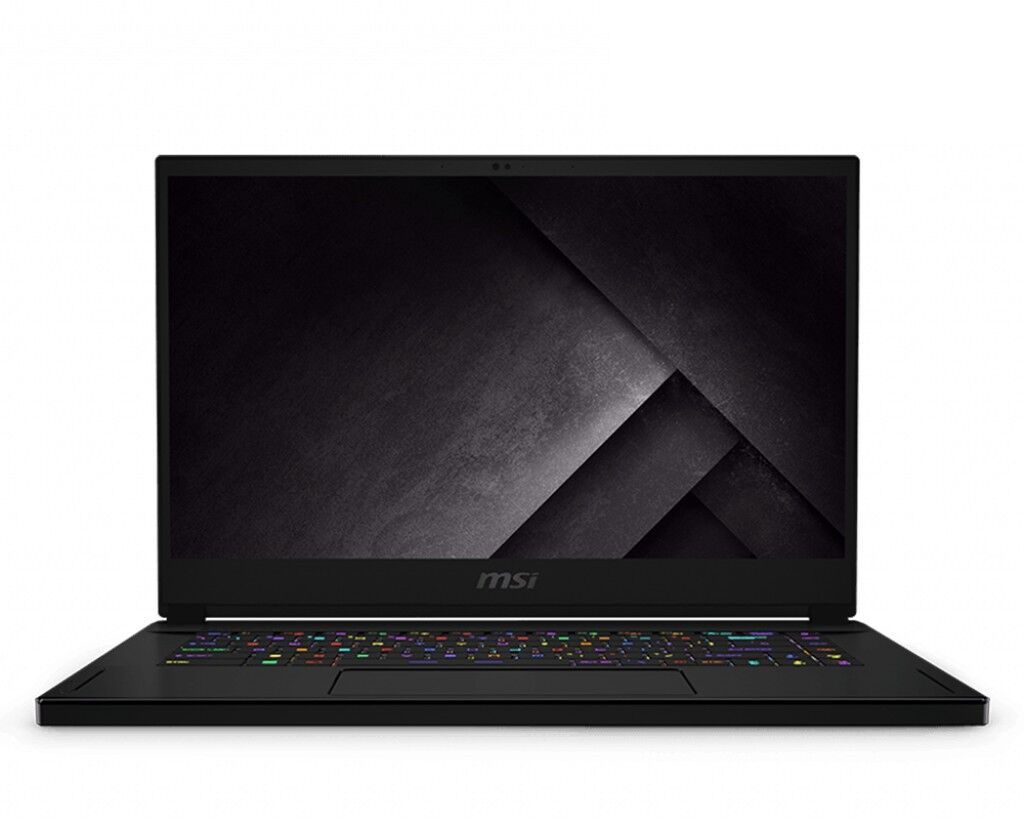
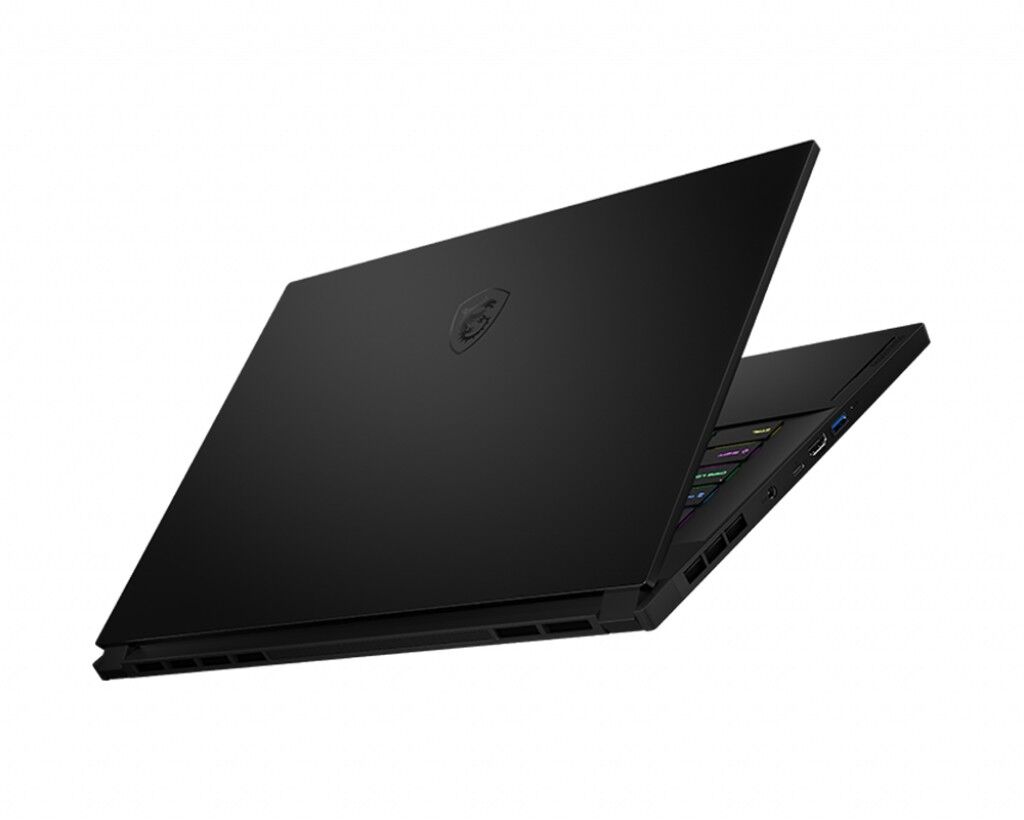
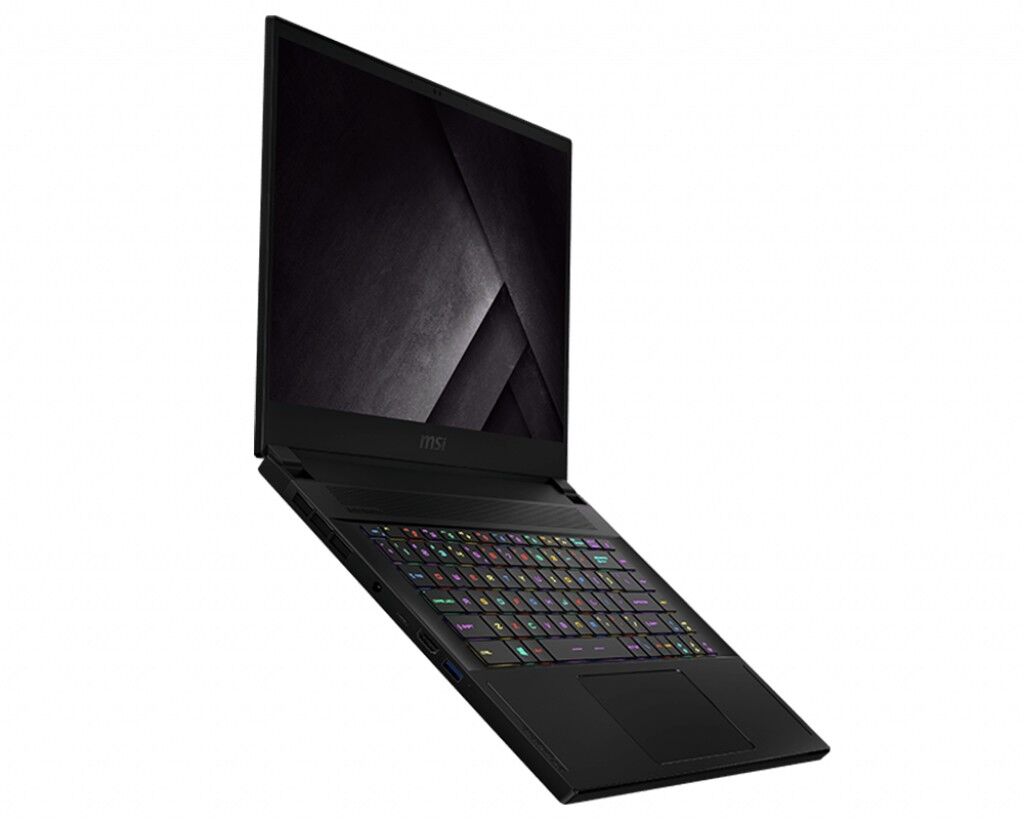
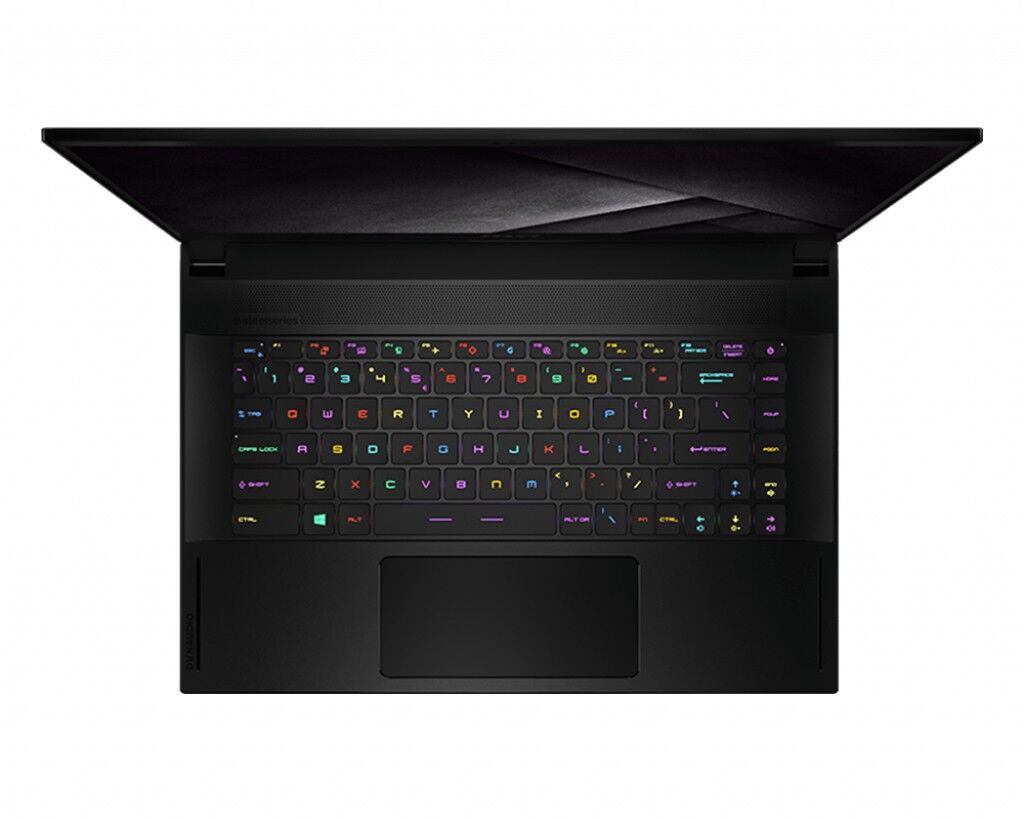
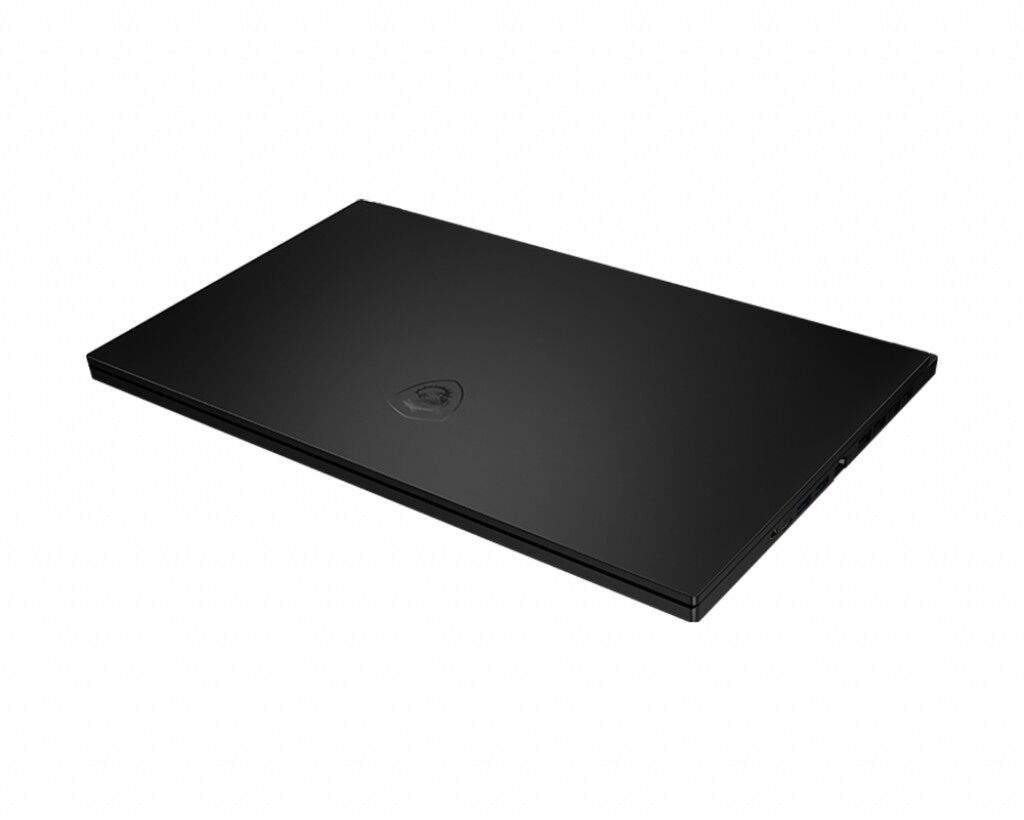
MSI GS66 Stealth 10SFS-426FR gaming laptop supports DDR4-SDRAM memory upgrades through 2x SO-DIMM slots. Maximum RAM capacity reaches 64 GB total. Compatible memory modules operate at 3200 MHz frequency and utilize SO-DIMM form factor specifications. Upgrade options allow expansion from factory-installed configuration to maximum supported capacity, with dual slot configuration enabling flexible memory expansion for enhanced system performance.
Memory Upgrade Specifications
| Specification | Value |
|---|---|
| Memory slots | 2x SO-DIMM |
| Form factor | SO-DIMM |
| Memory type | DDR4-SDRAM |
| Frequency | 3200 MHz |
| Maximum RAM | 64 GB |
| Voltage | 1.2V |
| Number of pins | 260-pin |
| Interface | PC4 |
| PC Speed Rating | PC4-3200 (PC4-25600) |
| Bandwidth | 25.6 GB/s |
| Laptop Release date | 16 June 2020 |
Additional Notes
- The 64 GB ceiling requires 32 GB modules in both slots, which represents the highest density SO-DIMM configuration available for DDR4 platforms.
- DDR4-3200 operation depends on JEDEC SPD profiles or XMP support in the BIOS, as non-standard frequencies above 2933 MHz require manufacturer validation for stability.
- Mixing different capacity modules will maintain dual-channel operation but may force the system into asymmetric or flex mode, potentially reducing bandwidth efficiency in memory-intensive workloads.
- The SO-DIMM form factor limits thermal headroom compared to desktop DIMMs, making sustained high-frequency operation more sensitive to ambient temperature and chassis ventilation.
- Accessing both memory slots in the MSI GS66 Stealth 10SFS-426FR typically requires full bottom panel removal, as gaming laptops in this category rarely provide dedicated access doors for individual DIMM replacement.
- Upgrading beyond the factory-installed configuration may void specific warranty coverage depending on regional service policies, even though memory replacement is technically user-accessible.
- The 3200 MHz frequency provides approximately 25.6 GB/s theoretical bandwidth per channel, meaning dual-channel configurations can approach 51.2 GB/s when both slots operate synchronously.
- DDR4 SO-DIMMs rated above 3200 MHz will downclock to match the validated frequency ceiling, making premium-speed modules functionally identical to standard 3200 MHz parts in this platform.
- Single-rank versus dual-rank module architecture affects latency and interleaving behavior, though SO-DIMM manufacturing constraints make dual-rank configurations less common at capacities below 16 GB per module.
- The 2 slot limitation means incremental upgrades require selling or repurposing existing modules rather than simply adding capacity to vacant slots.