MSI Gaming GS66 Stealth 10SF-427FR RAM upgrade specifications
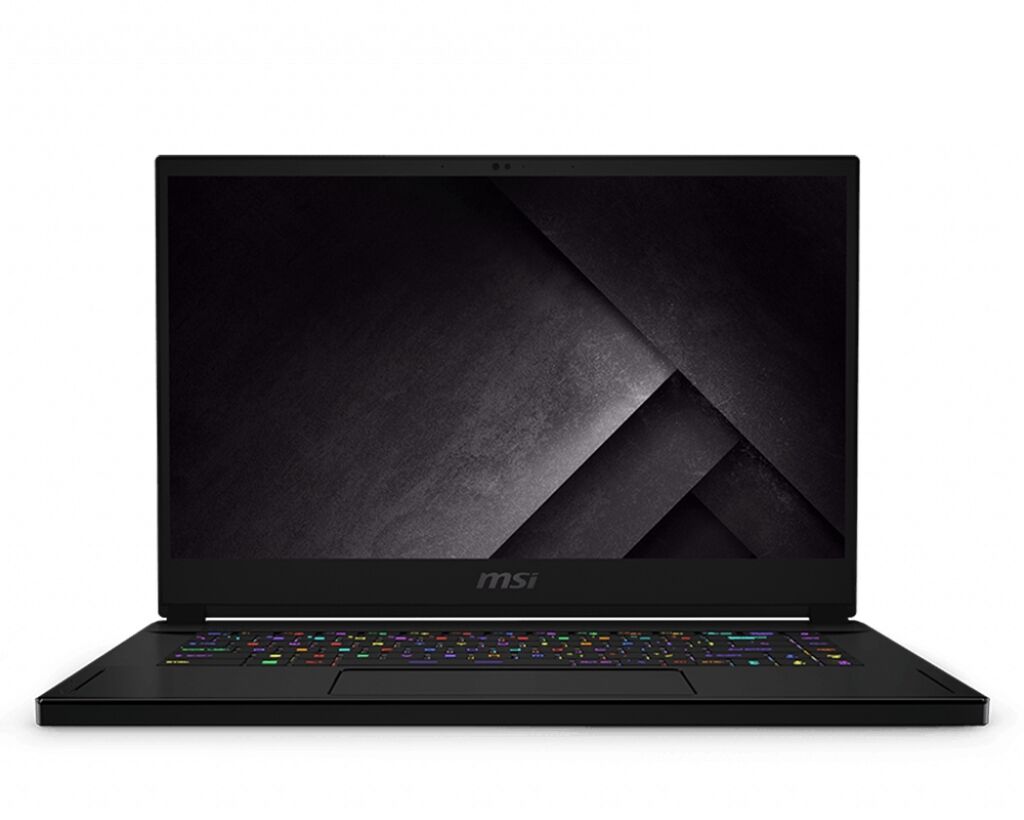
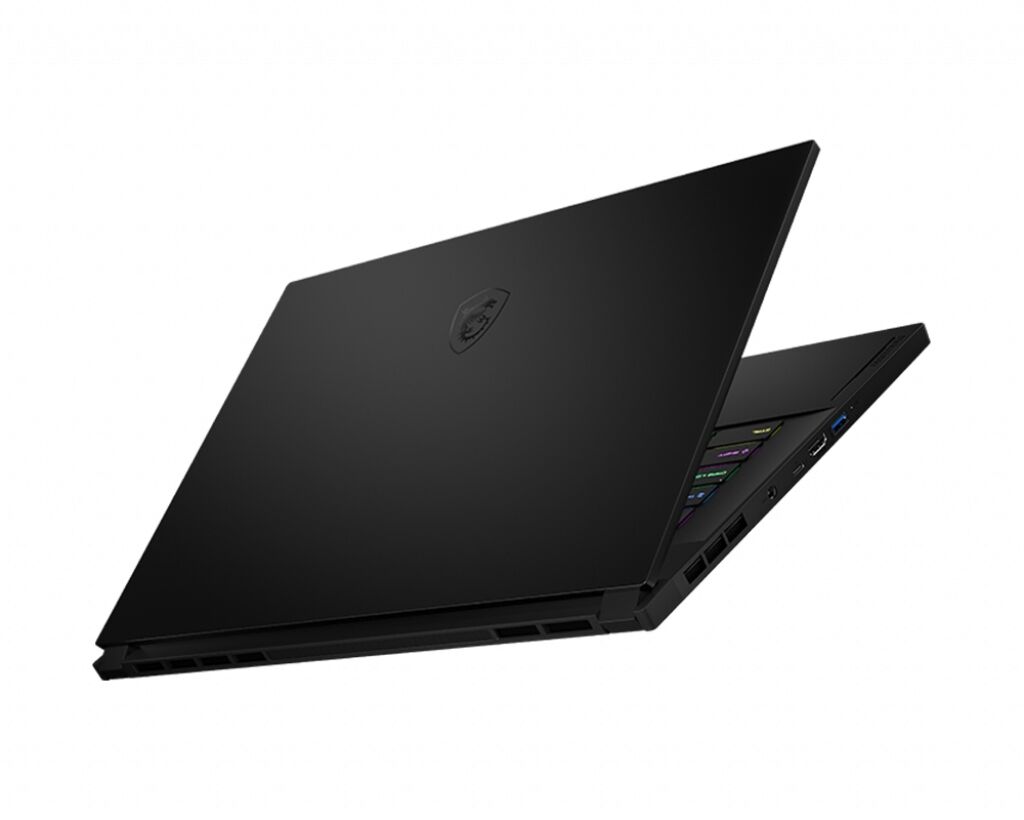
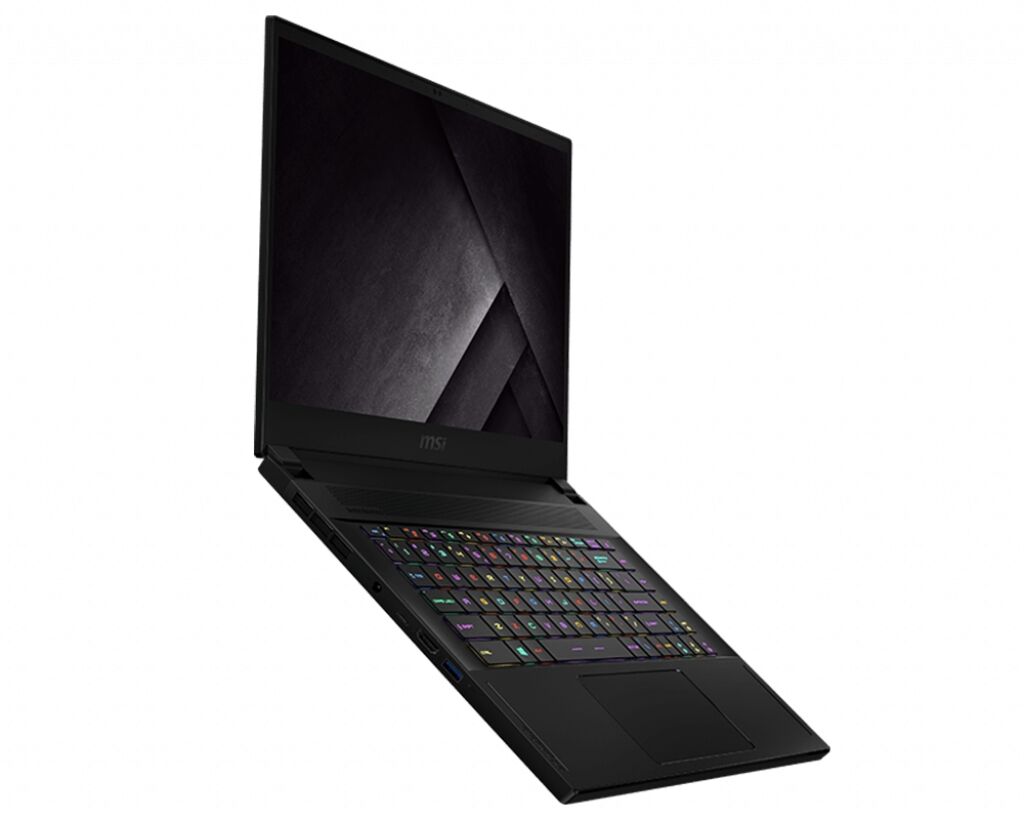
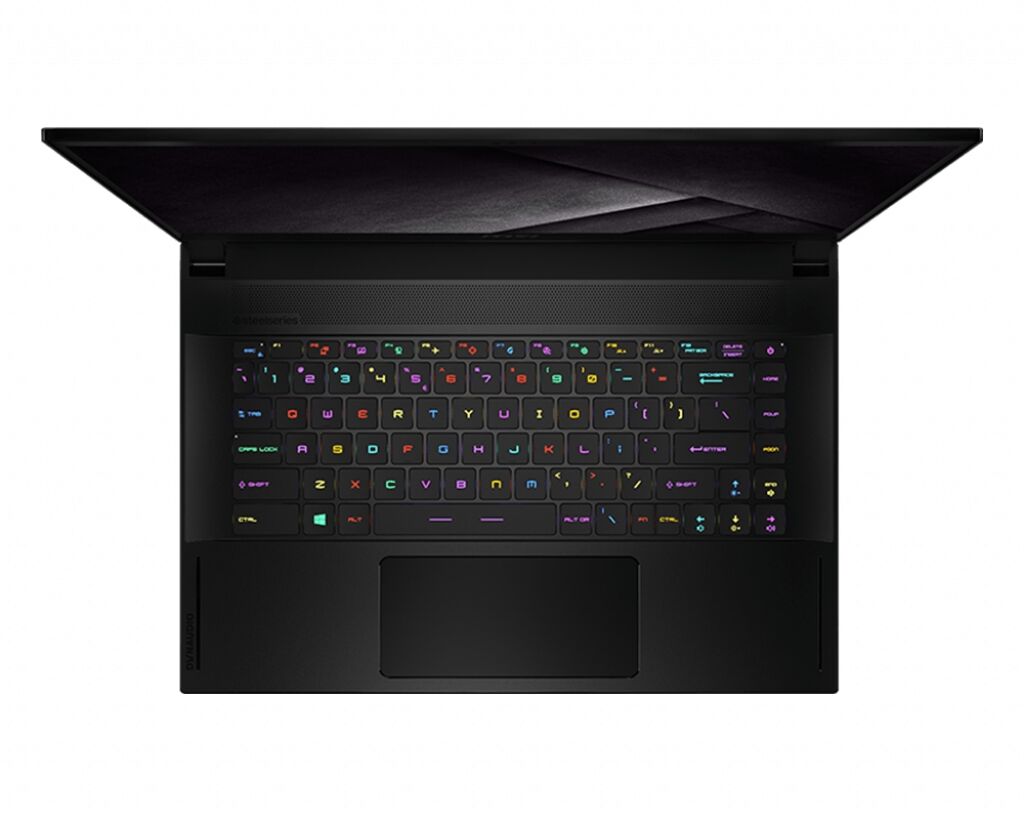
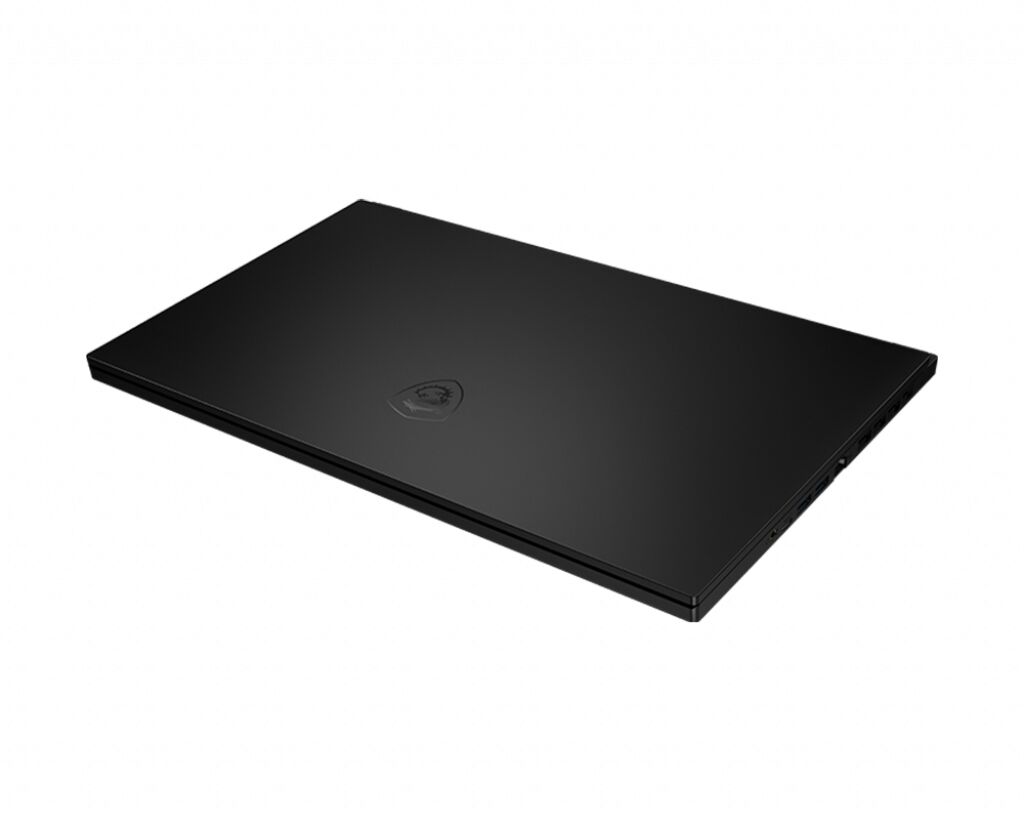
MSI GS66 Stealth 10SF-427FR gaming laptop supports DDR4-SDRAM memory upgrades with maximum RAM capacity of 64 GB. The system features 2x SO-DIMM slots for memory expansion. Compatible upgrade modules operate at 3200 MHz frequency and use SO-DIMM form factor. Specifications indicate support for dual-channel memory configuration, enabling users to enhance multitasking and application performance through RAM upgrades on this Gaming series model.
Memory Upgrade Specifications
| Specification | Value |
|---|---|
| Memory slots | 2x SO-DIMM |
| Form factor | SO-DIMM |
| Memory type | DDR4-SDRAM |
| Frequency | 3200 MHz |
| Maximum RAM | 64 GB |
| Voltage | 1.2V |
| Number of pins | 260-pin |
| Interface | PC4 |
| PC Speed Rating | PC4-3200 (PC4-25600) |
| Bandwidth | 25.6 GB/s |
| Laptop Release date | 22 August 2020 |
Additional Notes
- The MSI GS66 Stealth 10SF-427FR contains 2 SO-DIMM slots, meaning both slots must be populated simultaneously to avoid single-channel operation, which reduces memory bandwidth by approximately 50 percent and degrades CPU-to-memory latency.
- DDR4-3200 MHz compatibility limits upgrade options to modules manufactured within the JEDEC DDR4 standard; faster non-standard modules will operate at 3200 MHz regardless of rated speed, yielding no performance gain from premium-priced alternatives.
- The 64 GB maximum capacity ceiling (32 GB per SO-DIMM slot) means the system cannot accommodate future memory expansion beyond that threshold, eliminating scaling options for workloads demanding 96 GB or higher.
- SO-DIMM form factor requires complete module replacement rather than incremental additions; upgrading from 16 GB to 32 GB necessitates removing both existing modules and installing 2 new 16 GB modules, generating e-waste.
- DDR4-3200 MHz operates at 1.2V standard voltage; third-party modules using alternative voltage profiles may trigger BIOS errors or thermal throttling without providing compatibility warnings during installation.
- Dual-channel configuration through 2 slots demands matched pairs; mismatched modules (differing capacity, latency, or manufacturer) can cause intermittent crashes or BIOS boot failures despite both modules meeting DDR4-3200 specifications.
- Memory controller integration into the CPU architecture means RAM speed is locked by processor generation; upgrading to faster DDR4 modules provides no benefit on 10th-generation Intel or AMD Ryzen 4000 series processors.