MSI Gaming GS66 Stealth 10SGS-423FR RAM upgrade specifications
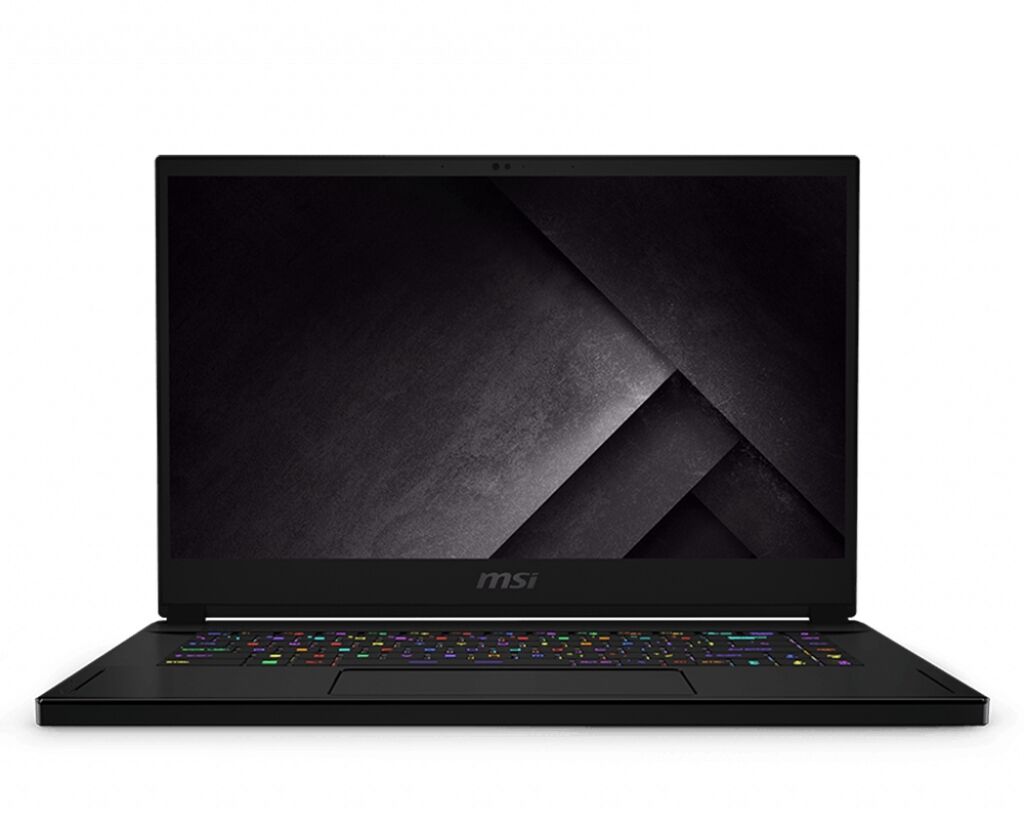

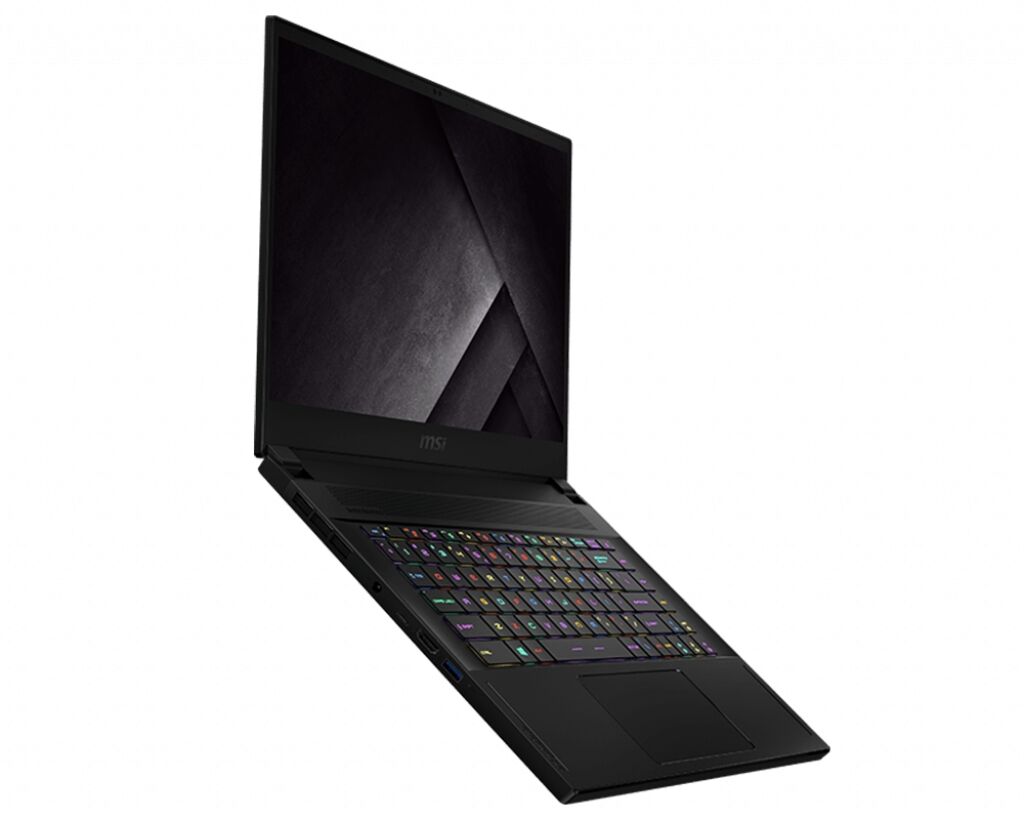
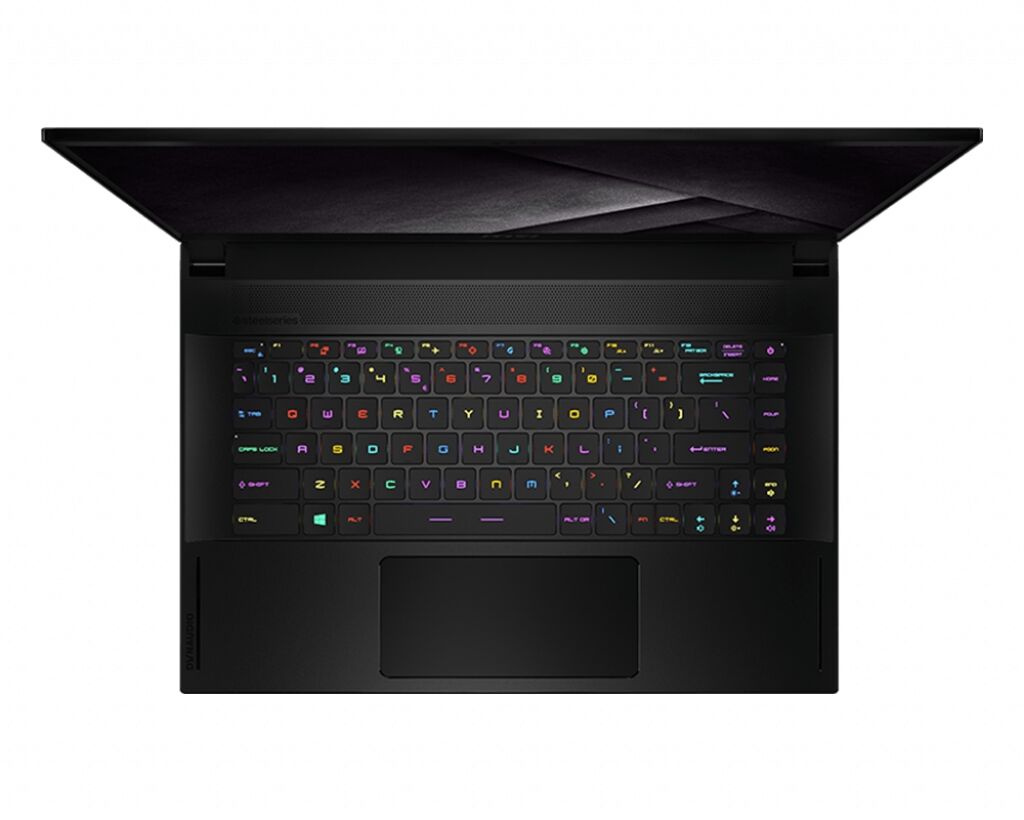
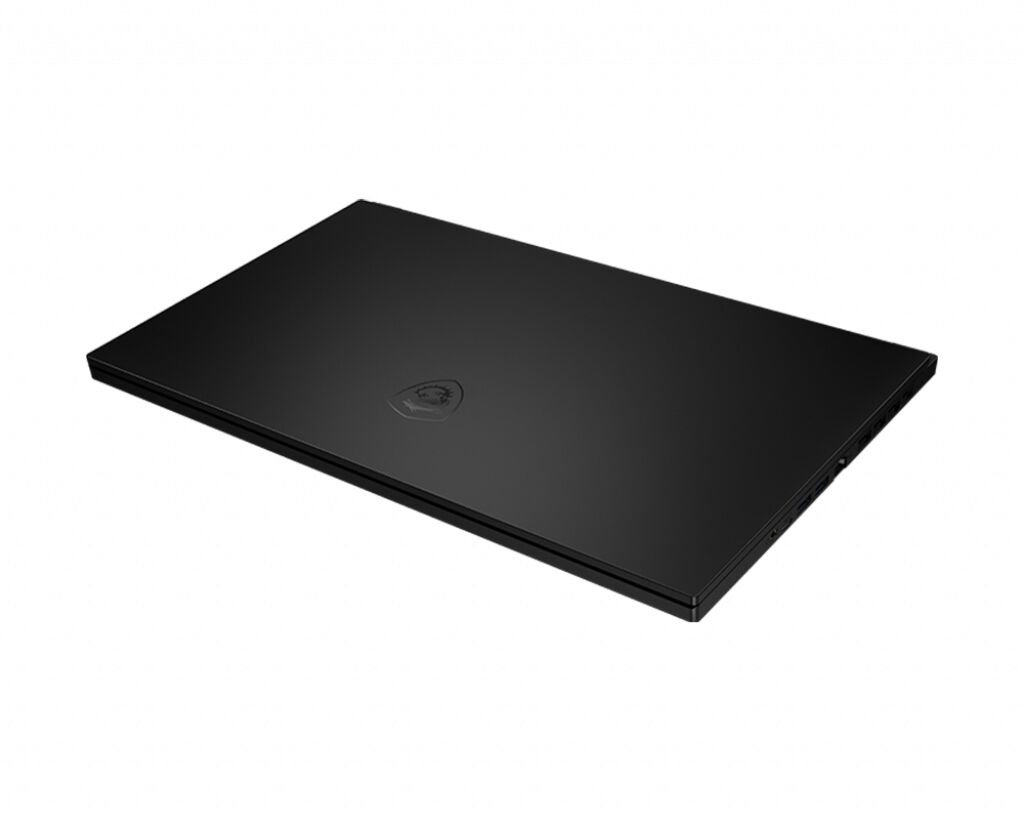
MSI GS66 Stealth 10SGS-423FR gaming laptop features two SO-DIMM slots compatible with DDR4-SDRAM memory modules. The system supports maximum RAM capacity of 64 GB total, with compatible memory operating at 3200 MHz frequency. Upgrade specifications indicate DDR4 SO-DIMM form factor memory is required for compatibility with this gaming series laptop model. Maximum supported capacity accommodates memory expansion for enhanced multitasking and performance requirements.
Memory Upgrade Specifications
| Specification | Value |
|---|---|
| Memory slots | 2x SO-DIMM |
| Form factor | SO-DIMM |
| Memory type | DDR4-SDRAM |
| Frequency | 3200 MHz |
| Maximum RAM | 64 GB |
| Voltage | 1.2V |
| Number of pins | 260-pin |
| Interface | PC4 |
| PC Speed Rating | PC4-3200 (PC4-25600) |
| Bandwidth | 25.6 GB/s |
| Laptop Release date | 13 October 2020 |
Additional Notes
- Dual channel architecture requires matching module pairs to achieve full memory bandwidth and prevent data transfer bottlenecks during heavy computational tasks.
- The MSI GS66 Stealth 10SGS-423FR internal chassis design necessitates the removal of the entire bottom plate for component access which involves delicate ribbon cables and may require breaking a factory seal.
- The 64 GB threshold represents the hardware address limit of the integrated memory controller preventing any future expansion beyond 32 GB modules per slot.
- Low voltage 1.2V modules are required for operation to maintain thermal efficiency and ensure compatibility with the existing power delivery system.
- High density 3200 MHz modules will automatically downclock to 2933 MHz if the installed processor does not support the maximum bus frequency of the RAM.
- Asymmetrical memory configurations using different capacities per slot will disable dual channel mode and revert the system to slower single channel performance.
- Installation of aftermarket modules with aggressive XMP profiles may require manual BIOS adjustments to reach listed speeds due to conservative default power limits.