MSI Gaming GS66 Stealth 11UG RAM upgrade specifications
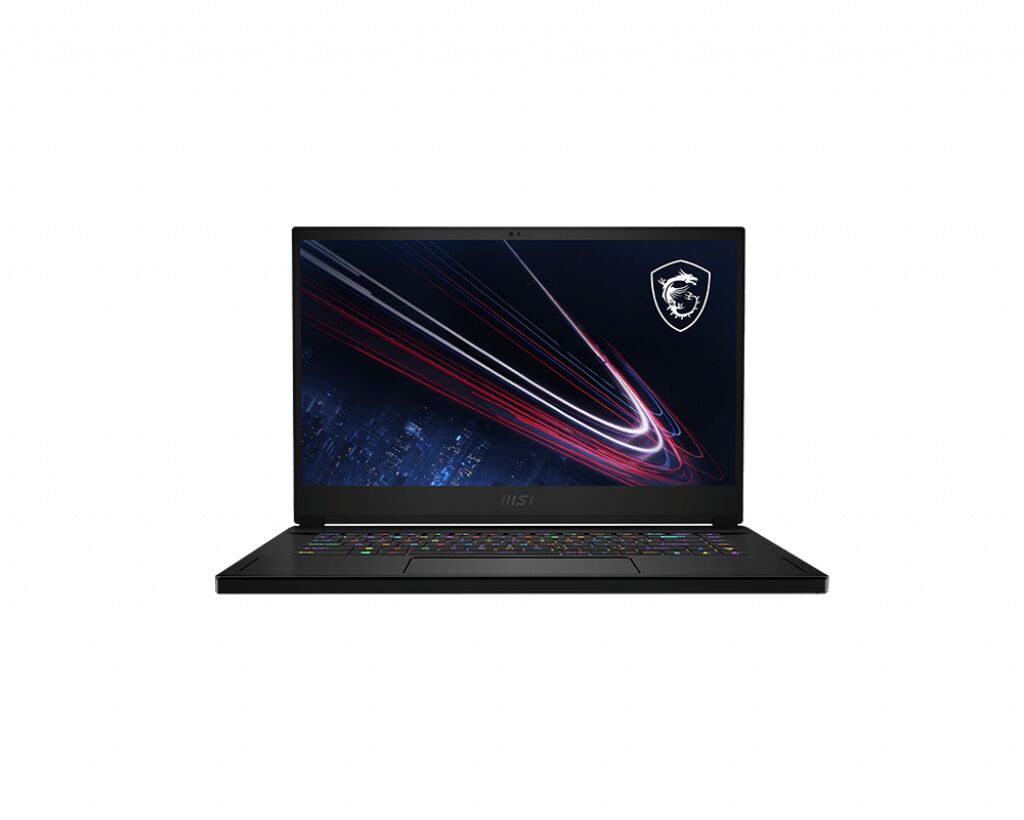

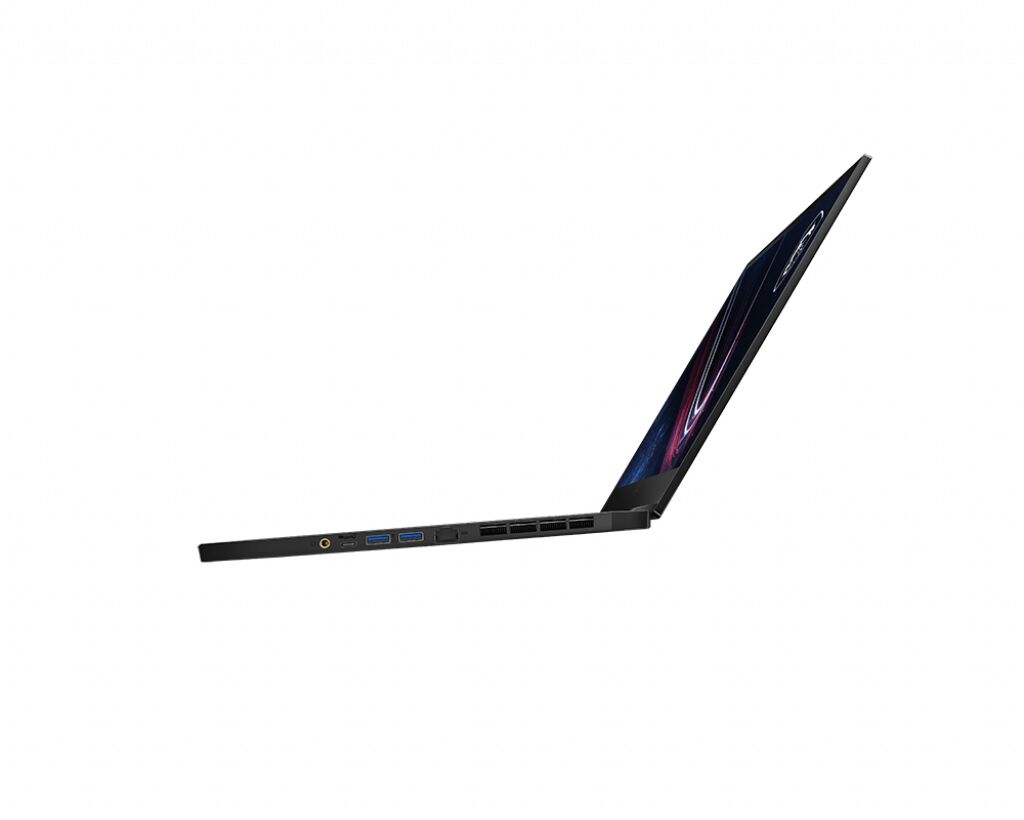
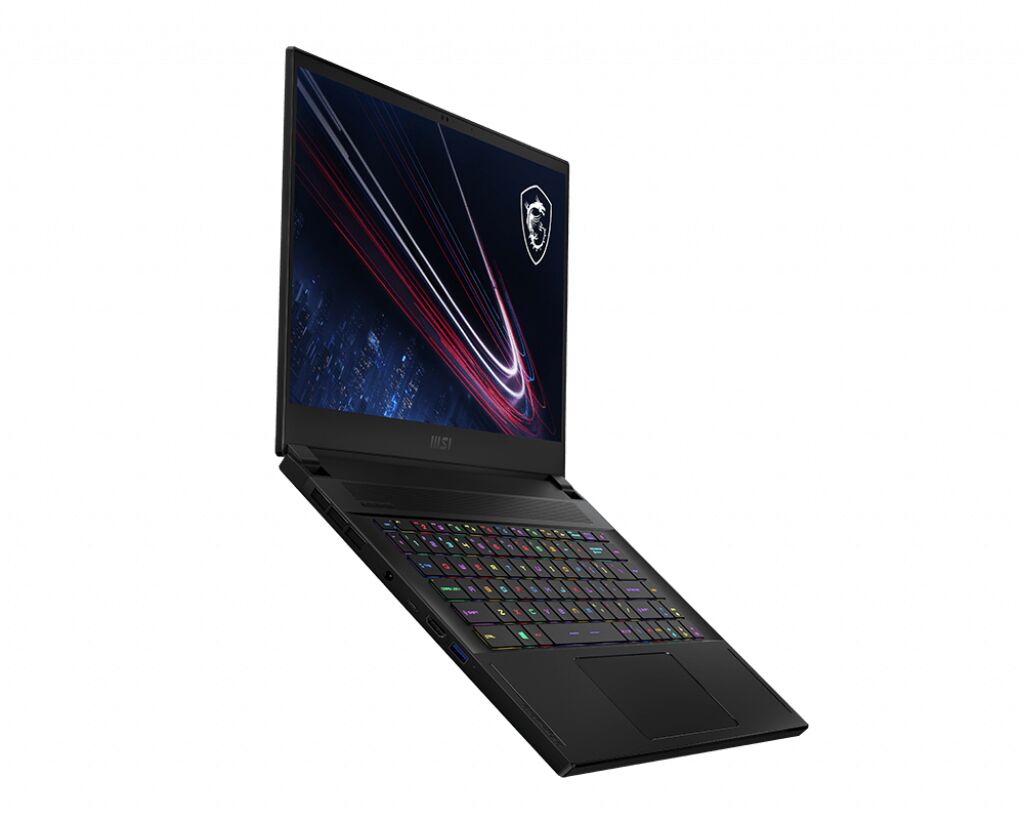
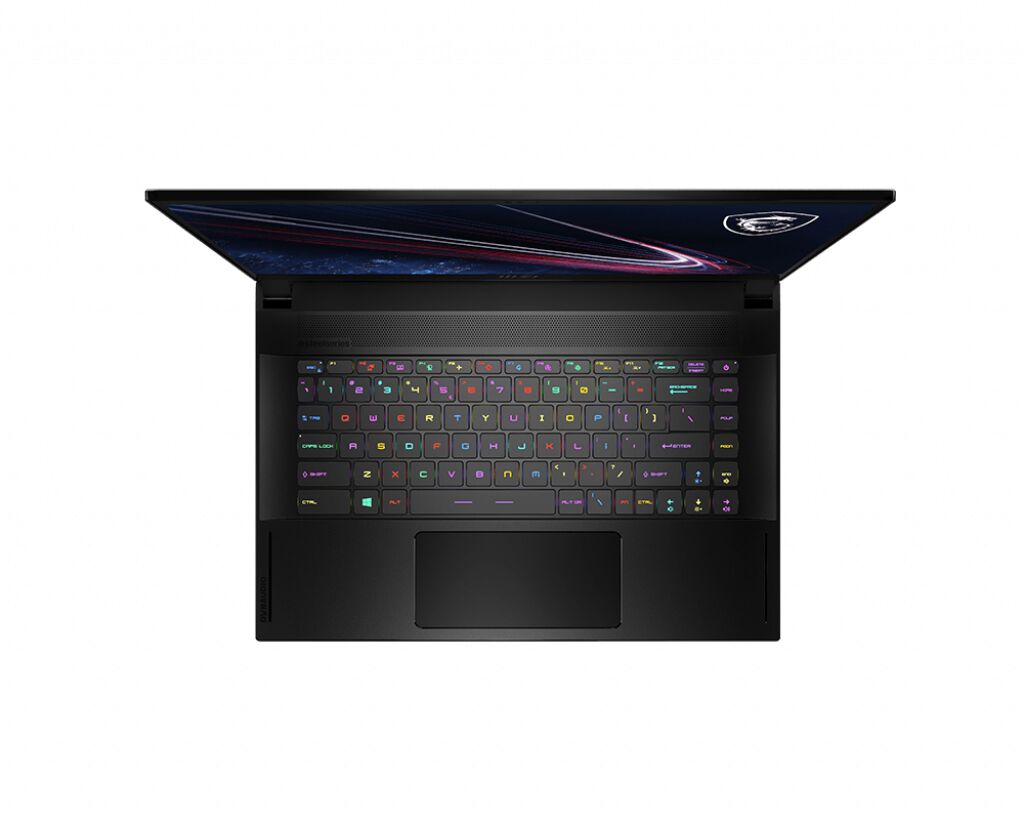
The MSI GS66 Stealth 11UG gaming laptop supports DDR4-SDRAM memory upgrades with two SO-DIMM slots. Maximum compatible RAM capacity reaches 64 GB total, with specifications supporting 3200 MHz frequency modules. Upgrade slots accommodate standard SO-DIMM form factor memory modules, enabling configuration flexibility for enhanced multitasking and performance demands on the GS series gaming platform.
Memory Upgrade Specifications
| Specification | Value |
|---|---|
| Memory slots | 2x SO-DIMM |
| Form factor | SO-DIMM |
| Memory type | DDR4-SDRAM |
| Frequency | 3200 MHz |
| Maximum RAM | 64 GB |
| Voltage | 1.2V |
| Number of pins | 260-pin |
| Interface | PC4 |
| PC Speed Rating | PC4-3200 (PC4-25600) |
| Bandwidth | 25.6 GB/s |
| Laptop Release date | 13 May 2021 |
Additional Notes
- The MSI GS66 Stealth 11UG enforces a 32 GB per-slot ceiling, restricting configurations to either 2x32 GB for the maximum capacity or asymmetric pairings that sacrifice dual-channel bandwidth efficiency.
- DDR4-3200 represents the official supported frequency, though modules rated at higher speeds will downclock to this standard, wasting any premium paid for faster binned chips.
- SO-DIMM module height must not exceed standard thickness specifications, as gaming chassis thermal solutions often leave minimal vertical clearance above memory slots.
- Installing RAM modules with differing CAS latencies forces the memory controller to adopt the slower timing profile across both channels, degrading effective performance.
- The dual-channel architecture requires matched capacity modules in both slots to achieve full bandwidth utilization, making single-stick upgrades inefficient for bandwidth-dependent tasks.
- Warranty preservation typically requires avoiding disassembly procedures that damage tamper seals, though memory access panels on gaming models generally remain excluded from such restrictions.
- Non-ECC unbuffered modules represent the only compatible architecture, as the mobile platform lacks validation for error-correcting or registered memory types.
- Mixing RAM generations remains physically impossible, preventing accidental installation of incompatible DDR3 or DDR5 modules despite SO-DIMM form factor similarities.
- The 3200 MHz native frequency eliminates BIOS-level XMP profile configuration requirements, as the speed operates within JEDEC standard specifications rather than overclocked territories.
- Thermal considerations become relevant at maximum density configurations, where 2x32 GB modules generate more heat than lower-capacity configurations during sustained memory-intensive workloads.