MSI Gaming GS66 Stealth 11UH-286FR RAM upgrade specifications
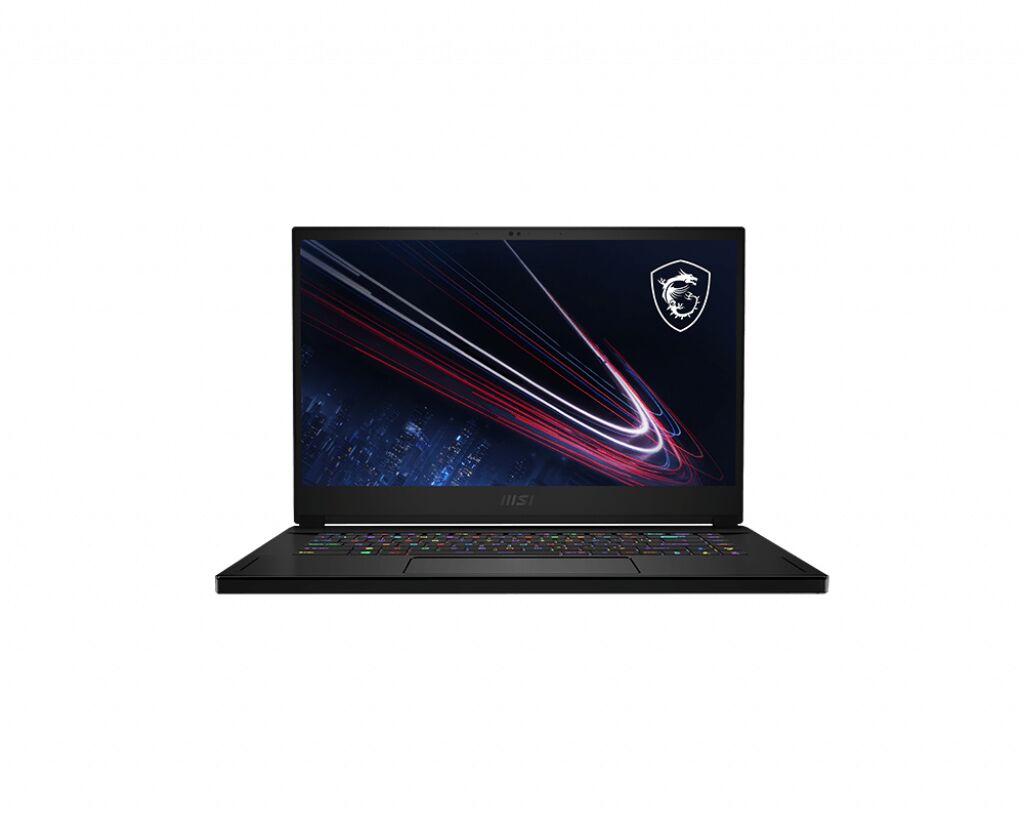
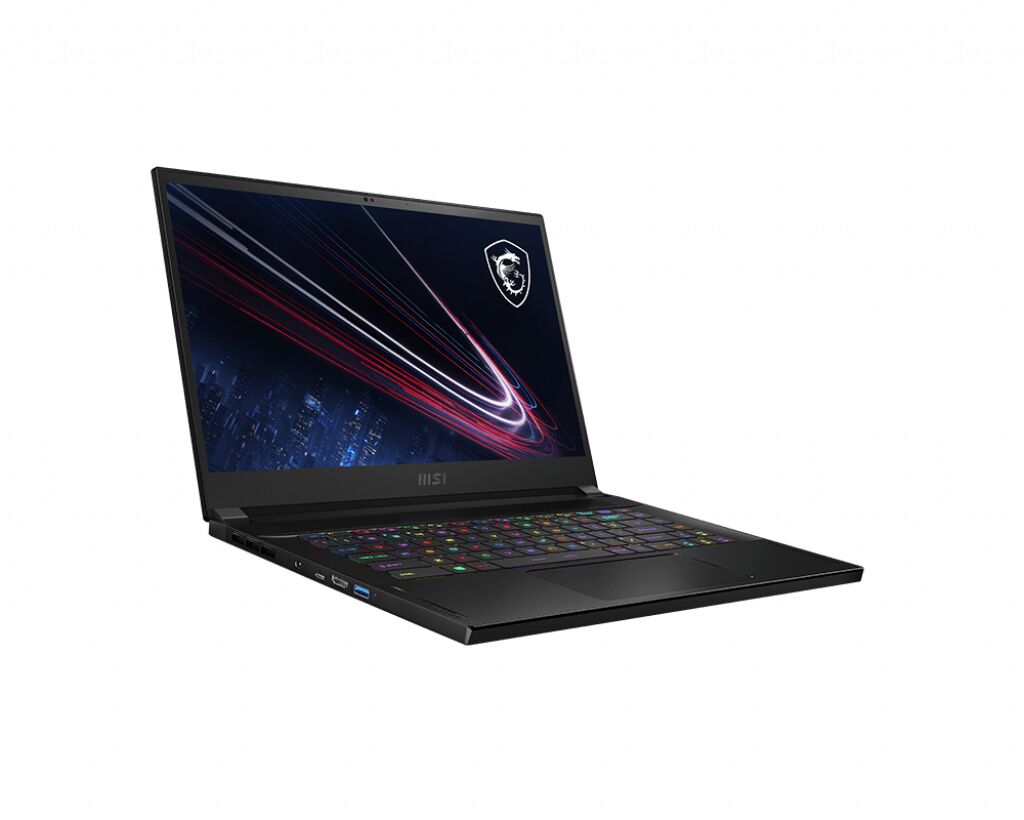
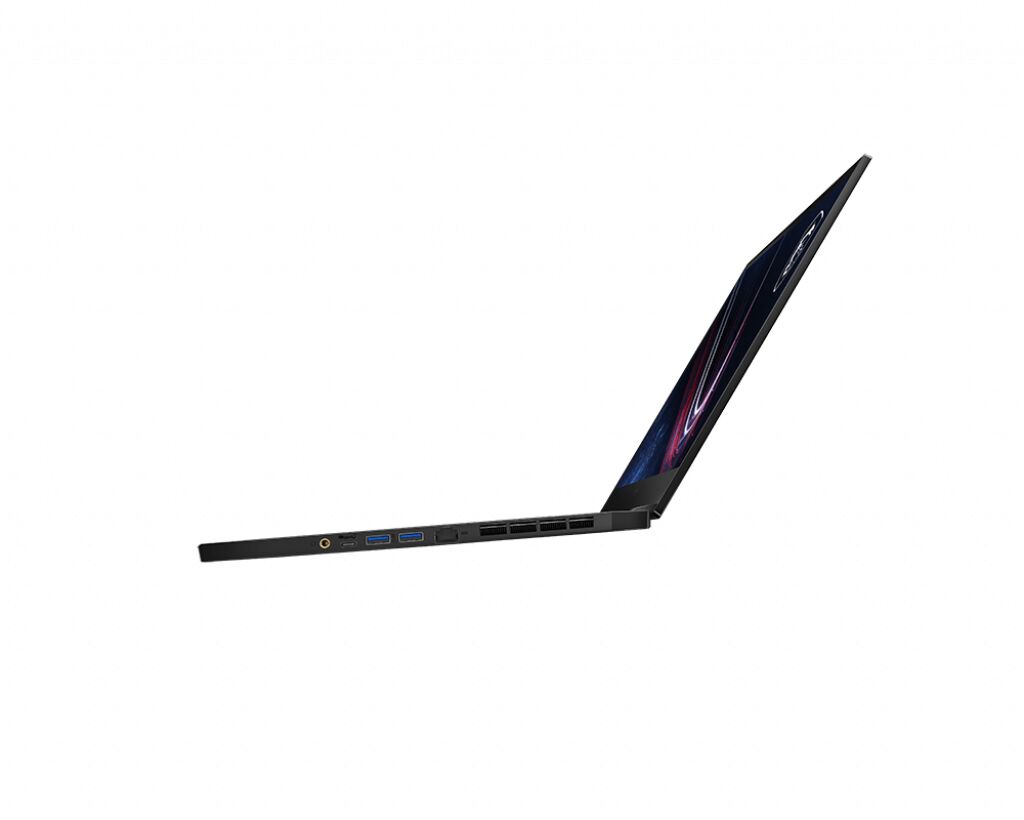
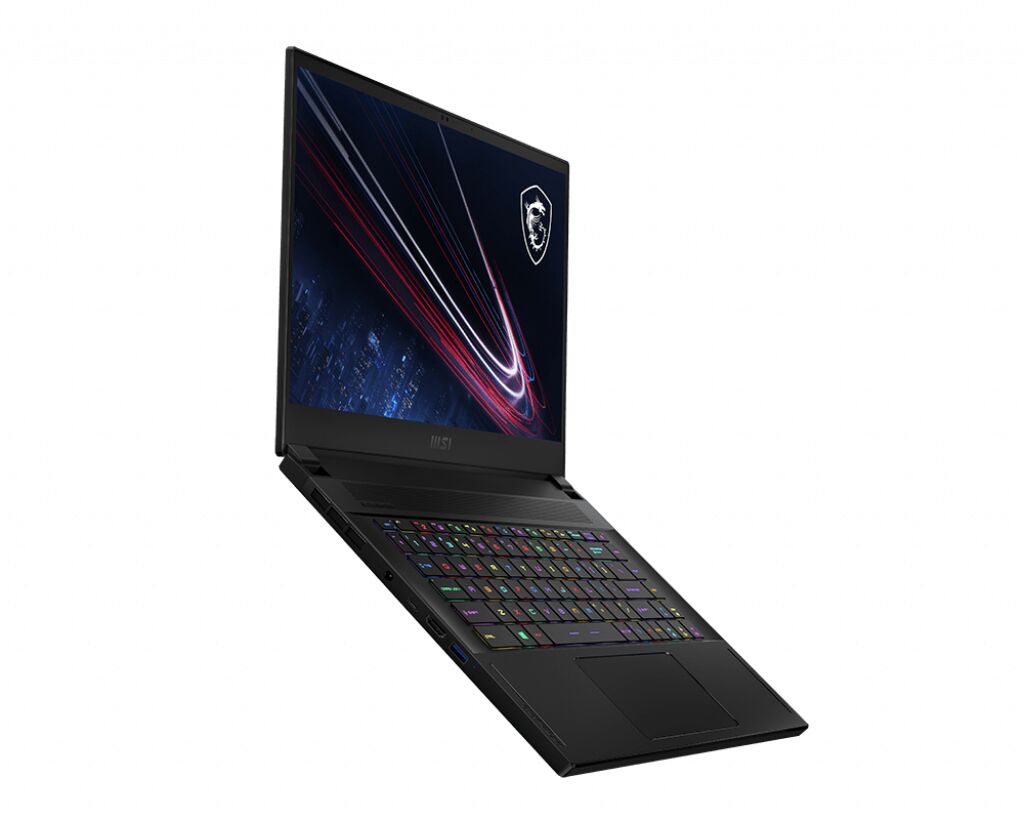
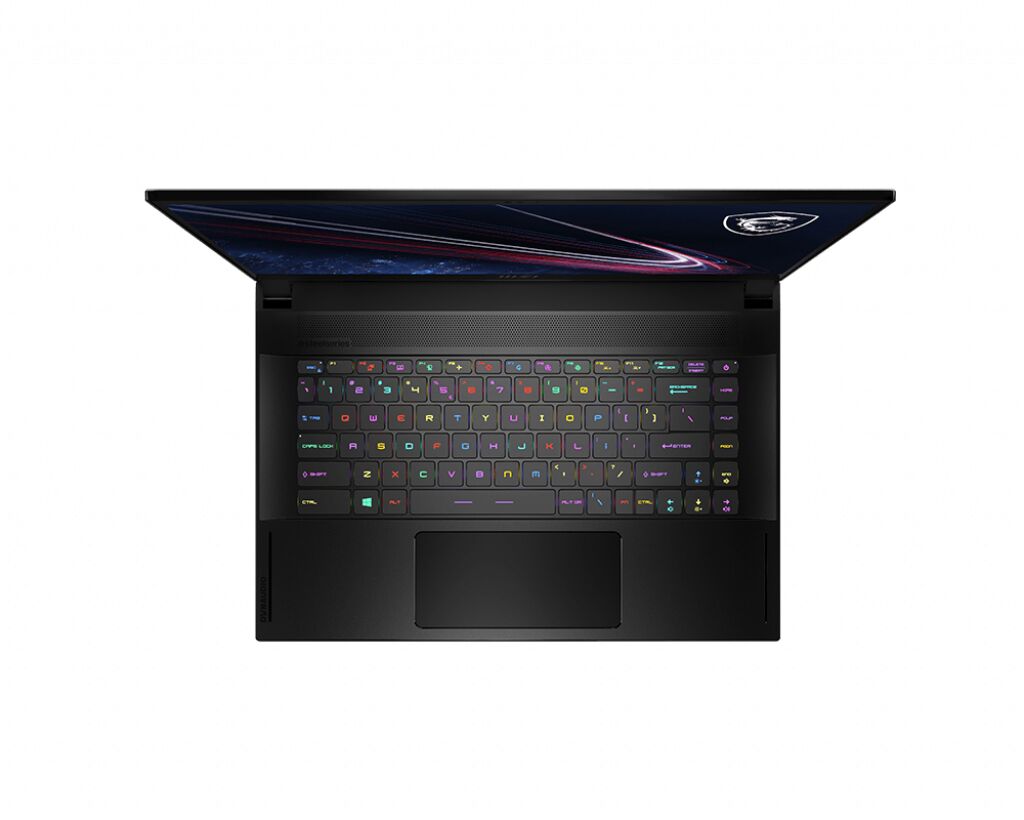
MSI GS66 Stealth 11UH-286FR gaming laptop supports DDR4-SDRAM memory upgrades through two accessible SO-DIMM slots. Maximum compatible RAM capacity reaches 64 GB total, operating at 3200 MHz frequency. Upgrade specifications enable performance enhancement for demanding applications and multitasking. Memory modules must match SO-DIMM form factor and DDR4 standard for compatibility. Existing memory configuration can be expanded or replaced to achieve maximum supported capacity. Specifications ensure seamless integration with laptop's 11th generation processor architecture.
Memory Upgrade Specifications
| Specification | Value |
|---|---|
| Memory slots | 2x SO-DIMM |
| Form factor | SO-DIMM |
| Memory type | DDR4-SDRAM |
| Frequency | 3200 MHz |
| Maximum RAM | 64 GB |
| Voltage | 1.2V |
| Number of pins | 260-pin |
| Interface | PC4 |
| PC Speed Rating | PC4-3200 (PC4-25600) |
| Bandwidth | 25.6 GB/s |
| Laptop Release date | 01 July 2021 |
Additional Notes
- The MSI GS66 Stealth 11UH-286FR utilizes laptop-grade SO-DIMM memory architecture, which restricts upgrade options to compact modules incompatible with desktop DDR4 systems and limits physical space for thermal management around populated slots.
- Dual-slot configuration creates a performance symmetry opportunity: installing 2x32GB modules achieves maximum 64GB capacity while maintaining matched-pair bandwidth delivery, whereas asymmetrical configurations (e.g., 1x32GB + 1x16GB) may trigger single-channel operation on one DIMM slot depending on BIOS implementation.
- 3200 MHz rating establishes the memory speed ceiling; modules exceeding this specification will downclock to 3200 MHz, wasting purchase investment on premium-tier RAM modules rated for higher frequencies.
- SO-DIMM form factor necessitates removal of base panels and potential keyboard/palmrest disassembly for access, creating higher risk of voiding warranty coverage if non-authorized service is performed; manufacturer service remains the warranty-safe upgrade path.
- DDR4 architecture in this generation sits at end-of-lifecycle status; upcoming platform transitions will render DDR4 modules obsolete, constraining long-term reusability of upgraded RAM in future system builds.
- 64GB ceiling imposes practical limits on workloads involving large-scale virtual machine deployment or real-time 3D rendering; users approaching 48GB+ utilization patterns may face performance degradation from swap-to-storage mechanisms rather than insufficient capacity.