MSI Gaming GS70 2QE Stealth Pro 607-HID04 RAM upgrade specifications
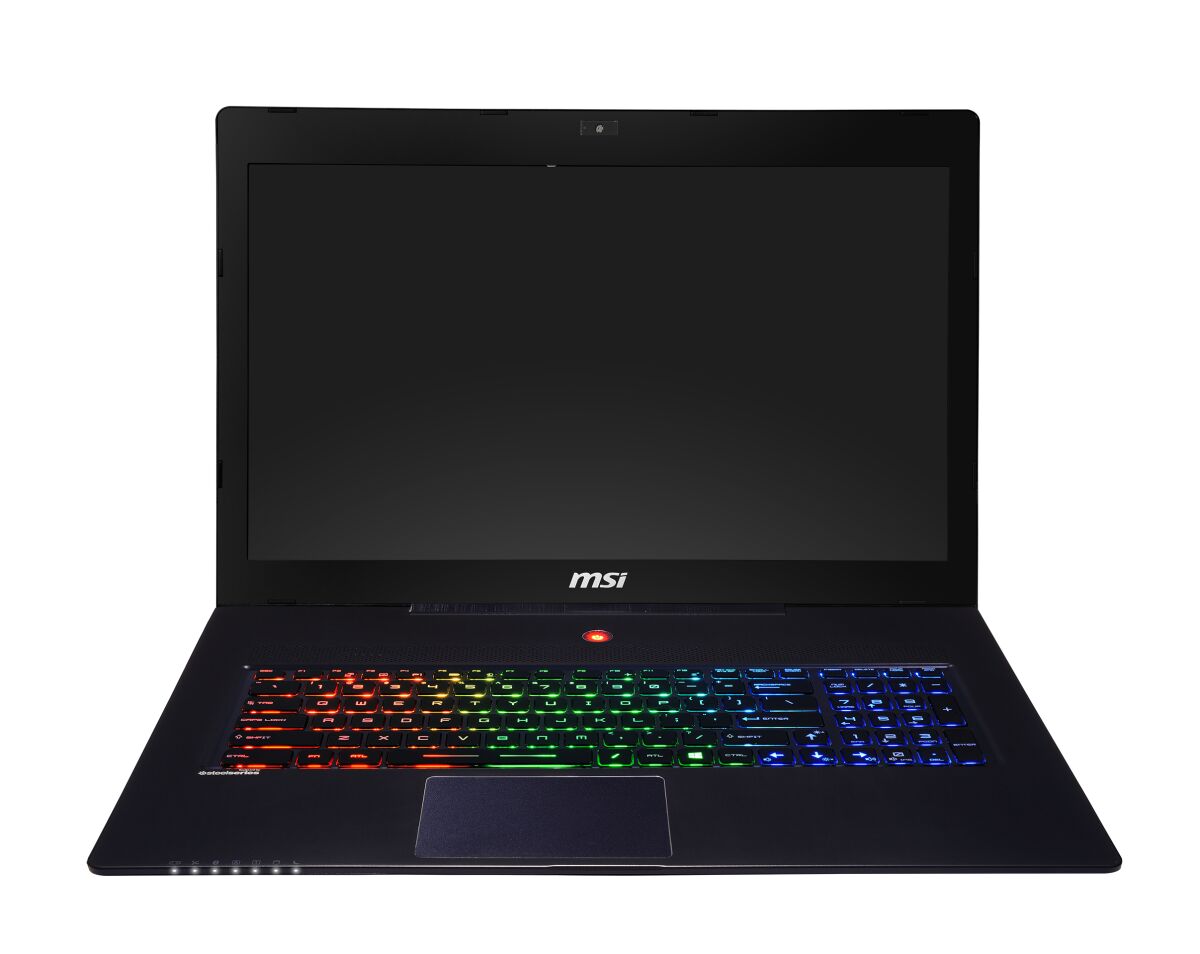
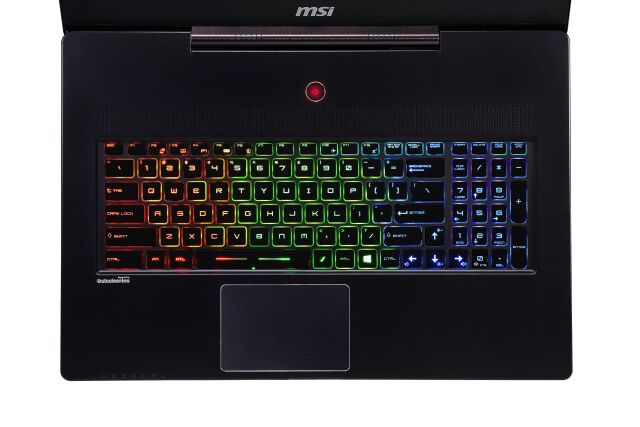
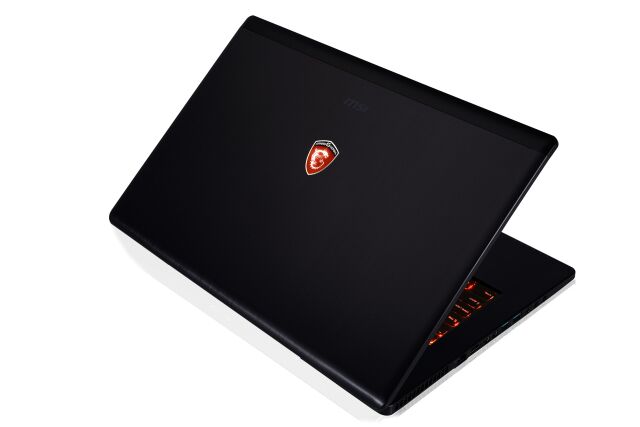
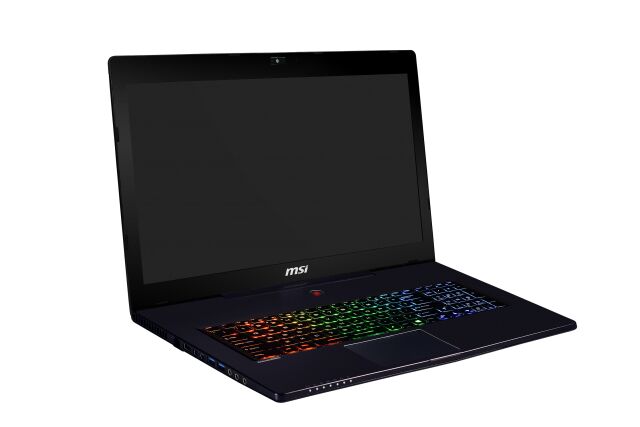
MSI GS70 2QE Stealth Pro 607-HID04 gaming laptop memory upgrade specifications indicate DDR3L-SDRAM compatibility with maximum capacity of 16 GB across 2x SO-DIMM slots. Compatible memory modules operate at 1600 MHz frequency. Upgrade options available for this GS series model support SO-DIMM form factor, enabling RAM expansion within specified slot limitations and maximum capacity constraints for enhanced performance.
Memory Upgrade Specifications
| Specification | Value |
|---|---|
| Memory slots | 2x SO-DIMM |
| Form factor | SO-DIMM |
| Memory type | DDR3L-SDRAM |
| Frequency | 1600 MHz |
| Maximum RAM | 16 GB |
| Voltage | 1.35V (Low Voltage) |
| Number of pins | 204-pin |
| Interface | PC3L |
| PC Speed Rating | PC3L-1600 (PC3L-12800) |
| Bandwidth | 12.8 GB/s |
| Laptop Release date | 15 February 2018 |
Additional Notes
- The DDR3L low voltage specification (1.35V versus standard 1.5V) requires modules explicitly rated for reduced power operation to avoid potential hardware damage or system instability.
- The MSI GS70 2QE Stealth Pro 607-HID04 dual-channel architecture achieves optimal memory bandwidth only when identical capacity modules occupy both slots simultaneously.
- The 16 GB ceiling translates to a maximum configuration of 2x 8 GB modules, eliminating flexibility for asymmetric configurations like 4 GB plus 12 GB combinations.
- PC3-12800 rating corresponds to the 1600 MHz frequency specification, establishing the minimum transfer rate standard for compatible modules.
- SO-DIMM physical dimensions (67.6mm versus desktop 133.35mm) prevent accidental installation of full-size DIMM modules, though aftermarket sellers occasionally mislabel form factors.
- Higher frequency modules (1866 MHz or 2133 MHz) will downclock to 1600 MHz automatically, offering no performance advantage while potentially increasing cost.
- Non-ECC unbuffered modules represent the only compatible architecture, as gaming platforms lack the chipset support for error-correcting or registered memory.
- Mixed module timings (CAS latency variations between slots) may force the memory controller to operate at the slowest common denominator, reducing effective performance.
- The soldered memory controller lacks support for DDR4 standards, making this platform incompatible with newer low-voltage memory technologies regardless of physical adapters.
- Thermal considerations in the thin Stealth Pro chassis favor modules with aluminum or copper heat spreaders to prevent throttling during sustained gaming workloads.
- Base panel removal typically requires TORX T5 and Phillips #0 drivers, with warranty seals potentially voiding manufacturer coverage depending on regional regulations.
- Single-slot population (leaving one slot empty) halves theoretical memory bandwidth from 25.6 GB/s to 12.8 GB/s in benchmarks, directly impacting integrated graphics performance.