MSI Gaming GS75 10SE-050 Stealth RAM upgrade specifications
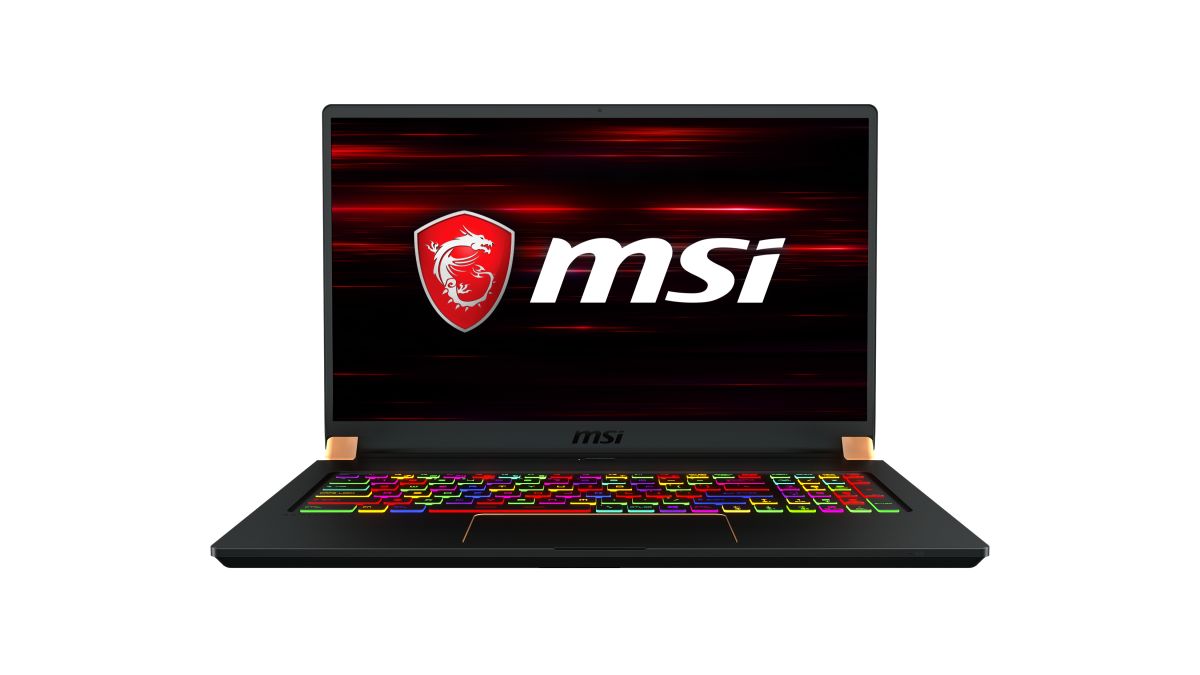
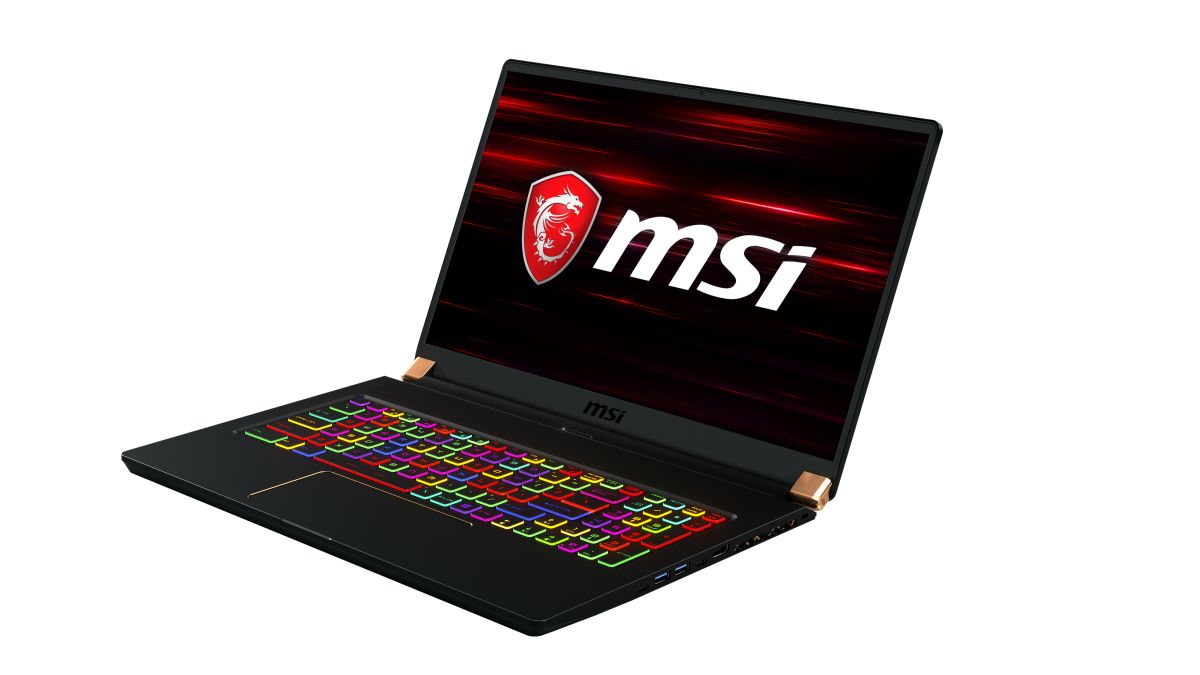
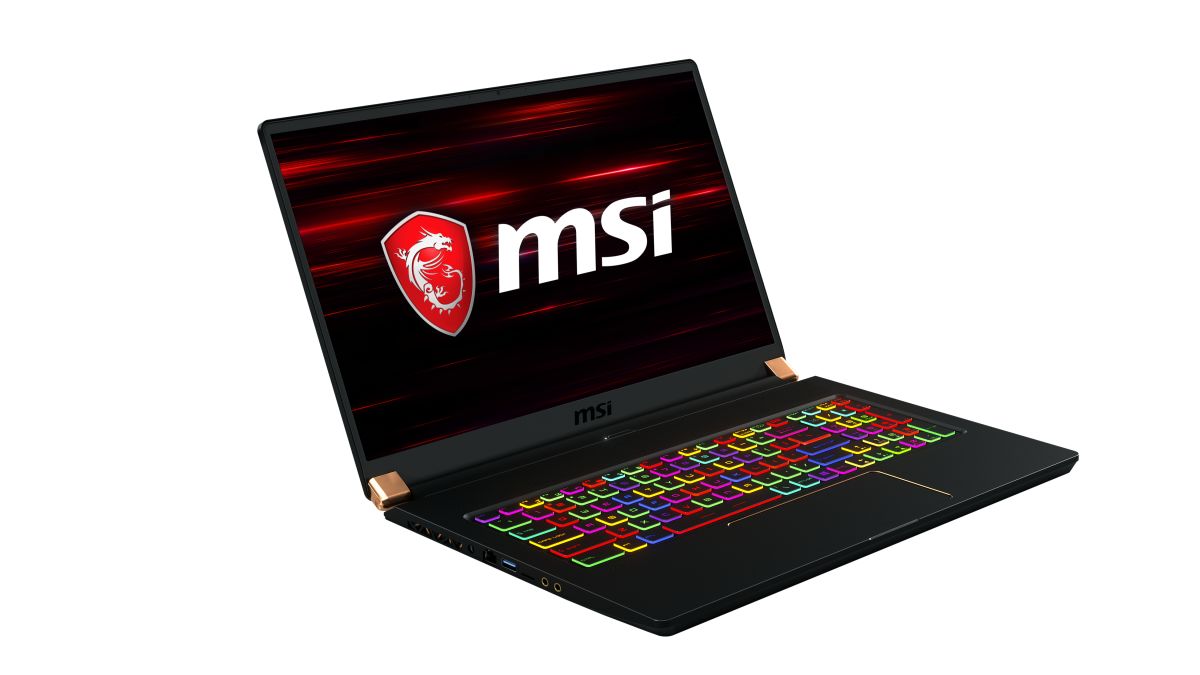

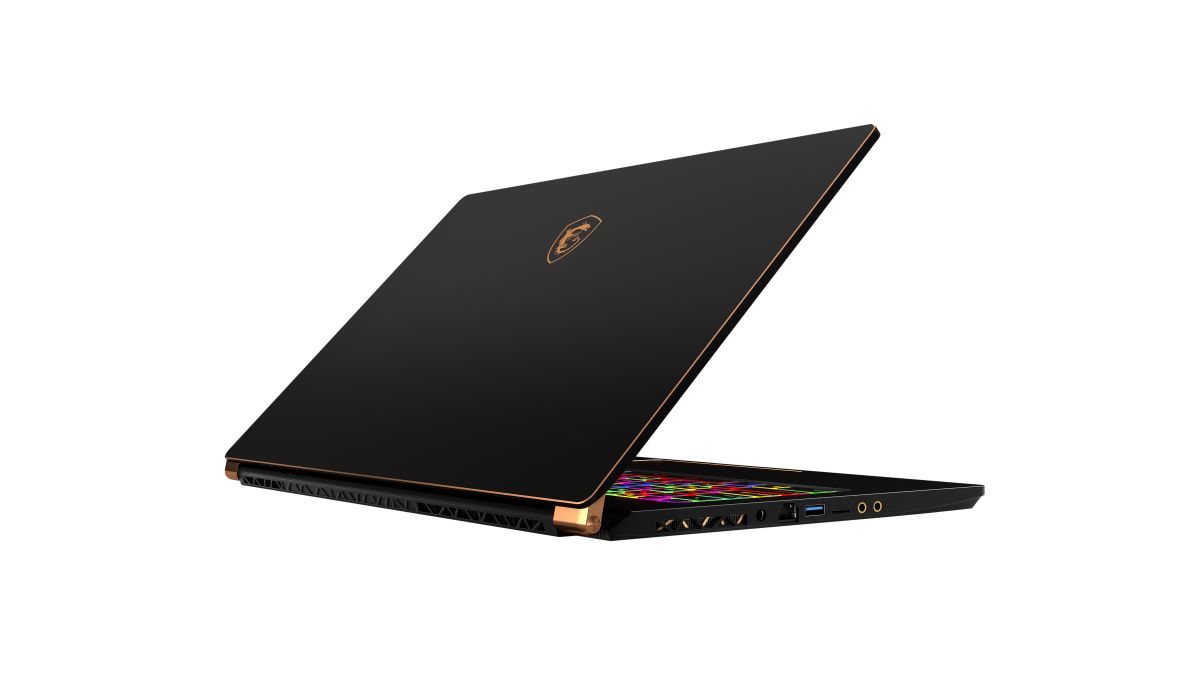
The MSI GS75 10SE-050 Stealth gaming laptop supports DDR4-SDRAM memory upgrades with two SO-DIMM slots for maximum capacity of 64 GB. Compatible upgrades utilize DDR4 modules operating at 2666 MHz frequency. The GS series Gaming family model features SO-DIMM form factor memory specifications, allowing RAM upgrade configurations to enhance system performance and multitasking capabilities.
Memory Upgrade Specifications
| Specification | Value |
|---|---|
| Memory slots | 2x SO-DIMM |
| Form factor | SO-DIMM |
| Memory type | DDR4-SDRAM |
| Frequency | 2666 MHz |
| Maximum RAM | 64 GB |
| Voltage | 1.2V |
| Number of pins | 260-pin |
| Interface | PC4 |
| PC Speed Rating | PC4-2666 (PC4-21328) |
| Bandwidth | 21.3 GB/s |
| Laptop Release date | 27 April 2020 |
Additional Notes
- The MSI GS75 10SE-050 Stealth supports DDR4-3200 modules despite factory configuration at 2666 MHz, enabling latency reduction and bandwidth gains through BIOS adjustment without hardware replacement.
- 2 SO-DIMM slots impose a practical ceiling of 64 GB total capacity; single-module upgrades leave one slot empty, which reduces dual-channel performance by approximately 25-30% compared to paired configuration.
- SO-DIMM form factor requires low-profile memory modules (typically 30 mm maximum height); standard UDIMM heatspreaders and tall aftermarket cooling solutions will not fit within the chassis and risk component damage during installation.
- Warranty retention depends on using memory modules within JEDEC DDR4 specifications; non-standard timings or voltages applied through manual overclocking may void manufacturer support.
- The 10th-generation Intel processor paired with this memory subsystem exhibits full compatibility with DDR4-2666 through DDR4-3200 frequency ranges; faster modules will downclock to JEDEC standards unless XMP/DOCP profiles are enabled in firmware.
- Replacing both SO-DIMM modules simultaneously preserves capacity headroom for future applications; incremental single-module additions may limit upgrade flexibility if the existing module uses different timings or revision levels.
- Memory bandwidth saturation occurs when DDR4-2666 operates with high-frequency gaming workloads; upgrading to matched 3200 MHz pairs reduces frame-time variance in CPU-bound scenarios by improving L3 cache coherency.