MSI Gaming GS73VR 7RG-098UK Stealth Pro RAM upgrade specifications


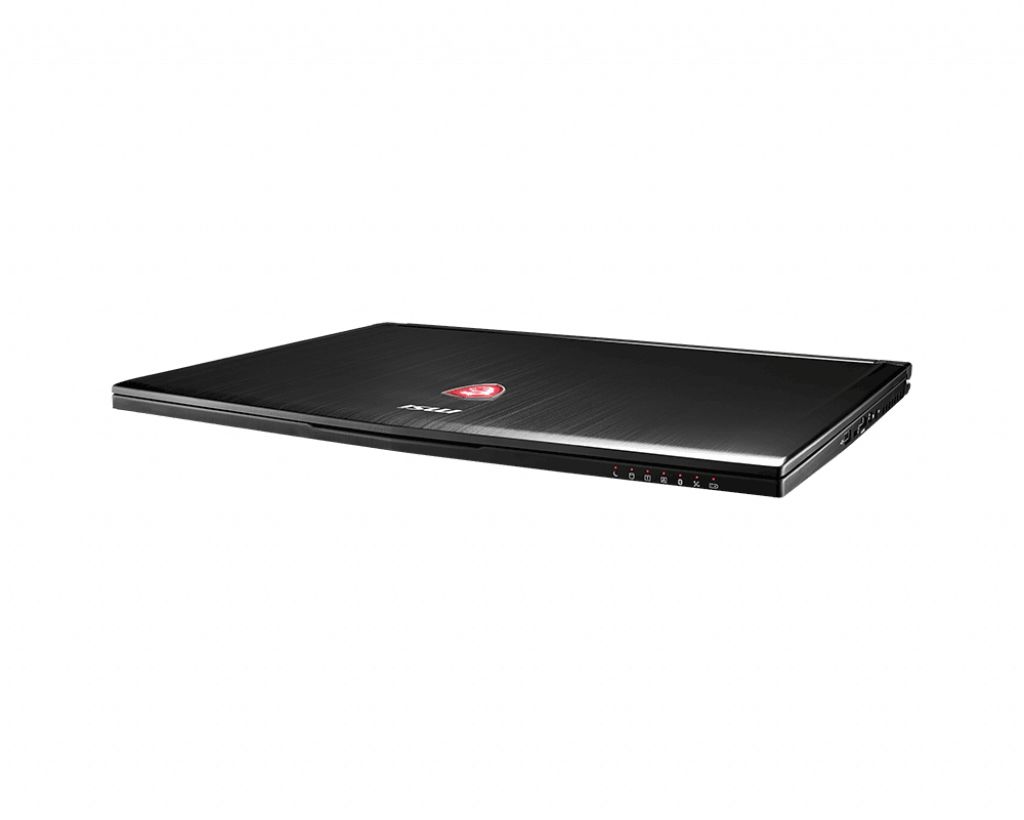
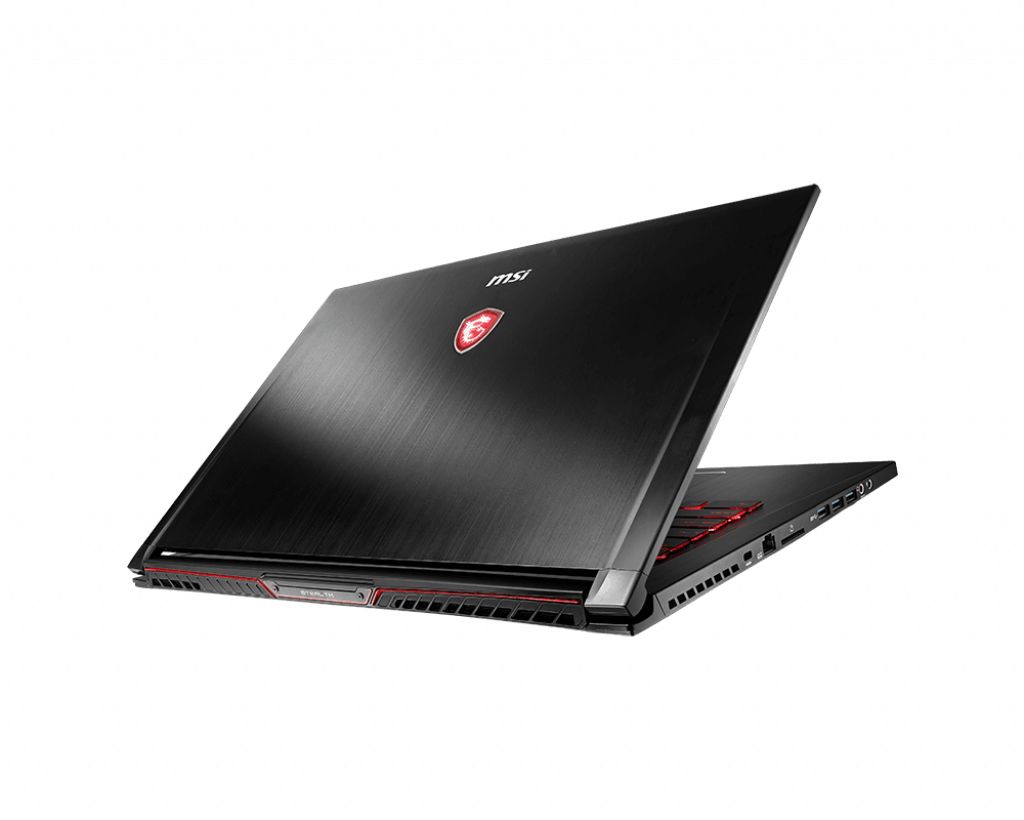
MSI GS73VR 7RG-098UK Stealth Pro gaming laptop supports DDR4-SDRAM memory upgrade with maximum capacity of 32 GB. The system features 2x SO-DIMM slots for memory expansion. Compatible RAM modules operate at 2400 MHz frequency. Specifications enable users to upgrade existing memory configuration to enhance system performance and multitasking capabilities on the Gaming GS series model.
Memory Upgrade Specifications
| Specification | Value |
|---|---|
| Memory slots | 2x SO-DIMM |
| Form factor | SO-DIMM |
| Memory type | DDR4-SDRAM |
| Frequency | 2400 MHz |
| Maximum RAM | 32 GB |
| Voltage | 1.2V |
| Number of pins | 260-pin |
| Interface | PC4 |
| PC Speed Rating | PC4-2400 (PC4-19200) |
| Bandwidth | 19.2 GB/s |
| Laptop Release date | 18 December 2018 |
Additional Notes
- The 32 GB ceiling results from chipset memory controller limitations rather than physical slot availability, restricting total addressable memory regardless of higher-capacity module releases.
- DDR4-2400 operation may downclock higher-frequency modules automatically, meaning DDR4-2666 or DDR4-3200 kits will function but sacrifice speed to match the controller specification.
- Dual-channel architecture requires matched module pairs for optimal bandwidth utilization, as mismatched capacities force single-channel operation on the excess capacity.
- SO-DIMM 260-pin physical configuration excludes standard desktop DIMM modules, necessitating laptop-specific components despite identical DDR4 technology.
- The MSI GS73VR 7RG-098UK Stealth Pro accommodates only unbuffered non-ECC memory types, as seventh-generation mobile platforms reject registered or error-correcting modules.
- Thermal constraints in thin chassis designs may throttle performance under sustained memory-intensive workloads, despite rated specifications suggesting adequate thermal headroom.
- Warranty preservation typically requires avoiding disassembly of factory-sealed compartments, though memory access doors generally remain user-serviceable without voiding coverage.
- Single-rank versus dual-rank module topology affects interleaving efficiency, with dual-rank configurations occasionally delivering marginal performance improvements in bandwidth-sensitive applications.
- Voltage specification adheres to standard DDR4 1.2V requirements, rejecting low-voltage or overclocking-oriented modules that deviate from JEDEC standards.
- The 2-slot configuration limits future expansion flexibility compared to 4-slot workstation alternatives, requiring full module replacement rather than incremental additions when upgrading beyond initial capacity.