MSI Gaming GS73VR 7RG-039NL STEALTH PRO RAM upgrade specifications
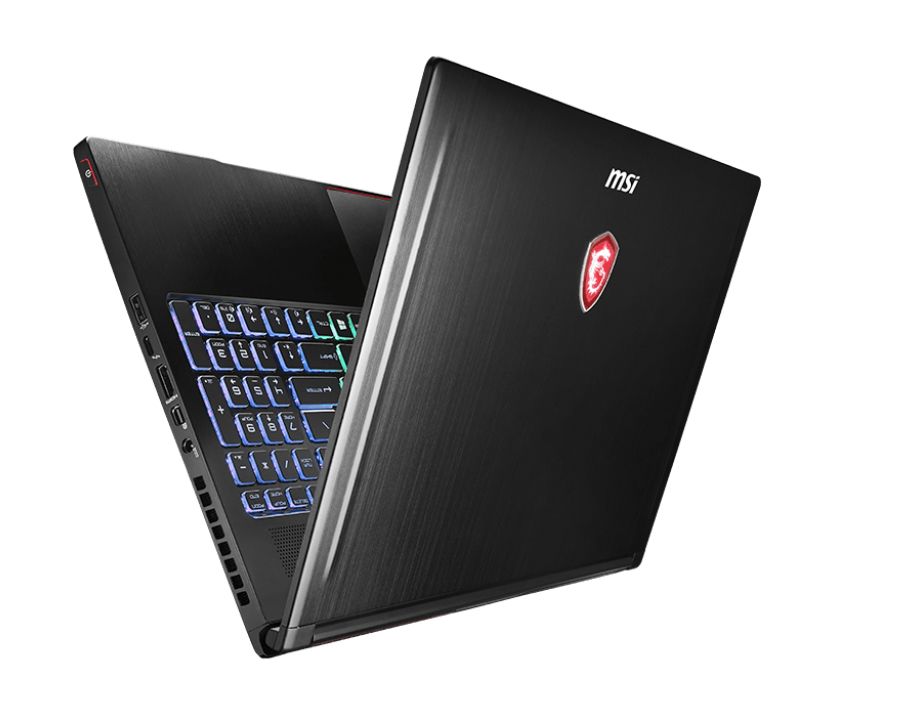

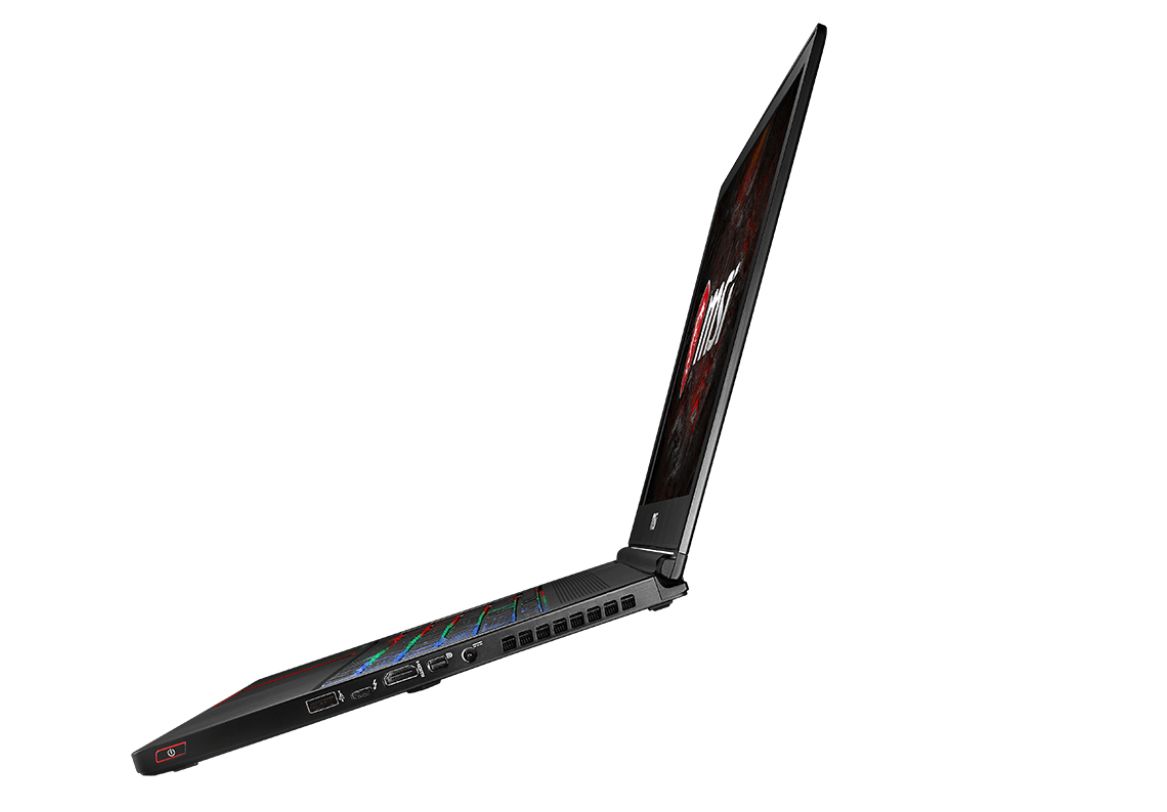

The MSI GS73VR 7RG-039NL STEALTH PRO gaming laptop supports DDR4-SDRAM memory upgrades through two SO-DIMM slots. The maximum RAM capacity compatible with this GS series model is 32 GB total. Memory specifications for upgrade include DDR4 modules operating at 2400 MHz frequency. The SO-DIMM form factor is the standard memory upgrade requirement for the GS73VR 7RG-039NL STEALTH PRO configuration.
Memory Upgrade Specifications
| Specification | Value |
|---|---|
| Memory slots | 2x SO-DIMM |
| Form factor | SO-DIMM |
| Memory type | DDR4-SDRAM |
| Frequency | 2400 MHz |
| Maximum RAM | 32 GB |
| Voltage | 1.2V |
| Number of pins | 260-pin |
| Interface | PC4 |
| PC Speed Rating | PC4-2400 (PC4-19200) |
| Bandwidth | 19.2 GB/s |
| Laptop Release date | 13 July 2017 |
Additional Notes
- The 2 SO-DIMM slot configuration limits expansion flexibility compared to 4-slot alternatives, requiring replacement of existing modules rather than simple additions when upgrading capacity.
- The 32 GB ceiling reflects chipset-level memory controller limitations inherent to 7th generation Intel Core mobile platforms, preventing the installation of higher-capacity configurations regardless of module availability.
- DDR4-2400 operates at lower bandwidth than DDR4-2666 or DDR4-3200 variants, creating potential throughput bottlenecks in GPU-intensive workloads where the discrete graphics processor relies on system memory for asset streaming.
- Mixing modules with different clock speeds will force the memory controller to downclock all installed RAM to the lowest common frequency, potentially degrading performance below the 2400 MHz specification.
- SO-DIMM modules require bottom panel removal on the MSI GS73VR 7RG-039NL STEALTH PRO, with access typically involving 10+ retention screws and potential warranty seal disturbance depending on regional service policies.
- Non-ECC unbuffered modules represent the only compatible architecture for this consumer-grade platform, as registered or error-correcting memory types will fail POST diagnostics.
- Dual-channel operation mandates matched capacity pairs to prevent asymmetric bandwidth allocation, where mismatched module sizes trigger single-channel fallback modes that halve theoretical throughput.
- The 1.2V standard DDR4 operating voltage differs from legacy 1.5V DDR3 specifications, making cross-generation module installation physically incompatible due to notch positioning differences in the 260-pin SO-DIMM connector.
- Thermal constraints in the slim chassis design favor modules with lower-profile heat spreaders to maintain adequate clearance from internal cooling assemblies and prevent contact with thermal pads.