MSI Gaming GS73VR 7RG-017IT Stealth Pro 4K RAM upgrade specifications
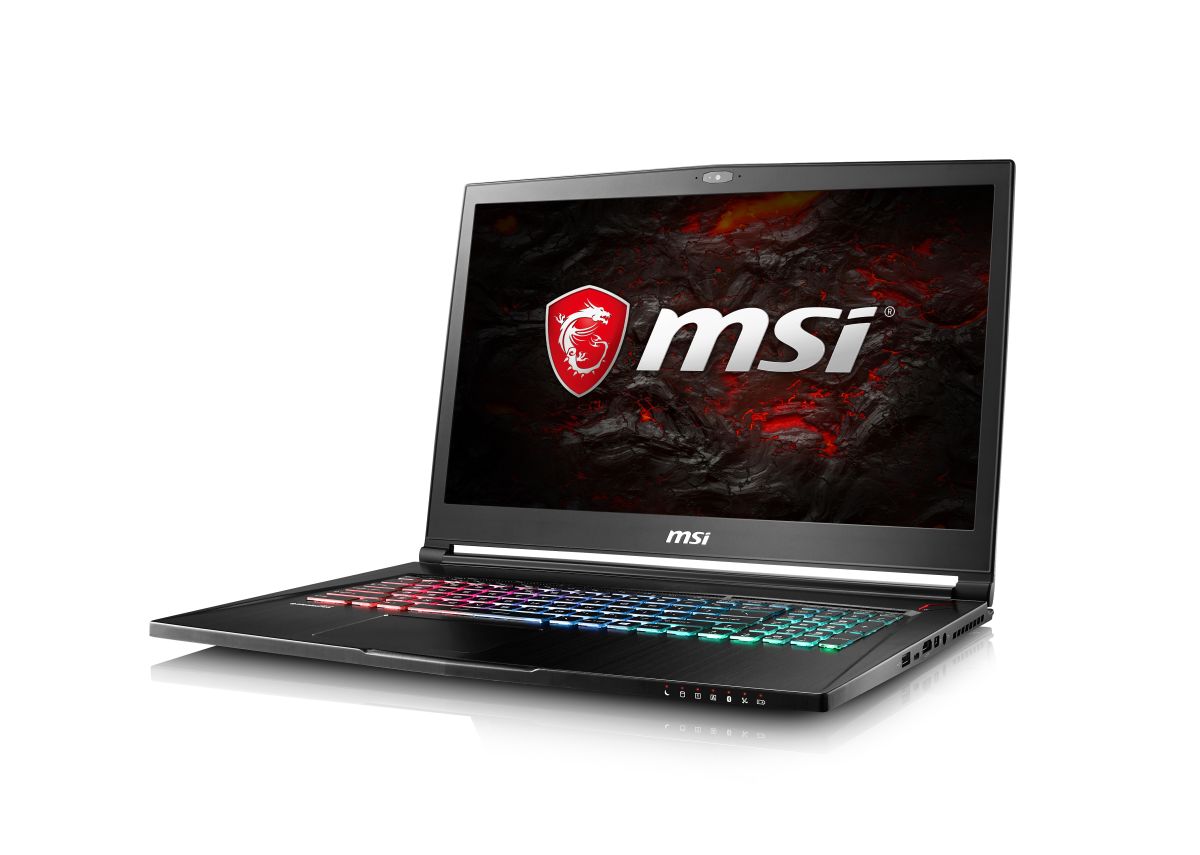
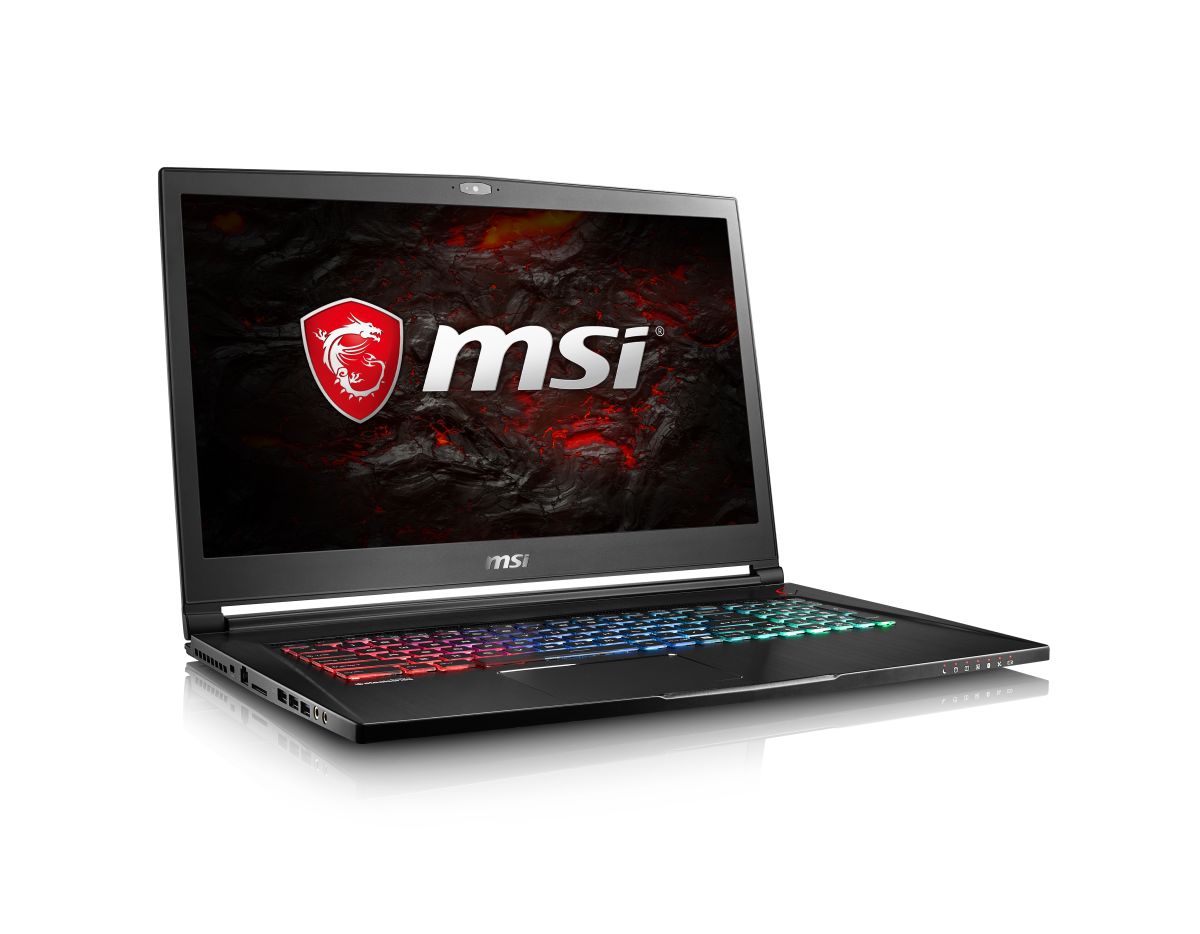
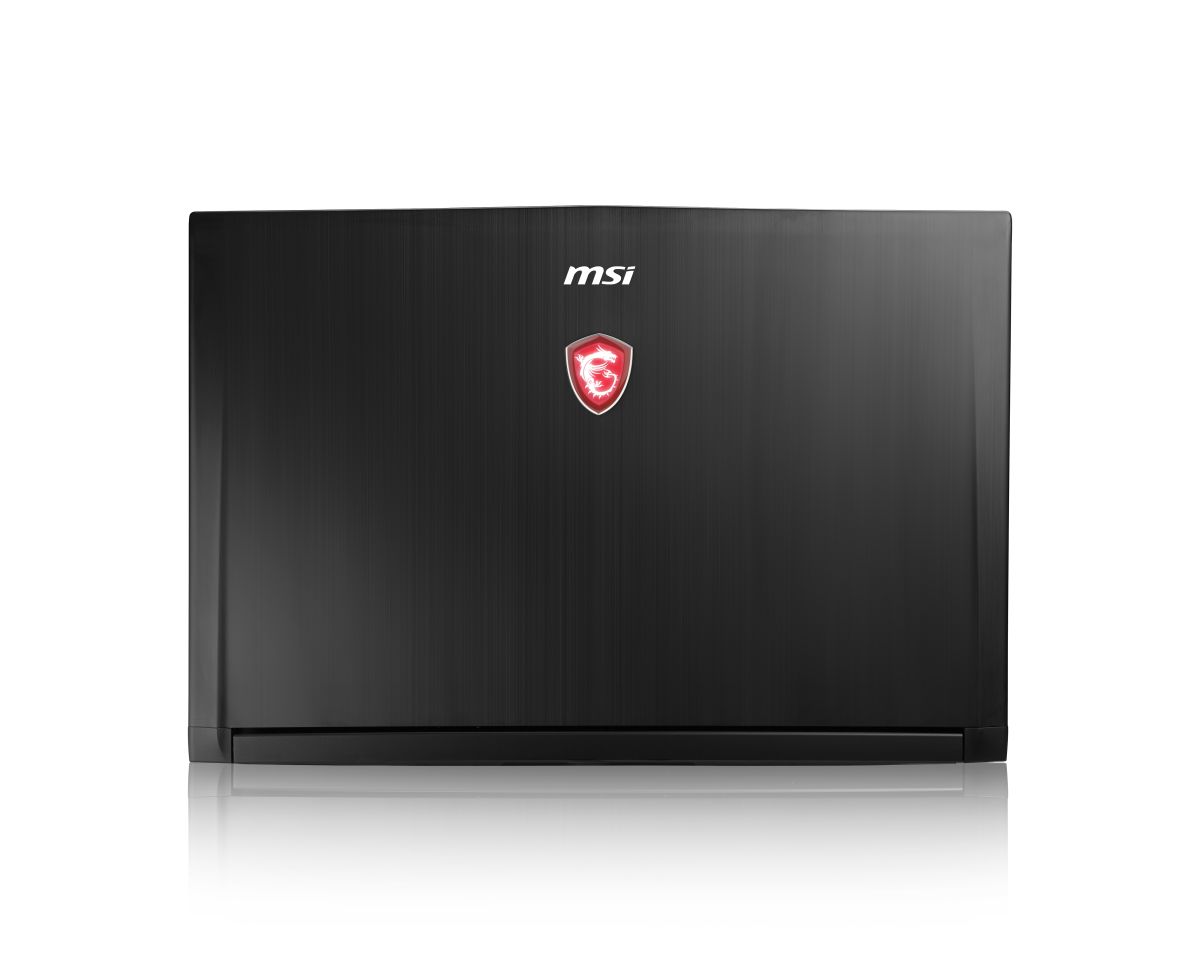
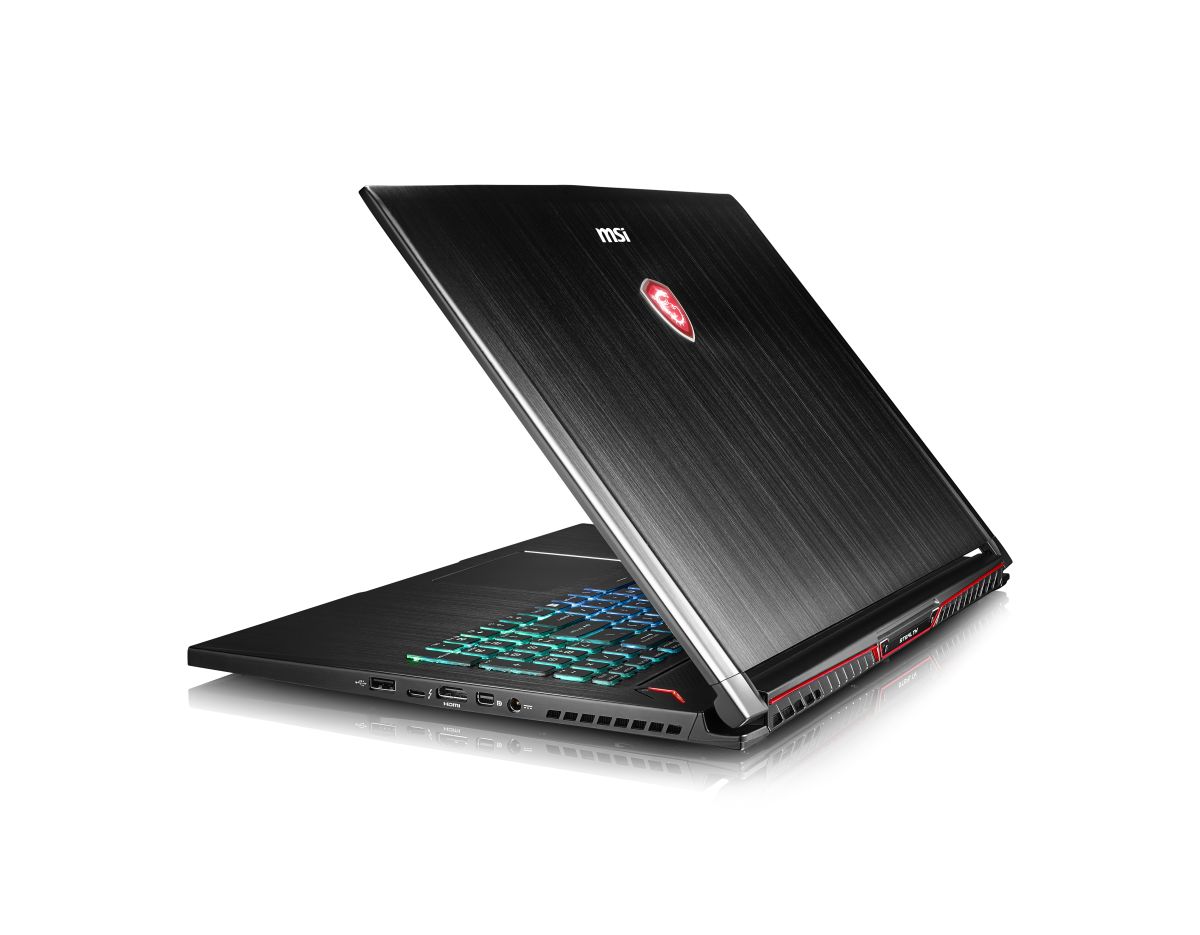
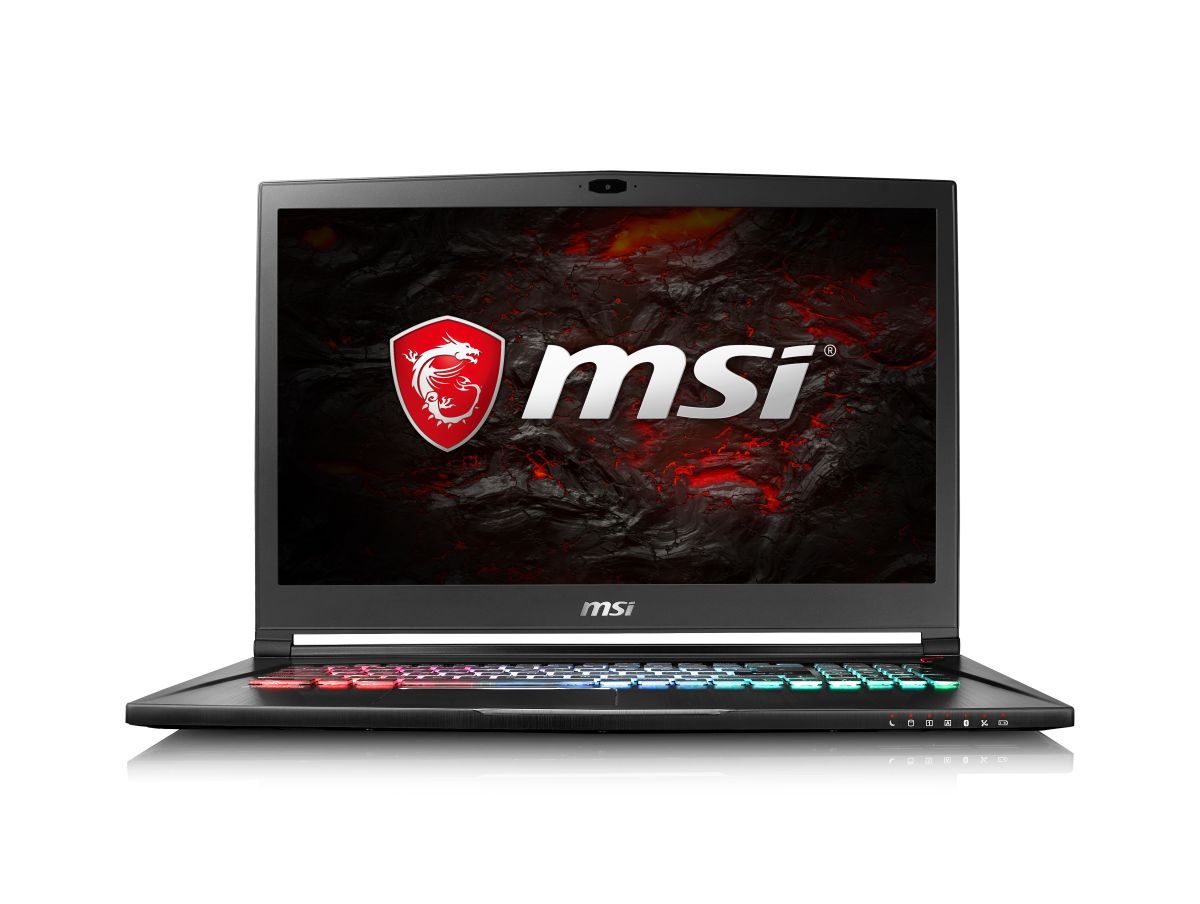
MSI GS73VR 7RG-017IT Stealth Pro 4K gaming laptop features DDR4-SDRAM memory upgrade capabilities. The system contains 2x SO-DIMM slots supporting maximum RAM capacity of 32 GB. Compatible memory operates at 2400 MHz frequency with SO-DIMM form factor specifications. Upgrade configurations allow installation of DDR4 modules to enhance system performance and multitasking capacity within the defined slot and capacity parameters.
Memory Upgrade Specifications
| Specification | Value |
|---|---|
| Memory slots | 2x SO-DIMM |
| Form factor | SO-DIMM |
| Memory type | DDR4-SDRAM |
| Frequency | 2400 MHz |
| Maximum RAM | 32 GB |
| Voltage | 1.2V |
| Number of pins | 260-pin |
| Interface | PC4 |
| PC Speed Rating | PC4-2400 (PC4-19200) |
| Bandwidth | 19.2 GB/s |
| Laptop Release date | 04 January 2018 |
Additional Notes
- The MSI GS73VR 7RG-017IT Stealth Pro 4K contains 2 SO-DIMM slots, creating a dual-channel configuration that requires matched capacity pairs to avoid performance degradation and potential stability issues during asymmetric memory access patterns.
- DDR4-2400 MHz operates at the baseline frequency for 7th-generation Intel processors, meaning memory running faster than this speed will downclock to 2400 MHz unless BIOS XMP/DOCP profiles are manually enabled, reducing practical upgrade benefit from premium-tier modules.
- The 32 GB aggregate ceiling represents the maximum addressable capacity on this platform; adding 2x16 GB modules exhausts upgrade potential with no path to future expansion beyond this threshold.
- SO-DIMM form factor confines upgrades to laptop-specific memory modules, which carry price premiums of 15-25 percent relative to standard UDIMM equivalents and limit sourcing flexibility.
- Warranty considerations apply only if replacement modules match OEM specifications for voltage (1.2V nominal for DDR4), CAS latency, and frequency; third-party modules outside these parameters may void coverage on memory-related failures despite being technically compatible.
- The 4K display configuration consumes system memory bandwidth for framebuffer storage and composition tasks, creating contention with application workloads; upgrading from stock capacity to 32 GB addresses this bottleneck but introduces latency penalties due to the dual-slot architecture forcing all memory requests through a shared address bus.