MSI Gaming GS73VR 7RF(Stealth Pro 4K)-212NE RAM upgrade specifications
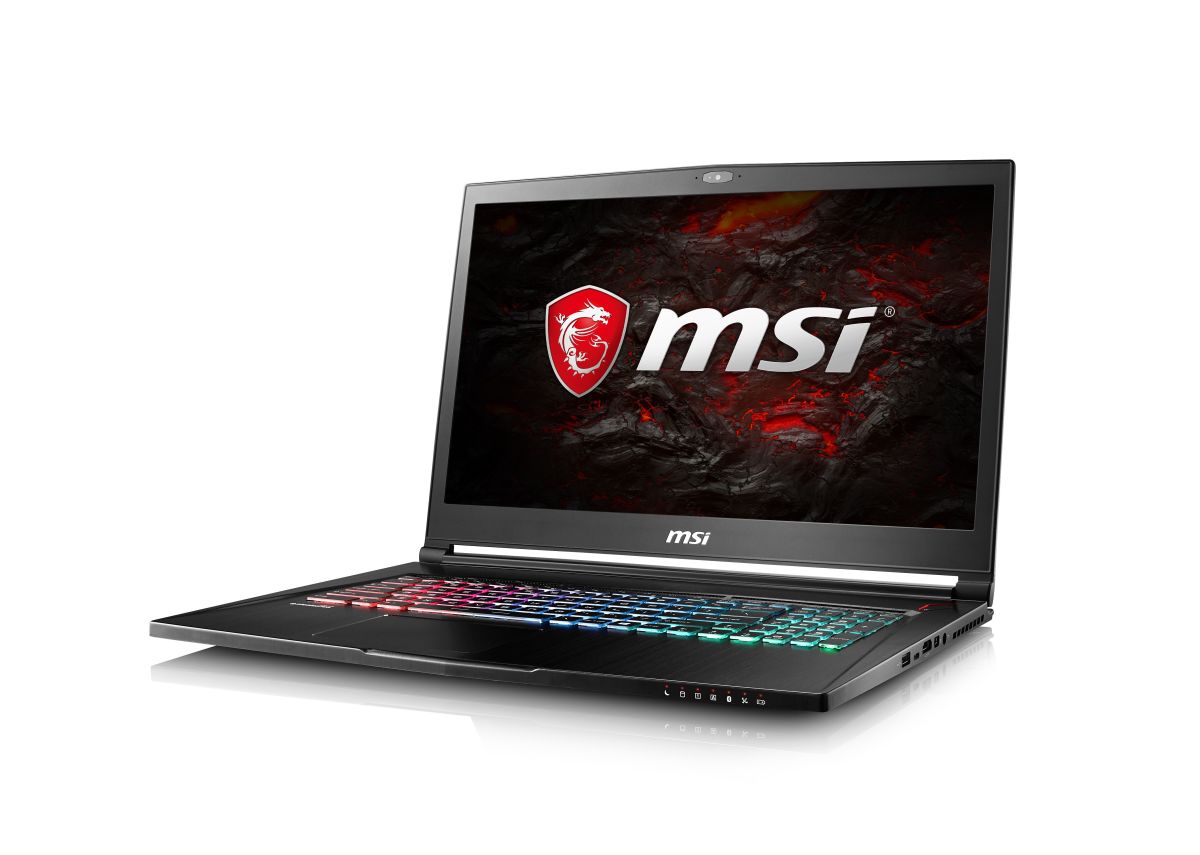
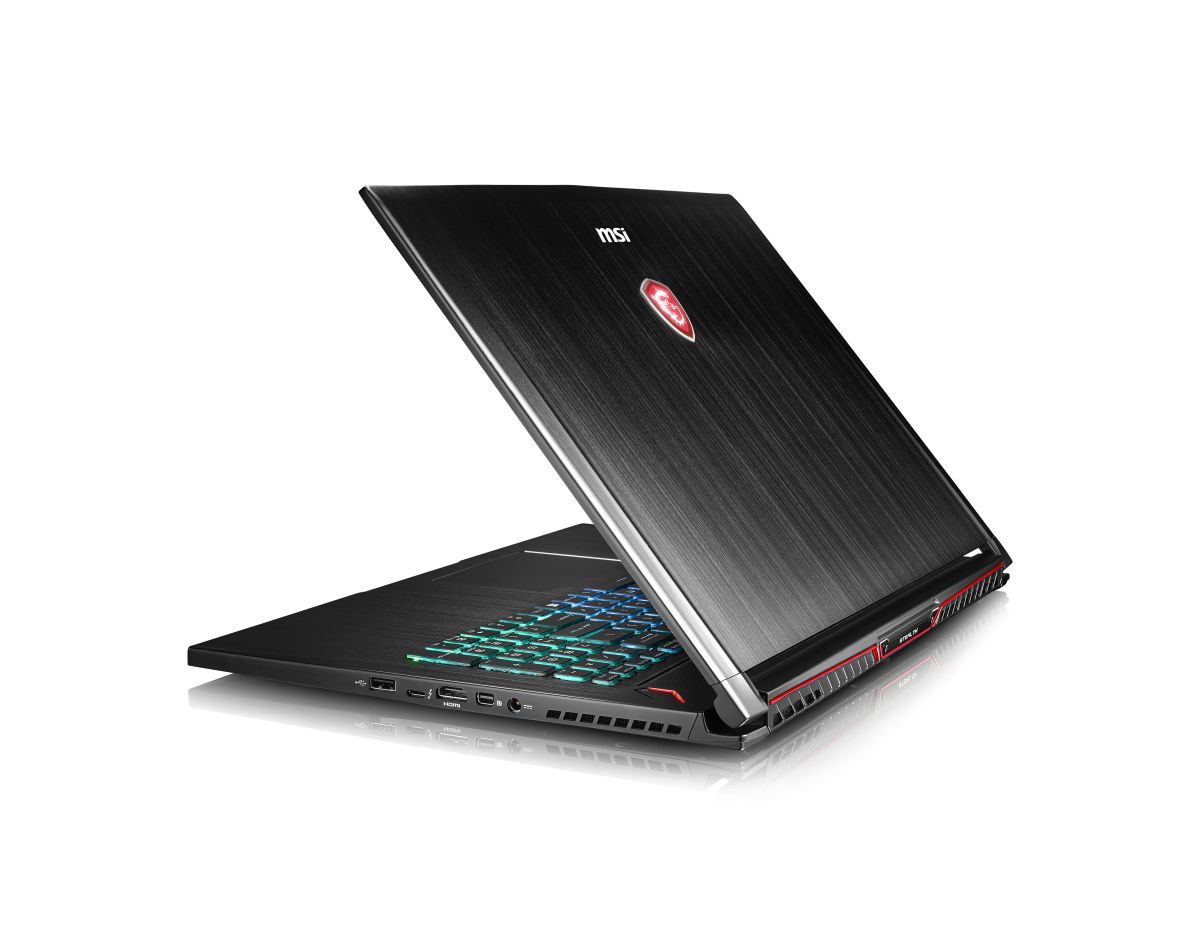
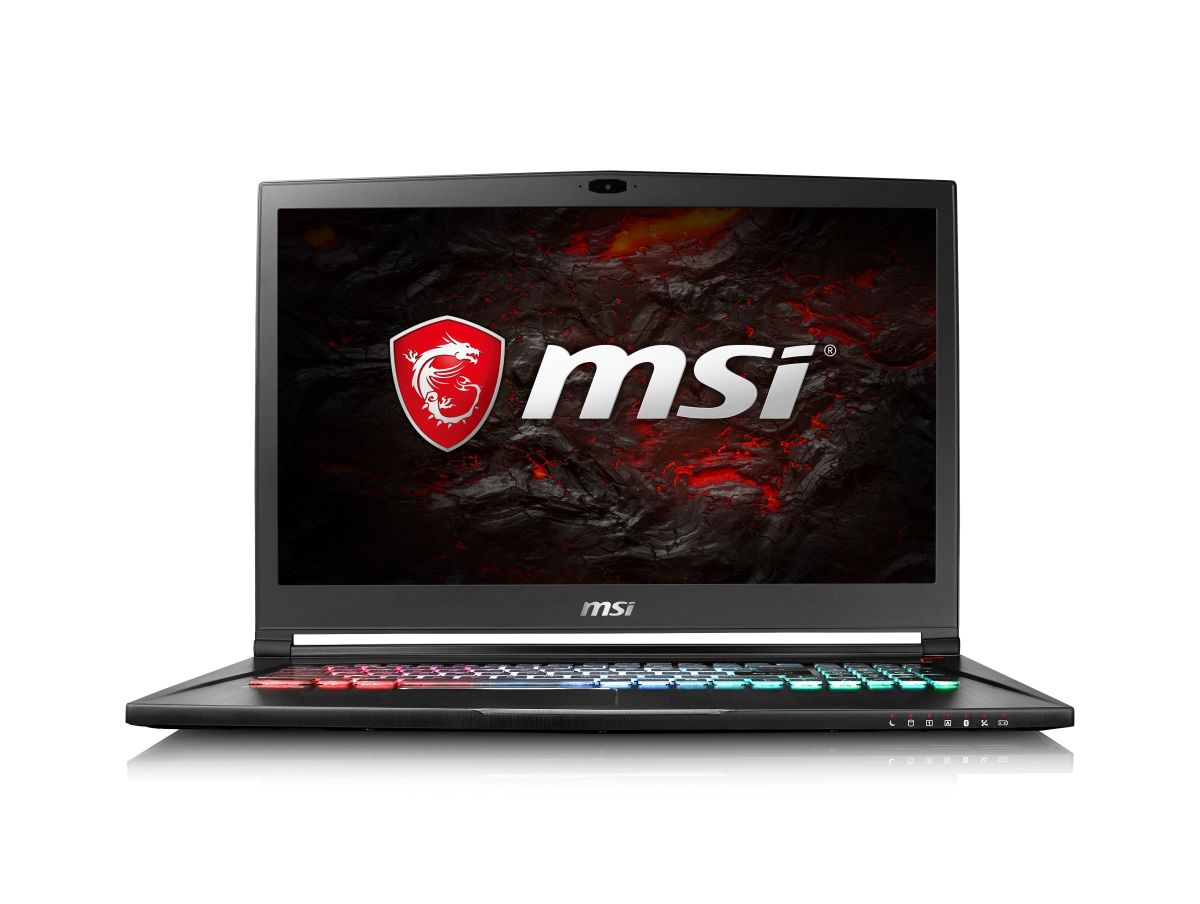
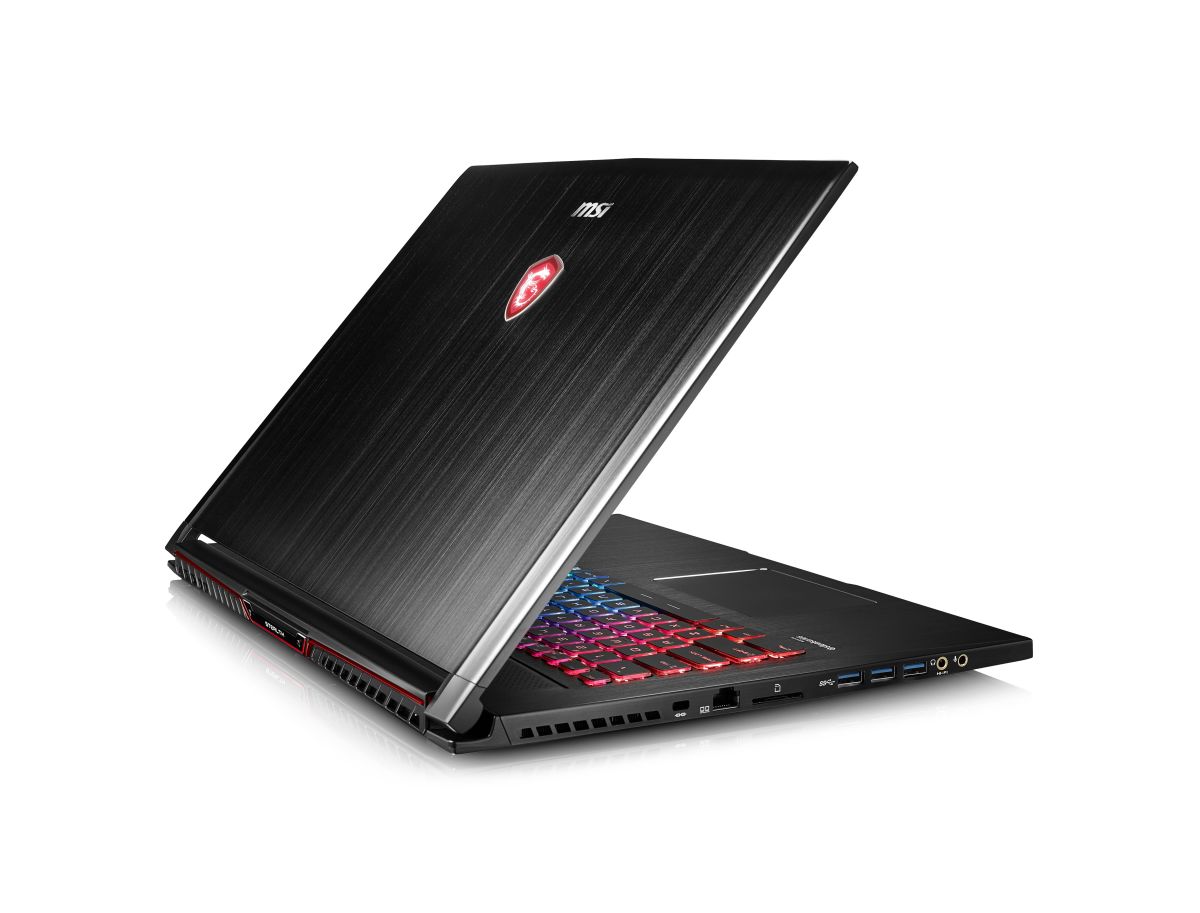
MSI GS73VR 7RF Stealth Pro 4K gaming laptop supports DDR4-SDRAM memory upgrades. The system features 2x SO-DIMM slots with maximum capacity of 32 GB RAM. Compatible memory modules operate at 2400 MHz frequency. Upgrade specifications indicate DDR4 SO-DIMM form factor for this gaming series model, enabling memory expansion from factory configurations to optimal performance levels.
Memory Upgrade Specifications
| Specification | Value |
|---|---|
| Memory slots | 2x SO-DIMM |
| Form factor | SO-DIMM |
| Memory type | DDR4-SDRAM |
| Frequency | 2400 MHz |
| Maximum RAM | 32 GB |
| Voltage | 1.2V |
| Number of pins | 260-pin |
| Interface | PC4 |
| PC Speed Rating | PC4-2400 (PC4-19200) |
| Bandwidth | 19.2 GB/s |
| Laptop Release date | 10 January 2017 |
Additional Notes
- The MSI GS73VR Stealth Pro 4K operates on DDR4-2400, which represents the lower performance tier of DDR4 memory standards. Upgrading to DDR4-2666 or DDR4-3200 modules will not provide proportional performance gains because the memory controller locks to the slowest installed module's specification, creating a ceiling effect rather than additive bandwidth.
- Dual SO-DIMM architecture means the 32 GB capacity ceiling requires both slots to be populated with 16 GB modules. Populating only 1 slot leaves 16 GB of unused capacity potential, and the system cannot access higher totals without removing existing modules first.
- Single-channel operation occurs if only 1 SO-DIMM is installed, reducing memory throughput bandwidth by approximately 50 percent compared to dual-channel configuration. This bottleneck particularly affects GPU utilization in graphics-intensive tasks on this gaming platform.
- SO-DIMM modules require power-cycle installation verification. After physical insertion, the system must boot to BIOS and confirm capacity recognition, as incomplete seating produces no error warnings but results in undetectable modules.
- DDR4-2400 SO-DIMMs from pre-2017 manufacturing runs may exhibit compatibility conflicts with later BIOS versions due to SPD profile mismatches. Matching module production batches minimizes stability issues during dual-module operation.
- The 32 GB limitation on a gaming-class system from this generation means memory bandwidth saturation occurs during concurrent 4K video processing and heavy GPU loads, constraining performance ceilings independent of GPU capability.
- Warranty retention requires purchasing SO-DIMMs rated for 2400 MHz or lower; higher-frequency modules operate outside specification and may void coverage if hardware failure occurs during overclocked operation.