MSI Gaming GS75 10SE-619CN Stealth RAM upgrade specifications
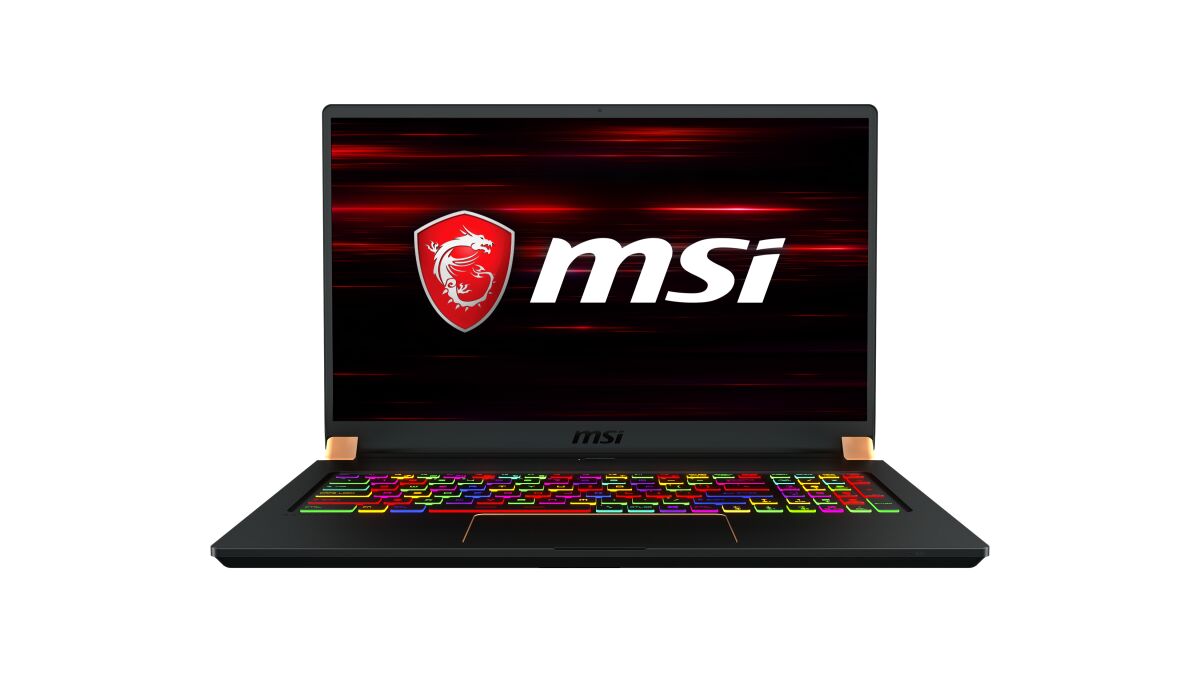
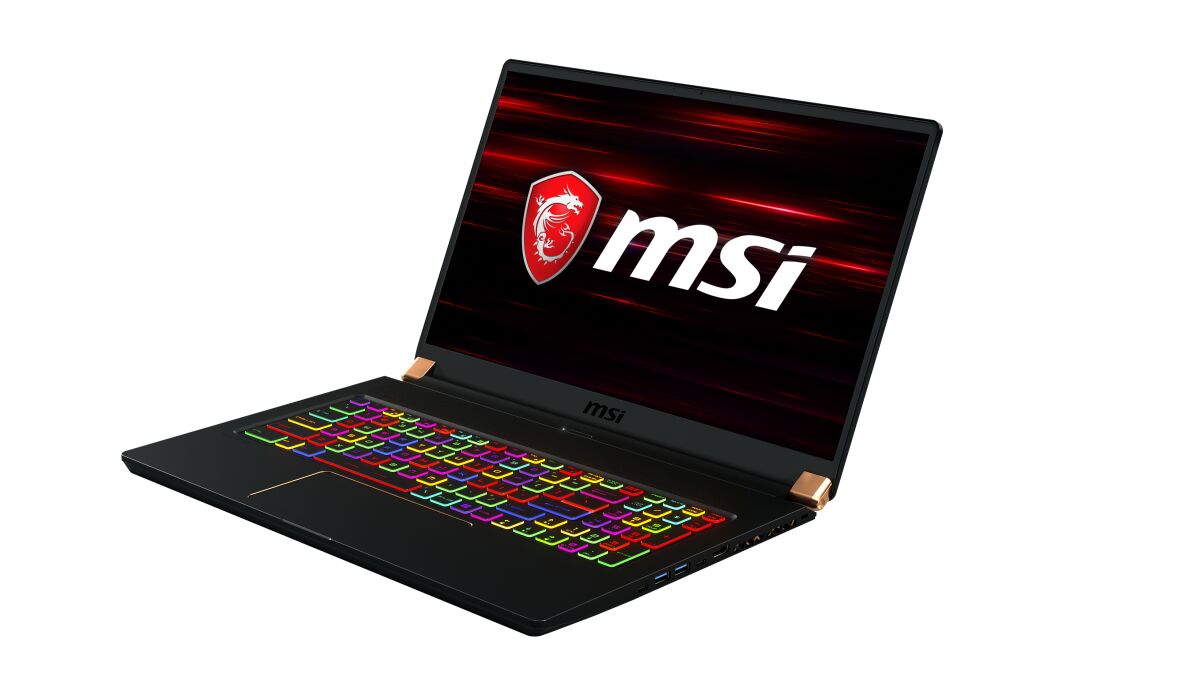
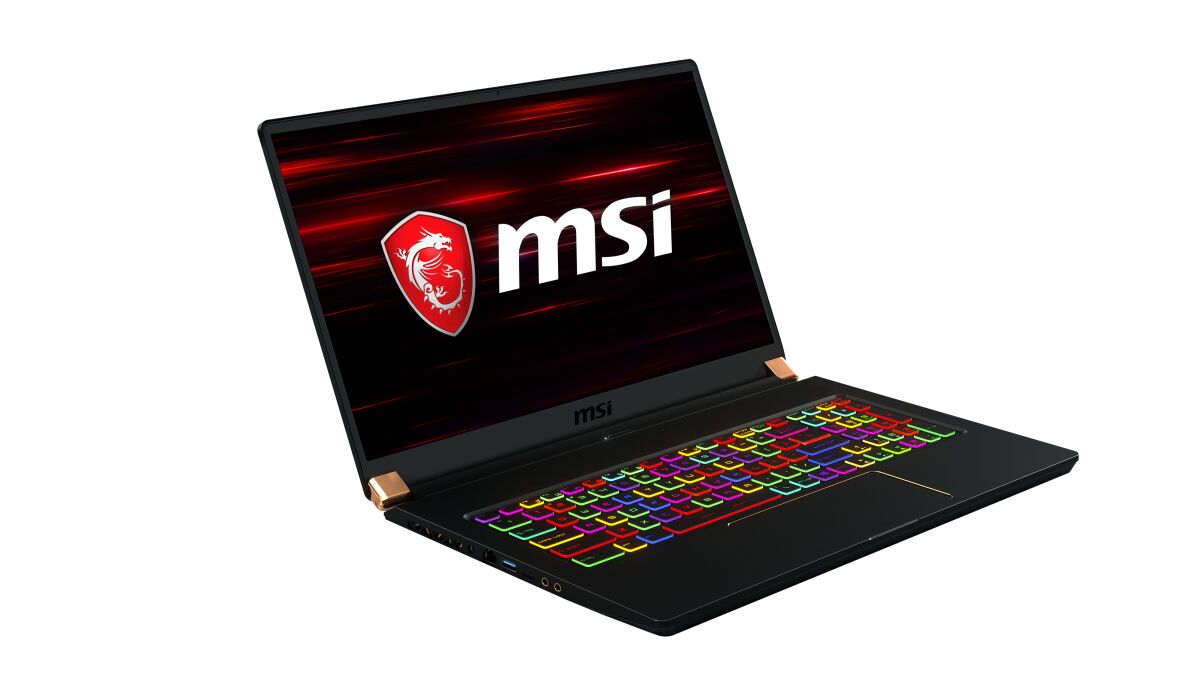

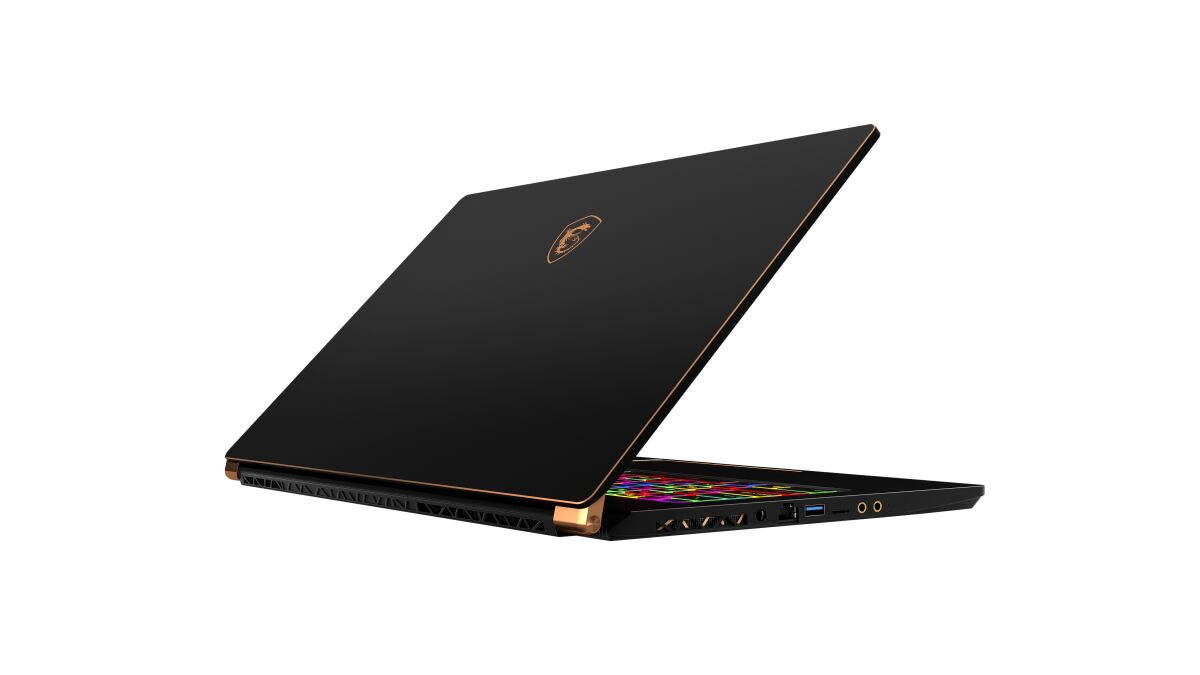
MSI GS75 10SE-619CN Stealth gaming laptop features DDR4-SDRAM memory upgrade capability with two SO-DIMM slots supporting maximum RAM capacity of 64 GB. Compatible memory operates at 2666 MHz frequency. Upgrade specifications indicate SO-DIMM form factor modules are required for this model. Current configuration and available memory slots allow users to expand system RAM from base specifications up to the maximum supported capacity.
Memory Upgrade Specifications
| Specification | Value |
|---|---|
| Memory slots | 2x SO-DIMM |
| Form factor | SO-DIMM |
| Memory type | DDR4-SDRAM |
| Frequency | 2666 MHz |
| Maximum RAM | 64 GB |
| Voltage | 1.2V |
| Number of pins | 260-pin |
| Interface | PC4 |
| PC Speed Rating | PC4-2666 (PC4-21328) |
| Bandwidth | 21.3 GB/s |
| Laptop Release date | 16 June 2020 |
Additional Notes
- The 2666 MHz frequency represents a JEDEC standard specification that provides baseline compatibility but falls below the typical 3200 MHz capability of many tenth-generation Intel mobile processors, potentially leaving memory bandwidth underutilized in CPU-intensive workloads.
- The 2 SO-DIMM configuration allows dual-channel operation when both slots are populated with matched modules, effectively doubling memory bandwidth compared to single-channel configurations and reducing latency in graphics rendering and data-intensive applications.
- The 64 GB ceiling requires two 32 GB modules, a configuration that may encounter stability issues with some DDR4 SO-DIMM chip densities and may require BIOS updates or specific SPD timing profiles to achieve reliable POST and sustained operation.
- The MSI GS75 10SE-619CN Stealth bottom panel design typically includes accessible service doors or full base removal for memory slot access, with static discharge precautions necessary when handling modules in the confined thermal environment of gaming chassis.
- Mixing modules of different capacities or speeds will force the system to operate at the lowest common denominator specification, reducing effective frequency and potentially disabling dual-channel interleaving if mismatched densities prevent proper rank mapping.
- DDR4-2666 modules consume approximately 1.2V under standard operation, generating heat that contributes to overall thermal load in thin gaming laptops where memory modules often share thermal pathways with CPU and GPU heat pipes.
- Third-party modules must conform to JEDEC SPD programming standards for 2666 MHz operation, as XMP profiles designed for desktop DDR4 typically remain inactive in mobile platforms without manufacturer-specific BIOS support.
- The SO-DIMM form factor measures 67.6 mm in length compared to 133.35 mm desktop DIMMs, with physical retention clips requiring precise lateral pressure during installation to avoid damaging the slot's locking mechanism or bending the PCB substrate.
- Upgrading from the factory configuration to maximum capacity eliminates future expansion headroom, requiring complete module replacement rather than additive upgrades if higher capacities become necessary for virtual machines or RAM disk applications.
- Memory installed in gaming laptops operates within the system's warranty scope when using manufacturer-approved specifications, but physical damage to slots or incompatible voltage modules may void coverage under specific OEM service policies.