MSI Gaming GS75 10SE-620 Stealth RAM upgrade specifications
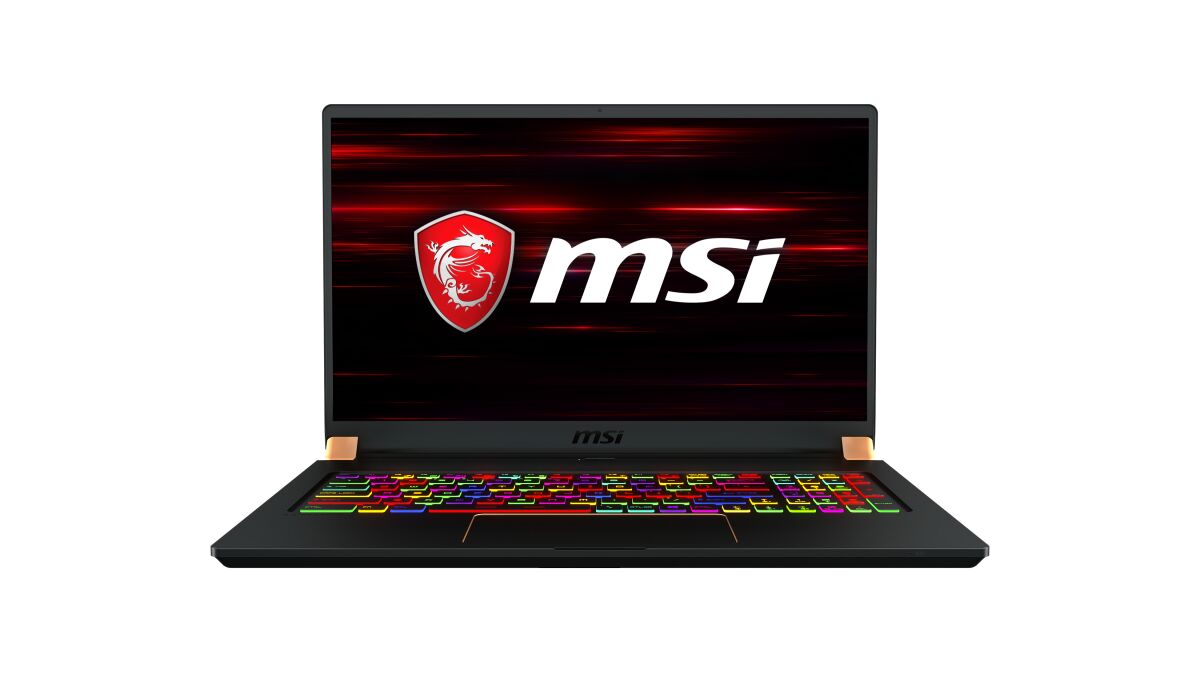
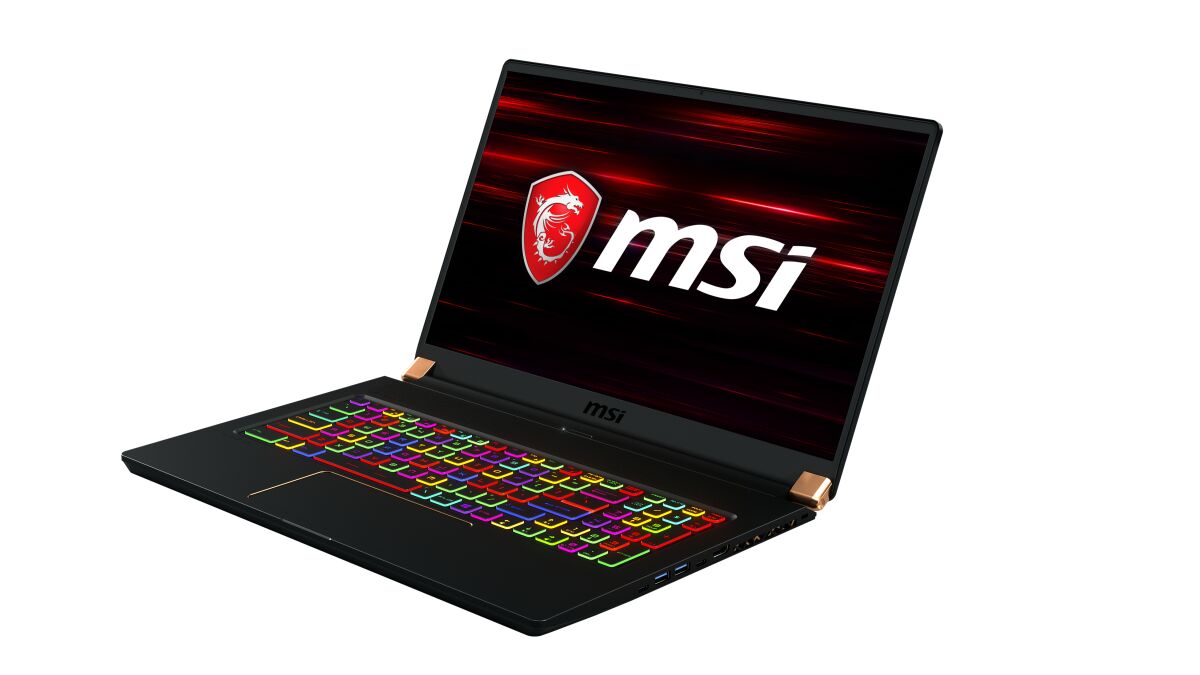
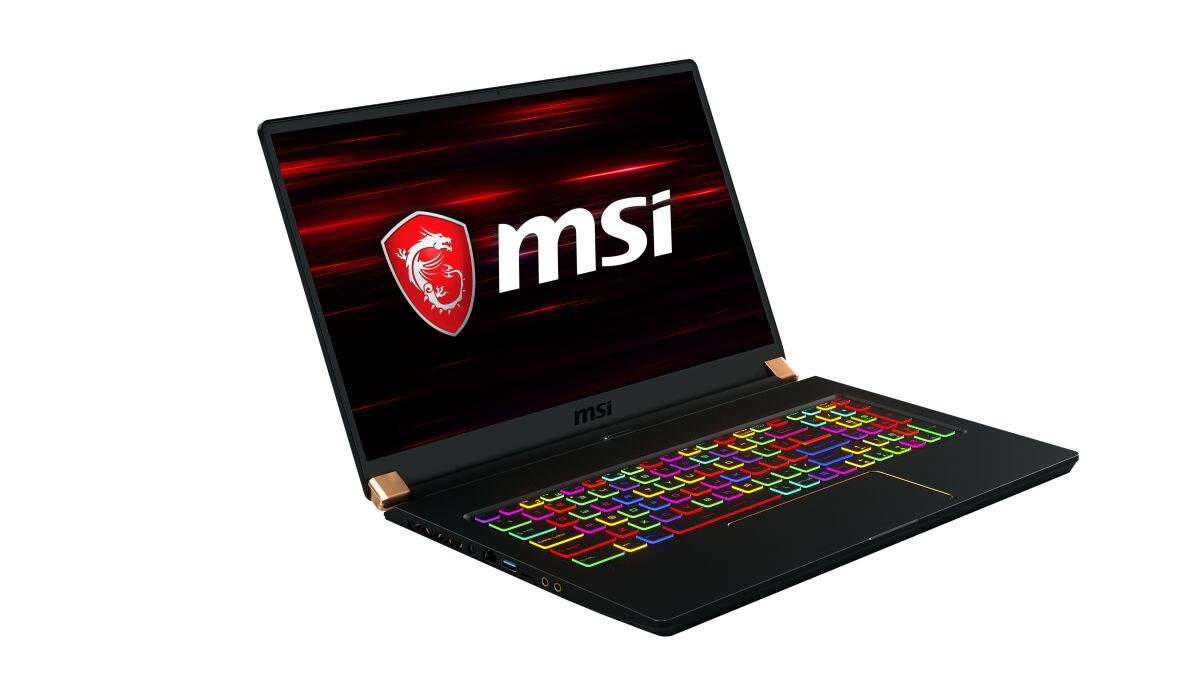
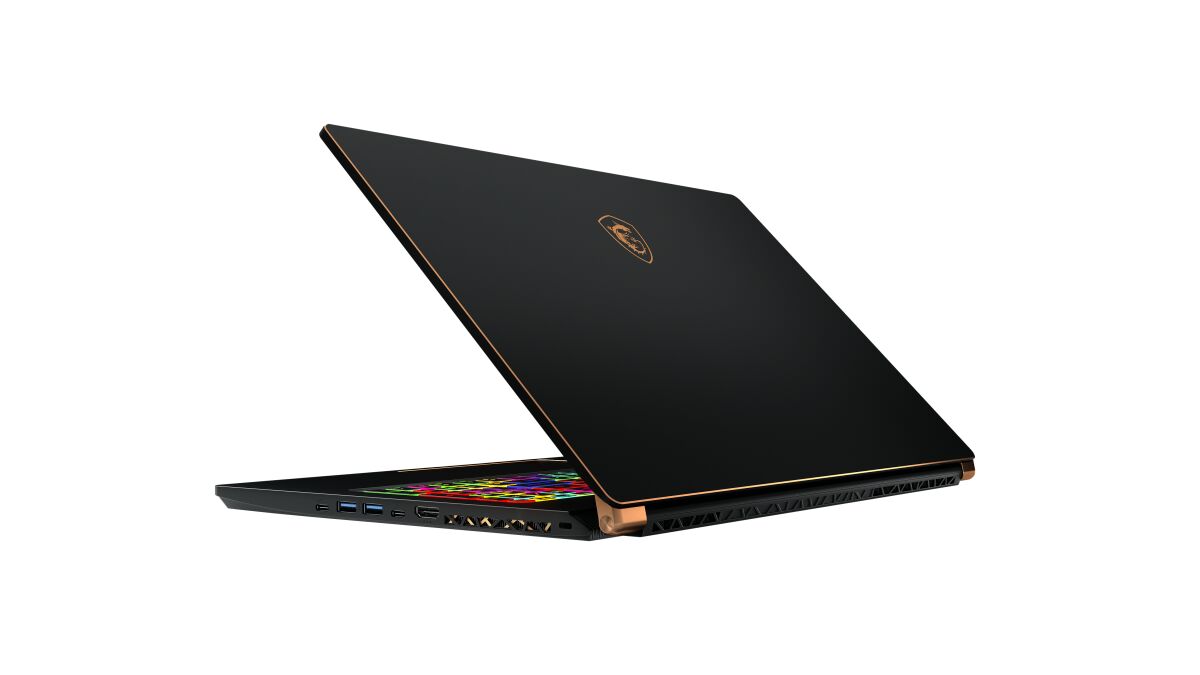
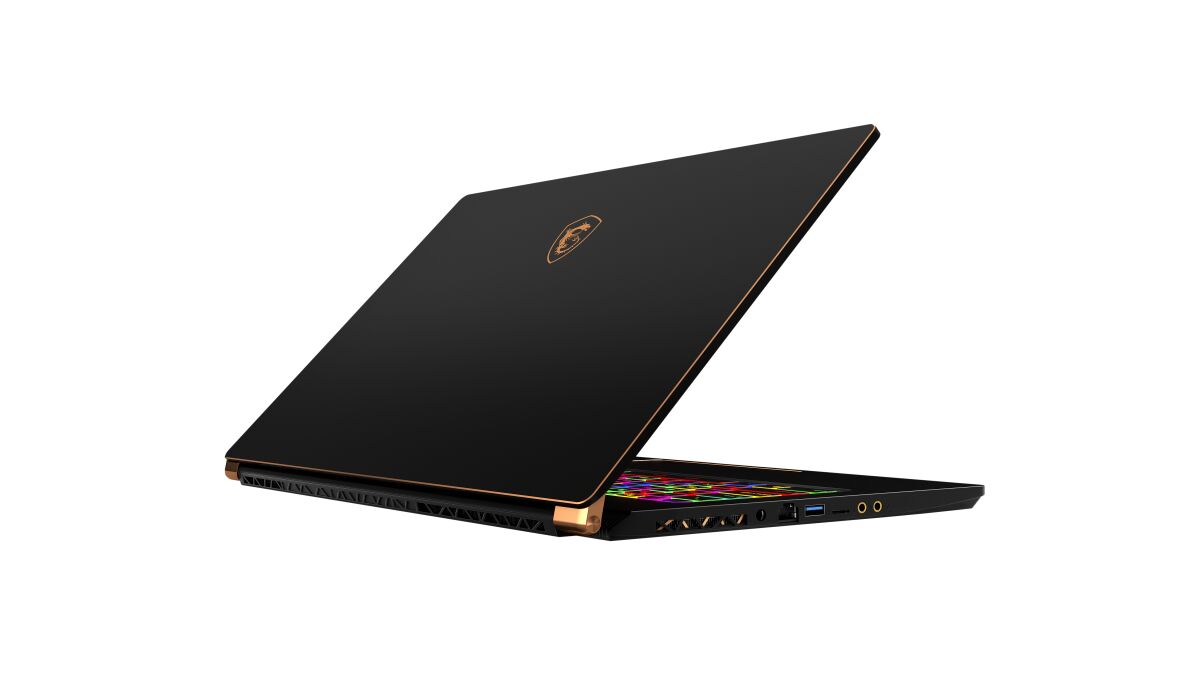
MSI GS75 10SE-620 Stealth gaming laptop memory upgrade specifications include DDR4-SDRAM compatible modules in SO-DIMM form factor. The device features 2 memory slots supporting maximum capacity of 64 GB RAM. Upgrade modules operate at 3200 MHz frequency. Compatible memory upgrades expand the laptop's total RAM capacity for enhanced multitasking and performance. Specifications detail supported DDR4 memory modules suitable for GS75 10SE-620 Stealth series laptops.
Memory Upgrade Specifications
| Specification | Value |
|---|---|
| Memory slots | 2x SO-DIMM |
| Form factor | SO-DIMM |
| Memory type | DDR4-SDRAM |
| Frequency | 3200 MHz |
| Maximum RAM | 64 GB |
| Voltage | 1.2V |
| Number of pins | 260-pin |
| Interface | PC4 |
| PC Speed Rating | PC4-3200 (PC4-25600) |
| Bandwidth | 25.6 GB/s |
| Laptop Release date | 16 June 2020 |
Additional Notes
- The MSI GS75 10SE-620 Stealth relies on dual-channel architecture through its 2 SO-DIMM slots, meaning single-stick configurations will operate at reduced bandwidth compared to matched pairs.
- Desktop DDR4 DIMM modules are physically incompatible with this system due to the SO-DIMM form factor requirement, which uses a shorter 260-pin connector versus the standard 288-pin desktop format.
- Memory modules slower than 3200 MHz will function but force the entire system to downclock to the lowest installed module speed, creating a performance bottleneck across both channels.
- Mixing modules with different CAS latencies or timings will default to the slowest common timing specification, potentially degrading responsiveness in memory-intensive applications.
- The 64 GB ceiling requires 2 modules of 32 GB each, eliminating the option for 4-stick configurations found in larger mobile workstations.
- Non-matching memory ranks between installed modules may prevent dual-channel operation despite physical compatibility, reverting to single-channel mode with halved theoretical bandwidth.
- Modules operating beyond standard JEDEC specifications require SPD profile support or XMP compatibility with the system firmware to reach advertised 3200 MHz speeds rather than defaulting to 2666 MHz or 2933 MHz base rates.
- Warranty preservation typically requires avoiding ESD-prone installation environments and maintaining factory thermal paste integrity on surrounding components during the memory access procedure.
- Third-party modules lacking proper voltage regulation at 1.2V nominal specification may trigger thermal throttling in the confined chassis design common to thin gaming laptops.