MSI Gaming GS75 10SF-036 Stealth RAM upgrade specifications
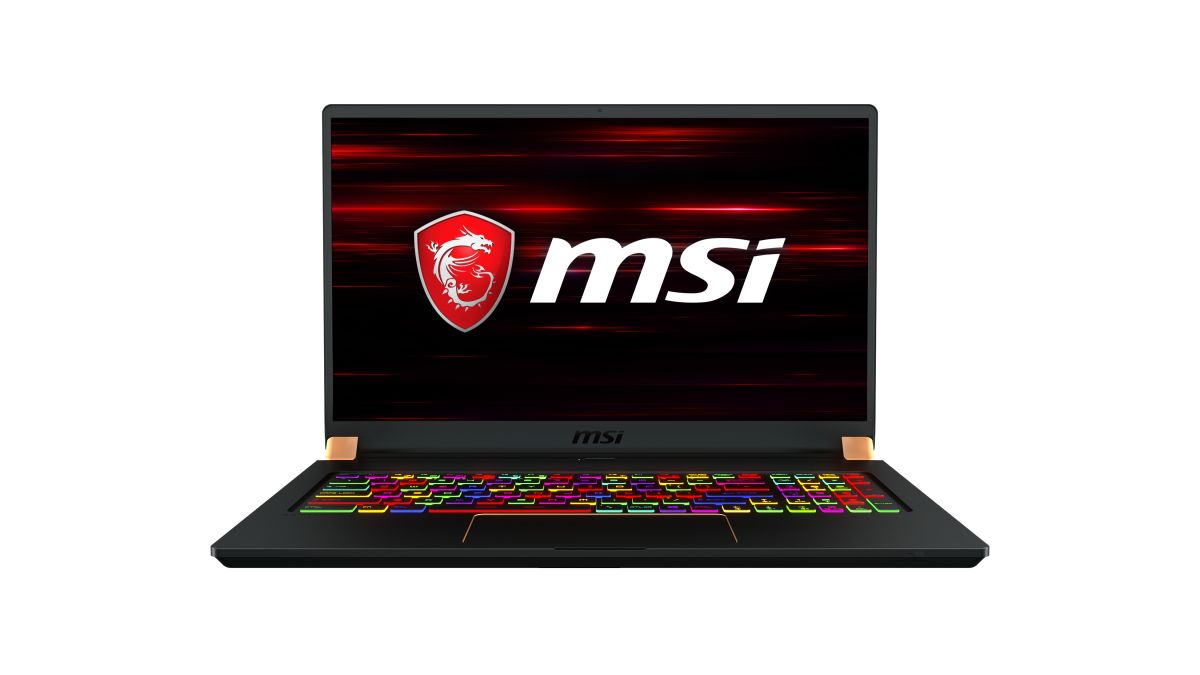
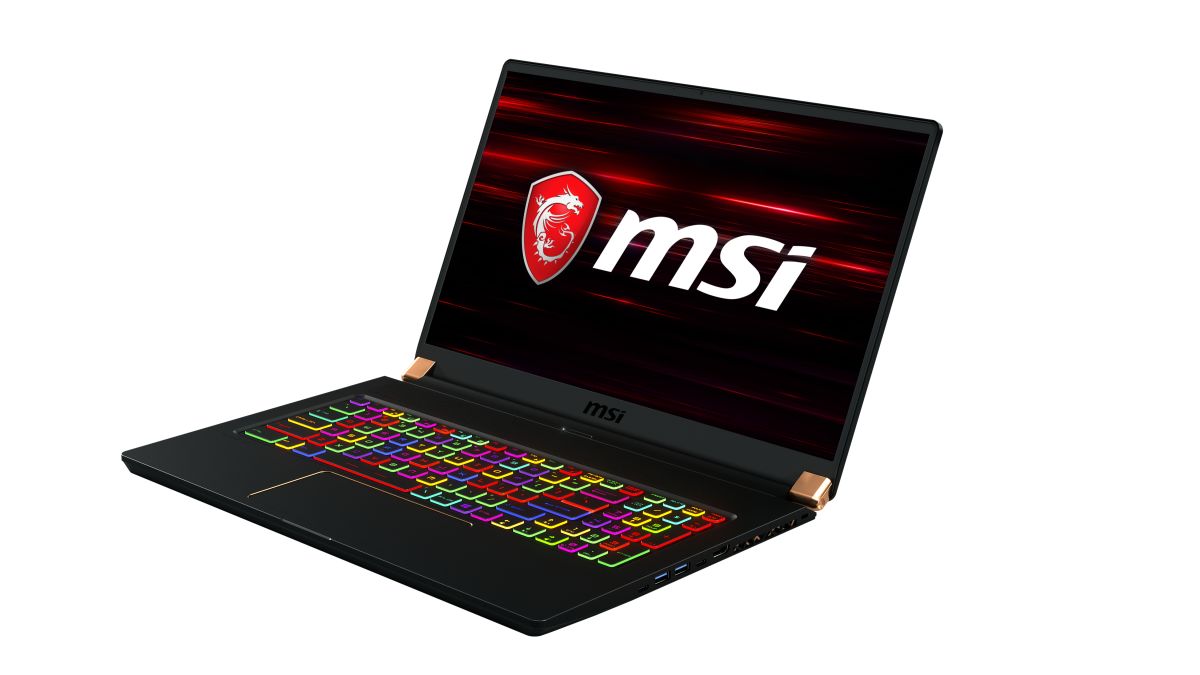
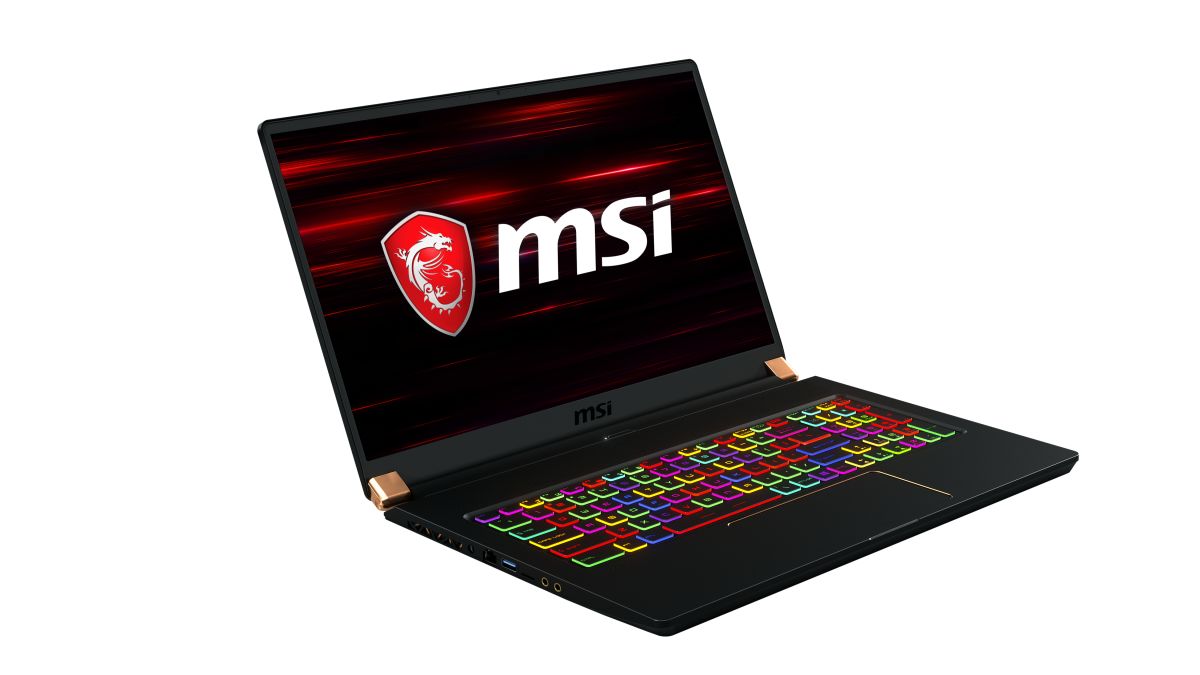
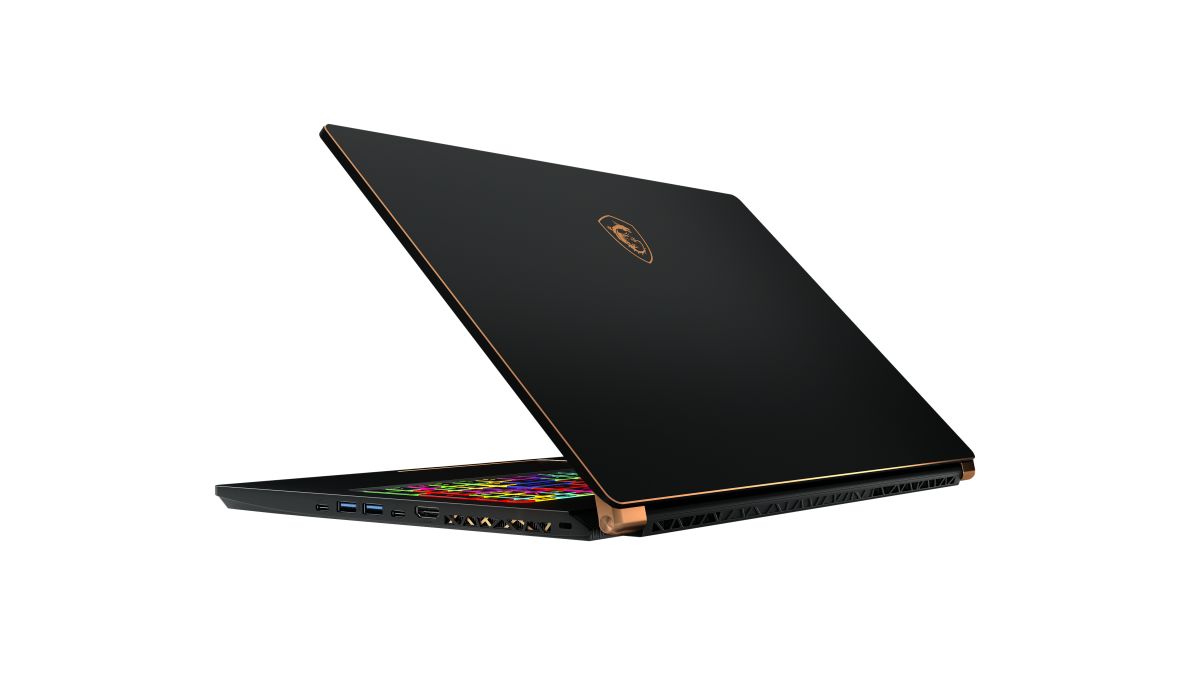
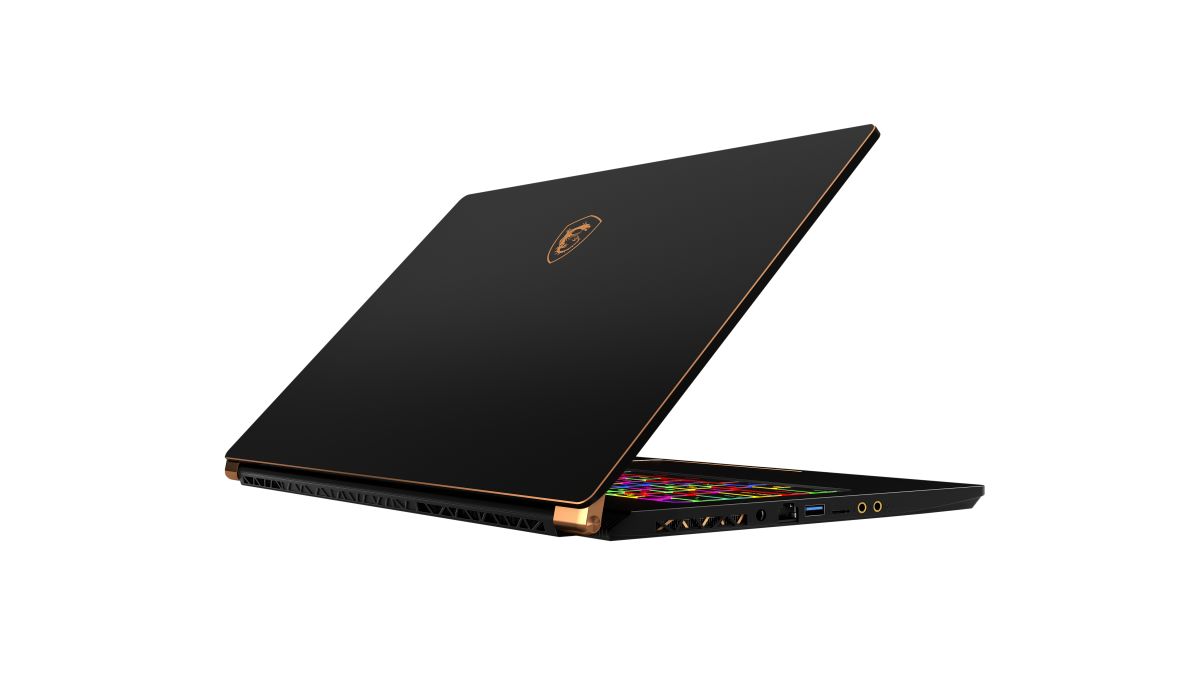
MSI GS75 10SF-036 Stealth gaming laptop supports DDR4-SDRAM memory upgrades with 2x SO-DIMM slots. Maximum RAM capacity reaches 64 GB total. Compatible memory operates at 2666 MHz frequency with SO-DIMM form factor. Upgrade specifications allow installation of additional memory modules to enhance system performance. Current configuration supports dual-channel memory architecture for optimized bandwidth and processing efficiency.
Memory Upgrade Specifications
| Specification | Value |
|---|---|
| Memory slots | 2x SO-DIMM |
| Form factor | SO-DIMM |
| Memory type | DDR4-SDRAM |
| Frequency | 2666 MHz |
| Maximum RAM | 64 GB |
| Voltage | 1.2V |
| Number of pins | 260-pin |
| Interface | PC4 |
| PC Speed Rating | PC4-2666 (PC4-21328) |
| Bandwidth | 21.3 GB/s |
| Laptop Release date | 27 April 2020 |
Additional Notes
- The MSI GS75 10SF-036 Stealth uses SO-DIMM form factor memory, which is physically smaller than desktop DIMM modules and requires careful handling during installation to avoid contact pad damage on the undersides of the modules.
- DDR4-2666 MHz operates at a lower frequency tier than contemporary DDR4-3200 or DDR4-3600 standards, creating a potential bandwidth limitation if replacement modules exceed this specification, as the system will downclock faster memory to match the motherboard's rated speed.
- With 2 memory slots configured for a 64 GB maximum capacity, upgrading from smaller modules requires complete module replacement rather than additive expansion, as there is no third or fourth slot for supplementary installation.
- DDR4-SDRAM compatibility requires replacement modules to match the 2666 MHz frequency to avoid forced downclocking; DDR4-2400 or DDR4-2933 modules will reduce effective bandwidth, while DDR4-3000 or faster modules introduce no performance benefit but remain backward-compatible.
- Installation of new SO-DIMM modules in this laptop necessitates removal of the base panel and may require disconnecting the battery connector to discharge residual power and protect both the motherboard and new memory from electrostatic damage during the procedure.
- Thermal design implications arise from memory density; higher-capacity modules (32 GB per stick) generate slightly more heat than lower-density alternatives, though SO-DIMM modules generally dissipate heat passively without integrated heatspreaders in this class.