MSI Gaming GS75 10SFS-035 Stealth RAM upgrade specifications
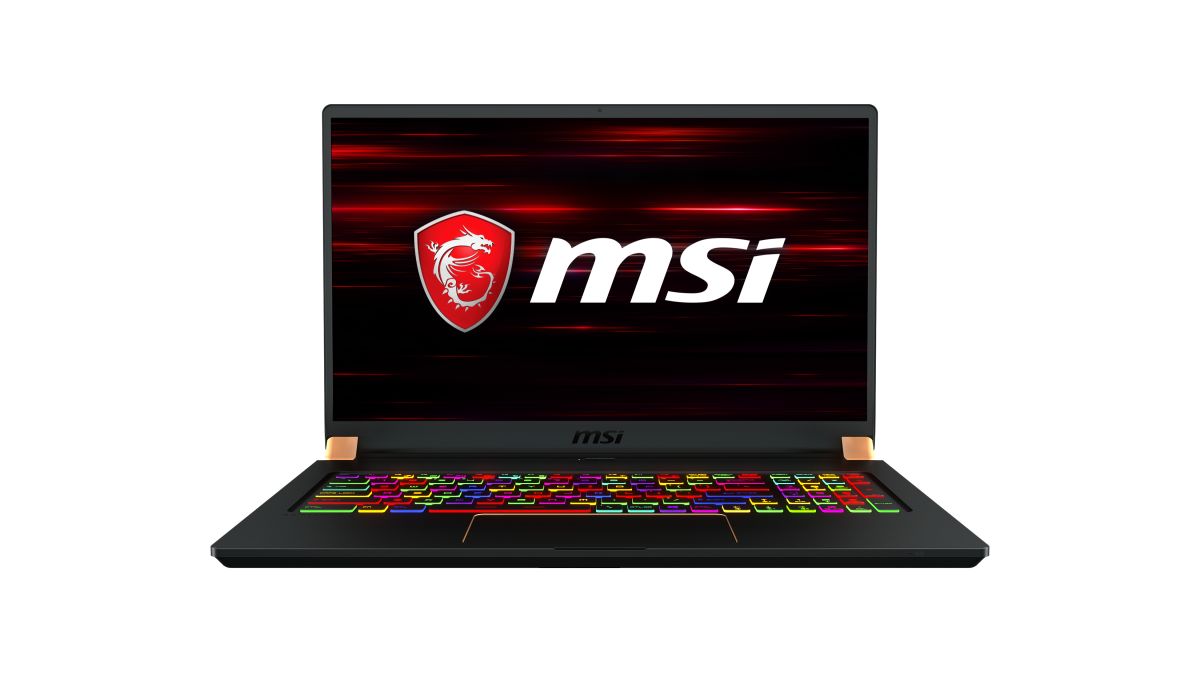
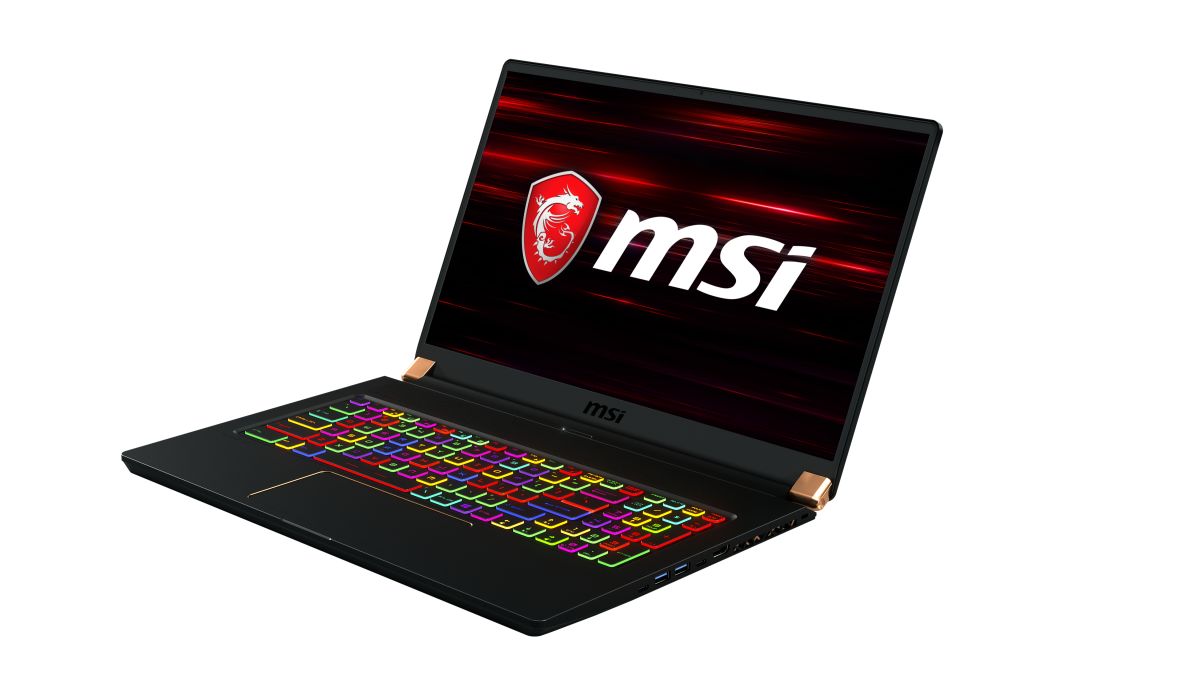
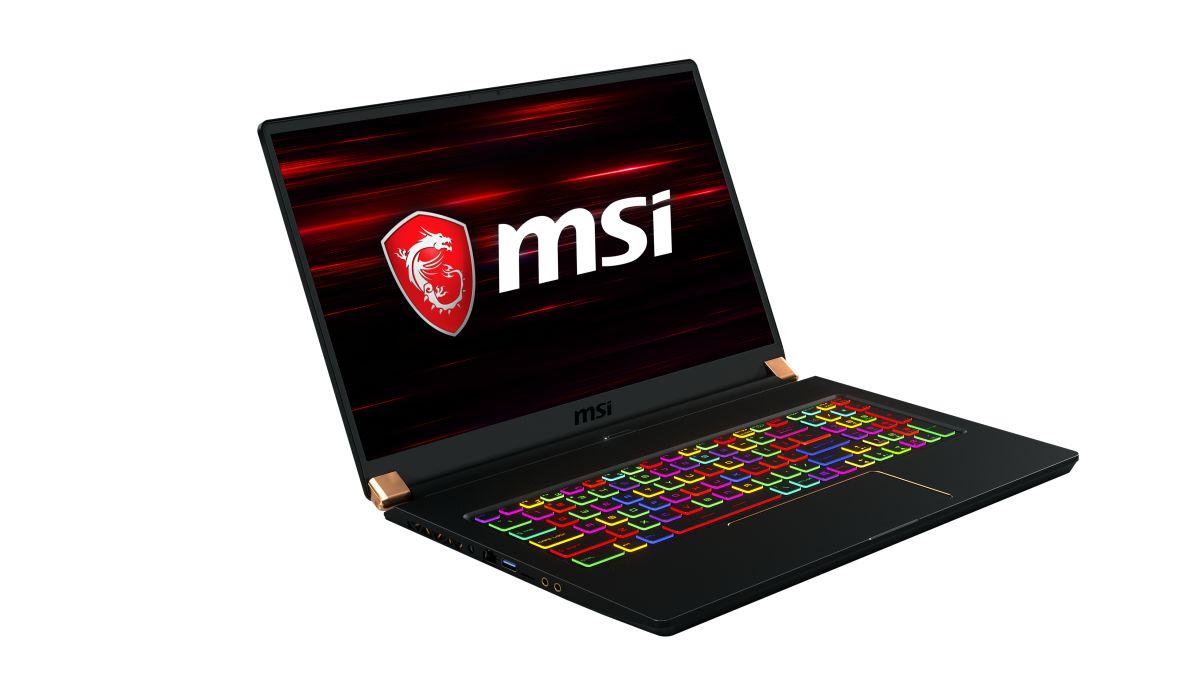


MSI GS75 10SFS-035 Stealth gaming laptop supports DDR4-SDRAM memory upgrades via two SO-DIMM slots. Maximum RAM capacity reaches 64 GB total. Compatible memory modules operate at 2666 MHz frequency. Upgrade specifications allow installation of SO-DIMM form factor modules in available slots to enhance system memory performance and multitasking capabilities.
Memory Upgrade Specifications
| Specification | Value |
|---|---|
| Memory slots | 2x SO-DIMM |
| Form factor | SO-DIMM |
| Memory type | DDR4-SDRAM |
| Frequency | 2666 MHz |
| Maximum RAM | 64 GB |
| Voltage | 1.2V |
| Number of pins | 260-pin |
| Interface | PC4 |
| PC Speed Rating | PC4-2666 (PC4-21328) |
| Bandwidth | 21.3 GB/s |
| Laptop Release date | 27 April 2020 |
Additional Notes
- The MSI GS75 10SFS-035 Stealth operates on the 2666 MHz JEDEC specification, which may downclock faster-rated modules if installed, potentially wasting premium spent on 3200 MHz or higher kits.
- The 2-slot SO-DIMM configuration enforces a binary upgrade decision: users must replace both modules simultaneously to maintain dual-channel bandwidth, as leaving one slot empty halves memory throughput.
- Achieving the 64 GB ceiling requires sourcing matched 32 GB SO-DIMM modules, which command significantly higher per-gigabyte pricing compared to more common 8 GB or 16 GB densities.
- DDR4 SO-DIMM voltage typically defaults to 1.2V, meaning non-standard XMP profiles requiring 1.35V may fail to initialize or cause thermal throttling in the confined chassis layout.
- Single-channel operation resulting from unmatched module capacities directly impacts integrated graphics performance and memory-intensive workloads by reducing peak bandwidth from 42.6 GB/s to 21.3 GB/s.
- The absence of quad-channel support inherent to the 2-slot design limits memory-bound applications such as large dataset processing or virtual machine allocation compared to workstation-class systems.
- DDR4-2666 operates at CL19 JEDEC timings by default, creating higher latency compared to manually tuned CL15 or CL16 configurations, though laptop BIOS implementations rarely expose advanced timing controls.
- Warranty preservation requires non-destructive installation, meaning users must verify whether the bottom panel provides direct RAM access or necessitates deeper disassembly that could void service agreements.
- The SO-DIMM form factor physically prevents installation of standard DIMM modules, eliminating the possibility of repurposing desktop memory inventory for this upgrade path.
- Thermal performance of installed modules directly affects sustained boost clocks, as most gaming laptops share heat dissipation zones between CPU, GPU, and memory subsystems under load.