MSI Gaming GS75 10SF-645UK Stealth RAM upgrade specifications
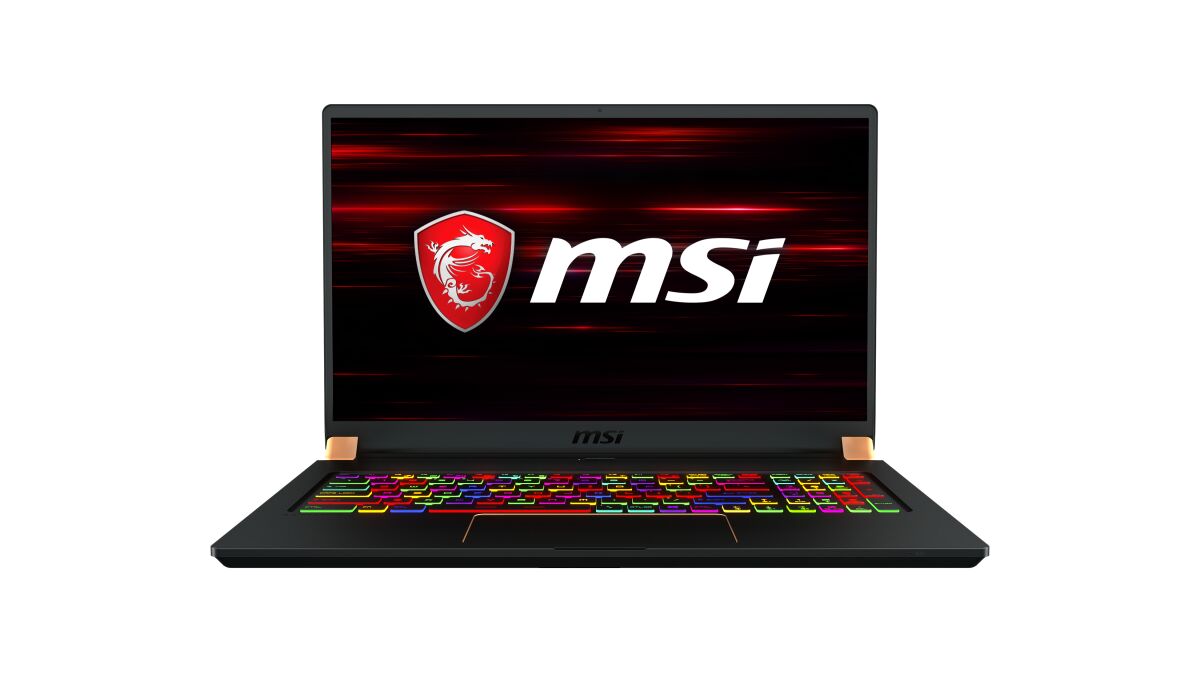




The MSI GS75 10SF-645UK Stealth gaming laptop features DDR4-SDRAM memory configuration with two SO-DIMM slots supporting maximum RAM capacity of 64 GB. Memory upgrade specifications indicate compatibility with DDR4 modules operating at 3200 MHz frequency. The Gaming GS series laptop supports SO-DIMM form factor for memory expansion, allowing users to upgrade from factory-installed capacity to the maximum 64 GB configuration. Upgrade compatibility requires DDR4-SDRAM specifications matching the native frequency parameters of the MSI GS75 10SF-645UK Stealth platform.
Memory Upgrade Specifications
| Specification | Value |
|---|---|
| Memory slots | 2x SO-DIMM |
| Form factor | SO-DIMM |
| Memory type | DDR4-SDRAM |
| Frequency | 3200 MHz |
| Maximum RAM | 64 GB |
| Voltage | 1.2V |
| Number of pins | 260-pin |
| Interface | PC4 |
| PC Speed Rating | PC4-3200 (PC4-25600) |
| Bandwidth | 25.6 GB/s |
| Laptop Release date | 25 July 2020 |
Additional Notes
- The MSI GS75 10SF-645UK Stealth supports dual-channel memory architecture through its 2 SO-DIMM slots, enabling up to twice the memory bandwidth compared to single-channel configurations when identical modules are installed in both slots.
- DDR4-3200 represents the native JEDEC specification that the memory controller supports without requiring XMP profiles or overclocking, ensuring stable operation within manufacturer specifications.
- Mixing modules with different speeds will force all installed memory to operate at the frequency of the slowest module, potentially reducing system performance if mismatched components are combined.
- The 64 GB ceiling indicates compatibility with 32 GB modules per slot, which eliminates the need for asymmetric configurations when maximizing capacity.
- SO-DIMM modules require approximately 1.5 inches of vertical clearance above the slot, which may create conflicts with certain aftermarket cooling solutions or custom hardware modifications.
- DDR4 operates at 1.2V standard voltage, and selecting modules rated at higher voltages risks thermal throttling or instability in the confined thermal envelope typical of gaming laptops.
- Installing memory modules with different latency timings will cause the system to default to the looser timings, potentially introducing minor performance degradation in latency-sensitive workloads.
- Non-ECC unbuffered modules are required, as registered or error-correcting memory variants will not initialize properly in consumer-grade mobile platforms.
- Memory replacement typically does not void manufacturer warranties provided no physical damage occurs during installation, though verification of specific warranty terms remains advisable.
- Dual-rank modules may offer marginal performance improvements over single-rank equivalents at identical frequencies due to interleaving optimizations in the memory controller.
- Thermal considerations become critical at 3200 MHz, where sustained memory-intensive operations may benefit from modules featuring integrated heat spreaders despite their limited effectiveness in laptop form factors.