MSI Gaming GS75 10SF-643 Stealth RAM upgrade specifications
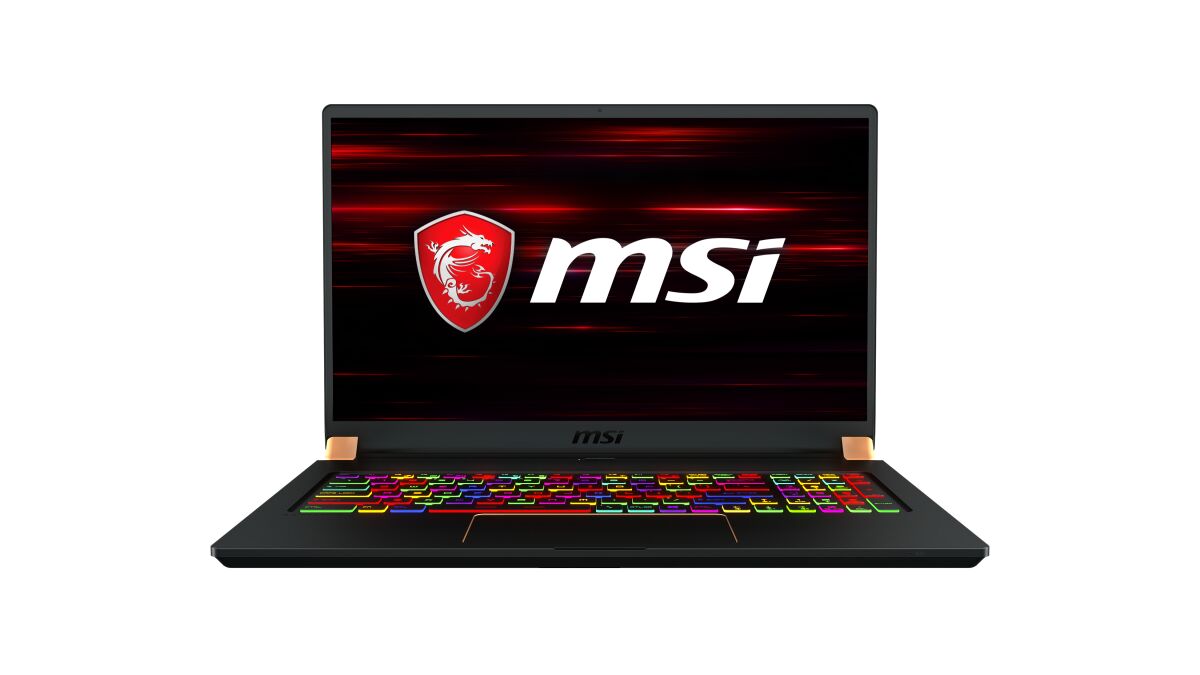




The MSI GS75 10SF-643 Stealth gaming laptop features DDR4-SDRAM memory with two SO-DIMM slots for upgrade capacity. Maximum RAM specifications support up to 64 GB total memory. The GS Series Gaming model is compatible with DDR4 memory modules operating at 2666 MHz frequency. RAM upgrade options allow users to expand the laptop's memory configuration through available SO-DIMM slots to achieve maximum capacity specifications.
Memory Upgrade Specifications
| Specification | Value |
|---|---|
| Memory slots | 2x SO-DIMM |
| Form factor | SO-DIMM |
| Memory type | DDR4-SDRAM |
| Frequency | 2666 MHz |
| Maximum RAM | 64 GB |
| Voltage | 1.2V |
| Number of pins | 260-pin |
| Interface | PC4 |
| PC Speed Rating | PC4-2666 (PC4-21328) |
| Bandwidth | 21.3 GB/s |
| Laptop Release date | 22 June 2020 |
Additional Notes
- The MSI GS75 10SF-643 Stealth accepts SO-DIMM modules exclusively, which eliminates compatibility with standard desktop DIMM memory regardless of matching specifications.
- The 2666 MHz frequency represents JEDEC standard DDR4 speed, allowing installation of higher-rated modules that will automatically downclock to match the system's supported frequency.
- With only 2 physical slots available, capacity upgrades require complete module replacement rather than incremental expansion beyond the initial configuration.
- The 64 GB ceiling indicates chipset-level limitations tied to the Intel 10th generation mobile platform, preventing recognition of higher-density modules even if physically compatible.
- Dual-channel architecture requires matched pairs for optimal memory bandwidth, as mismatched capacities or timings force single-channel operation with approximately 50 percent throughput reduction.
- DDR4 SO-DIMM voltage specifications operate at 1.2V standard, though some gaming-oriented modules may default to higher XMP profiles that require BIOS compatibility verification.
- Module height restrictions in ultra-thin gaming chassis demand low-profile SO-DIMMs without extended heat spreaders that could interfere with internal cooling assemblies.
- Operating frequency at 2666 MHz establishes bandwidth at 21.3 GB/s per channel, creating potential bottlenecks for GPU-intensive workloads relying on shared system memory allocation.
- Non-ECC unbuffered modules represent the only compatible architecture, as registered or error-correcting memory types lack support in consumer mobile platforms.
- Memory controller specifications tied to the 10th generation Intel Core mobile processors mandate DDR4-2933 maximum official support, though 2666 MHz operation ensures broader compatibility margins.
- Installation requires complete bottom panel removal in most MSI gaming chassis designs, potentially affecting thermal paste integrity on nearby components during access.
- Warranty preservation demands adherence to manufacturer-approved module specifications, as frequency or voltage deviations may void coverage despite physical compatibility.