MSI Gaming GS75 10SF-642FR Stealth RAM upgrade specifications
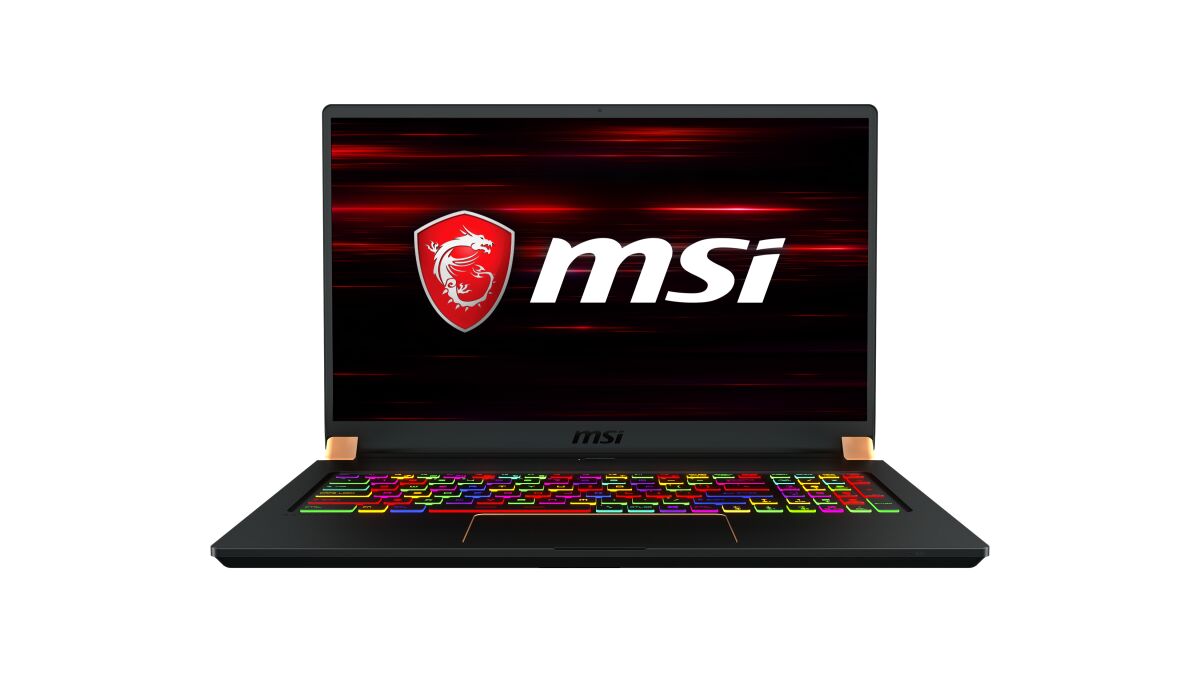
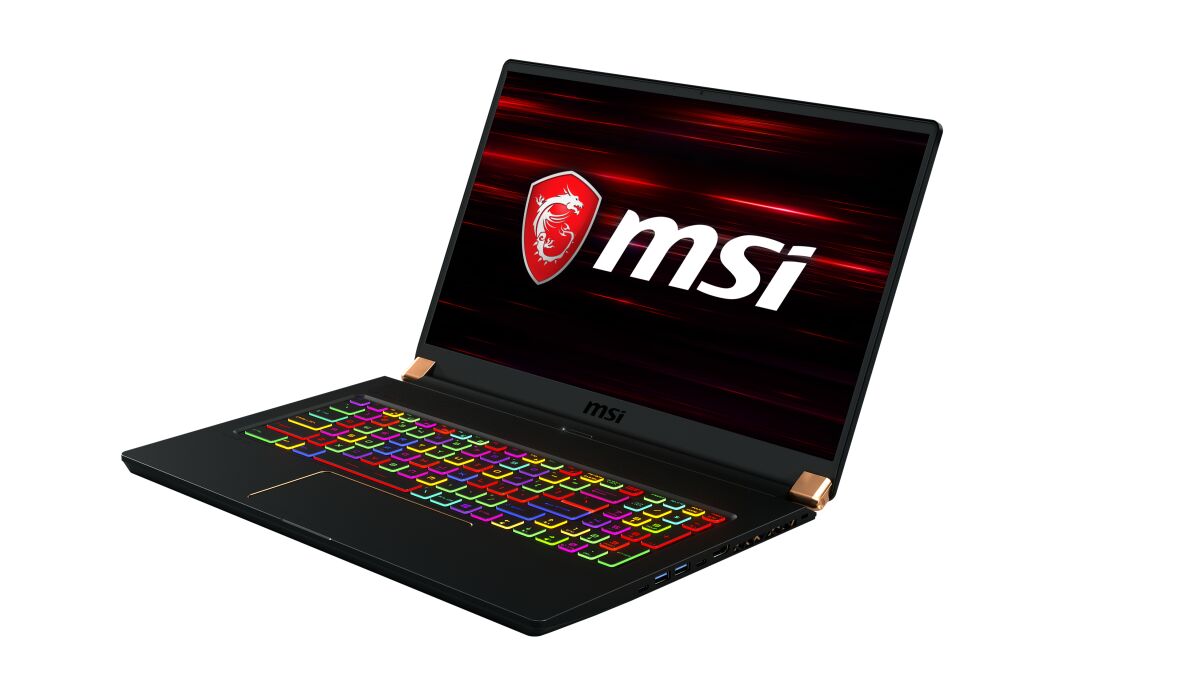
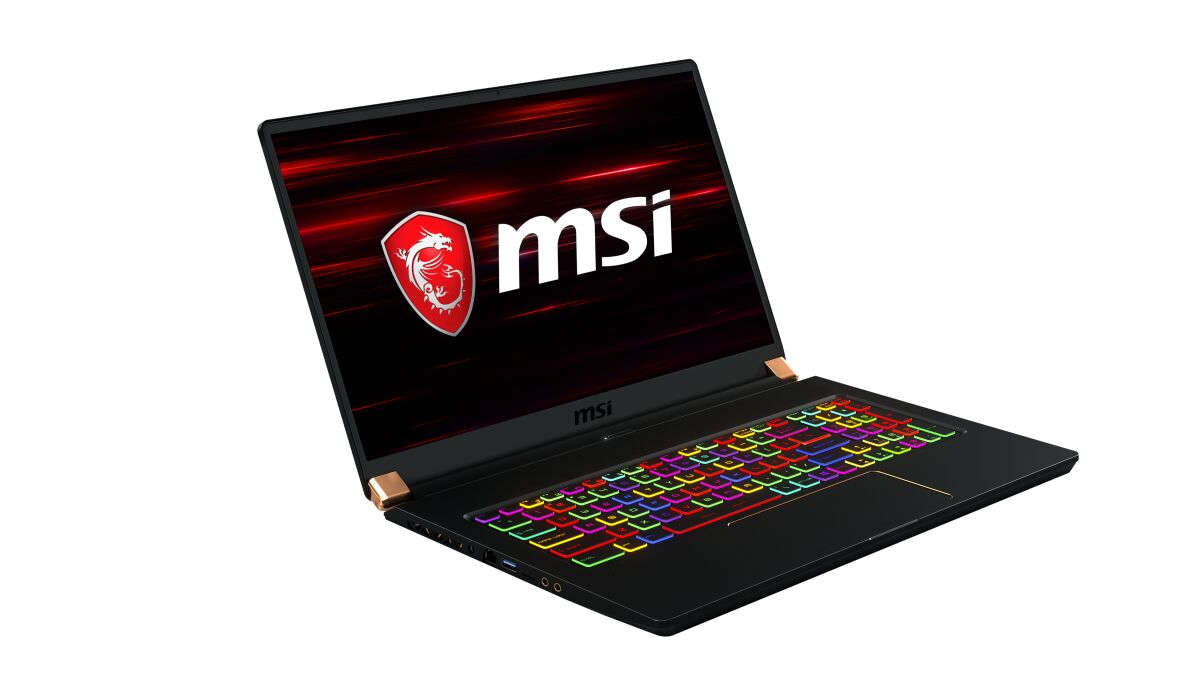
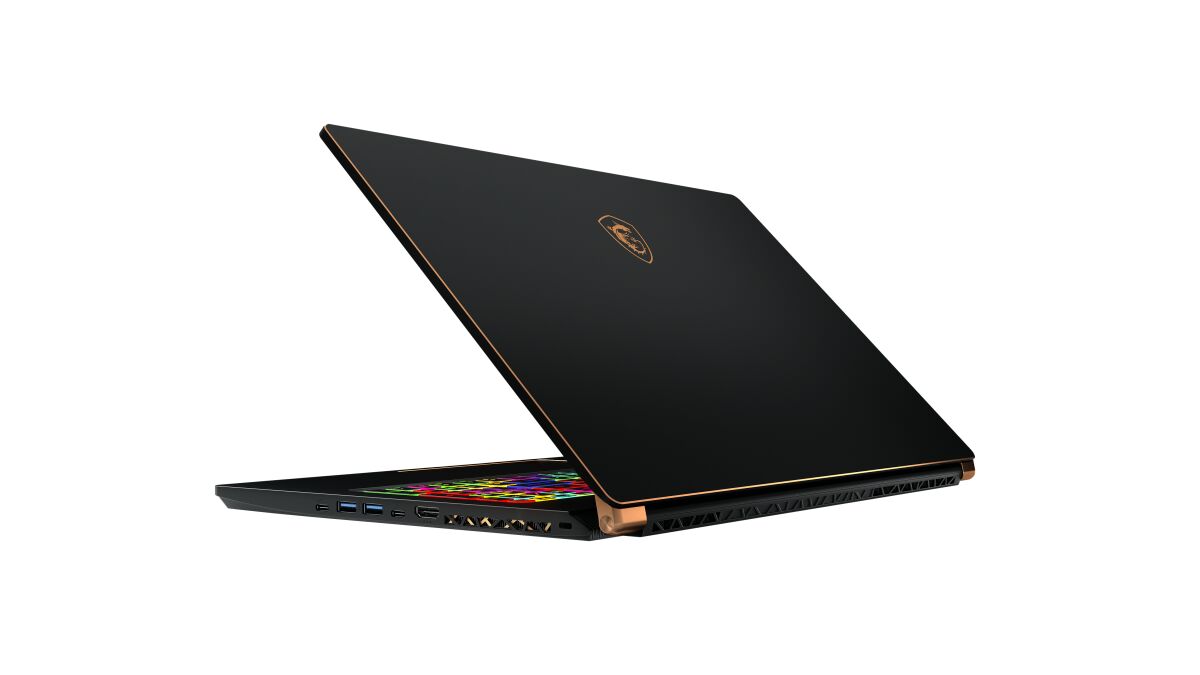
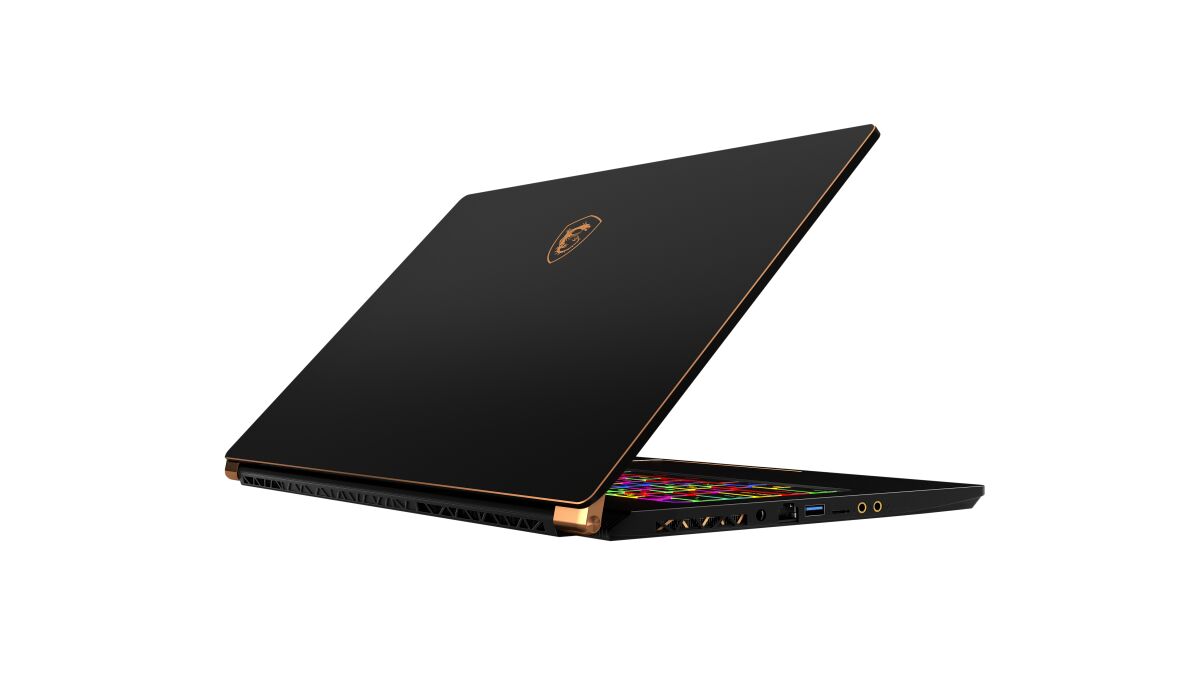
The MSI GS75 10SF-642FR Stealth gaming laptop features DDR4-SDRAM memory upgrade specifications with two SO-DIMM slots supporting a maximum capacity of 64 GB. The upgrade configuration accommodates DDR4 modules operating at 3200 MHz frequency, enabling users to expand memory capacity for enhanced multitasking and performance. Compatible memory upgrades must utilize SO-DIMM form factor specifications matching the laptop's dual-slot architecture. These RAM specifications are designed for the MSI Gaming GS series platform.
Memory Upgrade Specifications
| Specification | Value |
|---|---|
| Memory slots | 2x SO-DIMM |
| Form factor | SO-DIMM |
| Memory type | DDR4-SDRAM |
| Frequency | 3200 MHz |
| Maximum RAM | 64 GB |
| Voltage | 1.2V |
| Number of pins | 260-pin |
| Interface | PC4 |
| PC Speed Rating | PC4-3200 (PC4-25600) |
| Bandwidth | 25.6 GB/s |
| Laptop Release date | 23 September 2020 |
Additional Notes
- The motherboard architecture requires a matched pair of modules to enable dual channel memory mode for optimal bandwidth during high load gaming or rendering.
- Physical access to the dual SO DIMM slots on the MSI GS75 10SF-642FR Stealth typically necessitates a flipped motherboard design which complicates routine hardware swaps for inexperienced users.
- The 64 GB threshold is dictated by the memory controller within the 10th generation chipset which prevents the recognition of larger density modules regardless of BIOS updates.
- Operating at a 3200 MHz frequency depends on the integrated memory controller being able to maintain stable voltage across both slots without downclocking to lower JEDEC profiles.
- Standard 260 pin DDR4 modules are the only compatible interface for this chassis due to the specific Z height clearance of the thin stealth profile.
- Installation of low latency memory kits provides a reduction in frame time variance and improves minimum 1 percent low performance in CPU bound scenarios.
- Utilizing the maximum capacity reduces swap file dependency on the primary storage drive and extends the operational lifespan of the solid state drive.