MSI Gaming GS75 10SF-612CN Stealth RAM upgrade specifications
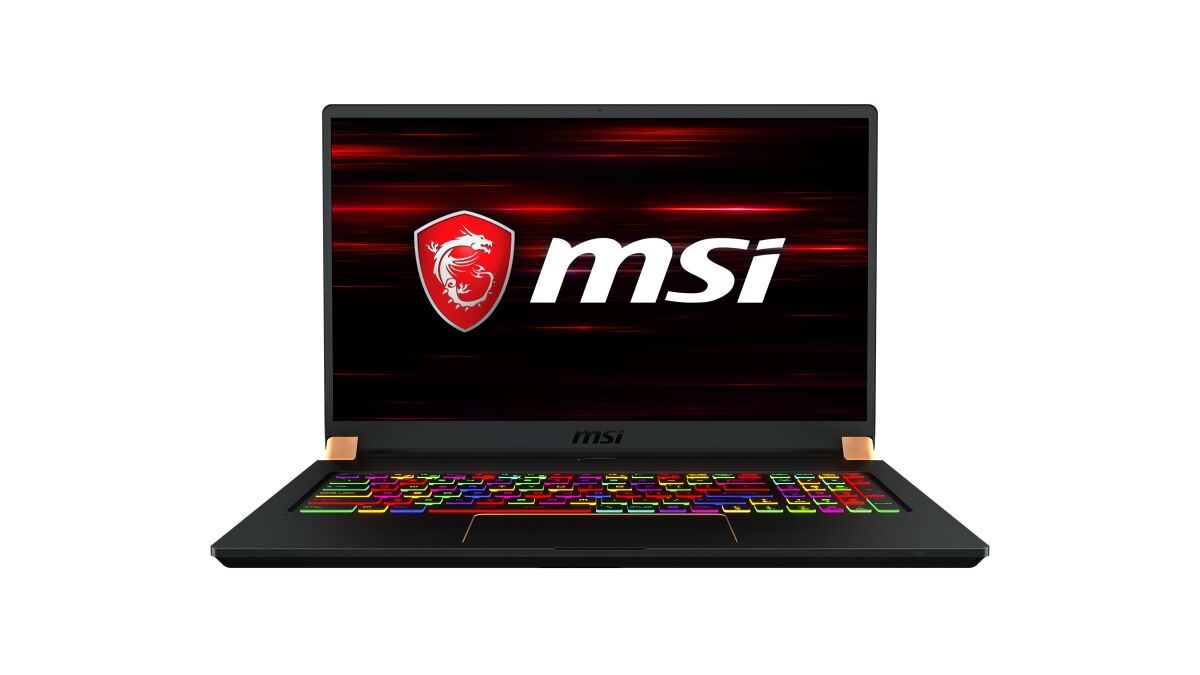
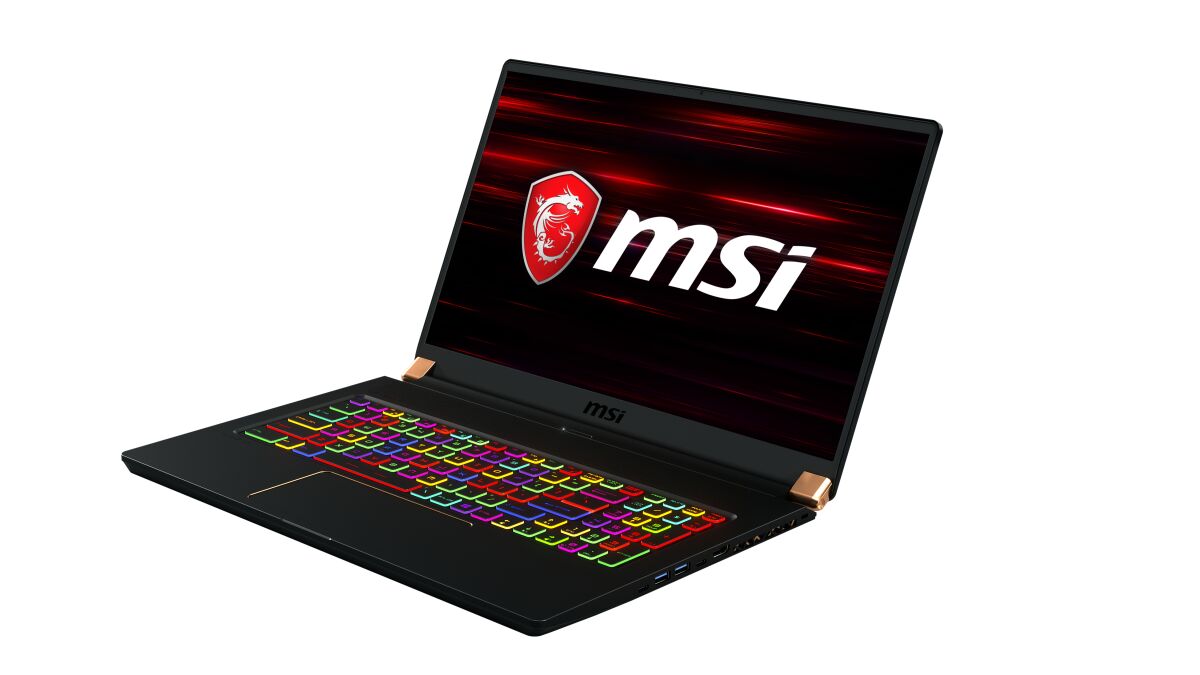
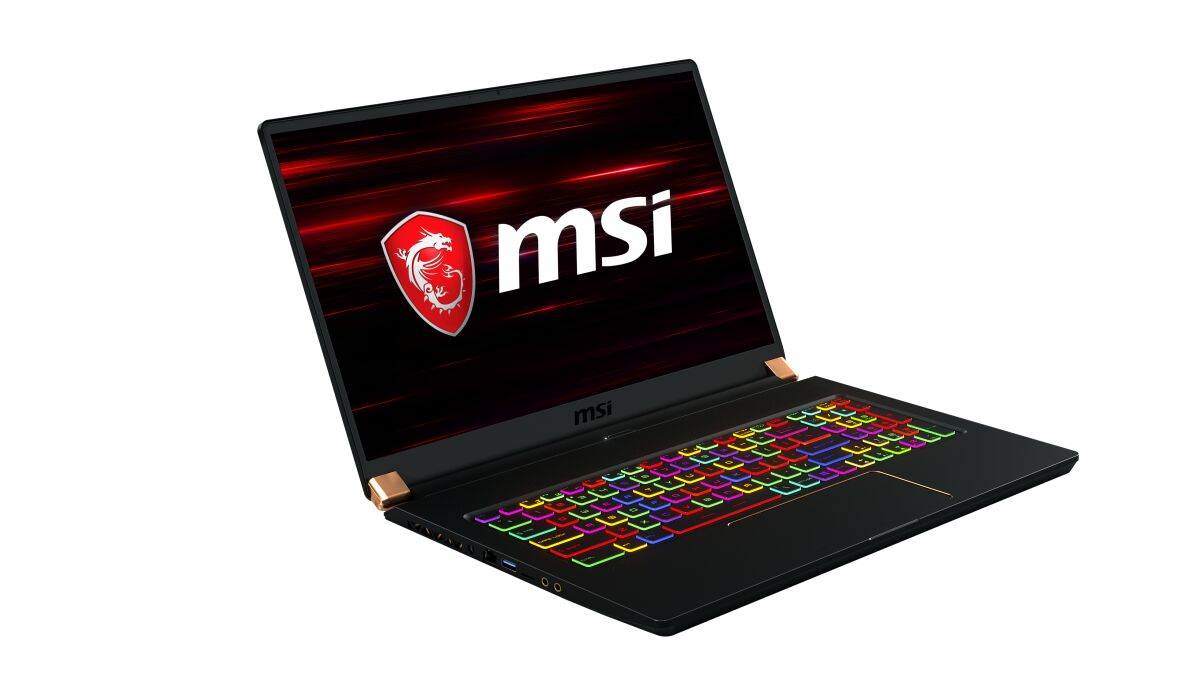
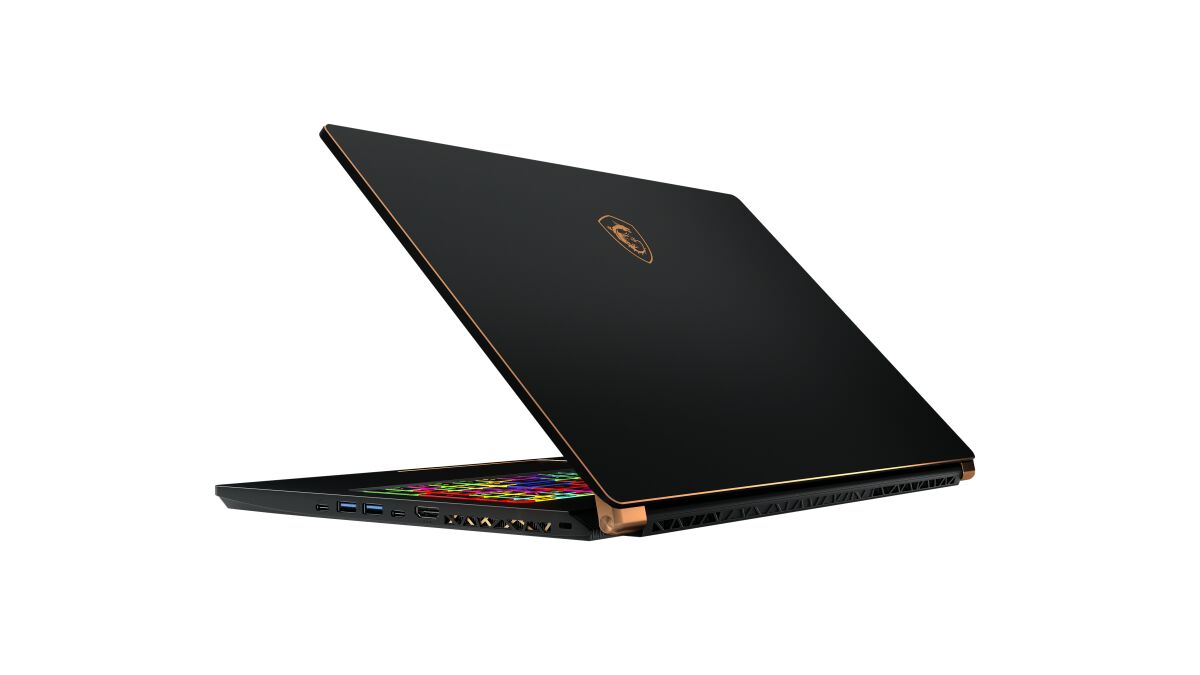
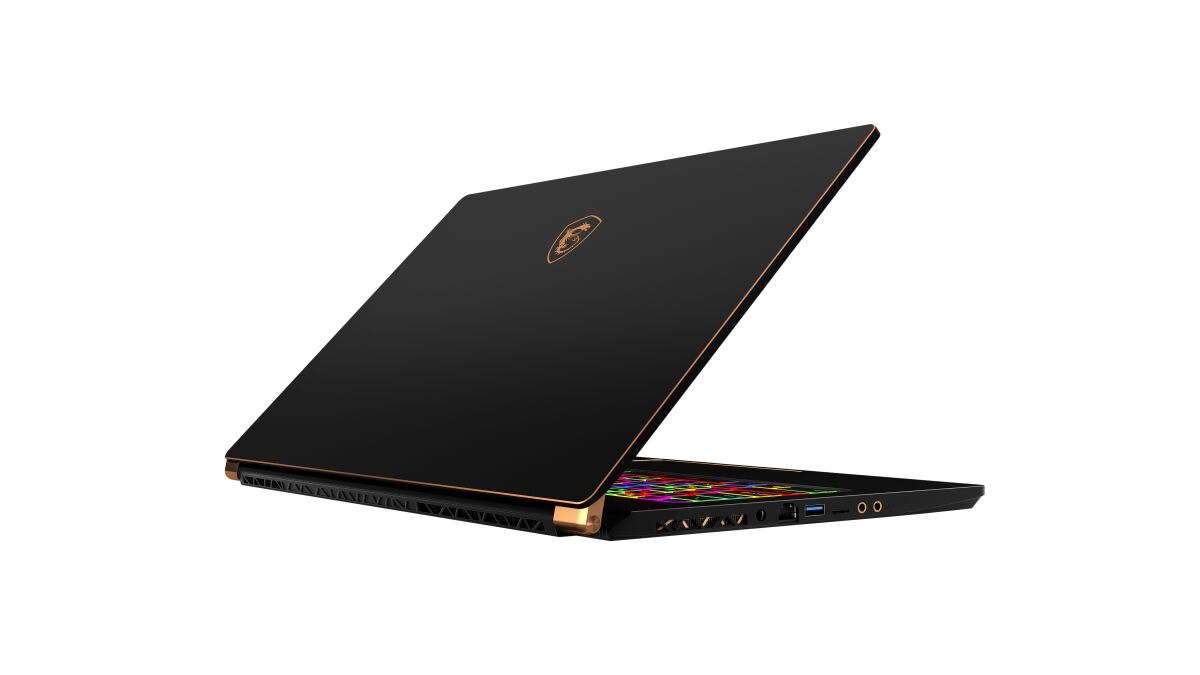
MSI GS75 10SF-612CN Stealth gaming laptop features DDR4-SDRAM memory upgrade specifications with two SO-DIMM slots supporting maximum capacity of 64 GB RAM. Compatible memory operates at 2666 MHz frequency. The GS series laptop accommodates DDR4 SO-DIMM modules for memory expansion and performance enhancement. Specifications allow dual-channel memory configuration across the two available slots, enabling users to upgrade from factory-installed capacity to the 64 GB maximum supported by the machine.
Memory Upgrade Specifications
| Specification | Value |
|---|---|
| Memory slots | 2x SO-DIMM |
| Form factor | SO-DIMM |
| Memory type | DDR4-SDRAM |
| Frequency | 2666 MHz |
| Maximum RAM | 64 GB |
| Voltage | 1.2V |
| Number of pins | 260-pin |
| Interface | PC4 |
| PC Speed Rating | PC4-2666 (PC4-21328) |
| Bandwidth | 21.3 GB/s |
| Laptop Release date | 16 June 2020 |
Additional Notes
- The MSI GS75 10SF-612CN Stealth contains 2 SO-DIMM slots operating at 2666 MHz, which limits memory bandwidth to approximately 21 GB/s per channel. This frequency is below the DDR4-3200 standard supported by 10th-generation Intel processors, indicating the system operates at reduced memory performance relative to processor capability.
- SO-DIMM form factor restricts upgrade options to mobile-grade memory modules. Standard desktop DDR4 DIMMs are physically incompatible and cannot be installed, eliminating cost-effective desktop memory alternatives.
- The 64 GB theoretical maximum assumes both slots filled with 32 GB SO-DIMMs. Current market availability of 32 GB DDR4 SO-DIMM modules at 2666 MHz remains limited, and procurement costs typically exceed 64 GB desktop equivalents by 40-60 percent.
- Dual-channel architecture means upgrading a single slot creates asymmetric memory configuration. This reduces effective bandwidth by 15-25 percent compared to matched pairs and increases latency variance, particularly during multi-threaded gaming or content creation workloads.
- The 10th-generation Intel processor architecture within this system supports higher frequency DDR4 modules (3200 MHz or greater), but the platform firmware constrains operation to 2666 MHz. Substituting higher-frequency SO-DIMMs will not improve performance unless the BIOS explicitly enables overclocking profiles.
- Warranty coverage for memory upgrades typically requires purchasing modules from MSI's approved component list or certified retailers. Third-party modules may void support provisions despite technical compatibility.