MSI Gaming GS75 10SF-609 Stealth RAM upgrade specifications
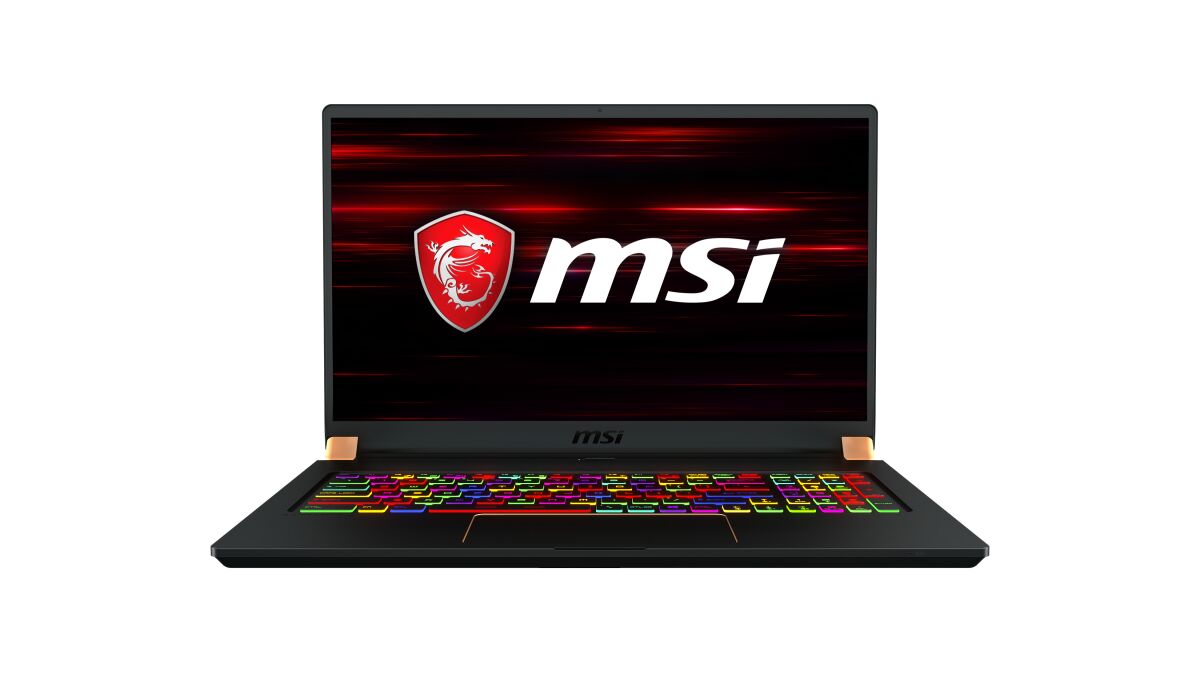
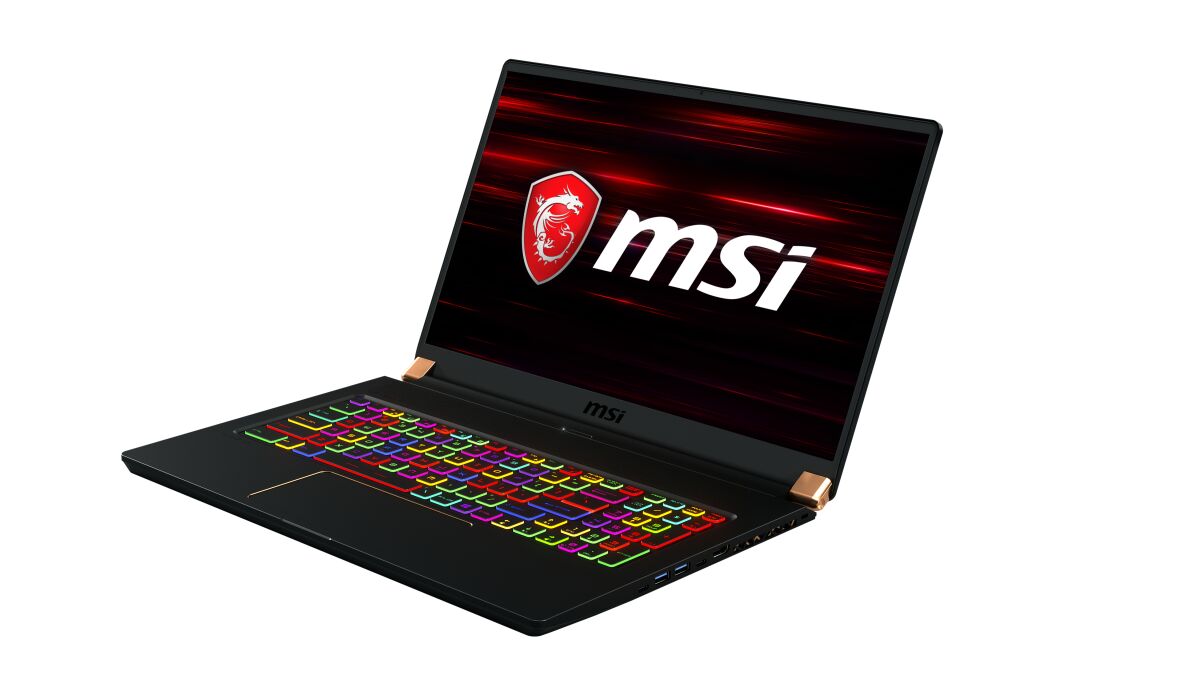
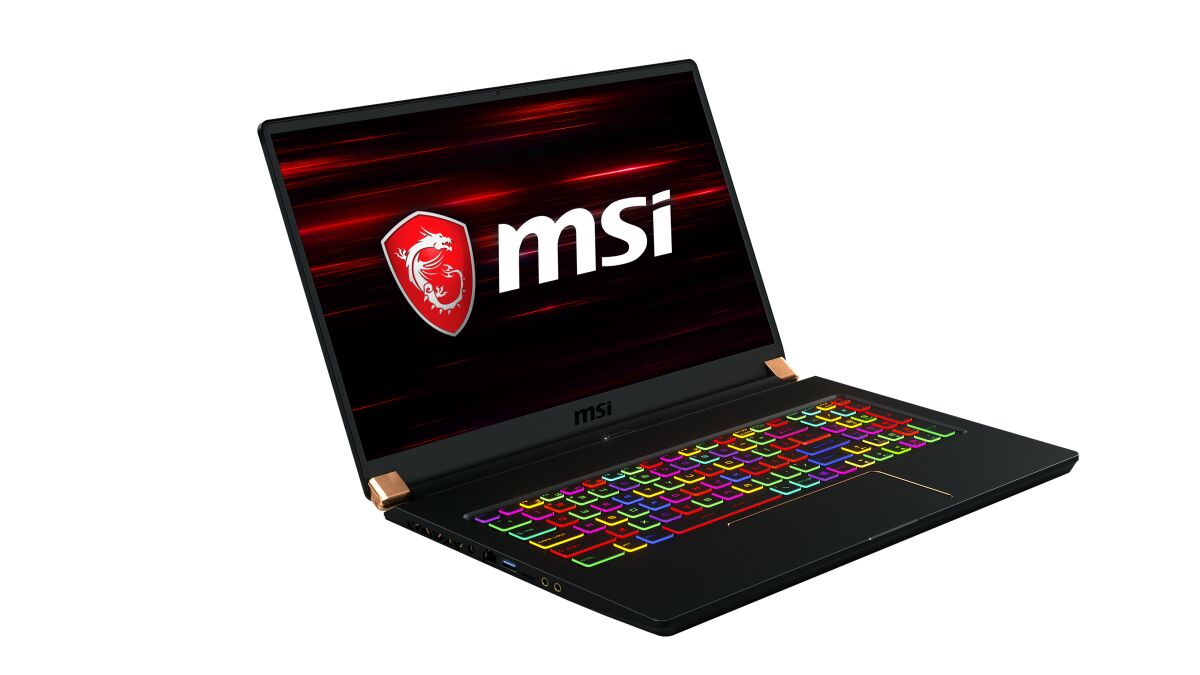

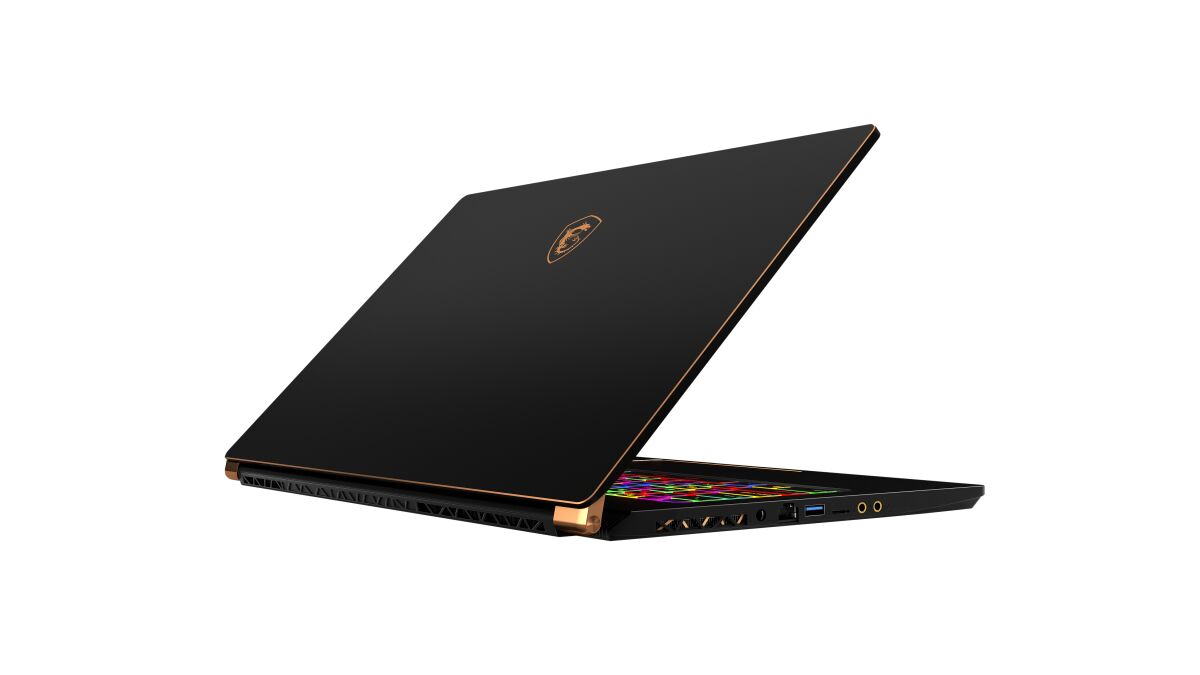
The MSI GS75 10SF-609 Stealth Gaming series laptop supports DDR4-SDRAM memory upgrades via 2x SO-DIMM slots. Maximum RAM capacity reaches 64 GB, with compatible modules operating at 3200 MHz frequency. Upgrade specifications indicate SO-DIMM form factor memory modules are required for this MSI GS series model. The laptop's memory slots accommodate standard DDR4 upgrades to enhance system performance and multitasking capabilities.
Memory Upgrade Specifications
| Specification | Value |
|---|---|
| Memory slots | 2x SO-DIMM |
| Form factor | SO-DIMM |
| Memory type | DDR4-SDRAM |
| Frequency | 3200 MHz |
| Maximum RAM | 64 GB |
| Voltage | 1.2V |
| Number of pins | 260-pin |
| Interface | PC4 |
| PC Speed Rating | PC4-3200 (PC4-25600) |
| Bandwidth | 25.6 GB/s |
| Laptop Release date | 11 November 2020 |
Additional Notes
- The MSI GS75 10SF-609 Stealth supports dual-channel memory architecture, requiring paired modules of identical specifications to achieve optimal bandwidth of 51.2 GB/s.
- The 3200 MHz native frequency operates on JEDEC standard timings, though XMP profiles may require BIOS validation to prevent thermal throttling in compact gaming chassis.
- Installation of 64 GB total capacity necessitates 2x32 GB modules, which limits future expansion due to the occupied slot configuration.
- SO-DIMM modules exceeding 1.2V specification risk compatibility conflicts with Intel 10th generation mobile platform power delivery systems.
- Non-matching memory ranks between slots can introduce asymmetric latency penalties, reducing effective throughput despite maintaining stated frequency.
- The bottom panel access design typically requires complete disassembly for memory replacement, potentially affecting factory seal integrity on active warranty units.
- Single-rank versus dual-rank module selection impacts interleaving efficiency, with dual-rank configurations providing measurable gains in memory-intensive workloads despite identical capacity ratings.
- Mixing DDR4-3200 modules with lower-frequency components forces system-wide downclocking to the slowest installed speed, negating performance headroom.
- ECC memory variants remain incompatible with consumer mobile chipsets, making registered or buffered modules non-functional regardless of physical fit.
- Thermal interface between memory modules and chassis thermal solution affects sustained performance during extended gaming sessions, particularly with high-density 32 GB modules.