MSI Gaming GS75 10SGS-484AU Stealth RAM upgrade specifications
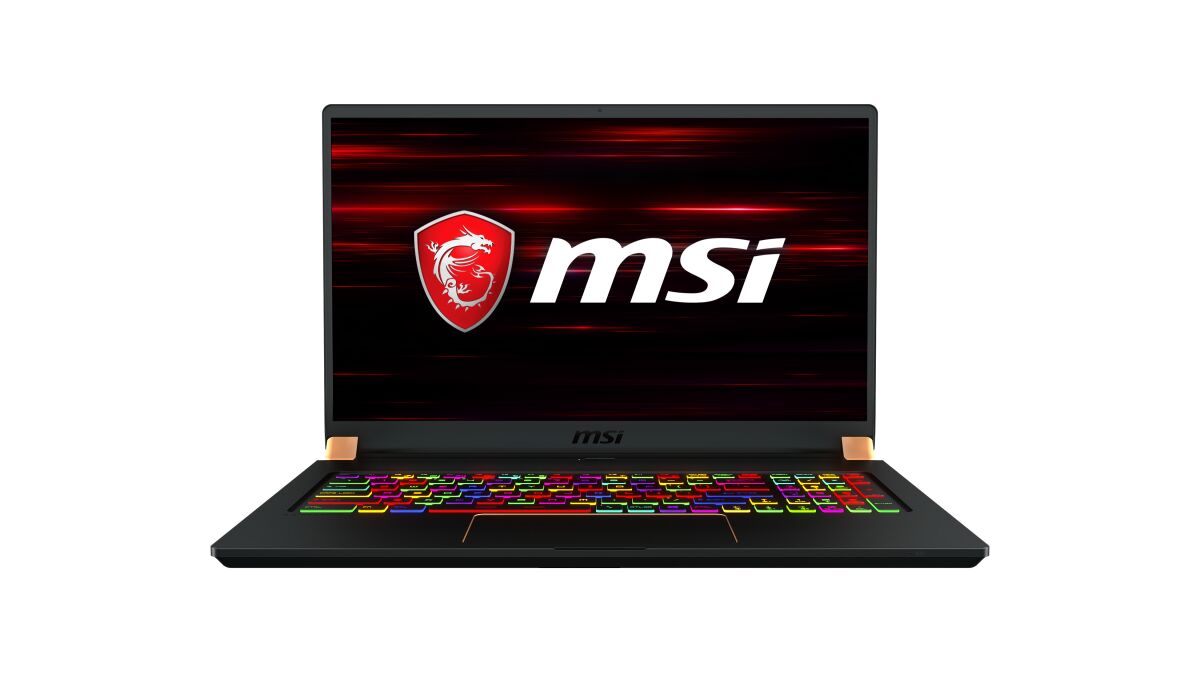
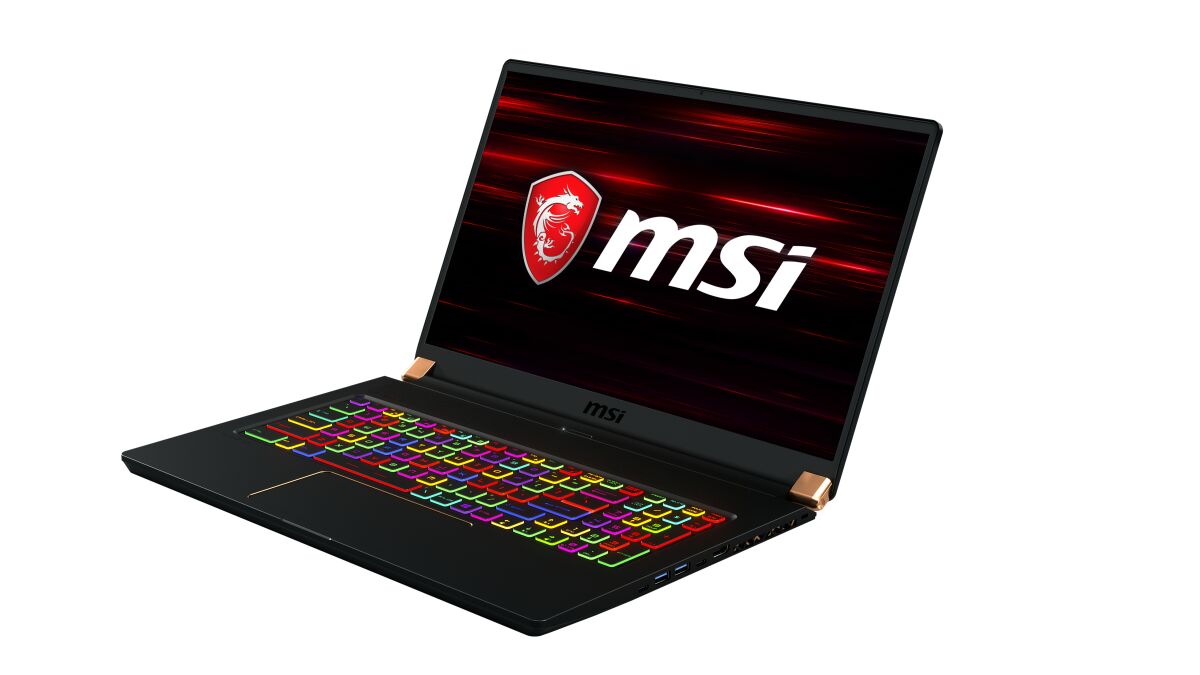
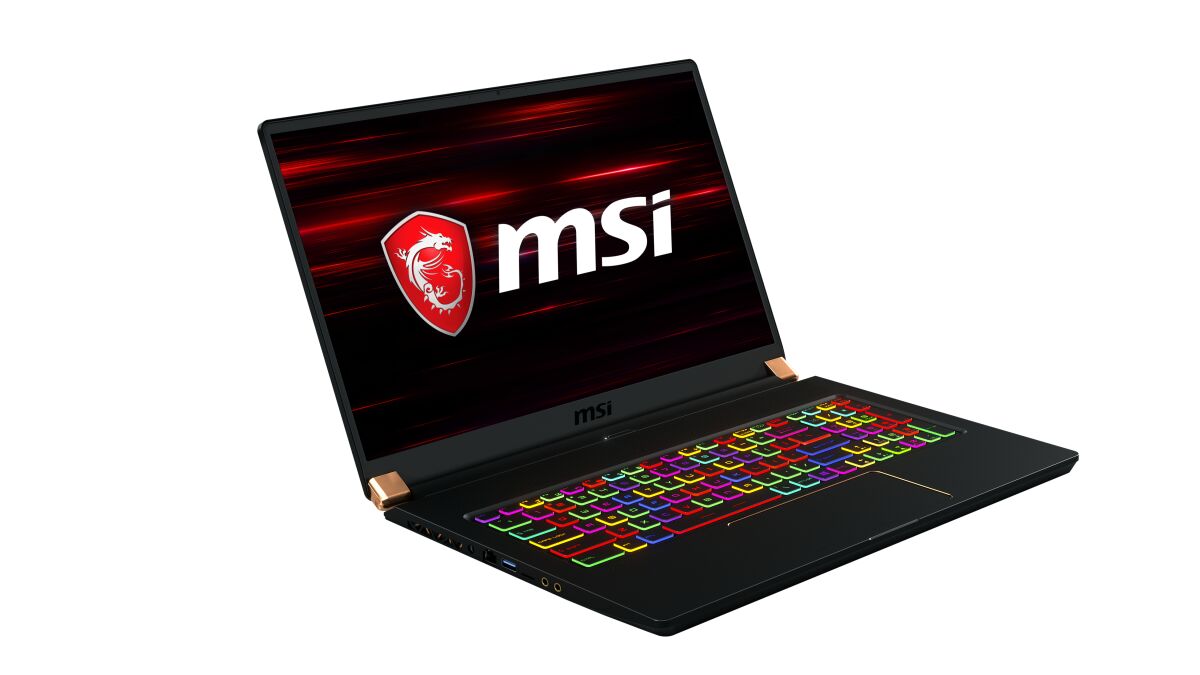

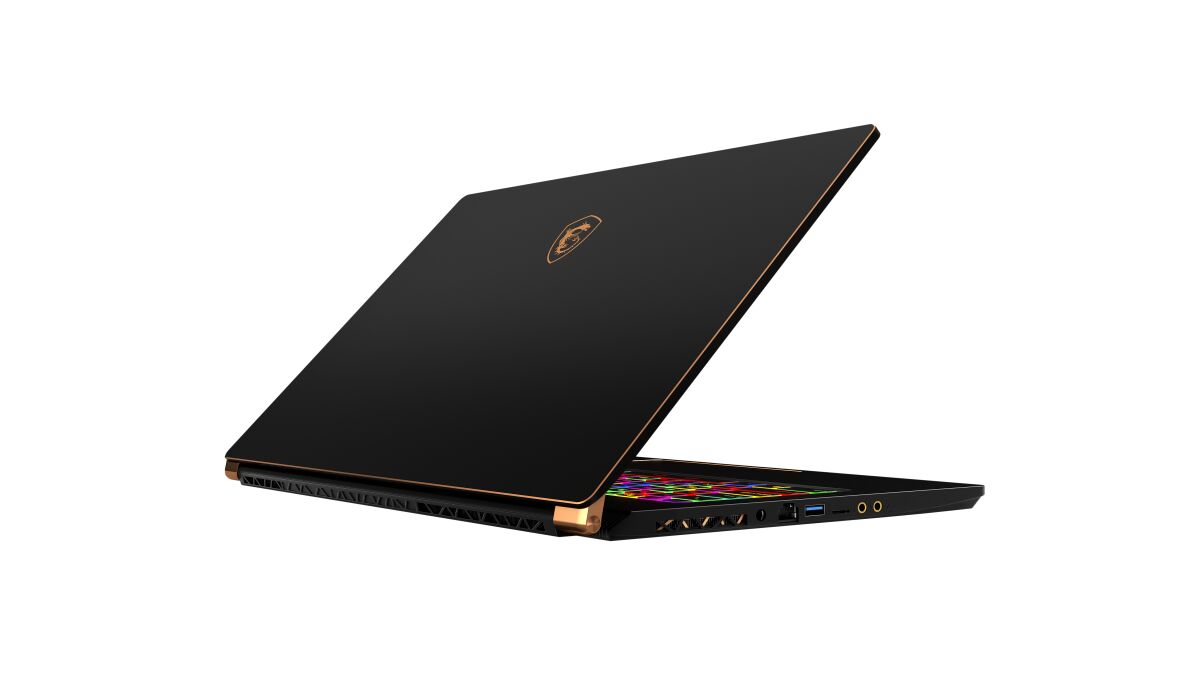
MSI GS75 10SGS-484AU Stealth Gaming series laptop features DDR4-SDRAM memory upgrade specifications. The device contains 2x SO-DIMM memory slots supporting maximum capacity of 64 GB RAM. Compatible memory modules operate at 3200 MHz frequency. Upgrade specifications indicate DDR4 SO-DIMM form factor compatibility for RAM expansion. Maximum memory configuration allows capacity expansion to 64 GB across available slots. MSI Gaming GS series specifications support DDR4-SDRAM upgrades in dual slot configuration.
Memory Upgrade Specifications
| Specification | Value |
|---|---|
| Memory slots | 2x SO-DIMM |
| Form factor | SO-DIMM |
| Memory type | DDR4-SDRAM |
| Frequency | 3200 MHz |
| Maximum RAM | 64 GB |
| Voltage | 1.2V |
| Number of pins | 260-pin |
| Interface | PC4 |
| PC Speed Rating | PC4-3200 (PC4-25600) |
| Bandwidth | 25.6 GB/s |
| Laptop Release date | 25 November 2020 |
Additional Notes
- The dual channel configuration requirement necessitates installing modules in matched pairs to avoid significant memory bandwidth reductions during high load scenarios.
- Upgrading the MSI GS75 10SGS-484AU Stealth involves navigating a flipped motherboard design which requires removing the entire mainboard assembly to access the memory slots located on the underside.
- System stability depends on utilizing non ECC unbuffered modules as the chipset lacks support for error correcting code memory architectures.
- Latency variations between mismatched timing profiles will force the system to default to the slowest common JEDEC profile regardless of the 3200 MHz rating.
- Current thermal overhead limits suggest that high density 32 GB modules may increase localized heat zones near the CPU due to the compact chassis layout.
- Replacing existing factory modules is mandatory for expansion because the absence of additional open slots prevents incremental capacity increases.
- Maintaining the 1.2V power standard is critical for compatibility to prevent voltage related hardware damage or boot failures.