MSI Gaming GS75 10SGS-610 Stealth RAM upgrade specifications
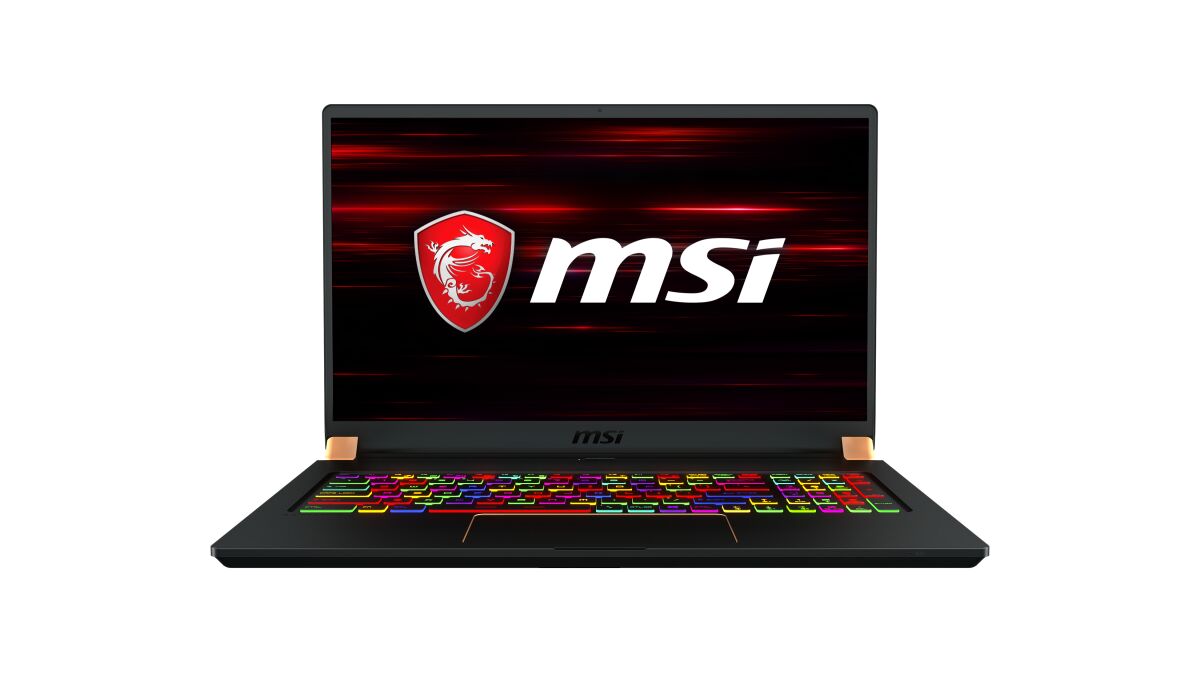
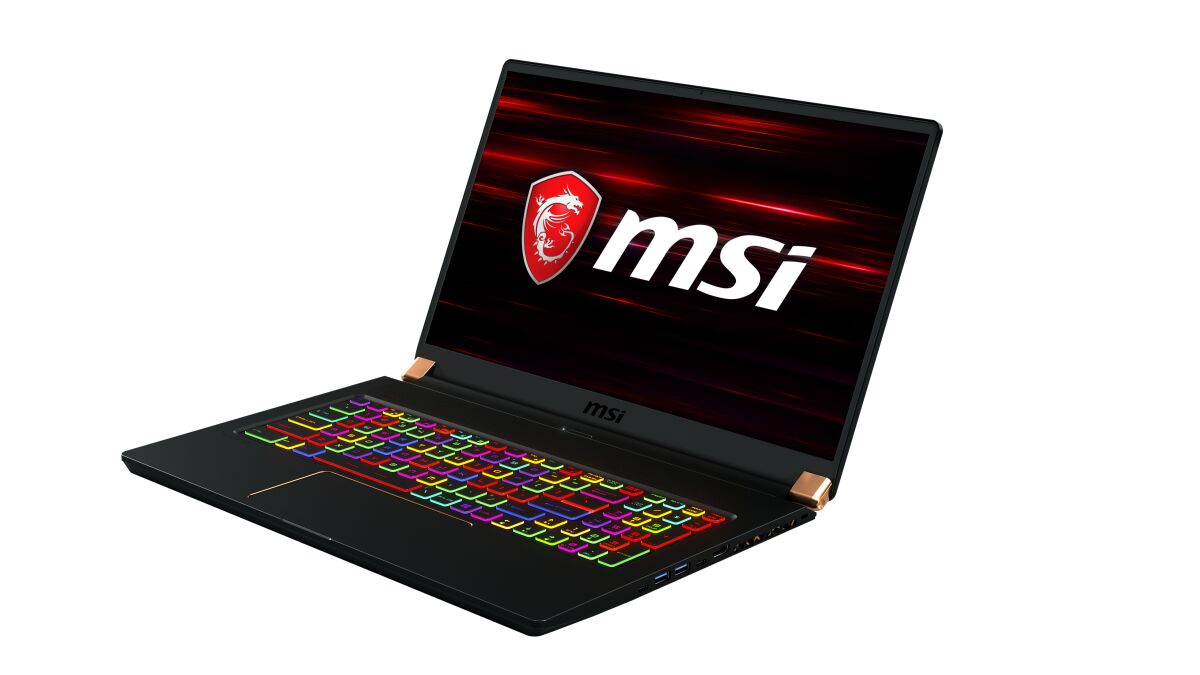
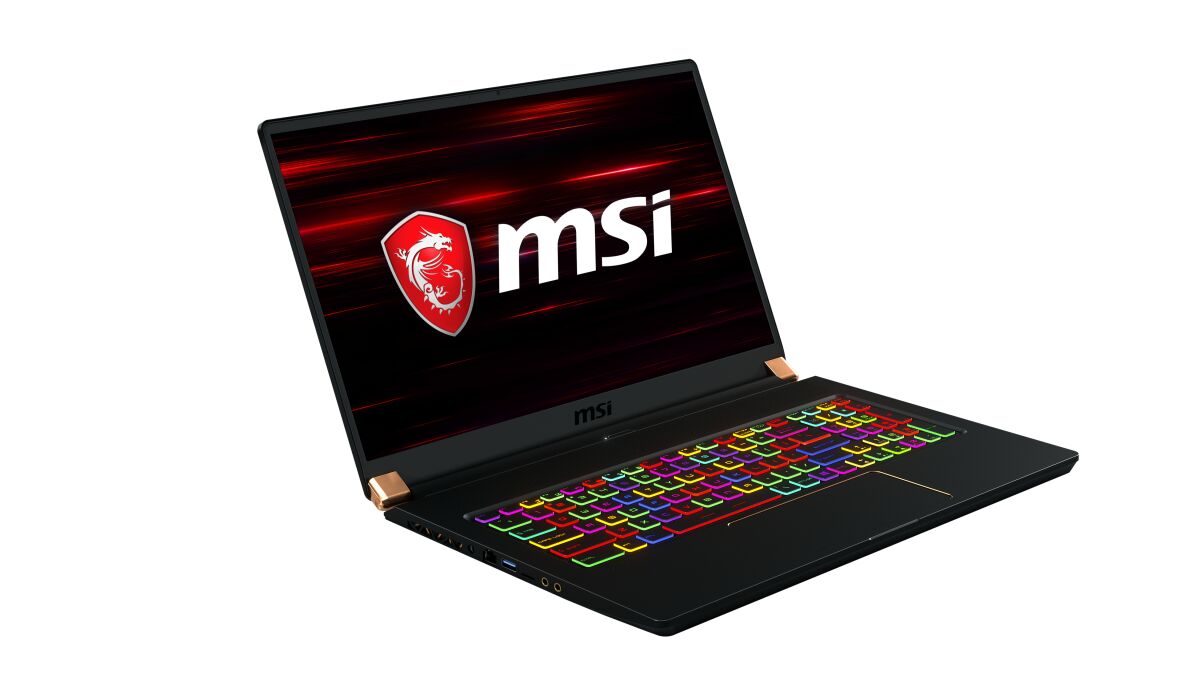
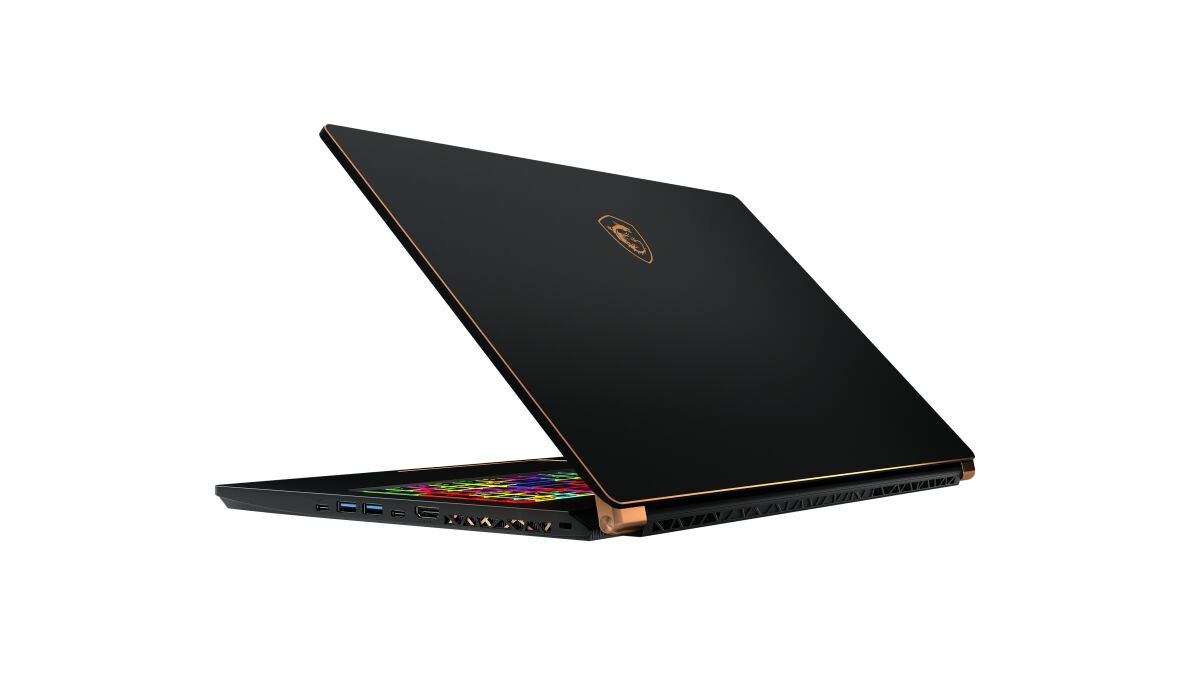
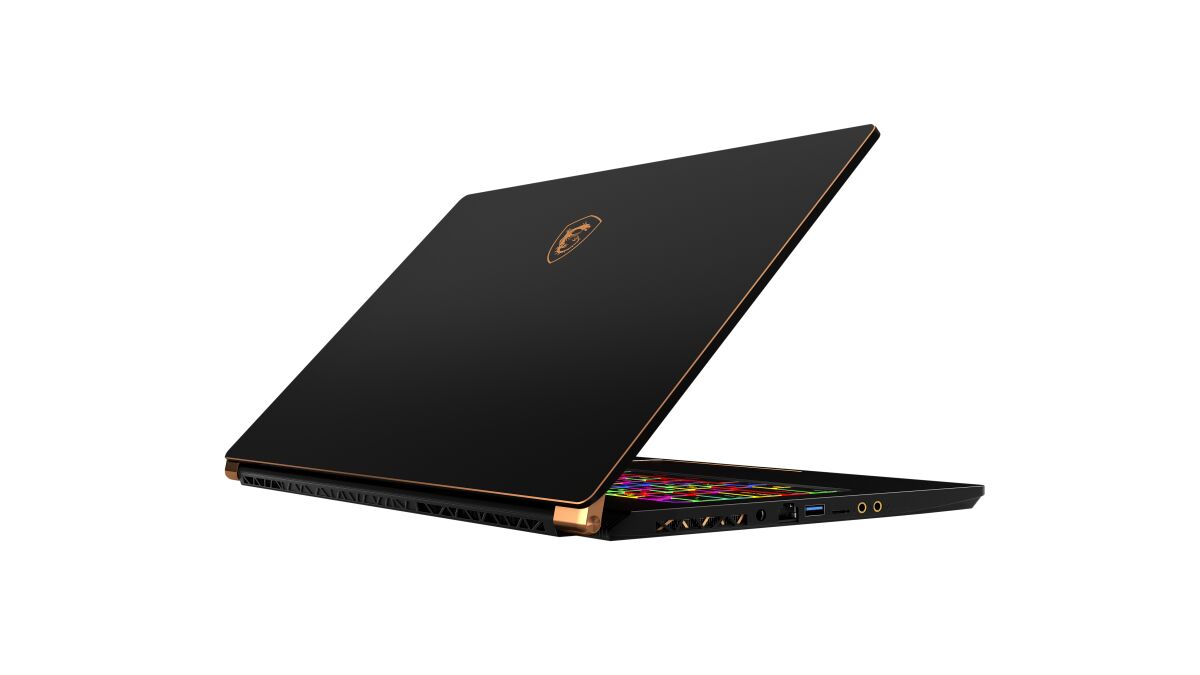
The MSI GS75 10SGS-610 Stealth gaming laptop supports DDR4-SDRAM memory upgrades with specifications including two SO-DIMM slots for compatible memory modules. The GS series Gaming model accommodates a maximum RAM capacity of 64 GB total, supporting memory modules operating at 3200 MHz frequency. Users seeking to upgrade the memory configuration on this MSI Gaming GS75 variant should verify compatibility with DDR4 SO-DIMM form factor specifications and adhere to the maximum capacity limitations when selecting replacement or additional RAM modules for optimal system performance.
Memory Upgrade Specifications
| Specification | Value |
|---|---|
| Memory slots | 2x SO-DIMM |
| Form factor | SO-DIMM |
| Memory type | DDR4-SDRAM |
| Frequency | 3200 MHz |
| Maximum RAM | 64 GB |
| Voltage | 1.2V |
| Number of pins | 260-pin |
| Interface | PC4 |
| PC Speed Rating | PC4-3200 (PC4-25600) |
| Bandwidth | 25.6 GB/s |
| Laptop Release date | 23 September 2020 |
Additional Notes
- The motherboard architecture utilizes a flipped design on the MSI GS75 10SGS-610 Stealth which requires complete removal of the internal components to access the SO-DIMM slots located on the underside of the PCB.
- Operating the system with 2 identical modules is necessary to enable dual-channel memory bandwidth for optimal frame rate stability in CPU-bound gaming scenarios.
- The 64 capacity limit restricts the hardware to 2 single-rank or dual-rank modules of 32 each because 4-slot configurations are not physically supported.
- Latency performance depends on the JEDEC profile of the replacement modules since the BIOS often lacks XMP 2.0 support for manual timing adjustments.
- Installing memory with speeds exceeding 3200 results in automatic downclocking to the maximum supported bus frequency of the 10th generation Intel chipset.
- Physical clearance within the thin chassis necessitates the use of standard height SO-DIMM modules without integrated heat spreaders to prevent chassis bulge or thermal contact issues.
- Thermal pads on the original factory memory should be transferred or replaced during an upgrade to maintain heat dissipation for the power delivery components situated near the RAM slots.