MSI Gaming GS75 8SE-013NL Stealth RAM upgrade specifications
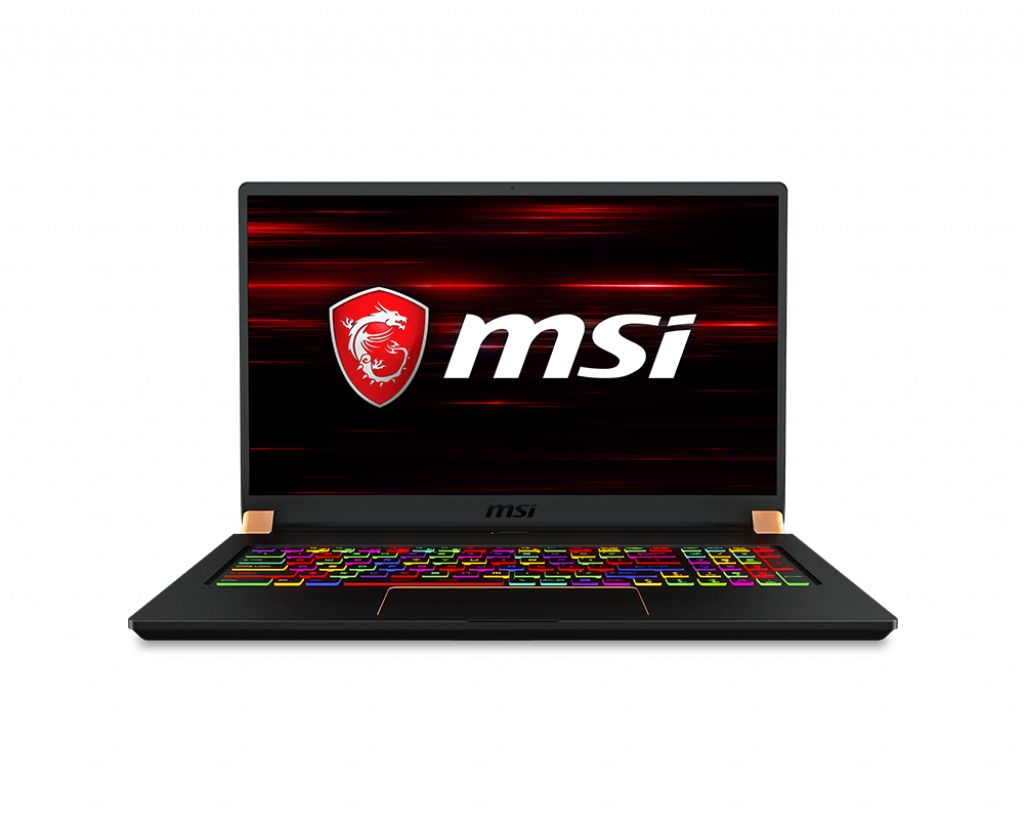
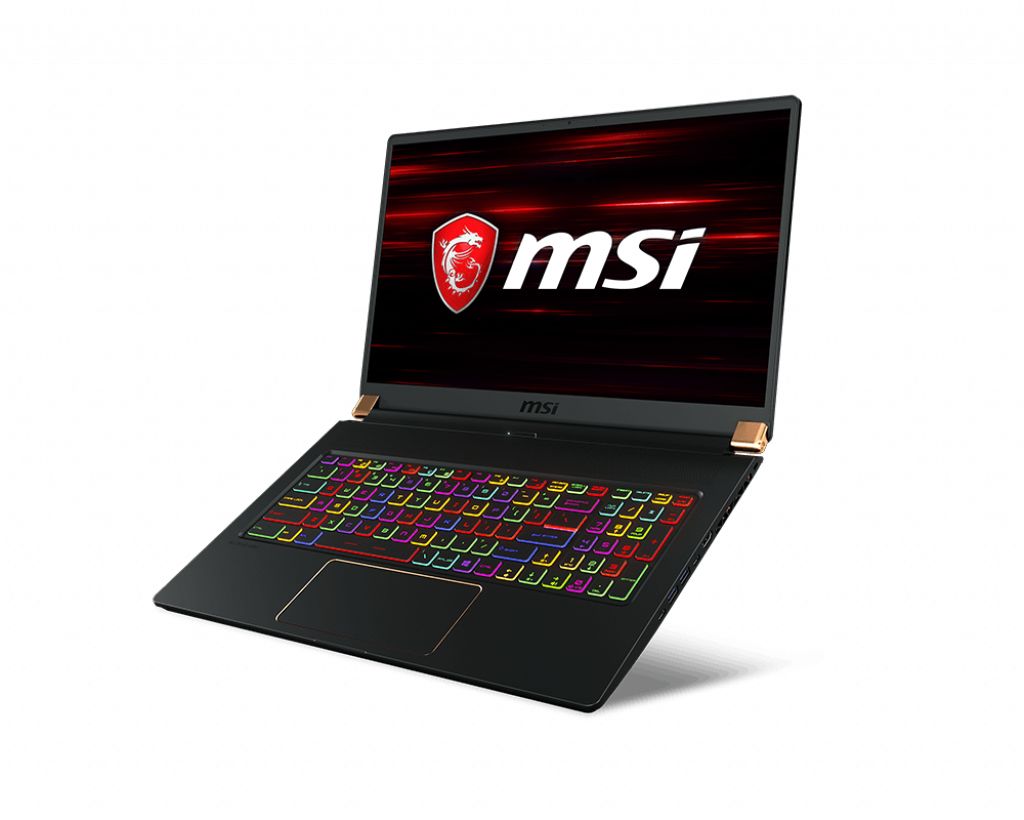
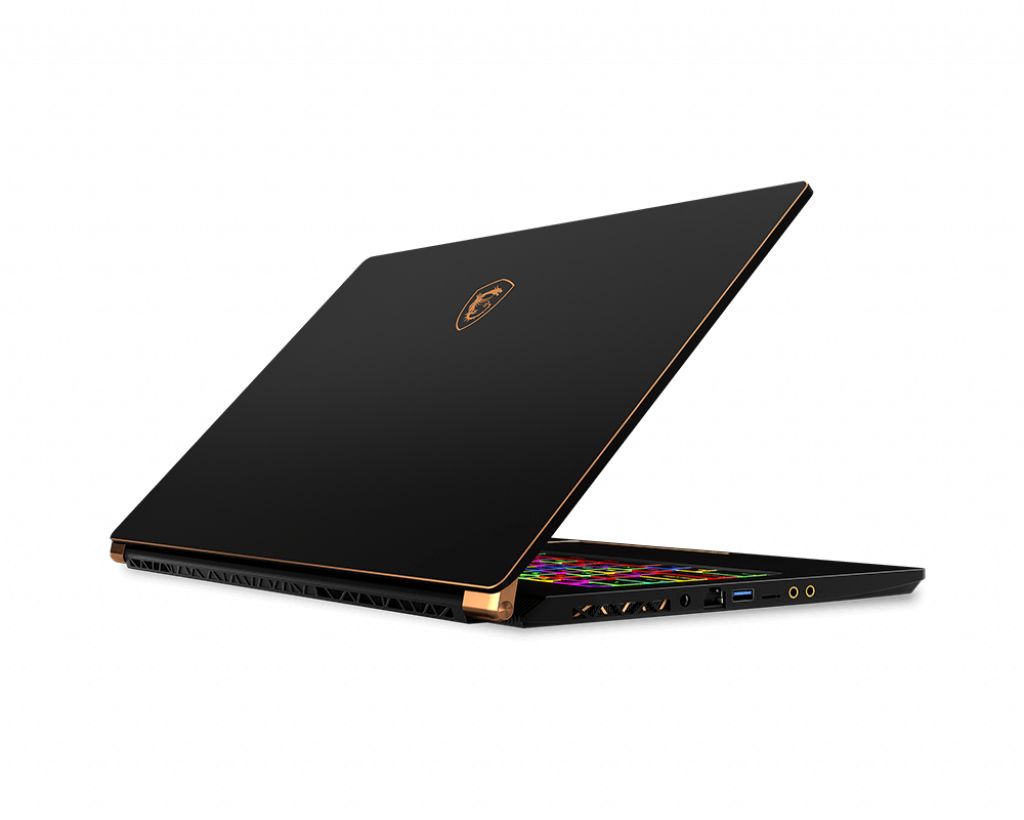
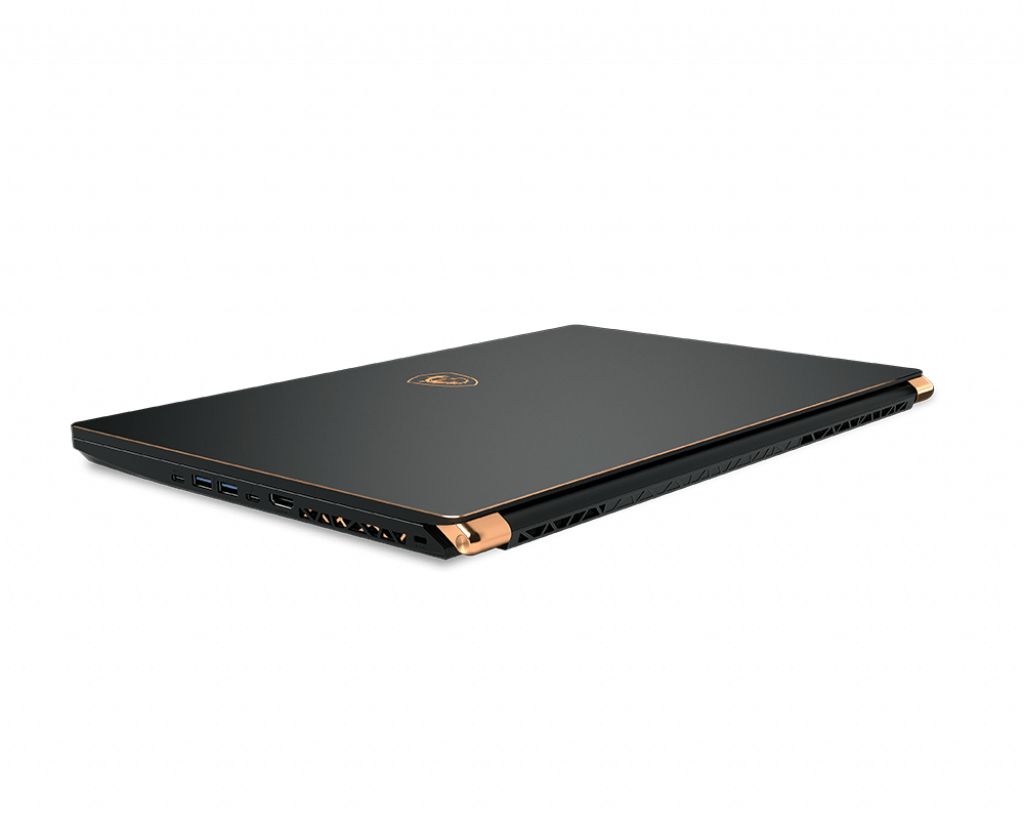

The MSI GS75 8SE-013NL Stealth gaming laptop features two SO-DIMM memory slots supporting DDR4-SDRAM upgrade specifications. The Gaming series model accommodates a maximum RAM capacity of 32 GB total, with compatible memory modules operating at 2666 MHz frequency. The GS family platform supports DDR4 memory upgrades through dual SO-DIMM slots, enabling users to expand system memory up to the specified maximum capacity for enhanced multitasking and performance capabilities.
Memory Upgrade Specifications
| Specification | Value |
|---|---|
| Memory slots | 2x SO-DIMM |
| Form factor | SO-DIMM |
| Memory type | DDR4-SDRAM |
| Frequency | 2666 MHz |
| Maximum RAM | 32 GB |
| Voltage | 1.2V |
| Number of pins | 260-pin |
| Interface | PC4 |
| PC Speed Rating | PC4-2666 (PC4-21328) |
| Bandwidth | 21.3 GB/s |
| Laptop Release date | 31 January 2019 |
Additional Notes
- The MSI GS75 8SE-013NL Stealth uses laptop-specific SO-DIMM modules rather than full-size DIMM sticks, restricting upgrades to memory designed for mobile form factors and eliminating compatibility with desktop RAM.
- DDR4-2666 MHz represents an older JEDEC standard that predates higher-frequency DDR4 variants (3000+, 3200 MHz), meaning modern faster DDR4 modules will downclock to 2666 MHz when installed, yielding no performance gain from higher-speed purchases.
- The 2-slot configuration allows maximum 32 GB total capacity, which means each slot can accommodate a single 16 GB module for full-capacity upgrades, but replacing only 1 module caps practical expansion to 24 GB.
- SO-DIMM replacement typically requires removal of the laptop base panel and may void warranty coverage if performed by the end user rather than authorized service personnel; verification of warranty terms is necessary before self-installation.
- 8th-generation Intel platform (indicated by 8SE designation) paired with DDR4-2666 creates a memory bandwidth ceiling where the CPU cannot fully utilize faster memory speeds, making frequency-optimized modules unnecessary for this configuration.
- Single-channel to dual-channel memory transition during upgrade will measurably improve gaming and multithreaded workload performance, as the original single-module configuration operates at reduced bandwidth compared to paired-module operation.