MSI Gaming GS75 8SE-017AU Stealth RAM upgrade specifications
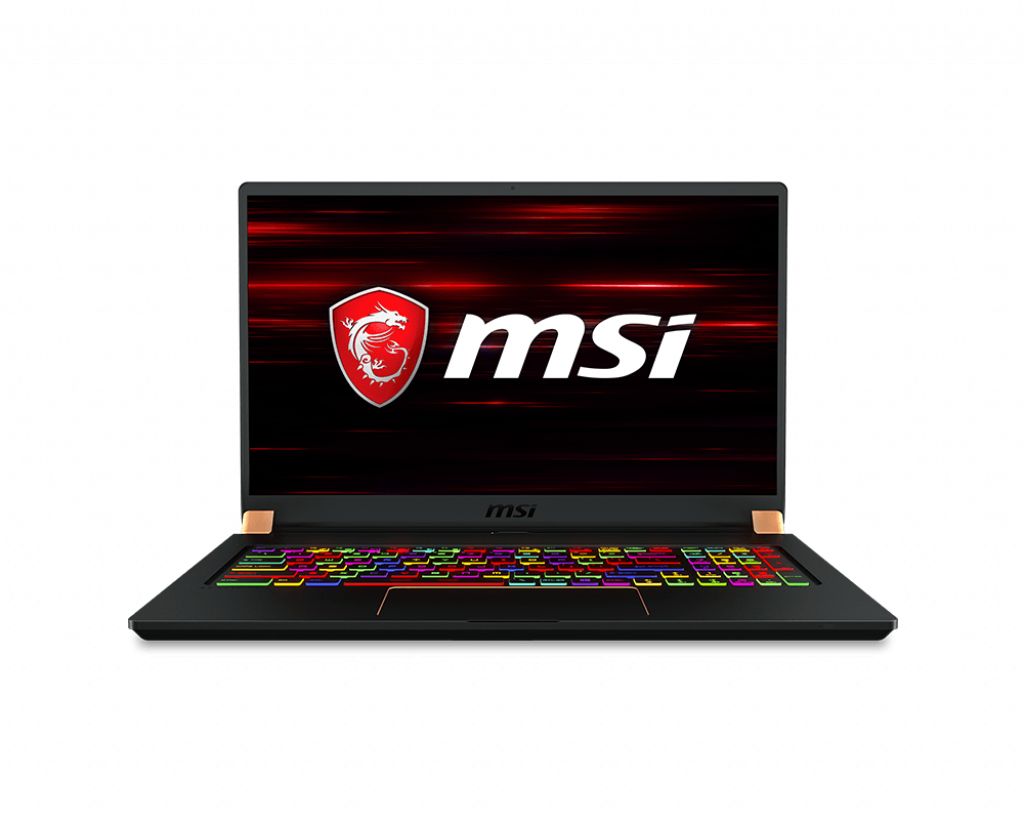
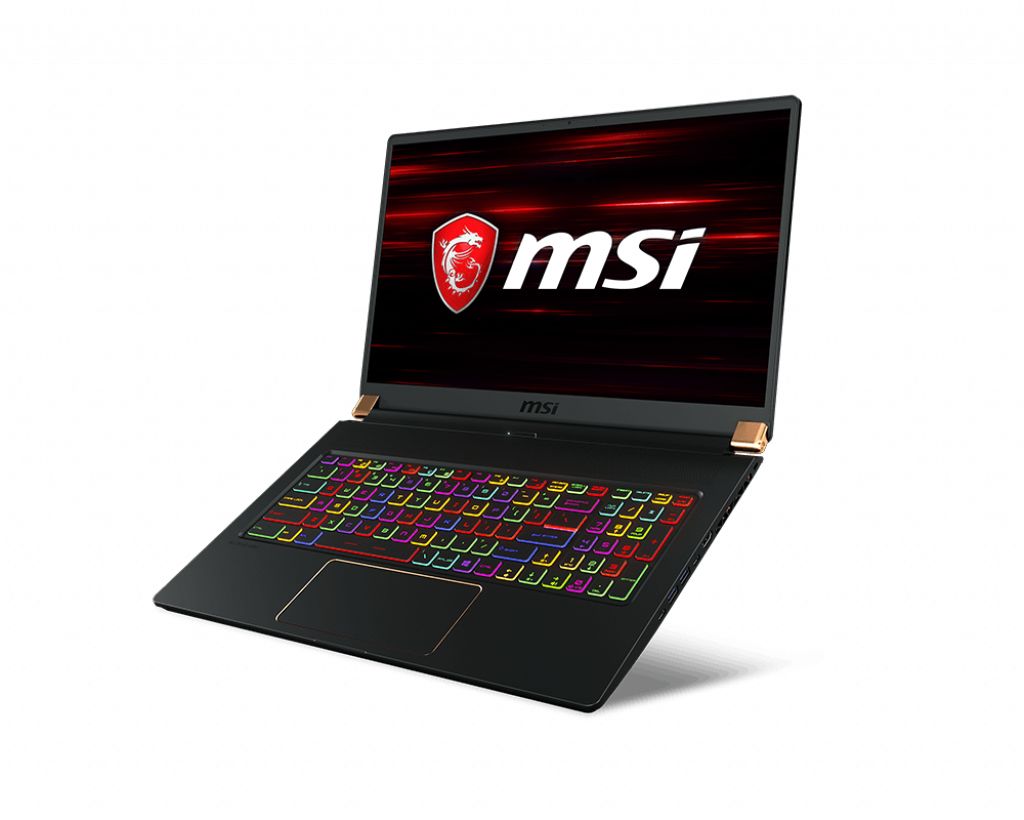
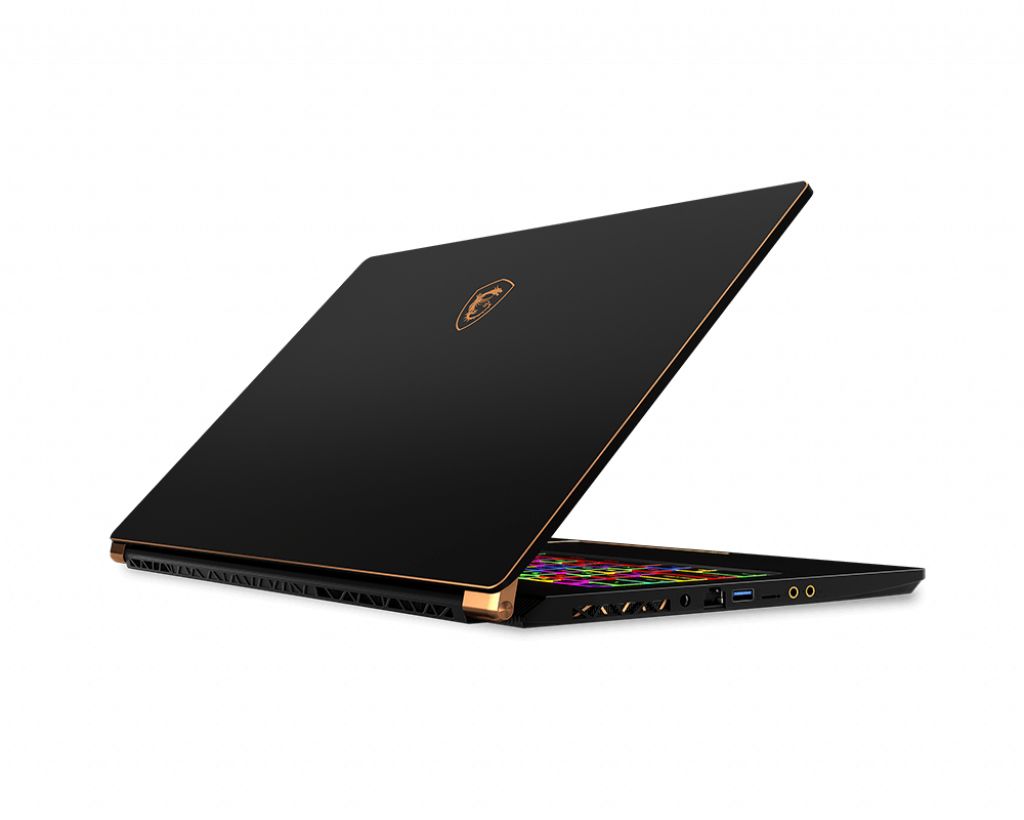
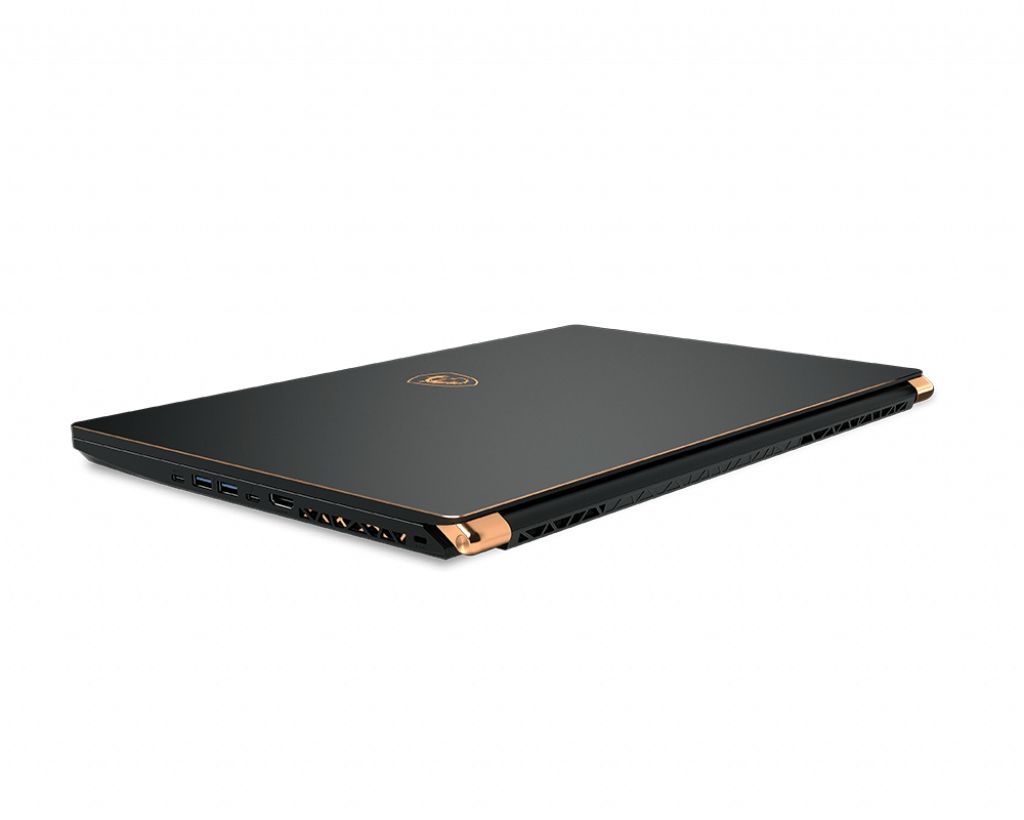

MSI GS75 8SE-017AU Stealth gaming laptop memory upgrade specifications indicate DDR4-SDRAM support with two SO-DIMM slots available for expansion. Maximum RAM capacity reaches 32 GB total, operating at 2666 MHz frequency. Compatible memory modules must utilize SO-DIMM form factor. Upgrade options allow installation of additional DDR4 memory to enhance system performance, with specifications supporting standard SO-DIMM DDR4 configurations for the GS series mobile platform.
Memory Upgrade Specifications
| Specification | Value |
|---|---|
| Memory slots | 2x SO-DIMM |
| Form factor | SO-DIMM |
| Memory type | DDR4-SDRAM |
| Frequency | 2666 MHz |
| Maximum RAM | 32 GB |
| Voltage | 1.2V |
| Number of pins | 260-pin |
| Interface | PC4 |
| PC Speed Rating | PC4-2666 (PC4-21328) |
| Bandwidth | 21.3 GB/s |
| Laptop Release date | 12 February 2019 |
Additional Notes
- The MSI GS75 8SE-017AU Stealth imposes a per-slot ceiling of 16 GB modules, as dual-channel architecture divides the 32 GB maximum capacity across 2 physical slots.
- Desktop-standard DIMMs are incompatible due to the SO-DIMM form factor requirement, which measures 67.6 mm versus full-size module lengths exceeding 133 mm.
- Modules rated beyond 2666 MHz will downclock to match the system's frequency ceiling, negating advertised performance benefits of higher-speed kits.
- Non-standard voltages outside the DDR4 specification range of 1.2V risk thermal throttling in the confined chassis typical of thin gaming laptops.
- Single-channel configurations halve memory bandwidth from the theoretical 42.6 GB/s available when both slots operate in dual-channel mode.
- Mismatched module capacities between slots maintain dual-channel operation only up to the capacity of the smaller module, reverting excess capacity to single-channel bandwidth.
- Registered or ECC memory types face chipset-level incompatibility, as consumer mobile platforms lack support for buffered or error-correcting architectures.
- Accessing internal SO-DIMM slots typically requires bottom panel removal, which may void manufacturer warranties if chassis seals are broken without authorized service intervention.
- CAS latency variations between CL17, CL19, and CL22 modules at identical frequencies produce negligible real-world performance differences in gaming workloads, typically under 2% variance.
- Thermal paste degradation during panel reassembly poses greater performance risk than memory speed optimization, as improper CPU cooling contact reduces sustained clock speeds.