MSI Gaming GS75 8SE-020CA Stealth RAM upgrade specifications
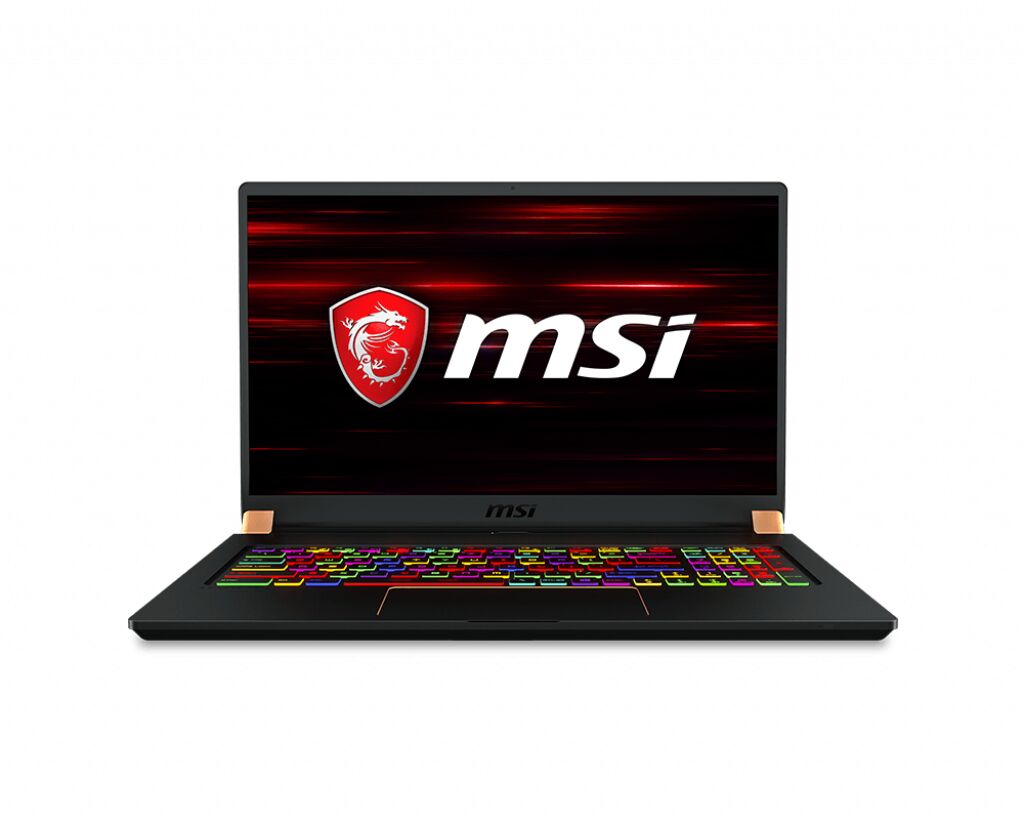
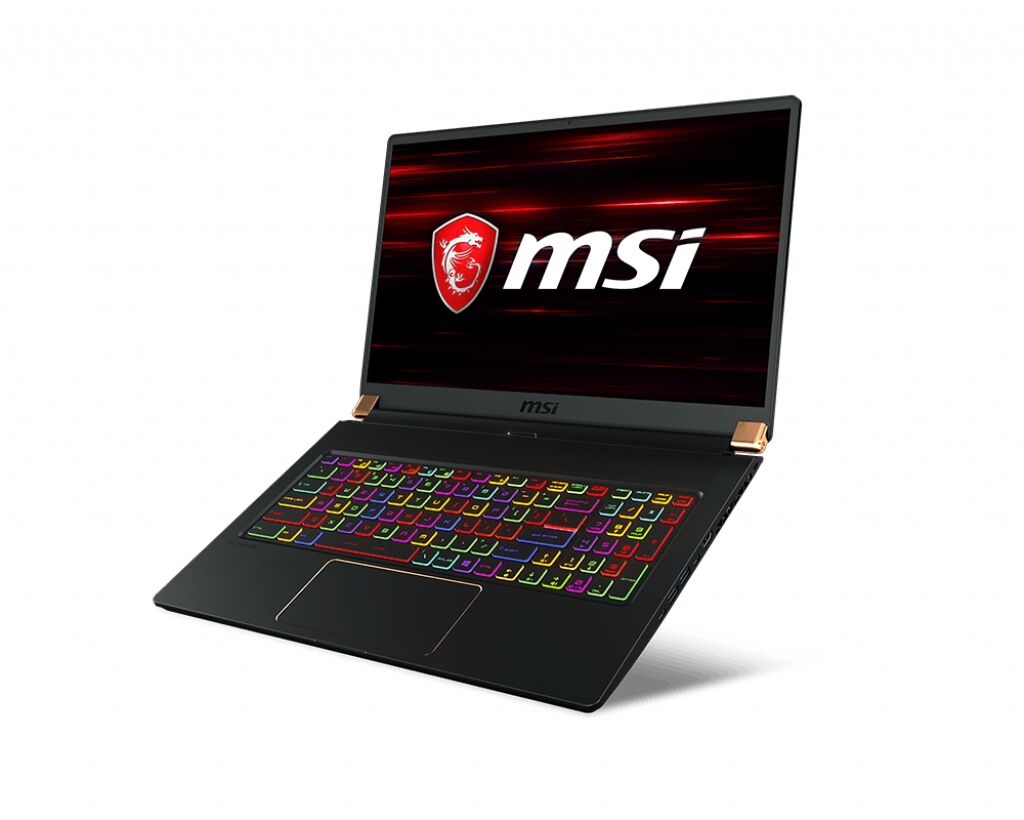
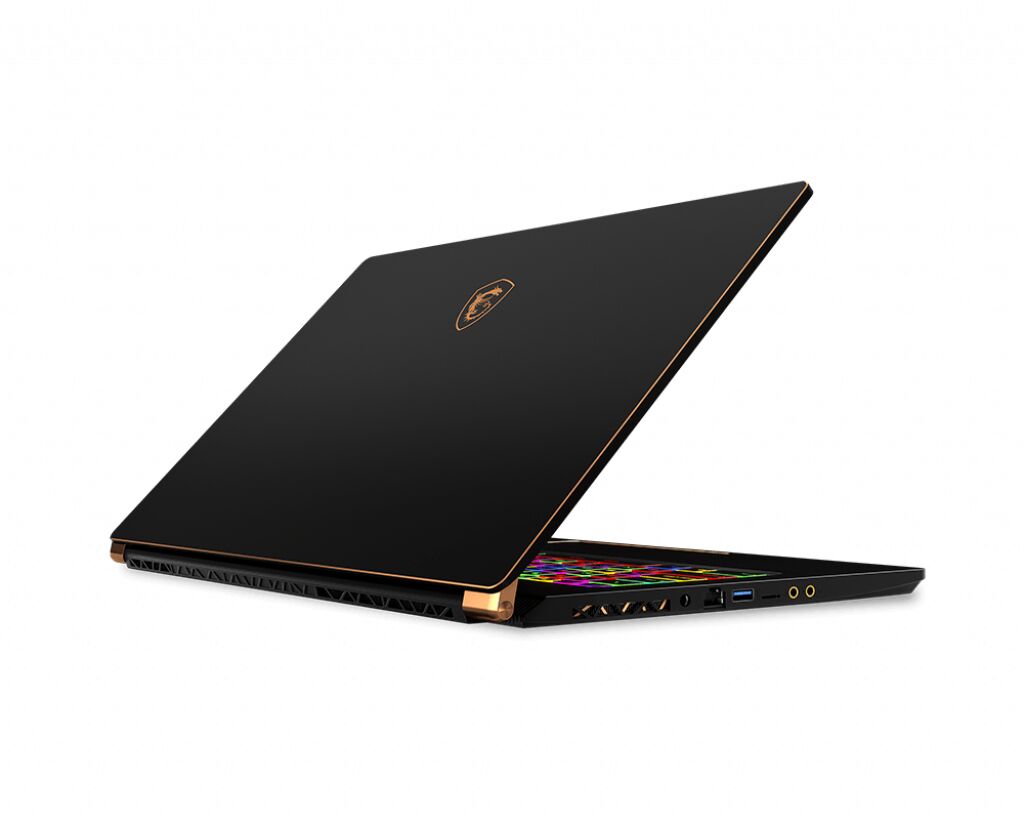
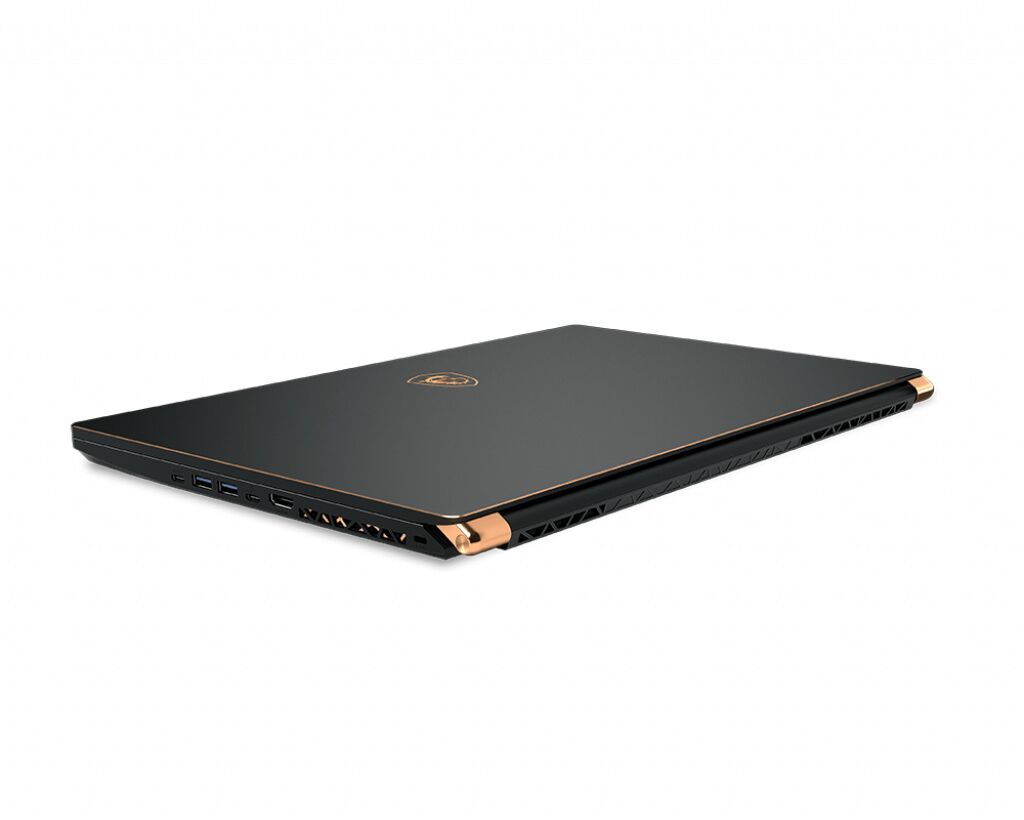
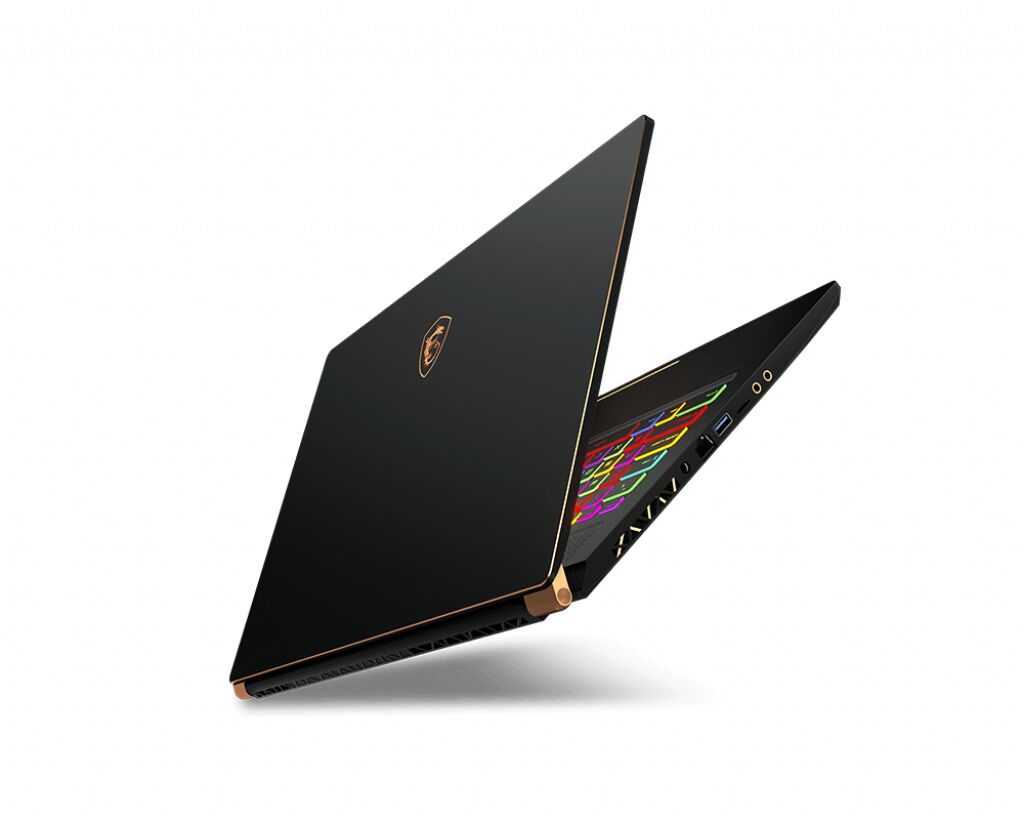
MSI GS75 8SE-020CA Stealth gaming laptop memory upgrade specifications include DDR4-SDRAM compatible modules. The system features 2x SO-DIMM slots supporting maximum RAM capacity of 32 GB total. Memory specifications operate at 2666 MHz frequency. SO-DIMM form factor modules are required for compatible upgrades. Current configuration allows dual-channel memory support. Existing slots accommodate up to 16 GB per module for maximum capacity configuration. DDR4 specifications ensure compatibility with MSI GS series gaming platform requirements.
Memory Upgrade Specifications
| Specification | Value |
|---|---|
| Memory slots | 2x SO-DIMM |
| Form factor | SO-DIMM |
| Memory type | DDR4-SDRAM |
| Frequency | 2666 MHz |
| Maximum RAM | 32 GB |
| Voltage | 1.2V |
| Number of pins | 260-pin |
| Interface | PC4 |
| PC Speed Rating | PC4-2666 (PC4-21328) |
| Bandwidth | 21.3 GB/s |
| Laptop Release date | 25 November 2019 |
Additional Notes
- The MSI GS75 8SE-020CA Stealth contains 2 SO-DIMM slots operating at 2666 MHz, which establishes a hard ceiling of 32 GB total capacity; exceeding this threshold requires system replacement rather than component swapping.
- DDR4-2666 memory operates at a lower frequency band than contemporary DDR4-3000 or DDR4-3200 modules; installing faster rated memory will downclock to 2666 MHz, eliminating any performance gain while consuming additional power.
- SO-DIMM form factor requires laptop-specific memory modules rather than standard desktop DIMM variants; attempting desktop RAM installation will result in physical incompatibility and potential connector damage.
- Dual-slot architecture means a single-module upgrade strategy is unavailable; users seeking capacity expansion beyond the factory configuration must replace both DIMMs simultaneously to avoid asymmetrical performance degradation.
- Memory frequency dependency on 8th-generation Intel mobile CPU architecture limits realistic upgrade scenarios; CPU replacement carries warranty implications and requires thermal system recalibration.
- The 32 GB maximum capacity restricts multi-VM environments and content creation workflows where 48 GB or 64 GB configurations provide meaningful operational advantages in real-time rendering or virtualization tasks.