MSI Gaming GS75 8SF-038RU Stealth RAM upgrade specifications
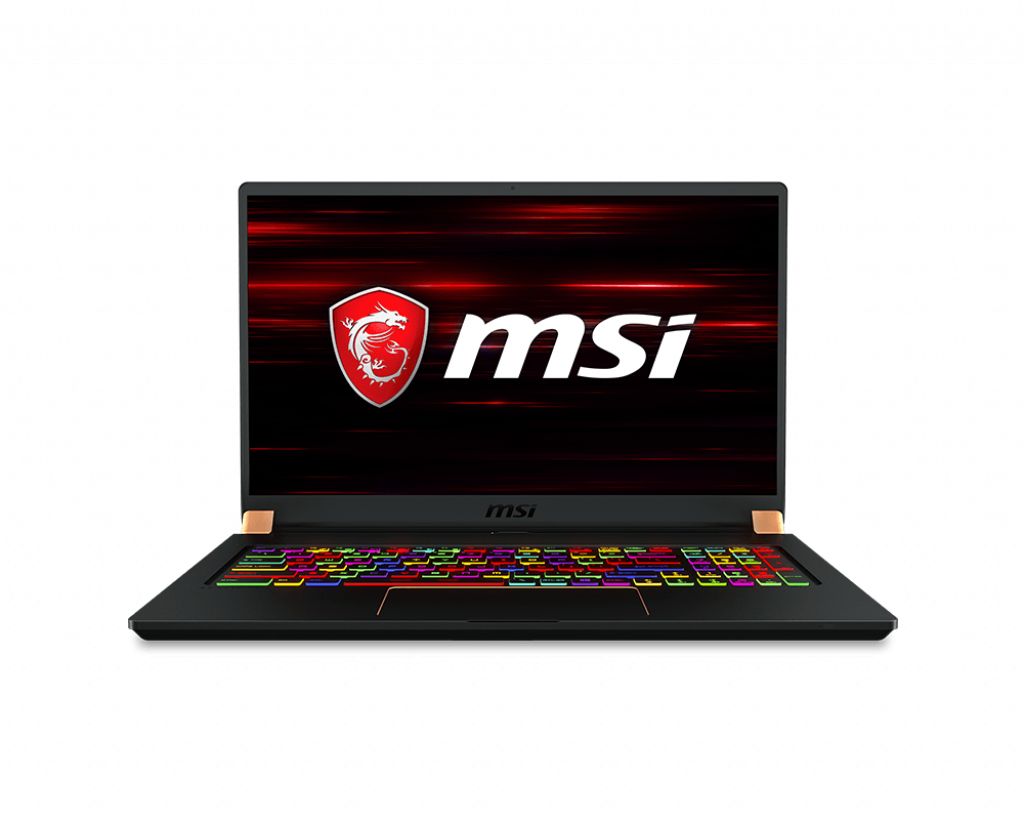
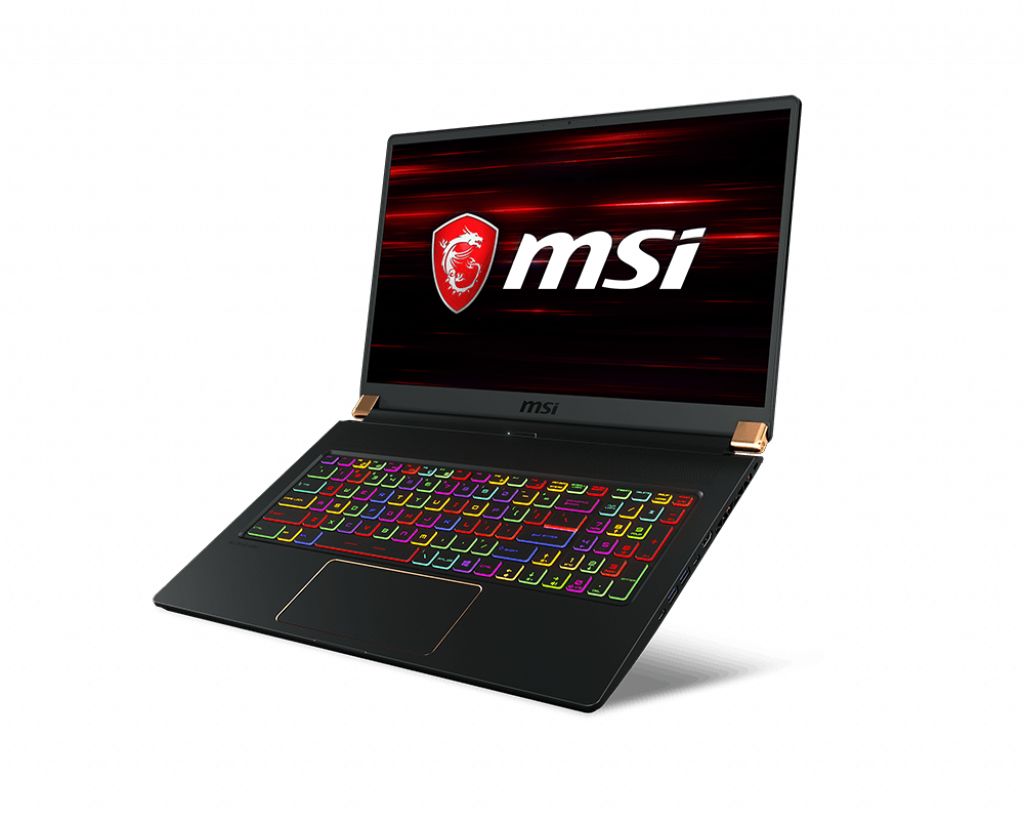
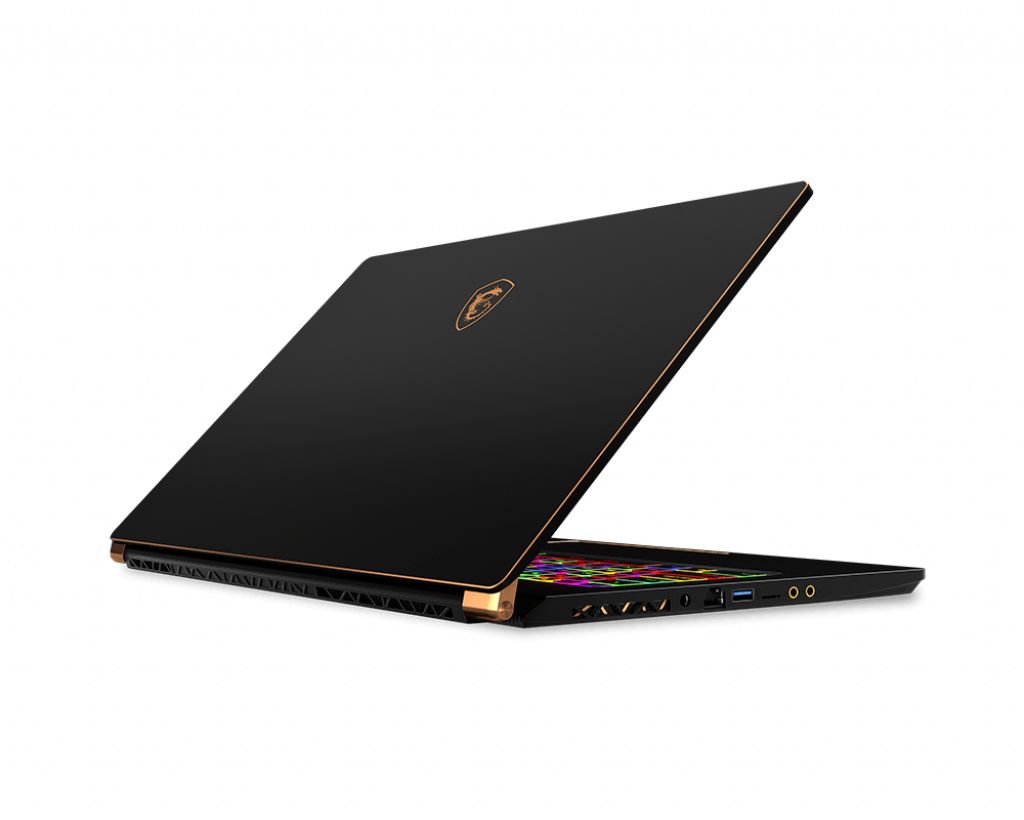
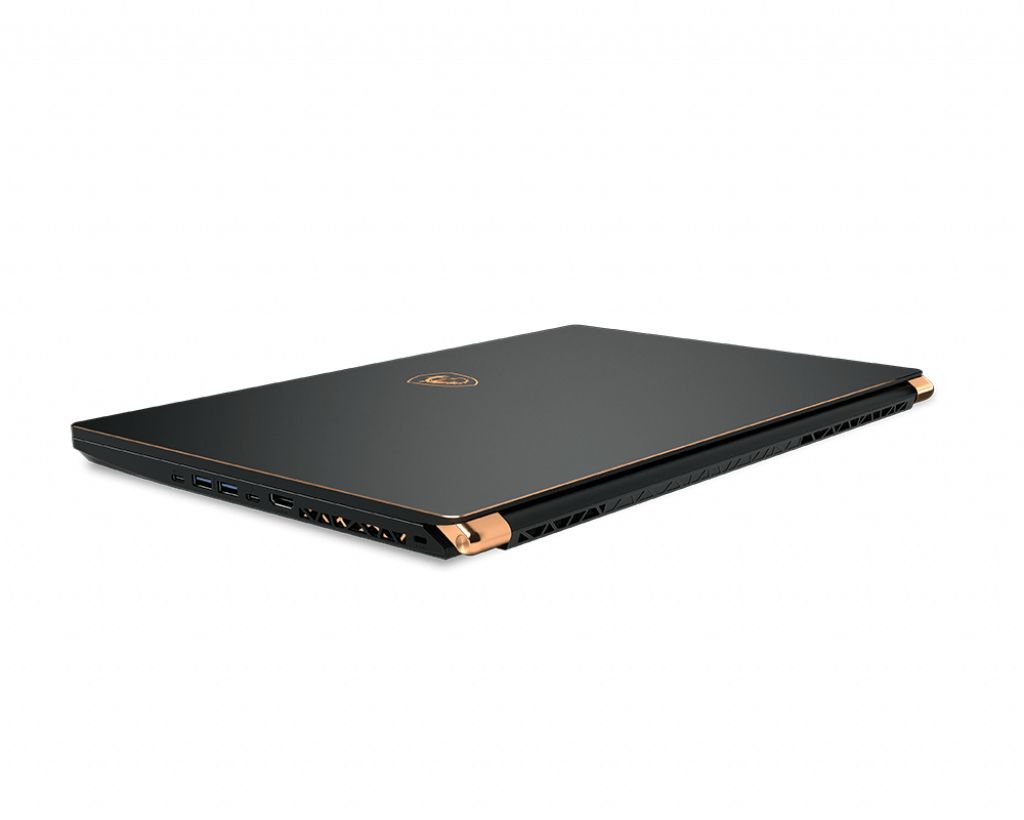

MSI GS75 8SF-038RU Stealth gaming laptop features DDR4-SDRAM memory upgrade specifications. The system contains 2x SO-DIMM slots with maximum RAM capacity of 32 GB. Compatible memory modules operate at 2666 MHz frequency. Upgrade options support DDR4-SDRAM form factor SO-DIMM modules. Current memory configuration allows expansion up to the specified maximum capacity through available slots. Memory specifications provide upgrade flexibility for enhanced multitasking performance.
Memory Upgrade Specifications
| Specification | Value |
|---|---|
| Memory slots | 2x SO-DIMM |
| Form factor | SO-DIMM |
| Memory type | DDR4-SDRAM |
| Frequency | 2666 MHz |
| Maximum RAM | 32 GB |
| Voltage | 1.2V |
| Number of pins | 260-pin |
| Interface | PC4 |
| PC Speed Rating | PC4-2666 (PC4-21328) |
| Bandwidth | 21.3 GB/s |
| Laptop Release date | 07 August 2019 |
Additional Notes
- The MSI GS75 8SF-038RU Stealth operates on a dual-channel architecture, requiring matched pairs of modules to achieve optimal memory bandwidth for GPU-intensive workloads.
- Mixing modules with different frequencies will force all installed memory to operate at the speed of the slowest module, potentially throttling performance below the native 2666 MHz specification.
- The 32 GB ceiling translates to a maximum single-module density of 16 GB per slot, eliminating compatibility with higher-capacity 32 GB SO-DIMM modules that exceed the chipset's addressing capabilities.
- Non-standard voltage modules, particularly low-voltage DDR4L variants rated at 1.2V, may cause POST failures or system instability on a platform engineered for standard 1.2V DDR4 operation.
- Accessing the SO-DIMM slots requires removal of the bottom panel, which may void manufacturer warranty unless performed by authorized service personnel or documented through proper RMA channels.
- XMP-enabled modules will revert to JEDEC standard timings unless manual BIOS configuration is applied, as gaming laptops typically lack full overclocking profiles available in desktop counterparts.
- Single-module configurations halve theoretical memory bandwidth from 42.6 GB/s to 21.3 GB/s, creating bottlenecks in frame buffer operations during high-resolution gaming sessions.
- Thermal considerations dictate that modules with tall heat spreaders may create clearance conflicts with the cooling assembly positioned directly above the memory compartment.
- ECC-enabled SO-DIMM modules are incompatible with consumer-grade chipsets, resulting in non-recognition or boot failures despite matching form factor and frequency specifications.
- CAS latency variations between CL19 and CL17 modules at identical frequencies produce measurable differences in minimum frame rates during CPU-bound gaming scenarios.