MSI Gaming GS75 8SG-024CZ Stealth RAM upgrade specifications
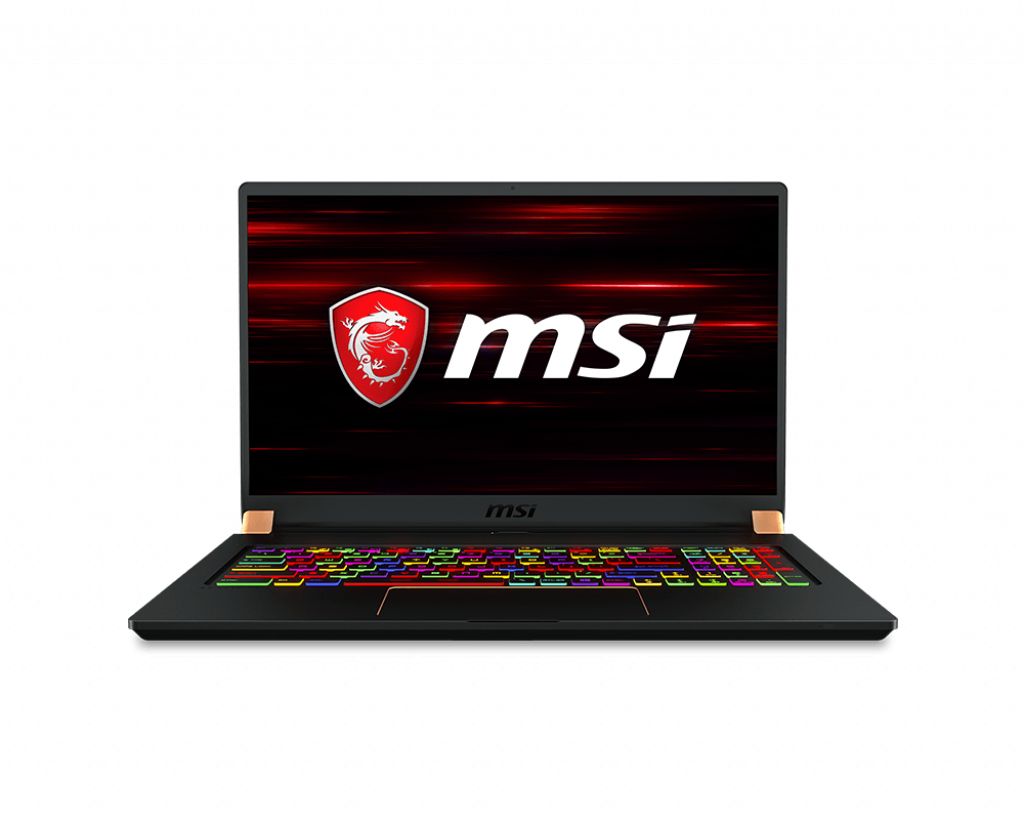
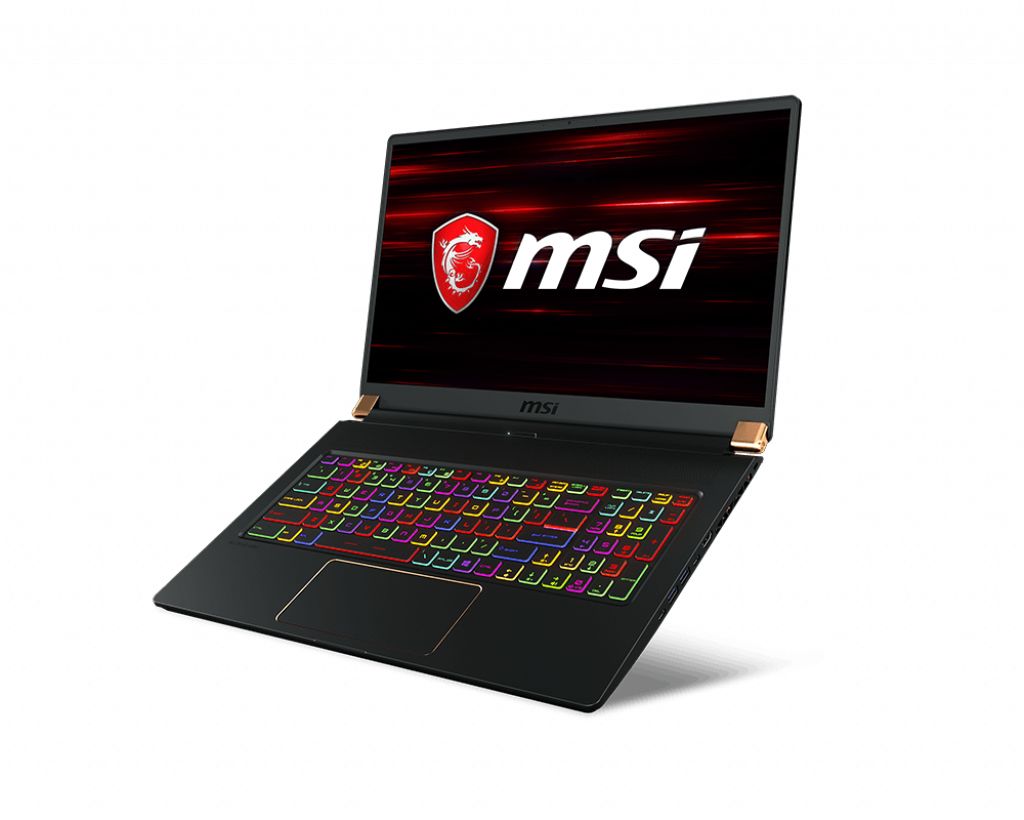
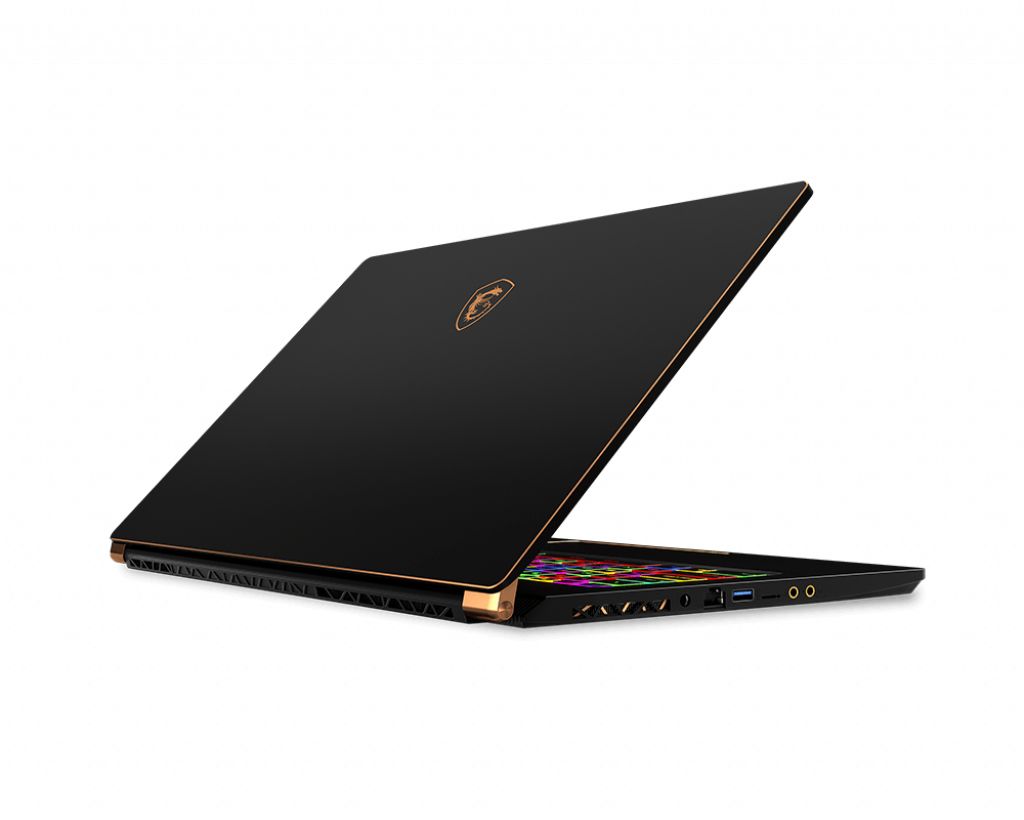
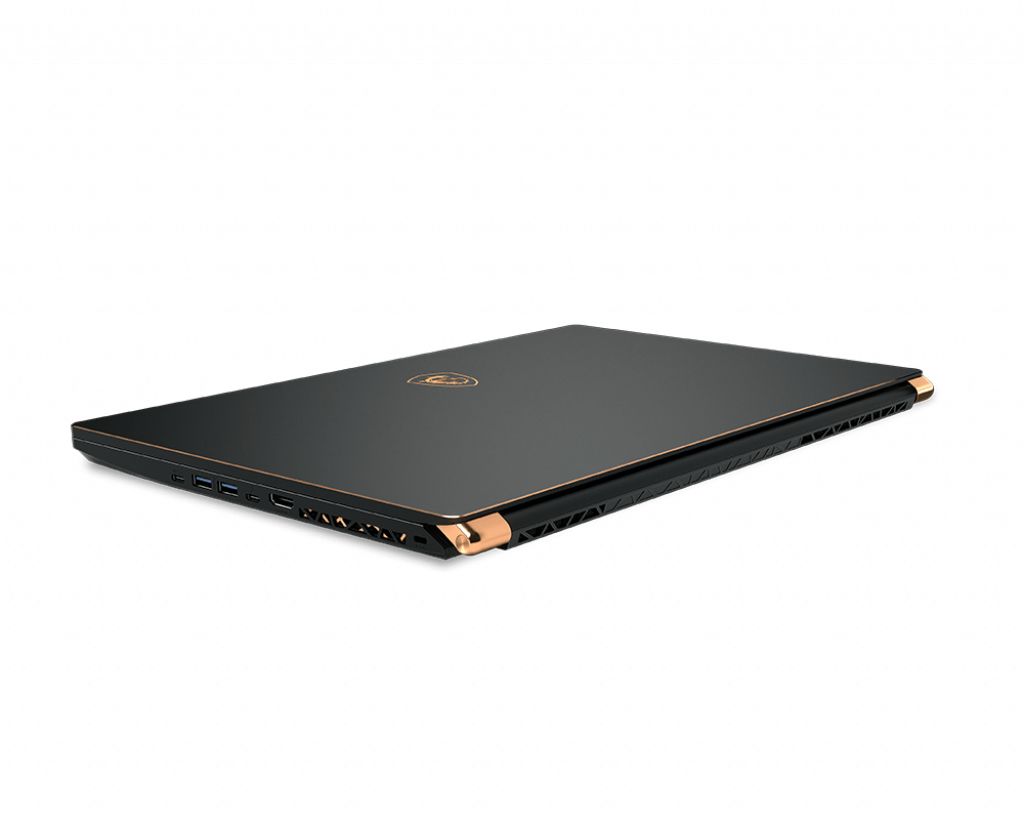

MSI GS75 8SG-024CZ Stealth gaming laptop RAM upgrade specifications include two SO-DIMM slots supporting DDR4-SDRAM memory. Maximum supported capacity reaches 32 GB total memory. Compatible RAM modules operate at 2666 MHz frequency. Upgrade specifications indicate DDR4 SO-DIMM form factor compatibility for memory expansion on gaming series GS model.
Memory Upgrade Specifications
| Specification | Value |
|---|---|
| Memory slots | 2x SO-DIMM |
| Form factor | SO-DIMM |
| Memory type | DDR4-SDRAM |
| Frequency | 2666 MHz |
| Maximum RAM | 32 GB |
| Voltage | 1.2V |
| Number of pins | 260-pin |
| Interface | PC4 |
| PC Speed Rating | PC4-2666 (PC4-21328) |
| Bandwidth | 21.3 GB/s |
| Laptop Release date | 25 May 2019 |
Additional Notes
- The 32 GB ceiling originates from chipset addressing limitations rather than physical slot availability, preventing recognition of higher-capacity modules even if installed.
- Both memory channels must operate at identical frequencies to maintain dual-channel bandwidth, meaning a single 2666 MHz module paired with a faster replacement would downclock the newer component.
- SO-DIMM form factor restricts compatibility to laptop-specific modules measuring 67.6 mm versus standard 133.35 mm desktop DIMMs, which are physically incompatible with the socket design.
- DDR4-2666 represents JEDEC standard timing at CL19, while aftermarket modules advertising lower latencies may require XMP profiles unsupported by this MSI GS75 8SG-024CZ Stealth configuration.
- Accessing the internal memory slots typically requires complete bottom panel removal on this chassis design, voiding certain regional warranty protections unless performed by authorized service centers.
- Mixed-density configurations remain functional but sacrifice performance optimization, as asymmetric capacities between slots disable flex mode and revert to single-channel operation for the excess capacity portion.
- Voltage tolerance remains fixed at 1.2V for DDR4 specification compliance, rejecting low-voltage or overclocking-oriented modules that deviate from this standard even marginally.
- The 2666 MHz specification assumes PC4-21300 bandwidth delivery at 21.3 GB/s per channel, doubling to 42.6 GB/s aggregate throughput only when identical modules populate both slots.
- ECC-enabled SO-DIMMs introduce compatibility conflicts with consumer-grade memory controllers, causing boot failures or unrecognized capacity despite matching physical dimensions.
- Temperature throttling becomes probable under sustained workloads when fully populated with 32 GB, as dual high-density modules generate concentrated thermal output within the confined laptop interior.