MSI Gaming GS75 8SG-046UK Stealth RAM upgrade specifications
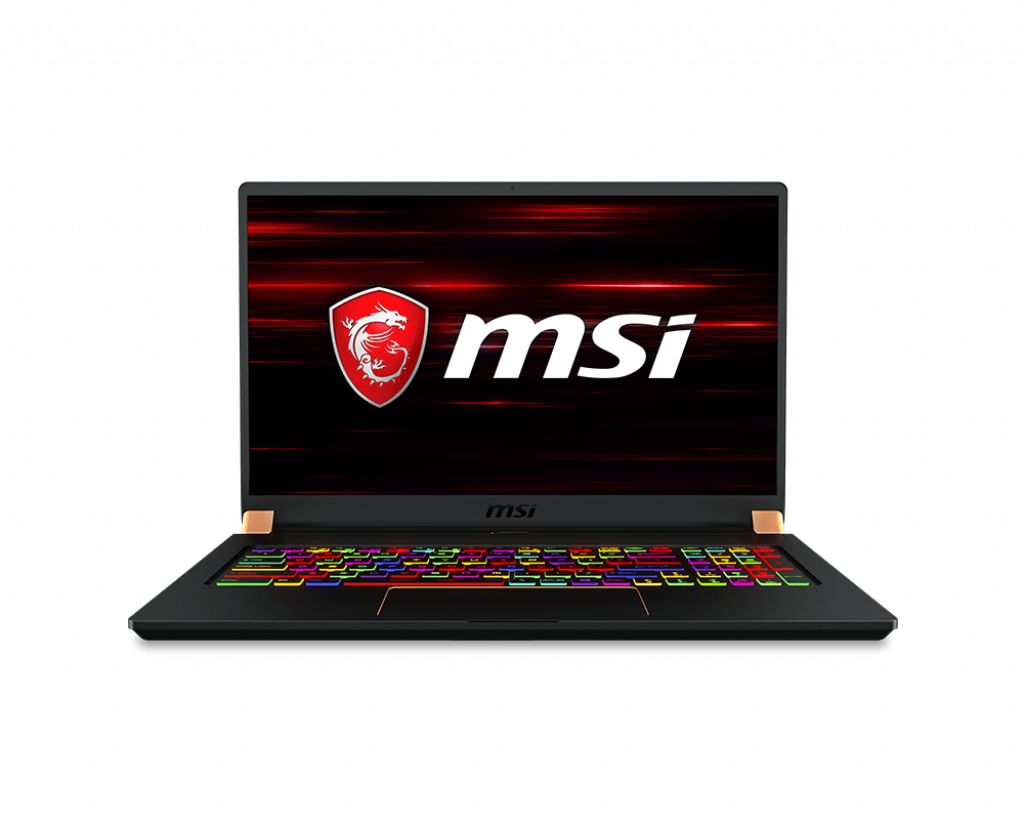
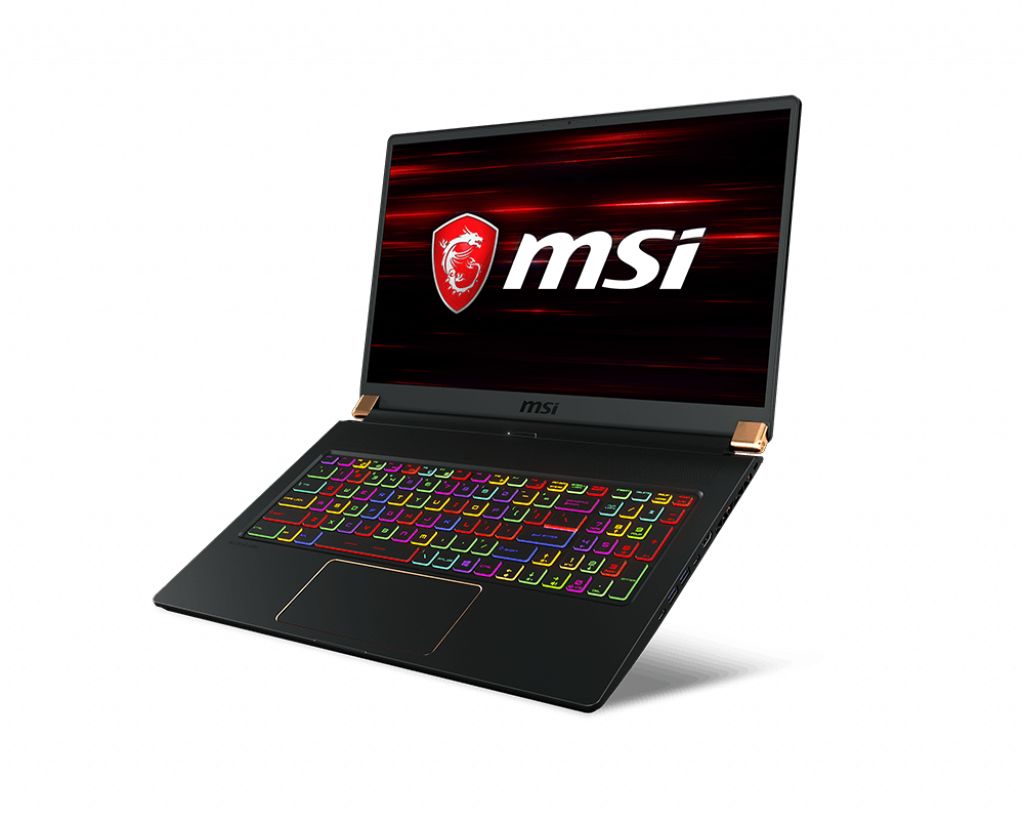
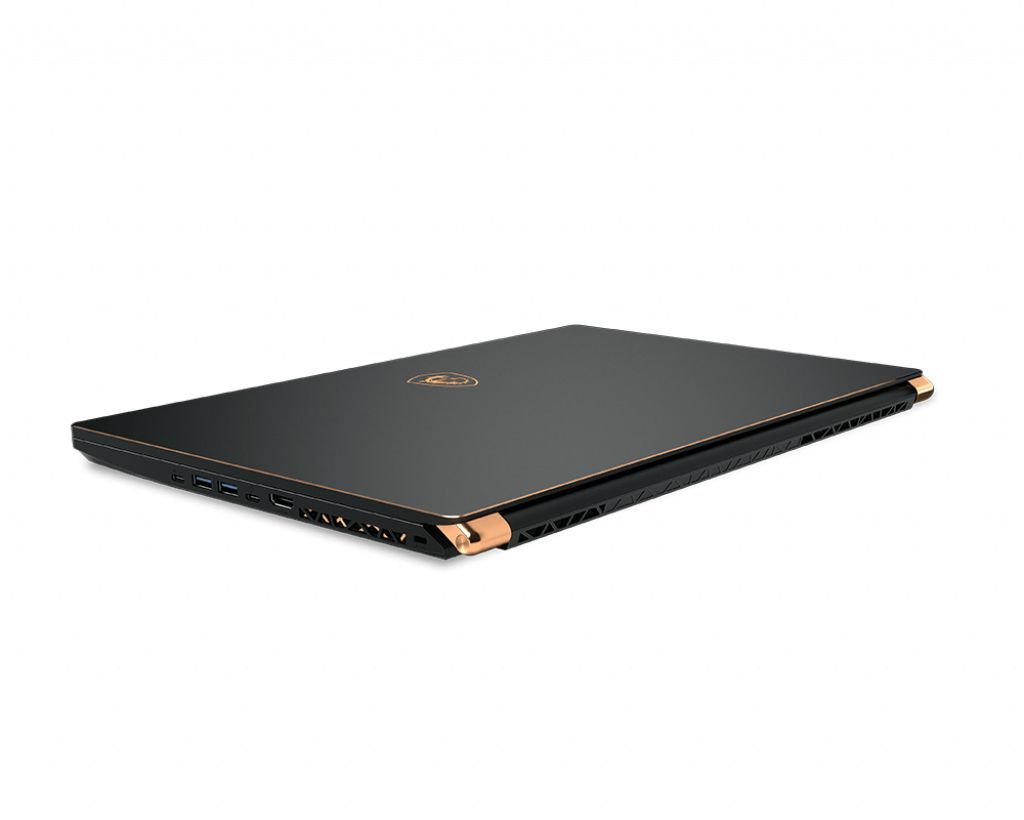
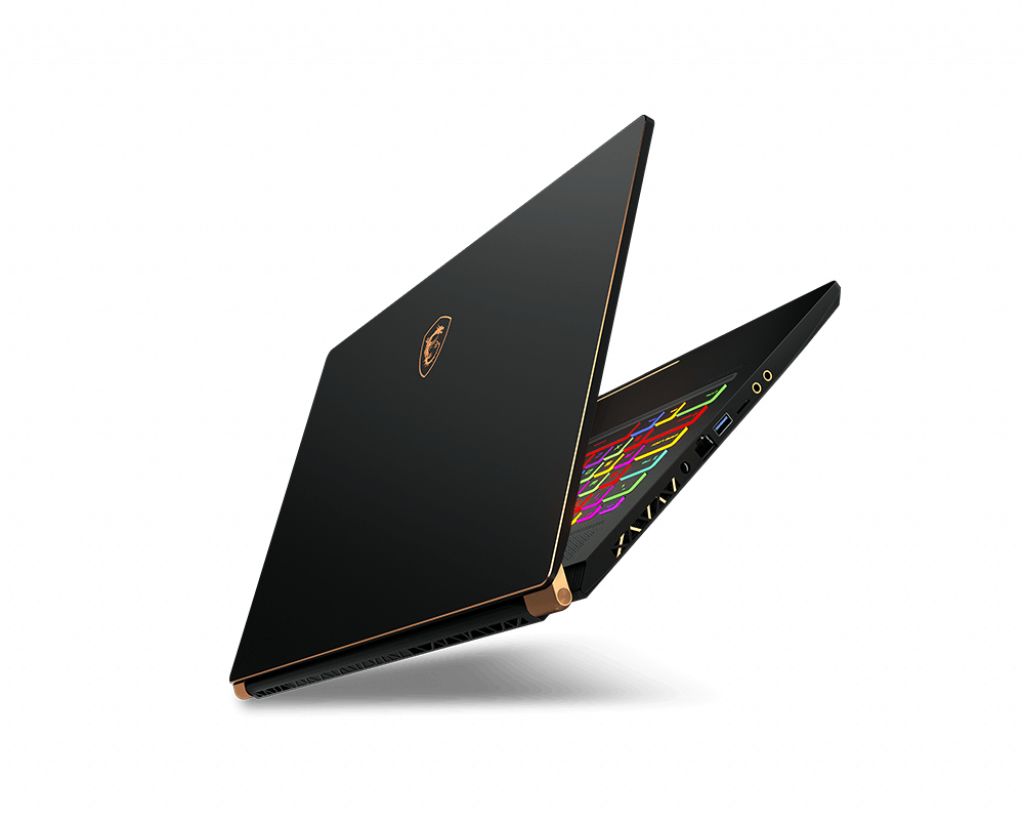

MSI GS75 8SG-046UK Stealth gaming laptop memory upgrade specifications include two SO-DIMM slots supporting DDR4-SDRAM memory modules at 2666 MHz frequency. Maximum RAM capacity reaches 32 GB total. Compatible upgrades utilize SO-DIMM form factor modules. The specifications enable users to expand memory from factory configurations up to the maximum supported capacity through compatible RAM upgrade options.
Memory Upgrade Specifications
| Specification | Value |
|---|---|
| Memory slots | 2x SO-DIMM |
| Form factor | SO-DIMM |
| Memory type | DDR4-SDRAM |
| Frequency | 2666 MHz |
| Maximum RAM | 32 GB |
| Voltage | 1.2V |
| Number of pins | 260-pin |
| Interface | PC4 |
| PC Speed Rating | PC4-2666 (PC4-21328) |
| Bandwidth | 21.3 GB/s |
| Laptop Release date | 22 January 2019 |
Additional Notes
- The internal layout of the MSI GS75 8SG-046UK Stealth features a flipped motherboard design which necessitates a total removal of the PCB from the chassis to access the memory slots.
- The capped frequency rating of the chipset prevents the utilization of higher clock speeds even if 3200 MHz modules are installed because the system hardware forces a downclock to the specified 2666 MHz limit.
- Upgrading to the maximum 32 GB capacity requires the physical removal of both pre-installed modules since no vacant expansion slots are available for supplemental memory.
- Thermal constraints within the ultra-thin chassis mandate the use of standard 1.2V modules because high-performance kits requiring BIOS-level voltage adjustments may cause stability failures or heat throttling.
- Dual-channel memory operations are only achievable when both SO-DIMM slots are populated with modules of identical density and rank for optimal bandwidth across the bus.
- The presence of a factory seal sticker over one of the chassis screws indicates that accessing the RAM slots may void the regional manufacturer warranty in certain jurisdictions.
- Storage of volatile data is restricted to DDR4 architecture which is not backwards compatible with DDR3 or forwards compatible with DDR5 hardware interfaces.