MSI Gaming GS75 8SG-054NE Stealth RAM upgrade specifications
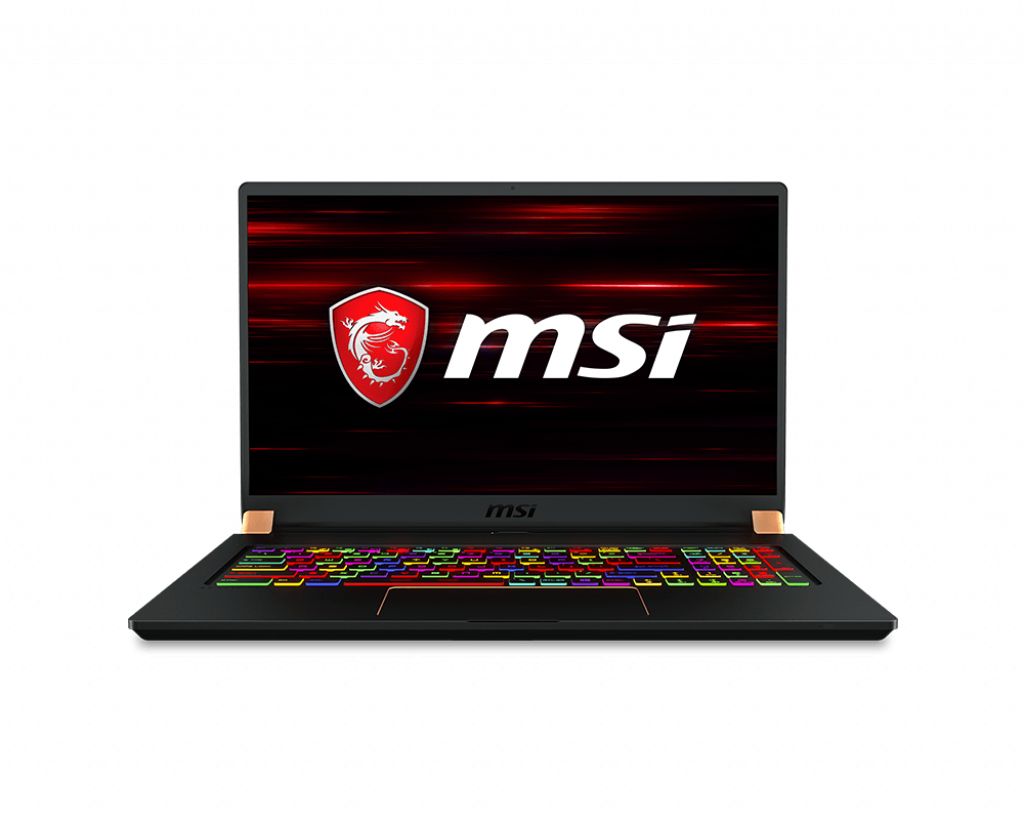


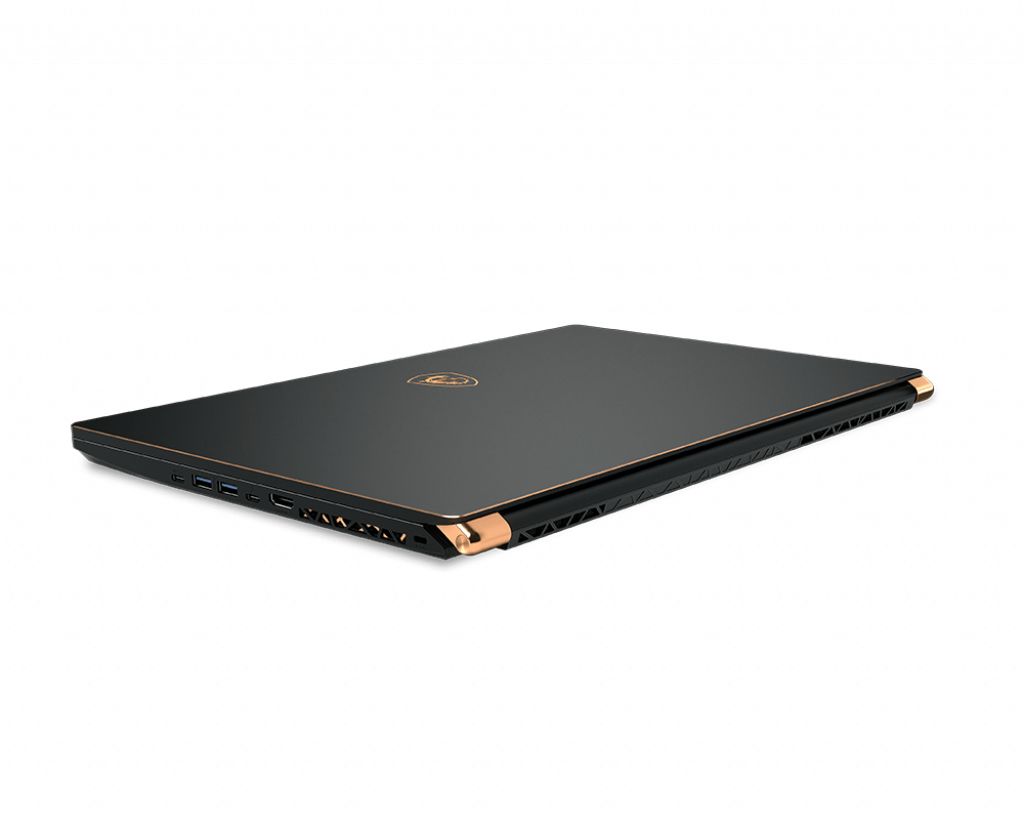

MSI GS75 8SG-054NE Stealth Gaming series laptop compatible with DDR4-SDRAM memory upgrade specifications. Device features 2x SO-DIMM slots supporting maximum RAM capacity of 32 GB total. Memory modules operate at 2666 MHz frequency. SO-DIMM form factor specifications enable upgrade compatibility for this gaming laptop model. RAM upgrade slots allow installation of additional memory modules to enhance system performance specifications.
Memory Upgrade Specifications
| Specification | Value |
|---|---|
| Memory slots | 2x SO-DIMM |
| Form factor | SO-DIMM |
| Memory type | DDR4-SDRAM |
| Frequency | 2666 MHz |
| Maximum RAM | 32 GB |
| Voltage | 1.2V |
| Number of pins | 260-pin |
| Interface | PC4 |
| PC Speed Rating | PC4-2666 (PC4-21328) |
| Bandwidth | 21.3 GB/s |
| Laptop Release date | 11 February 2019 |
Additional Notes
- The MSI GS75 8SG-054NE Stealth memory controller limits total system capacity to 32 GB, meaning dual-channel configurations must not exceed 16 GB per module regardless of higher-capacity module availability.
- DDR4-2666 represents the validated frequency ceiling, though modules rated at 3200 MHz or higher will typically function through automatic downclocking to 2666 MHz without compatibility issues.
- The SO-DIMM form factor excludes standard desktop DIMM modules, which are physically incompatible with the 260-pin laptop socket despite matching DDR4 specifications.
- Dual-channel operation requires matching module capacities in both slots, as asymmetric configurations force the system into single-channel mode with approximately 30% lower memory bandwidth.
- Total memory bandwidth peaks at approximately 42.6 GB/s in dual-channel mode with both slots populated at 2666 MHz, which can bottleneck GPU operations during VRAM-intensive workloads.
- Warranty preservation typically requires avoiding static discharge during installation and maintaining the factory thermal configuration, as memory replacement generally falls within user-serviceable parameters.
- Single-module configurations utilizing only one slot operate in single-channel mode, reducing bandwidth to approximately 21.3 GB/s and potentially limiting performance in memory-intensive applications.
- CAS latency variations between CL17, CL19, and CL22 modules remain functional, though lower latency reduces memory access delays by 1 to 3 nanoseconds per operation.
- The 2 SO-DIMM slot configuration eliminates expansion beyond the installed capacity without removing existing modules, making initial capacity planning critical for future-proofing.